Laser Ablation Clinic: Procedure, Recovery and Results
Laser ablation is a broad term for procedures that use focused laser energy to treat targeted tissue. A suitable candidate needs an accurate diagnosis, imaging or other tests, and an individualized review of benefits and risks.
Key Takeaways
- Laser ablation is a broad term for procedures that use focused laser energy to treat targeted tissue.
- A suitable candidate needs an accurate diagnosis, imaging or other tests, and an individualized review of benefits and risks.
- Many laser ablation procedures are minimally invasive and performed with local anesthesia, sedation, or general anesthesia depending on the area treated.
- Recovery ranges from same-day activity after some vein procedures to a longer monitored recovery after cardiac or cancer-related ablation.
- Results vary by condition, treatment goal, tissue location, and whether additional treatment is needed.
- New or worsening pain, bleeding, fever, breathing difficulty, or other concerning symptoms after a procedure require prompt medical advice.
A laser ablation clinic provides assessment and minimally invasive treatment using laser energy to heat, seal, destroy, or shrink targeted tissue. The exact procedure, recovery period, expected results, and risks depend on whether laser ablation is being used for veins, heart rhythm disorders, tumors, skin concerns, or another condition.
What Does a Laser Ablation Clinic Do?
A laser ablation clinic is a service that evaluates and treats certain medical conditions with carefully directed laser energy. “Ablation” means removing, closing, or destroying unwanted tissue. The laser creates controlled heat in a precise area, allowing clinicians to treat the target while limiting effects on nearby structures.
The term does not describe one single procedure. For example, endovenous laser ablation can close an unhealthy leg vein that contributes to varicose veins, while laser-based techniques may also be used in selected tumor, skin, eye, or other treatments. Cardiac ablation for abnormal heart rhythms is more commonly performed with radiofrequency or cryotherapy rather than laser energy, so patients should ask which energy source and approach are planned.
A clinic assessment typically includes a medical history, examination, review of medicines, and relevant imaging or tests. The care team explains the intended goal, such as improving symptoms, treating a disease focus, reducing recurrence risk, or addressing a cosmetic concern. The most appropriate treatment depends on the diagnosis rather than on the availability of a particular technology.
How Laser Ablation Works and Who May Be a Candidate
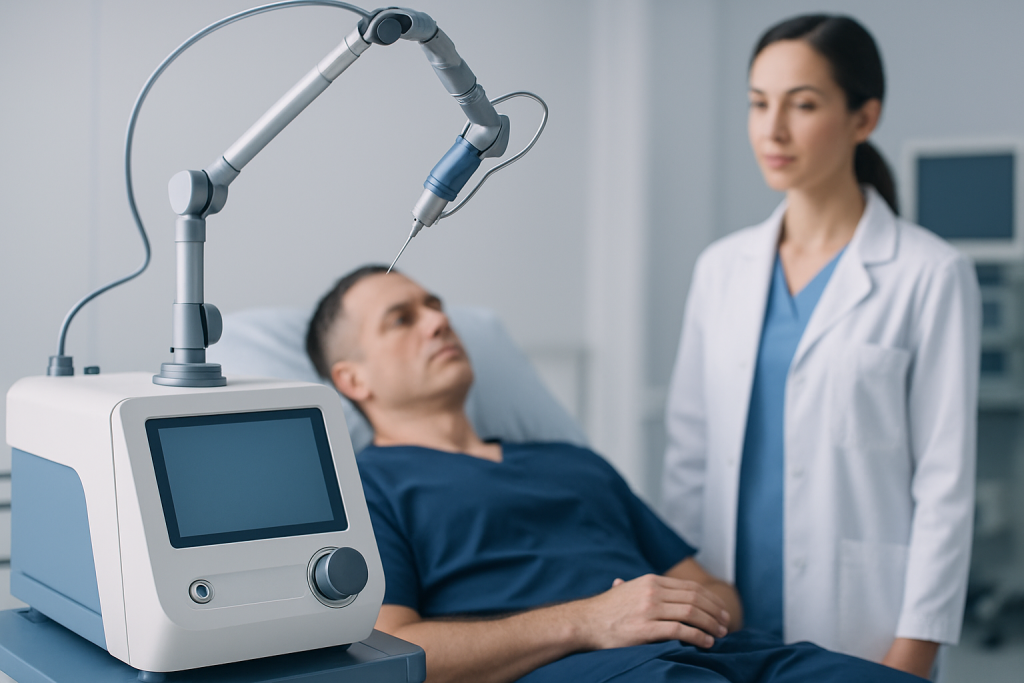
Laser ablation works by delivering light energy through a device designed for the treatment area. The absorbed energy becomes heat, which can seal a blood vessel, vaporize or coagulate tissue, or damage abnormal cells. Imaging guidance, such as ultrasound, CT, MRI, or direct visualization, may be used to place the treatment device accurately.
For vein disease, a thin laser fiber may be inserted into the affected vein through a small skin opening. Heat causes the vein wall to close, and blood naturally reroutes through healthier veins. This may be considered for people with symptomatic varicose veins, leg heaviness, swelling, skin changes, or venous ulcers related to reflux in a superficial vein. Evaluation may include a duplex ultrasound and discussion of alternatives such as compression therapy, sclerotherapy, or other vein procedures.
Suitability in other settings depends on the size and location of the target tissue, previous treatments, overall health, bleeding risk, and treatment goals. Pregnancy, active infection, certain circulation problems, uncontrolled medical conditions, or use of particular blood-thinning medicines may change the timing or approach. A specialist should review all prescribed medicines, supplements, allergies, and prior procedures before treatment.
People with leg symptoms should also be evaluated for other causes, including arterial disease, nerve problems, or a blood clot. Laser ablation is not a substitute for urgent assessment when symptoms could indicate deep vein thrombosis or another acute condition.
Step-by-Step: What Happens During Laser Ablation?

Preparation begins with confirmation of the treatment plan and consent. The clinician may mark the treatment area, perform an ultrasound or other imaging scan, and check vital signs. Instructions about eating, drinking, driving, compression garments, and temporarily adjusting medicines vary according to the procedure and anesthesia plan.
During endovenous laser ablation, the skin is cleaned and numbed. Under ultrasound guidance, the clinician places a small catheter and laser fiber inside the target vein. A numbing fluid is placed around the vein to improve comfort and protect surrounding tissue. The laser is activated as the fiber is withdrawn, closing the vein. The opening is covered with a small dressing, and a compression stocking may be applied.
Other laser ablation procedures may be performed in an operating room or image-guided intervention suite and can require sedation or general anesthesia. The team monitors heart rate, blood pressure, oxygen levels, and comfort throughout. Depending on the indication, the procedure may take less than an hour or significantly longer when planning and monitoring are included.
Before leaving, patients receive written aftercare instructions and information about expected symptoms and follow-up. Follow-up imaging is commonly used after vein ablation to confirm that the intended vein has closed and to check for uncommon complications.
Recovery Timeline and Aftercare
Recovery after laser ablation depends strongly on the body area and reason for treatment. After uncomplicated endovenous laser ablation, many people walk soon after the procedure and return to light daily activities within a day or two. Regular walking is often encouraged because it supports circulation, while prolonged sitting or standing may be discouraged during the early recovery period.
Bruising, mild swelling, tightness, tenderness, or a pulling sensation along a treated vein can occur for days to weeks. Compression stockings may be recommended for a defined period, but the duration varies between patients and clinical protocols. Strenuous exercise, heavy lifting, hot baths, and long-distance travel may need to be postponed briefly; the treating team can provide personalized guidance.
Recovery can be longer after ablation performed for tumors or within deeper organs. It may include observation in hospital, pain control, follow-up blood tests or imaging, and restrictions based on the treated organ. Patients should not drive after sedation or anesthesia until their clinician confirms it is safe and should arrange support for the journey home when needed.
Follow-up is an important part of care. It allows the team to assess healing, review symptoms, and determine whether further treatment is necessary. Acibadem International’s multidisciplinary specialists and JCI-accredited hospitals provide evaluation and treatment planning for international patients who require coordinated care.
How long is bed rest after an ablation?
Bed rest is usually brief or not routinely required after many minimally invasive laser ablation procedures. After endovenous laser ablation, patients are commonly encouraged to walk soon after treatment rather than remain in bed. The exact advice depends on the procedure, anesthesia, bleeding risk, and overall health.
Some catheter-based or organ-focused ablation procedures may require several hours of lying flat for monitoring, especially if a blood vessel access site has been used or sedation was given. A longer stay may be needed when the procedure is more complex or when the person has another medical condition requiring observation.
Patients should follow the discharge plan from their own clinical team, rather than using a general timeline. Early gentle movement may be helpful in many cases, but activity restrictions should be respected to reduce bleeding, discomfort, or other complications.
How painful is laser ablation?
Laser ablation is generally managed to keep discomfort as low as possible. For vein treatment, local anesthetic is used at the access site and around the vein, and some people describe pressure, brief stinging from the numbing injections, warmth, or mild pulling rather than severe pain. Sedation may be offered in selected situations.
After treatment, mild soreness, bruising, or tightness is common and often improves with time, walking when advised, and simple pain relief that is appropriate for the individual. The clinician will advise which medicines are safe, particularly for people taking anticoagulants, those with kidney disease, or those with a history of stomach ulcers.
Pain levels vary with the treated area, the extent of treatment, and personal sensitivity. Severe or escalating pain is not something to manage alone; it should be discussed with the treating team, especially if it occurs with swelling, fever, numbness, weakness, or color changes in the skin.
Is laser ablation considered surgery?
Laser ablation is often described as a minimally invasive surgical or interventional procedure, but it is not the same as traditional open surgery. It commonly uses a needle puncture, small incision, or catheter to bring laser energy to the treatment area. This can mean less tissue disruption and a shorter recovery than an open operation.
Whether it is formally classified as surgery can depend on the condition treated, the specialty involved, local regulations, and the anesthesia required. A laser procedure for a surface skin lesion differs substantially from image-guided treatment of tissue inside the body or treatment of a vein.
Even when a procedure is minimally invasive, it still requires careful medical assessment, sterile technique, informed consent, and follow-up. Patients should ask about the planned setting, anesthesia, expected recovery, alternatives, and the experience of the specialist performing the procedure.
Benefits, Risks, and What Results to Expect
Potential benefits of laser ablation include targeted treatment, small access sites, less scarring than open surgery, and earlier return to routine activity for some indications. In vein treatment, successful closure of a refluxing vein may reduce heaviness, aching, swelling, and visible varicose veins over time. It may also support healing of skin changes or ulcers when venous reflux is a contributing cause.
All procedures carry risks. Depending on the treatment site, these can include bruising, bleeding, infection, skin burns, pigment changes, nerve irritation, blood clots, incomplete treatment, recurrence, or damage to nearby structures. Serious complications are uncommon in appropriately selected patients, but they are important to discuss before giving consent.
Results should be judged against the original treatment goal. A treated vein may close successfully but other veins can later develop reflux; similarly, treatment for abnormal tissue may require imaging follow-up or additional therapy. Symptoms can also have more than one cause, so symptom improvement is not guaranteed by a technically successful procedure.
A qualified specialist can explain the likely outcome in an individual case and compare laser ablation with observation, medication, compression, surgery, or other energy-based options. Shared decision-making helps ensure that the expected benefit is meaningful for the patient’s needs.
What is the success rate of laser ablation?
There is no single success rate for laser ablation because the term covers different procedures and conditions. In endovenous laser ablation, studies generally show high rates of successful closure of appropriately selected treated veins, often above 90% in the short to medium term. However, the exact result varies with the vein treated, technique, follow-up period, and how success is measured.
Technical success does not always equal complete symptom resolution. Some people need treatment of additional veins, and varicose veins or venous symptoms can recur over time because vein disease may progress. Follow-up ultrasound helps confirm closure and identify issues that may need attention.
For laser ablation in cancer or other specialties, outcomes depend on the disease type, size and location of the treatment area, stage, overall health, and whether ablation is combined with other care. The treating specialist is best placed to discuss realistic expected results for the individual diagnosis.
When to Seek Medical Care
Urgent medical assessment is needed for sudden shortness of breath, chest pain, coughing up blood, fainting, or a rapidly swollen and painful leg. These symptoms can have several causes, including potentially serious circulation or heart-lung problems, and should not be attributed to a recent procedure without medical evaluation.
After laser ablation, patients should contact their care team promptly for increasing redness or warmth around the access site, fever, persistent bleeding, worsening pain, significant numbness, weakness, or swelling that is not improving. They should also ask for advice before restarting strenuous activity or traveling if their recovery has not followed the expected course.
For non-urgent symptoms such as persistent varicose vein discomfort, leg heaviness, skin discoloration, or recurrent visible veins, a planned assessment can clarify the cause and available treatment options. Early evaluation is particularly important when skin breakdown, a non-healing wound, or repeated inflammation develops.
Frequently asked questions
What is a laser ablation clinic?
A laser ablation clinic assesses patients and provides procedures that use focused laser energy to treat targeted tissue. The exact service can differ by specialty, such as vein care, dermatology, cancer care, or other image-guided treatments. A proper diagnosis is essential before deciding whether laser ablation is suitable.
How long does laser ablation take?
The treatment itself may be relatively brief, particularly for a single vein, but preparation, anesthesia, imaging, and post-procedure observation add time. More complex procedures involving deeper organs or multiple treatment areas can take longer. The clinical team can provide a more accurate estimate after planning the procedure.
Can a person walk after laser vein ablation?
Many people are encouraged to walk soon after endovenous laser ablation because gentle movement supports circulation. However, they may be asked to avoid strenuous exercise, heavy lifting, or prolonged immobility for a short period. Individual instructions should always take priority.
How long does it take to see results after laser vein ablation?
The treated vein begins closing during the procedure, but bruising, swelling, and visible varicose veins may take weeks or longer to settle. Symptom improvement can be gradual, especially if vein disease has been present for a long time. Follow-up ultrasound may be used to confirm closure of the treated vein.
Can varicose veins return after laser ablation?
The specific vein that has closed is not expected to reopen in most successful treatments, but new varicose veins or reflux in other veins can develop over time. Vein disease can be progressive, and some people need additional treatment later. Maintaining activity, managing weight when appropriate, and following medical advice may support long-term vein health.
Is laser ablation safe?
Laser ablation is generally considered safe when it is recommended for the right indication and performed by trained clinicians with appropriate imaging and follow-up. Like all procedures, it has possible side effects and rare complications. A pre-procedure consultation should review individual risks, alternatives, and warning signs after treatment.
References
- National Institute for Health and Care Excellence
- Society for Vascular Surgery
- American Venous Forum
- Radiological Society of North America
- National Cancer Institute
This article is for general information only and is not a substitute for professional medical advice. Please consult a qualified doctor about your individual situation.
Explore treatments in Turkey — costs, top hospitals & a free quote
JCI-accredited · board-certified surgeons · reply within 24h
Add us as a Preferred Source to see more of our trusted health content across Google Search, AI Overviews and Discover.
Check your numbers in seconds
BMI, calories, due date, blood pressure and 30+ more clinical calculators — free, instant, doctor-reviewed ranges.

More from the Health Library

Related Specialists
Ali Furkan Gürler
Physical Medicine & Rehabilitation
Assoc. Prof. Dr. Gökhan Tosun
Gynecology & Obstetrics
Dr. Ridvan Mete Demir
Emergency Service
Dr. Babak Abbasov
Pediatrics