Laser Hair Removal: A Complete Medical Overview

Laser hair removal works by targeting pigment in hair follicles and usually requires multiple sessions. Results are best on darker, coarser hair, but modern devices can also be used more safely on a wider range of skin tones.
Key Takeaways
- Laser hair removal works by targeting pigment in hair follicles and usually requires multiple sessions.
- Results are best on darker, coarser hair, but modern devices can also be used more safely on a wider range of skin tones.
- Temporary redness, swelling, and sensitivity are common; burns and pigment changes are less common but possible.
- Sun protection, avoiding plucking, and following aftercare instructions help improve safety and results.
- A medical assessment is important for people with skin disease, hormonal hair growth, recent tanning, or a history of scarring.
Laser hair removal is a medical-aesthetic procedure that reduces unwanted hair by using focused light to damage hair follicles and slow future growth. It is not always permanent after one course, but it can provide long-lasting reduction when the device, settings, and treatment plan are matched to the person’s skin and hair type.
Overview: what laser hair removal does
Laser hair removal is a procedure used to reduce unwanted hair on areas such as the face, underarms, arms, legs, chest, back, and bikini line. It works by delivering light energy into the hair follicle, where pigment in the hair absorbs the energy. This heat damages the follicle enough to slow or reduce future growth while trying to protect the surrounding skin.
Many people describe laser hair removal as “permanent,” but medically it is more accurate to call it long-term hair reduction. Hair grows in cycles, and only follicles in the active growth phase respond well at the time of treatment. For that reason, most people need a series of sessions spaced over weeks, and some need occasional maintenance treatments later.
Laser hair removal is different from shaving, waxing, and depilatory creams because it targets the follicle beneath the skin rather than only removing visible hair. It can be especially helpful for people who develop frequent ingrown hairs, razor bumps, or irritation from regular hair removal. In some cases, people with recurrent folliculitis may benefit from specialist assessment to decide whether laser treatment may reduce hair-related skin inflammation.
How the procedure works and who may benefit most
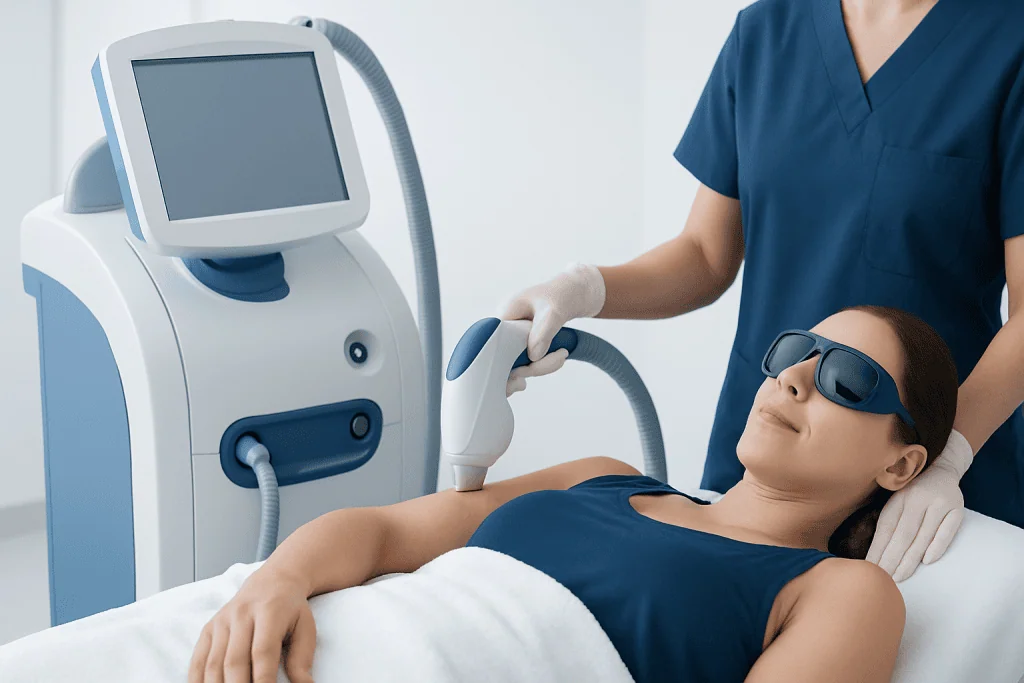
The principle behind laser hair removal is selective photothermolysis. This means the laser uses a wavelength of light chosen to be absorbed mainly by melanin, the pigment in the hair shaft and follicle. The absorbed energy becomes heat, which weakens the follicle and reduces its ability to produce a thick new hair.
Traditionally, the strongest response has been seen in people with darker hair and lighter skin because the laser can more easily distinguish the hair from the surrounding skin. However, newer technologies and more careful parameter selection have expanded treatment options for darker skin tones. Even so, success and safety still depend on the device used, the operator’s experience, and an individualized treatment plan.
Laser hair removal may be suitable for adults and some older adolescents, depending on the body area, skin type, hair color, medical history, and expectations. Gray, white, red, and very light blond hair often responds less well because there is less pigment for the laser to target. People seeking treatment for hormone-related excess hair growth may also need evaluation for underlying conditions rather than relying on cosmetic treatment alone.
Common treatment areas, expected results, and limitations

Common treatment areas include the upper lip, chin, cheeks, neck, underarms, forearms, legs, back, chest, abdomen, and bikini area. Sessions are usually brief for small areas and longer for large areas. During treatment, many devices use cooling systems or contact cooling to protect the skin and improve comfort.
Results usually develop gradually. Existing hairs may look as though they are still growing for days to weeks, but many are actually shedding from the treated follicles. Over a course of sessions, hair often becomes finer, lighter, and less dense. Some follicles may recover over time, which is why maintenance can be helpful for certain people.
There are limits to what laser hair removal can achieve. It may not remove every hair, and it may not work evenly on all body sites. Hormonal influences, certain medications, genetics, and ethnic variation in hair patterns can all affect outcomes. A clinician may suggest combining laser sessions with management of contributing skin or endocrine concerns when appropriate.
For people exploring options for medically supervised cosmetic procedures, a specialist may also discuss related services such as laser hair removal treatment in the context of skin type, hair characteristics, and overall skin health.
Preparation, safety checks, and what happens during a session
A safe treatment course starts with consultation. The clinician reviews skin tone, hair color, tanning history, medications, previous reactions to cosmetic procedures, scarring tendency, and any history of herpes simplex, eczema, psoriasis, or pigment disorders. This helps identify whether the person is a good candidate and which laser system and settings may be appropriate.
Before treatment, patients are usually advised to avoid recent tanning and self-tanning products because darker skin carries a higher risk of burns or pigment changes if settings are not adjusted. Plucking, waxing, or threading are generally avoided for a period before sessions because these methods remove the hair root that the laser needs to target. Shaving is often preferred shortly before treatment, since it leaves the follicle in place while reducing surface hair that could absorb extra heat.
During the session, the skin is cleaned and protective eyewear is used. The clinician places the handpiece on the treatment area and delivers a series of pulses. Many people feel a quick snapping or warming sensation. Mild redness and swelling around the follicles immediately afterward are common and usually expected signs of a tissue response rather than a complication.
- Share any medications, especially those that increase light sensitivity.
- Report recent sun exposure, active skin infection, or open wounds.
- Ask whether a test spot is recommended, particularly for darker skin tones or sensitive areas.
Side effects, risks, and who may need extra caution
Most side effects are mild and temporary. Redness, perifollicular swelling, warmth, and slight tenderness can occur for hours to a few days. The treated skin may feel similar to a mild sunburn. Cool compresses and gentle skincare are often enough to help the area settle.
Less common risks include blistering, crusting, burns, infection, and changes in skin color. Some people develop temporary darkening or lightening of the skin, especially after sun exposure or when treatment is not well matched to skin type. Rarely, paradoxical hypertrichosis can occur, meaning finer hair growth may increase in nearby areas rather than decrease.
Extra caution may be needed for people with very recent tanning, active inflammatory skin disease, a history of keloid scarring, recurrent cold sores in the treatment area, or medications that can increase photosensitivity. Individuals with chronic skin conditions such as eczema or active psoriasis should ask a dermatologist or qualified clinician whether the skin is stable enough for treatment.
People with dark skin tones can often be treated safely, but the margin for error may be narrower. For these patients, the right wavelength, pulse duration, cooling method, and operator experience matter especially. This is one reason laser hair removal is best approached as a medically informed procedure rather than a one-size-fits-all beauty service.
Aftercare, recovery, and protecting the skin
After laser hair removal, the skin should be treated gently for several days. Patients are usually advised to avoid hot baths, saunas, intense exercise that causes heavy sweating, harsh exfoliants, and fragranced products if the skin feels irritated. A simple moisturizer and cool compress can help if there is mild discomfort.
Sun protection is one of the most important parts of aftercare. Freshly treated skin may be more sensitive to ultraviolet exposure, and tanning can increase the chance of pigment changes. Broad-spectrum sunscreen, protective clothing, and limiting direct sun exposure are sensible steps, especially on exposed areas such as the face, neck, and arms.
Hair may appear to “grow” before it sheds, so patients should not assume a session has failed if stubble is visible soon afterward. Shaving between sessions is usually acceptable, but plucking and waxing are commonly discouraged because they interfere with the follicle target. If ingrown hairs have been a longstanding problem, clinicians may also recommend supportive skincare or review whether related concerns such as dermatology care would be helpful.
When to seek medical care
Most people recover without difficulty, but medical advice should be sought if the treated area develops severe pain, extensive blistering, spreading redness, pus, or signs of infection. Persistent swelling, marked crusting, or a large area of skin color change also deserves prompt review. Any unexpected eye symptoms after treatment near the face require urgent assessment.
A medical evaluation is also sensible before starting treatment if there is sudden or excessive hair growth, especially on the face, chest, or abdomen. This can sometimes be linked to hormonal conditions such as polycystic ovary syndrome or medication effects, and the underlying cause may need attention in addition to hair reduction. People with recurrent acne-like bumps, severe razor irritation, or scarring may benefit from skin assessment before choosing a hair removal method.
Near the end of the treatment journey, some patients appreciate coordinated input from dermatology, endocrinology, or aesthetic specialists. Acibadem International’s multidisciplinary specialists in JCI-accredited hospitals evaluate and treat skin and hair concerns for international patients, and related options such as skin care and dermatology may be discussed when clinically appropriate.
Frequently asked questions
Is laser hair removal permanent?
Laser hair removal usually provides long-lasting hair reduction rather than guaranteed permanent removal of every hair. Many treated hairs become finer and less noticeable, but some follicles can recover over time. Maintenance sessions may be needed depending on the body area, hormones, and individual hair growth patterns.
How many sessions of laser hair removal are usually needed?
Most people need multiple sessions because hair grows in cycles and not all follicles are active at the same time. The exact number varies with the body area, hair thickness, skin tone, and the device used. A clinician usually recommends a schedule spaced over several weeks to target follicles in different growth phases.
Does laser hair removal hurt?
Comfort levels vary, but many people describe the sensation as a brief snap, sting, or warmth. Modern devices often include cooling features that help reduce discomfort. Sensitive areas may feel more intense, but treatment is usually well tolerated.
Can laser hair removal be used on dark skin?
Yes, laser hair removal can often be performed safely on dark skin when the device and settings are chosen carefully. The key is matching the laser wavelength and treatment parameters to the person’s skin tone and hair type. This is why evaluation by an experienced, medically informed clinician is important.
What should be avoided before and after laser hair removal?
Before treatment, recent tanning and hair removal methods that pull out the root, such as waxing or plucking, are usually avoided. After treatment, patients are commonly advised to limit sun exposure, use sunscreen, and avoid heat, friction, and harsh skincare on the area for a short time. Following individual aftercare instructions can lower the risk of irritation and pigment changes.
Who may not be a good candidate for laser hair removal?
People with very light, gray, white, or red hair may respond poorly because there is less pigment for the laser to target. Treatment may need to be postponed in those with active skin infections, recent tanning, open wounds, or unstable inflammatory skin disease in the area. A doctor may also review medications, scarring history, and hormone-related hair growth before recommending treatment.
References
- American Academy of Dermatology
- British Association of Dermatologists
- Mayo Clinic
- U.S. Food and Drug Administration
- American Society for Dermatologic Surgery
This article is for general information only and is not a substitute for professional medical advice. Please consult a qualified doctor about your individual situation.
Hair transplant in Turkey — costs, graft counts & a free assessment
JCI-accredited · board-certified surgeons · reply within 24h
Add us as a Preferred Source to see more of our trusted health content across Google Search, AI Overviews and Discover.

More from the Health Library

Allergy Shots: What Patients Need to Know

Montgomery Tubercles: What Patients Need to Know

Rooibos Tea: A Complete Medical Overview

Appetite Suppressant: An Evidence-Based Guide for Patients

Purulent: A Complete Medical Overview