LASIK Eye Surgery: Candidates, Procedure Steps, and Recovery

LASIK may reduce dependence on glasses or contact lenses for nearsightedness, farsightedness, and astigmatism. Good candidates usually have stable vision, healthy corneas, and no active eye disease.
Key Takeaways
- LASIK may reduce dependence on glasses or contact lenses for nearsightedness, farsightedness, and astigmatism.
- Good candidates usually have stable vision, healthy corneas, and no active eye disease.
- The procedure is typically brief, but careful preoperative testing and postoperative follow-up are important.
- Most patients notice clearer vision within days, while dryness, glare, and fluctuating vision often improve gradually.
- LASIK is not suitable for everyone; alternatives such as PRK, SMILE, implantable lenses, or continued glasses may be safer for some patients.
LASIK Eye Surgery is a common laser vision correction procedure that reshapes the cornea to improve how light focuses on the retina. A detailed eye examination is essential to decide whether a patient is a suitable candidate and to reduce the risk of complications.
Overview
LASIK Eye Surgery, also called laser-assisted in situ keratomileusis, is a refractive surgery designed to reduce dependence on glasses or contact lenses. It works by reshaping the cornea, the clear front surface of the eye, so that incoming light focuses more accurately on the retina. LASIK is most often used for myopia, hyperopia, and astigmatism.
The procedure is performed by an ophthalmologist using specialized laser technology. A thin corneal flap is created, the underlying corneal tissue is reshaped with an excimer laser, and the flap is repositioned. The eye begins healing naturally soon after the procedure, without stitches in most cases.
Although LASIK is widely performed and many patients are satisfied with the results, it remains a surgical procedure. Suitability depends on corneal thickness, prescription stability, tear film quality, pupil size, overall eye health, and general medical history. A careful evaluation helps determine whether LASIK is appropriate or whether another vision correction option would be safer.
Who Is a Good Candidate for LASIK?
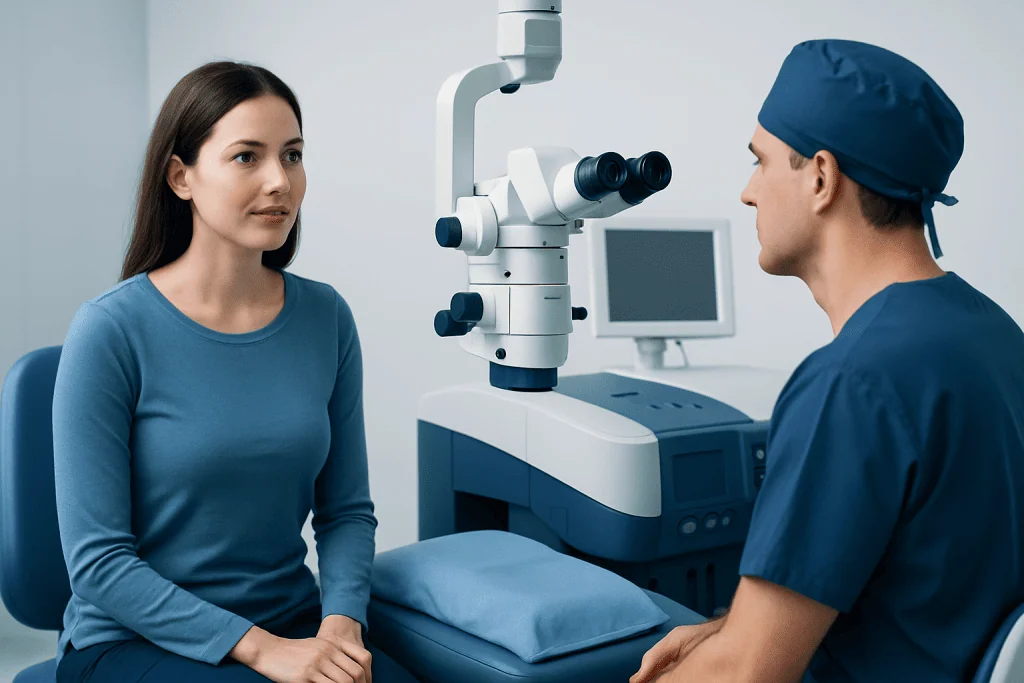
A good LASIK candidate is typically an adult whose glasses or contact lens prescription has been stable for at least one year. The patient should have healthy eyes, adequate corneal thickness, and no active inflammation, infection, or uncontrolled dry eye. The degree of nearsightedness, farsightedness, or astigmatism must also fall within a treatable range for the patient’s corneal shape and thickness.
Age is only one part of the decision. LASIK is usually considered after the eyes have matured and the prescription has stabilized. Patients who are pregnant or breastfeeding may be advised to postpone surgery because hormonal changes can temporarily affect vision and tear quality.
LASIK may not be recommended for patients with certain eye or medical conditions. These can include keratoconus or other corneal thinning disorders, severe dry eye, uncontrolled glaucoma, significant cataracts, active autoimmune disease affecting healing, or a history of unstable vision. Contact lens wearers may need to stop wearing lenses for a period before testing because lenses can temporarily change corneal measurements.
Realistic expectations are also important. LASIK can greatly reduce the need for glasses or contacts, but it does not guarantee perfect vision in every situation. Some patients may still need glasses for night driving, fine detail work, or reading as age-related near vision changes develop.
Preoperative Eye Examination
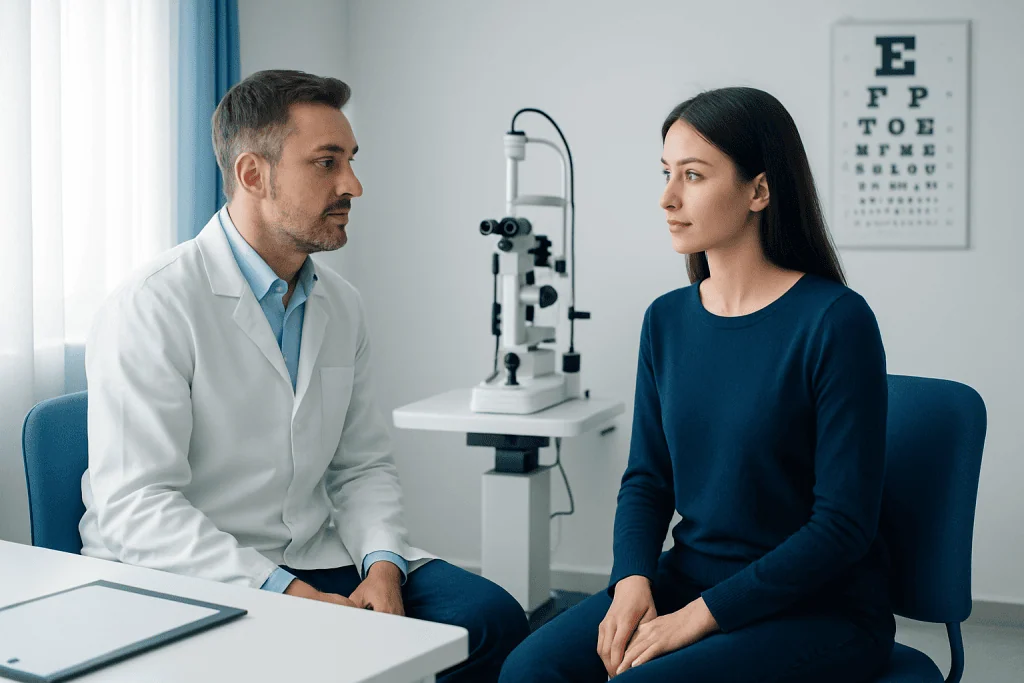
Before LASIK Eye Surgery, the ophthalmology team performs a comprehensive assessment to confirm safety and plan treatment. This evaluation is more detailed than a routine glasses prescription check. It measures how the eye focuses light, examines the cornea in detail, and checks for conditions that could increase surgical risk.
Common preoperative tests include measurement of visual acuity and refractive error, corneal thickness, corneal curvature, corneal topography or tomography, pupil size, eye pressure, and tear film quality. The doctor also examines the retina, optic nerve, eyelids, and surface of the eye. These tests help detect subtle corneal irregularities and other problems that may not cause symptoms.
The consultation also includes a review of medications, allergies, previous eye surgery or injury, and general health conditions. The surgeon explains expected benefits, possible side effects, and alternatives. Patients should have time to ask questions and understand that the safest decision may sometimes be to avoid LASIK or choose another procedure.
LASIK Procedure Steps
LASIK is usually performed as an outpatient procedure. Numbing eye drops are used so the patient remains comfortable, and the eye area is cleaned. A device gently helps keep the eyelids open during treatment. Patients may feel pressure for a short time, but pain is not expected during the laser portion.
The surgeon creates a thin flap in the cornea, often using a femtosecond laser. The flap is lifted to expose the inner corneal tissue. An excimer laser then removes microscopic amounts of tissue according to the patient’s treatment plan. This reshaping changes the way light enters the eye.
After the laser correction is complete, the corneal flap is carefully placed back into position. It naturally adheres as healing begins. Protective eye shields or instructions for eye protection may be provided, especially for sleeping in the first days.
The laser treatment itself is brief, but the entire visit may take longer because of preparation, checks, and recovery instructions. Many patients have both eyes treated on the same day, although the decision depends on the surgeon’s recommendation and patient-specific factors.
Recovery and Aftercare
Vision often improves quickly after LASIK, but the first hours may include burning, watering, light sensitivity, or a gritty feeling. These symptoms usually lessen with rest and prescribed or recommended eye drops. Patients are commonly advised not to rub the eyes, because rubbing can disturb the corneal flap during early healing.
Follow-up visits are an important part of recovery. The first check is often scheduled soon after surgery, with additional visits based on healing and symptoms. The doctor monitors vision, corneal healing, eye pressure when relevant, and signs of dryness or inflammation.
Typical aftercare may include lubricating drops, medicated drops for a limited time, protective eye shields while sleeping, and temporary limits on swimming, eye makeup, dusty environments, or contact sports. Driving should resume only when vision is adequate and the surgeon confirms it is safe. Screen use may be allowed, but frequent blinking and lubricating drops can help comfort.
Some fluctuations in clarity are common during the healing period. Dryness, halos, glare, or night vision symptoms may occur and often improve gradually. Persistent discomfort, worsening vision, redness, or discharge should be reported promptly rather than managed at home.
Benefits, Risks, and Limitations
The main benefit of LASIK is reduced dependence on glasses or contact lenses. Many patients appreciate greater convenience for sports, travel, work, and daily activities. LASIK can also be helpful for people who have difficulty tolerating contact lenses, although dry eye should be assessed carefully before surgery.
Like all surgery, LASIK has potential risks. These may include dry eye, glare, halos, starbursts, undercorrection, overcorrection, regression of effect, inflammation, infection, flap-related problems, and reduced quality of vision in some cases. Serious complications are uncommon, but they can affect vision and may require additional treatment.
LASIK does not prevent natural eye changes over time. Presbyopia, the age-related loss of near focusing ability, usually begins in midlife and may still require reading glasses. Cataracts, glaucoma, diabetic eye disease, and retinal conditions can also occur later in life, so routine eye care remains important even after successful laser vision correction.
Some patients may need an enhancement procedure if residual prescription remains and the eye is suitable for further treatment. Others may be better served with glasses for specific tasks. A balanced discussion with an ophthalmologist helps match expectations to likely outcomes.
Alternatives to LASIK
LASIK is not the only option for vision correction. Photorefractive keratectomy, or PRK, reshapes the cornea without creating a flap and may be recommended for some patients with thinner corneas or certain occupations. Recovery after PRK is usually slower and may involve more early discomfort, but it can be a suitable alternative for selected patients.
SMILE, or small incision lenticule extraction, is another laser procedure used for certain types of nearsightedness and astigmatism. It involves removing a small lens-shaped piece of tissue through a small incision. Suitability depends on the prescription, corneal features, available technology, and surgeon recommendation.
For patients who are not good candidates for corneal laser surgery, implantable collamer lenses or other phakic intraocular lenses may be considered in specific cases. For older patients with cataracts or lens-related vision changes, lens replacement or cataract surgery with an appropriate intraocular lens may be more relevant. Glasses and contact lenses remain safe, effective, and appropriate choices for many people.
When to See an Eye Doctor
A patient considering LASIK should see an ophthalmologist for a full refractive surgery evaluation rather than relying only on a standard vision test. The visit is especially important for patients with dry eye symptoms, high prescriptions, thin corneas, previous eye injury, autoimmune disease, diabetes, or a family history of keratoconus.
After surgery, urgent medical advice is needed if there is worsening pain, sudden vision loss, increasing redness, discharge, new severe light sensitivity, or trauma to the eye. Early assessment can help identify and treat complications quickly. Patients should also keep scheduled follow-up appointments even if vision seems clear.
International patients who are evaluating laser vision correction may seek care at centers with experienced ophthalmology teams and structured follow-up planning. Acibadem International’s multidisciplinary specialists and JCI-accredited hospitals diagnose and treat eye conditions, including refractive surgery needs, for international patients. The final decision should always be individualized after examination by a qualified eye doctor.
Frequently asked questions
Is LASIK Eye Surgery painful?
LASIK is usually not painful because numbing eye drops are used before the procedure. A patient may feel pressure, mild discomfort, watering, or a gritty sensation afterward. These symptoms often improve within the first day or two, but persistent or worsening pain should be reported to the surgeon.
How long does LASIK recovery take?
Many patients notice improved vision within 24 to 48 hours, but healing continues for weeks to months. Vision may fluctuate, especially with dryness or screen use. Follow-up visits help the doctor confirm that the cornea is healing properly.
Can LASIK completely remove the need for glasses?
LASIK can significantly reduce dependence on glasses or contact lenses, but it cannot guarantee glasses-free vision for every patient. Some people may still need glasses for night driving, detailed work, or reading later in life. Presbyopia and other age-related eye changes can still occur.
Who should not have LASIK?
LASIK may not be suitable for patients with unstable prescriptions, severe dry eye, thin or irregular corneas, keratoconus, active eye disease, or certain medical conditions that affect healing. Pregnant or breastfeeding patients are often advised to wait. A detailed eye examination is needed to make a safe decision.
What are the most common side effects after LASIK?
Common temporary side effects include dry eyes, light sensitivity, glare, halos, and fluctuating vision. These often improve as the eye heals and with appropriate lubricating drops or other treatment. Persistent symptoms should be discussed with the ophthalmologist.
Is LASIK permanent?
The corneal reshaping from LASIK is intended to be long lasting. However, eyes can still change over time because of aging, hormonal changes, cataracts, or other eye conditions. Some patients may later need glasses, contact lenses, or additional treatment depending on their eye health and visual needs.
References
- American Academy of Ophthalmology
- U.S. Food and Drug Administration
- National Eye Institute
- American Society of Cataract and Refractive Surgery
- Royal College of Ophthalmologists
This article is for general information only and is not a substitute for professional medical advice. Please consult a qualified doctor about your individual situation.
Eye Surgery in Turkey — costs, top hospitals & a free quote
JCI-accredited · board-certified surgeons · reply within 24h
Add us as a Preferred Source to see more of our trusted health content across Google Search, AI Overviews and Discover.

Ophthalmology
Comprehensive eye care from laser vision correction to retina, cornea and cataract surgery.
75 specialists in this unit