Lcis Treatment: How It Works, Results and What to Expect
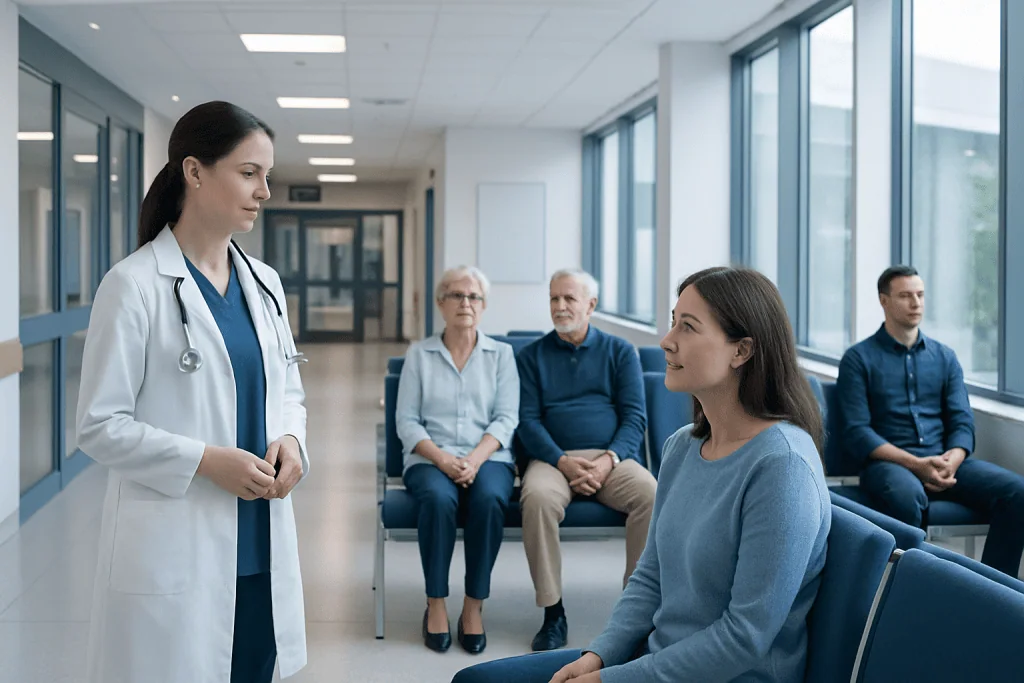
Classic LCIS is a risk marker for future breast cancer, not an invasive breast cancer diagnosis. Most people with LCIS have enhanced surveillance rather than immediate breast surgery.
Key Takeaways
- Classic LCIS is a risk marker for future breast cancer, not an invasive breast cancer diagnosis.
- Most people with LCIS have enhanced surveillance rather than immediate breast surgery.
- Risk-reducing hormone medicines may be appropriate for some people after an individualized discussion.
- Pleomorphic or florid LCIS may require surgical excision because it can behave differently from classic LCIS.
- Ongoing follow-up is important because breast cancer can develop in either breast, often years after an LCIS diagnosis.
LCIS treatment focuses on reducing and monitoring the increased long-term risk of breast cancer. Most people do not need surgery for classic LCIS; care commonly includes regular breast screening, risk-reducing medicines for suitable patients, and individualized lifestyle and family-risk assessment.
LCIS Treatment: The Answer in Brief
LCIS treatment usually means careful follow-up and breast cancer risk reduction rather than treatment for an existing invasive cancer. Classic lobular carcinoma in situ (LCIS) is an abnormal growth of cells inside the breast lobules, the milk-producing glands. It does not usually form a lump, spread through the body, or require chemotherapy or radiation therapy.
After LCIS is found, the care team reviews the biopsy findings, imaging results, personal and family history, and individual preferences. The plan may include regular clinical examinations and imaging, medicines that lower hormone-sensitive breast cancer risk, genetic counseling when appropriate, or—less commonly—surgery. The approach differs from treatment for invasive lobular cancer or ductal carcinoma in situ (DCIS).
LCIS is often discovered incidentally when a biopsy is performed for another imaging finding. Although the diagnosis can feel concerning, it provides useful information that allows a person and their medical team to create a proactive, long-term breast health plan.
What LCIS Is and How Treatment Works
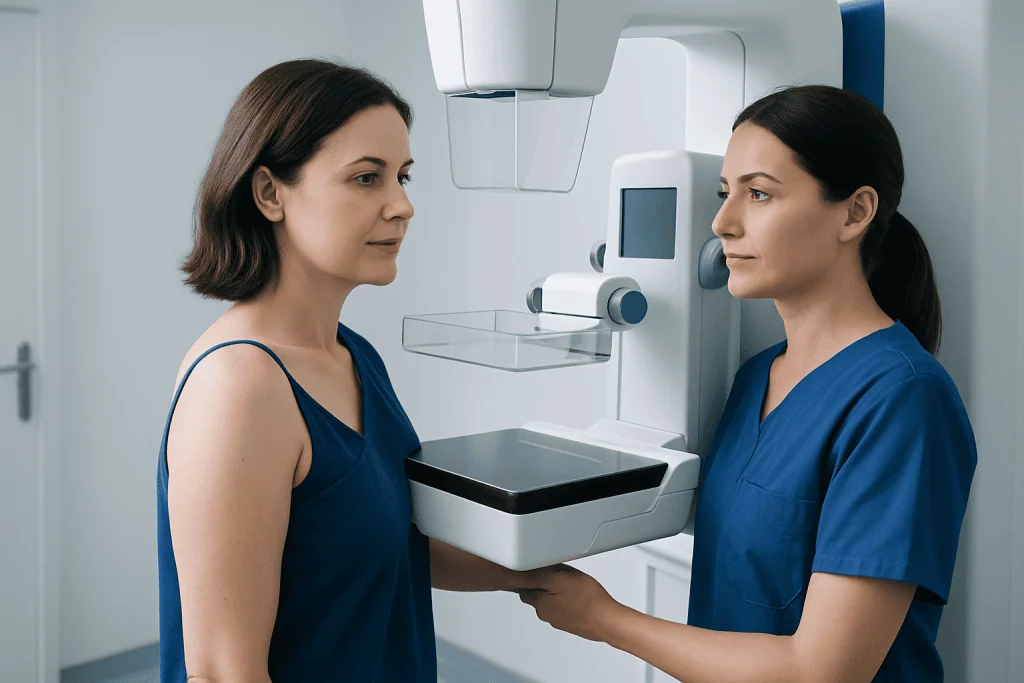
There are several forms of LCIS. Classic LCIS is generally considered a marker of increased breast cancer risk in both breasts. It is not usually treated as a local cancer that must be removed. Instead, management aims to find any future cancer early and, where appropriate, reduce the chance that it develops.
By contrast, pleomorphic LCIS and florid LCIS have more unusual cell appearances or more extensive involvement of lobules. These non-classic forms can be associated with nearby cancer or calcifications seen on mammography. When they are diagnosed on a needle biopsy, surgical removal of the biopsy area is often recommended to examine more tissue and make sure an invasive cancer or DCIS has not been missed.
Pathology and radiology must be considered together. If classic LCIS on biopsy fully explains the imaging finding and there is agreement between the radiologist and pathologist, observation may be safe. If the results do not match, or if a non-classic form is present, further sampling or surgery may be advised.
LCIS management should not be confused with a standard DCIS treatment protocol. DCIS is a non-invasive breast cancer that is generally managed with local treatment, such as surgery and sometimes radiation, while classic LCIS is principally managed as a risk condition.
Who May Need Surveillance, Medicine or Surgery

Enhanced surveillance is appropriate for many people with classic LCIS. Follow-up commonly includes regular clinical breast assessment and annual mammography. Depending on the person’s overall estimated lifetime risk, breast density, family history, and ability to undergo MRI, the team may also recommend annual breast MRI, often scheduled at a different time of year from mammography.
Risk-reducing endocrine therapy may be discussed for people whose potential benefit outweighs possible side effects. Depending on menopausal status and medical history, options may include medicines that block or reduce estrogen effects. These medicines do not eliminate risk, but they can lower the likelihood of certain hormone receptor-positive breast cancers. A breast specialist or medical oncologist can explain expected benefits, limitations, interactions, and important risks such as blood clots, menopausal symptoms, or effects on bone health.
Preventive bilateral mastectomy is not routinely recommended for classic LCIS alone. It may be considered in selected people with very high inherited risk, such as a harmful genetic variant, a particularly strong family history, or significant anxiety after comprehensive counseling. This personal decision should include input from breast surgery, genetics, imaging, oncology, and mental health professionals when useful.
People with a concerning family pattern of breast, ovarian, pancreatic, prostate, or related cancers may benefit from genetic counseling. Testing is not necessary for everyone with LCIS, but it can clarify risk and guide screening for the individual and family members.
If a Procedure Is Recommended: Steps, Recovery and Results
When excision is advised for pleomorphic or florid LCIS, or when biopsy and imaging findings do not agree, the usual procedure is an excisional biopsy or lumpectomy. Before surgery, the radiologist may place a marker or use image-guided localization to identify the exact area. The surgeon removes the targeted tissue, and a pathologist examines it in detail.
Excisional biopsy is commonly an outpatient procedure. It may be performed with local anesthesia plus sedation or with general anesthesia, depending on the planned operation and individual circumstances. The incision is typically closed with dissolving stitches or sutures that are removed later. The final pathology result helps determine whether no further treatment is needed or whether an unexpected finding, such as DCIS or invasive cancer, requires a different plan.
Recovery varies, but many people return to light activities within several days and need one to two weeks before resuming more strenuous activity. Bruising, swelling, temporary numbness, and soreness can occur. The surgical team provides specific instructions for wound care, pain relief, arm movement, driving, and returning to work.
The main benefit of excision is diagnostic certainty and removal of the abnormal area when clinically indicated. Risks are generally uncommon but include bleeding, infection, fluid collection, scarring, changes in breast shape, and reactions to anesthesia. Surgery for LCIS does not remove the need for future screening, because LCIS-related risk can affect either breast.
Does LCIS Always Turn Into Cancer?
No. LCIS does not always turn into cancer, and classic LCIS is not generally viewed as a direct, inevitable precursor in the way many people imagine. Instead, it signals that the person has a higher-than-average chance of developing breast cancer in the future, either in the same breast or the opposite breast.
Risk is influenced by many factors, including age at diagnosis, family history, inherited gene changes, breast density, reproductive history, and whether risk-reducing medicine is used. A clinician can estimate overall risk using the complete medical history, rather than relying on LCIS alone.
Regular surveillance is valuable because it offers the best opportunity to detect a new breast cancer at an early stage, when treatment options are broad. New breast symptoms should still be assessed promptly even between scheduled screening visits.
How Quickly Does Lobular Breast Cancer Grow?
Invasive lobular carcinoma is different from LCIS. Its growth rate cannot be predicted reliably from a diagnosis alone. Some invasive lobular cancers grow slowly, but others may grow more quickly, and growth can vary according to tumor biology, grade, hormone receptor status, HER2 status, and other individual features.
Lobular breast cancers may sometimes be harder to see on mammography or feel as a subtle thickening rather than a distinct lump. This is one reason a tailored screening plan is important for people with LCIS and for those at higher breast cancer risk. MRI may be useful for selected patients because it can provide additional information beyond mammography.
If invasive cancer is diagnosed, treatment is planned according to its stage and biology. Options may include surgery, radiation therapy, endocrine therapy, chemotherapy, targeted therapy, or a combination. The timeline is individualized and should not be inferred from a prior LCIS diagnosis.
Is Lobular Breast Cancer Harder to Treat? What Is Worse, LCIS or DCIS?
Invasive lobular breast cancer is not necessarily harder to treat than other breast cancer types, but it can create different diagnostic and planning challenges. Its cells often grow in a dispersed pattern, which may make the full size of the tumor less obvious on examination or standard imaging. Breast specialists use imaging, pathology, and staging information to choose effective treatment.
LCIS and DCIS are different conditions, so it is not accurate to say that one is simply “worse.” Classic LCIS is primarily a marker of higher future cancer risk and is often monitored. DCIS consists of abnormal cells within milk ducts and is commonly treated locally because it can progress to invasive cancer if left untreated. Questions about whether DCIS should be treated are best addressed individually, as the recommended DCIS treatment timeline, expected outcomes, and prognosis depend on the grade, size, margins, receptor status, and patient factors.
In general, DCIS treatment success rates are high, especially when DCIS is detected early and treated appropriately, but no single percentage applies to every person. DCIS treatment and prognosis should be discussed with a breast team that can explain the pathology report and the balance of benefits and side effects of surgery, radiation, and endocrine therapy where relevant.
People seeking coordinated care can discuss evaluation and treatment planning with the multidisciplinary specialists at Acibadem International, where JCI-accredited hospitals support international patients with breast conditions.
Living Well With LCIS and When to Seek Medical Care
Healthy habits cannot guarantee prevention of breast cancer, but they support general health and may help lower risk. Helpful measures include maintaining a weight that is appropriate for the individual, being physically active, limiting alcohol, avoiding smoking, and discussing menopausal hormone therapy carefully with a clinician. These steps should complement, not replace, recommended screening.
It can be helpful to keep a written follow-up plan with the dates and types of recommended imaging, clinical visits, and any medicine reviews. People taking endocrine risk-reduction therapy should report side effects rather than stopping medication without medical advice, since adjustments or alternative approaches may be possible.
Medical care should be sought promptly for a new breast lump, persistent thickening, skin dimpling, nipple inversion, bloody or spontaneous nipple discharge, breast swelling, or enlarged lymph nodes near the collarbone or underarm. Most breast changes are not cancer, but timely assessment is important. Anyone who has been diagnosed with LCIS should also contact their breast team if they are uncertain about their follow-up schedule or receive a new imaging result.
Frequently asked questions
What is the usual LCIS treatment?
For classic LCIS, the usual approach is enhanced breast screening and discussion of ways to reduce future breast cancer risk. Some people may consider risk-reducing endocrine medicines. Surgery is more often considered for pleomorphic or florid LCIS, or when imaging and biopsy findings do not match.
Do people with LCIS need chemotherapy or radiation therapy?
Classic LCIS does not usually require chemotherapy or radiation therapy because it is not invasive breast cancer. These treatments may be used only if a separate diagnosis, such as DCIS or invasive breast cancer, is found. The final plan depends on the complete pathology and imaging results.
Can LCIS be removed completely with surgery?
An area of LCIS can be removed during an excisional biopsy, but removing it does not necessarily remove the increased future cancer risk. This is because LCIS is linked with risk in both breasts. Continued screening remains important after surgery.
How often is screening needed after an LCIS diagnosis?
Many people have annual mammography and regular clinical follow-up, while some may also be offered annual breast MRI based on their overall risk. The exact schedule depends on age, breast density, family history, genetic findings, and prior imaging. A breast specialist can provide a personalized surveillance plan.
Does LCIS increase the risk of cancer in both breasts?
Yes. Classic LCIS is associated with an increased chance of developing breast cancer in either breast over time. This bilateral risk is why surveillance and risk-reduction discussions generally address both breasts, even if LCIS was found on only one side.
What should a person ask after an LCIS biopsy?
Useful questions include which LCIS subtype was found, whether the biopsy result matches the imaging finding, whether surgical excision is needed, and what screening plan is recommended. It is also reasonable to ask about genetic counseling, MRI eligibility, and the potential benefits and side effects of risk-reducing medication.
References
- American Cancer Society
- National Cancer Institute
- National Comprehensive Cancer Network
- American Society of Clinical Oncology
- Breast Cancer Now
This article is for general information only and is not a substitute for professional medical advice. Please consult a qualified doctor about your individual situation.
Oncology care in Turkey — second opinion and treatment plan
JCI-accredited · board-certified surgeons · reply within 24h
Add us as a Preferred Source to see more of our trusted health content across Google Search, AI Overviews and Discover.