LEEP Procedure for Cervical Dysplasia: What to Expect and How the Cervix Heals

LEEP uses a thin wire loop with electrical current to remove abnormal cervical tissue. It is often recommended after cervical dysplasia is confirmed through Pap testing, HPV testing, and colposcopy.
Key Takeaways
- LEEP uses a thin wire loop with electrical current to remove abnormal cervical tissue.
- It is often recommended after cervical dysplasia is confirmed through Pap testing, HPV testing, and colposcopy.
- Most people recover well with mild cramping and discharge, but the cervix needs several weeks to heal.
- Follow-up testing is important because HPV-related cell changes can return.
- Patients should seek medical advice promptly for heavy bleeding, fever, severe pain, or foul-smelling discharge.
The LEEP procedure is a common treatment for cervical dysplasia, which means abnormal cells on the cervix that could become cancer over time if left untreated. Knowing what happens before, during, and after LEEP can help patients feel prepared and support healthy healing.
Overview: What Is a LEEP Procedure?
The LEEP procedure, short for loop electrosurgical excision procedure, is used to remove abnormal cells from the cervix. The cervix is the lower part of the uterus that opens into the vagina. LEEP is most often recommended when tests show cervical dysplasia, meaning precancerous changes in the cervical cells.
The procedure uses a very thin wire loop that carries a gentle electrical current. This loop removes a small amount of abnormal tissue while also helping control bleeding. The removed tissue is then sent to a laboratory so a pathologist can examine it closely.
LEEP is not a treatment for cancer itself, but it can help prevent cervical cancer by removing abnormal areas before they progress. It is commonly performed in an outpatient setting and usually takes only a short time. For many patients, it is both a diagnostic and a therapeutic procedure.
Why LEEP Is Done and Who May Need It
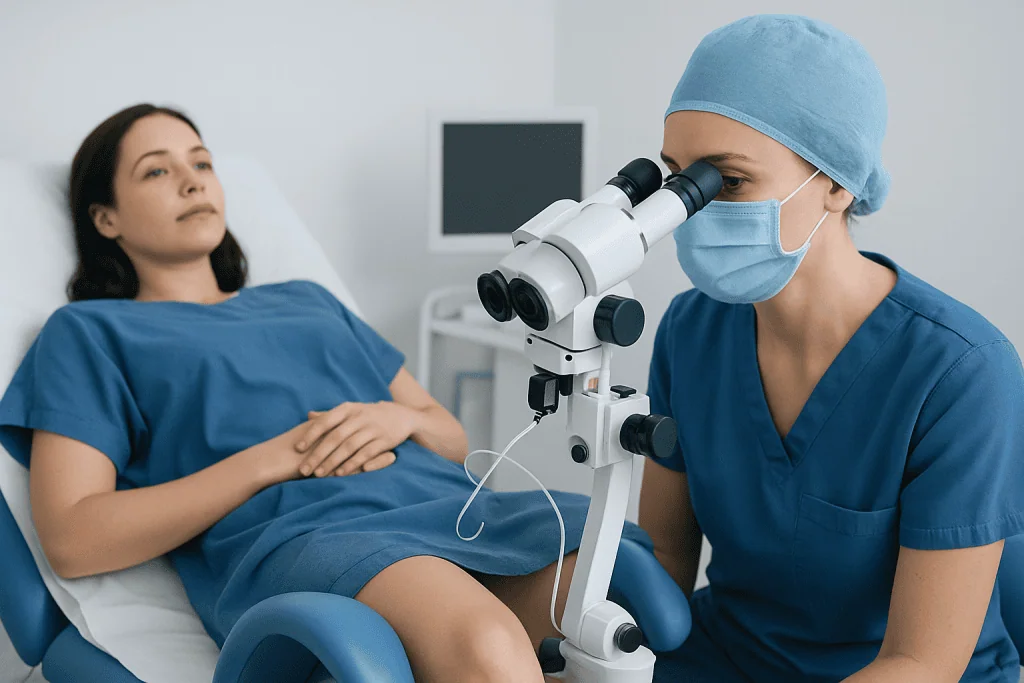
LEEP is usually advised when cervical screening tests show changes that are more than mild or when abnormal cells persist over time. It often follows an abnormal Pap smear, a positive high-risk human papillomavirus (HPV) test, and a closer examination called colposcopy. In some cases, a biopsy taken during colposcopy confirms the need for treatment.
Many cases of cervical dysplasia are related to persistent infection with high-risk HPV types. These HPV infections are common, and in many people they clear on their own. However, if the virus causes ongoing cell changes, treatment may be needed to reduce the chance of future cancer.
Doctors consider several factors before recommending LEEP, including the grade of dysplasia, age, pregnancy status, previous cervical treatments, and future pregnancy plans. Not every abnormal result requires LEEP. Some low-grade changes can be monitored safely with repeat testing instead of immediate treatment.
LEEP may be discussed alongside other evaluations for cervical cancer prevention and abnormal cervical findings. The goal is to remove the affected area while preserving as much healthy cervical tissue as possible.
What to Expect Before and During the Procedure
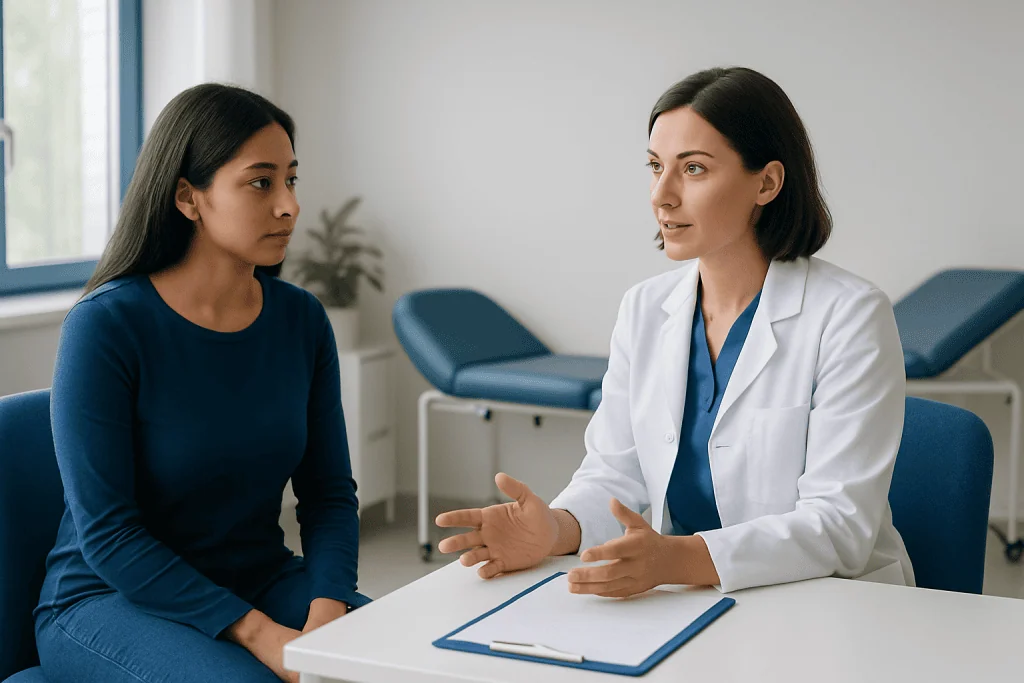
Before LEEP, the doctor reviews test results, medical history, medications, allergies, and any chance of pregnancy. Patients may be asked to schedule the procedure when they are not having a menstrual period. It is also helpful to ask about pain relief, expected recovery, and when to resume daily activities.
LEEP is usually done in a clinic or outpatient gynecology setting. The patient lies on an exam table much like during a pelvic exam. A speculum is placed in the vagina so the cervix can be seen. A local anesthetic is commonly injected into the cervix to numb the area, which may cause brief stinging or pressure.
During the procedure, the doctor may use a colposcope to guide treatment. The wire loop removes the abnormal tissue in one or more small passes. Many patients feel pressure, mild cramping, or a vibrating sensation rather than sharp pain. The procedure itself often lasts only a few minutes, although the full appointment takes longer.
Afterward, a medicated solution or paste may be applied to reduce bleeding. Some patients feel well enough to return home shortly afterward, though arranging a calm rest of the day is often wise. Related evaluations such as colposcopy may be part of the diagnostic pathway before LEEP is recommended.
How the Cervix Heals After LEEP
Cervix healing after LEEP is gradual and usually takes several weeks. In the first few days, mild cramping, light bleeding, or a brown or black discharge can be normal. This often comes from the solution used to control bleeding and from the healing tissue itself.
As the cervix repairs, a protective layer forms over the treated area. Later, this tissue naturally sheds and is replaced by healthy new cells. Because of this process, some spotting or watery discharge can continue for a few weeks. The exact amount varies from person to person.
To support healing, doctors commonly advise avoiding tampons, douching, sexual intercourse, and heavy lifting for a period of time, often around 3 to 4 weeks or according to individual instructions. These precautions help lower the chance of bleeding, irritation, and infection while the cervix closes and repairs.
Healing can be influenced by the size of the treated area, smoking, infection risk, and overall health. In most cases, the cervix heals without long-term problems. Follow-up visits are important to confirm that recovery is progressing well and that the abnormal cells were fully treated.
Recovery, Side Effects, and Possible Risks
Most patients recover from LEEP with only mild side effects. Common short-term effects include cramping similar to menstrual cramps, light bleeding, and vaginal discharge. These symptoms usually improve over days to weeks. Over-the-counter comfort measures may help, but patients should follow their doctor’s specific advice.
Like any medical procedure, LEEP has possible risks. These can include infection, heavier bleeding, delayed healing, or rarely changes to the cervix such as scarring. In some patients, especially after repeated cervical procedures, there may be a small effect on future pregnancy-related cervical function. This is one reason treatment decisions are individualized.
Patients should contact a doctor promptly if they develop heavy bleeding, fever, increasing pelvic pain, foul-smelling discharge, dizziness, or symptoms that seem to be worsening instead of improving. These signs do not always mean there is a serious problem, but they should be assessed.
For some patients, other gynecologic procedures may also be part of their broader care plan, depending on symptoms and test results. In selected situations, a specialist may discuss options such as hysteroscopy when evaluating additional uterine or cervical concerns, although this is separate from LEEP itself.
Follow-Up Testing and Long-Term Outlook
Follow-up after LEEP is essential because treatment removes abnormal cells, but it does not directly eliminate HPV. The body’s immune system may clear the virus over time, yet some patients remain at risk for recurrent cell changes. For this reason, repeat Pap testing, HPV testing, or both are usually scheduled after treatment.
The laboratory report from the removed tissue helps guide the next steps. It can show the grade of dysplasia and whether the abnormal cells appear fully removed at the edges of the specimen. Even when margins are close or positive, management depends on the full clinical picture rather than one result alone.
Most patients do very well after LEEP, especially when follow-up care is completed as advised. Continuing cervical screening remains important even after successful treatment. Early detection and timely management are the main reasons outcomes are generally favorable.
When ongoing gynecologic care is needed, patients may also have consultations in gynecology clinics for surveillance, symptom review, and preventive care. Acibadem International’s multidisciplinary specialists in JCI-accredited hospitals diagnose and treat cervical dysplasia and related gynecologic conditions for international patients.
Prevention, Self-Care, and When to See a Doctor
Although not all cervical cell changes can be prevented, several steps can lower risk. Regular cervical screening is one of the most effective tools because it can detect abnormal cells before they cause symptoms. HPV vaccination also helps protect against high-risk HPV types linked to cervical dysplasia and cervical cancer.
Self-care after LEEP focuses on rest, hydration, and following activity restrictions until the cervix has healed. Patients should use pads instead of tampons if there is bleeding or discharge and avoid inserting anything into the vagina until the doctor says it is safe. Smoking cessation is also important, as smoking is linked to persistent HPV infection and slower healing.
A doctor should be consulted if there are questions about recovery, concerns about test results, or symptoms such as bleeding after sex, unusual discharge, pelvic pain, or persistent abnormal screening tests. It is also wise to seek medical advice before trying to conceive if there is a history of cervical procedures.
Anyone with symptoms that suggest infection or significant bleeding should not wait for a routine appointment. Prompt assessment helps protect healing and ensures appropriate treatment if needed.
Frequently asked questions
Is the LEEP procedure painful?
Most patients describe LEEP as uncomfortable rather than very painful. A local anesthetic is usually used to numb the cervix, so people commonly feel pressure, mild cramping, or a brief stinging sensation from the injection. Experiences vary, and a doctor can explain pain control options in advance.
How long does it take the cervix to heal after LEEP?
Initial recovery is often quick, but full cervical healing usually takes several weeks. Light bleeding or discharge can continue during this time as the treated area repairs itself. Following post-procedure instructions helps the cervix heal properly.
Can cervical dysplasia come back after LEEP?
Yes, cervical dysplasia can return, especially if high-risk HPV infection persists. That is why follow-up Pap tests and HPV testing are so important after treatment. Many patients remain well, but continued monitoring is part of safe long-term care.
Will LEEP affect fertility or pregnancy?
Most people can become pregnant after LEEP, and many have healthy pregnancies. However, in some cases, especially after larger or repeated cervical procedures, there may be a small increased risk of cervical weakness or preterm birth. A gynecologist can discuss this in the context of future pregnancy plans.
What should be avoided after a LEEP procedure?
Patients are often advised to avoid tampons, douching, sexual intercourse, and heavy lifting for a few weeks or as directed by their doctor. These precautions reduce the chance of bleeding and infection while the cervix heals. It is important to follow the specific timeline given by the treating team.
When should someone call a doctor after LEEP?
A doctor should be contacted for heavy bleeding, fever, severe or worsening pelvic pain, foul-smelling discharge, or symptoms that feel unusual. These may signal infection or another complication that needs attention. Even if symptoms seem mild, asking for guidance is appropriate if there is concern.
References
- World Health Organization
- American College of Obstetricians and Gynecologists
- Centers for Disease Control and Prevention
- National Cancer Institute
- ASCCP
This article is for general information only and is not a substitute for professional medical advice. Please consult a qualified doctor about your individual situation.
Oncology care in Turkey — second opinion and treatment plan
JCI-accredited · board-certified surgeons · reply within 24h
Add us as a Preferred Source to see more of our trusted health content across Google Search, AI Overviews and Discover.