

Lesions on Spine: What Patients Need to Know
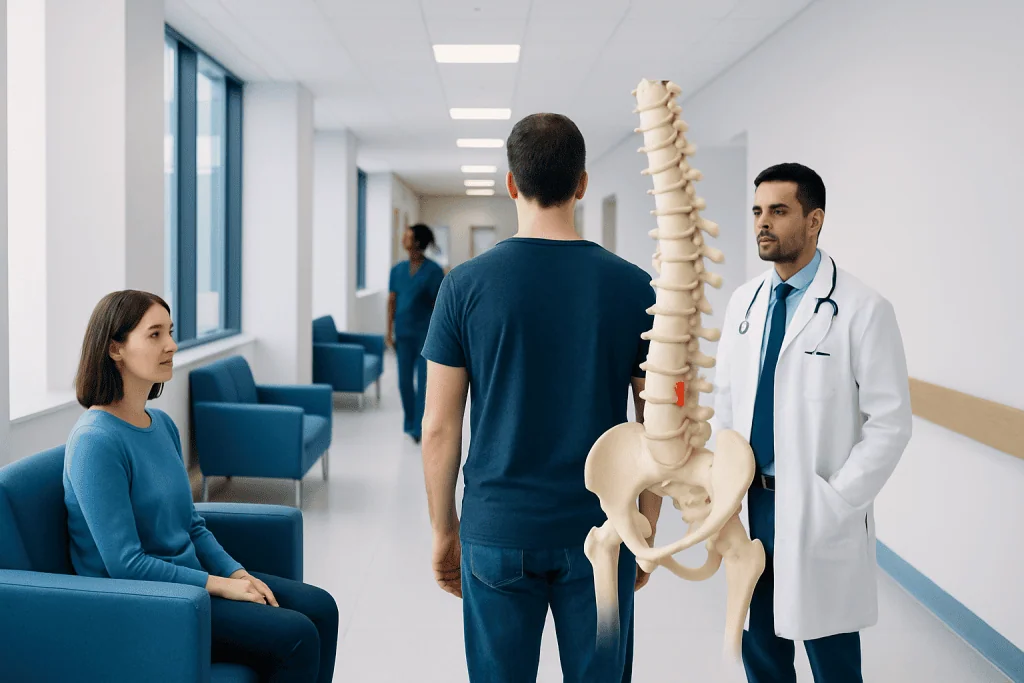
A spinal lesion is an imaging finding, not a single disease or diagnosis. The location, appearance on imaging, symptoms, and medical history help determine its likely cause.
Key Takeaways
- A spinal lesion is an imaging finding, not a single disease or diagnosis.
- The location, appearance on imaging, symptoms, and medical history help determine its likely cause.
- Many lesions are benign, including common vertebral hemangiomas and degenerative changes.
- New weakness, difficulty walking, loss of bladder or bowel control, or severe back pain requires urgent medical assessment.
- Treatment ranges from observation and symptom relief to antibiotics, radiotherapy, surgery, or cancer treatment, depending on the cause.
Lesions on spine are abnormal areas found in the vertebrae, spinal cord, surrounding tissues, or nearby structures, most often during an imaging test. They are not a diagnosis on their own: many are harmless or age-related, while others need timely investigation to identify the cause and protect spinal function.
Understanding Lesions on Spine
Lesions on spine are areas that look different from surrounding tissue on an X-ray, CT scan, MRI scan, or other imaging study. They can occur in the bones of the spine (vertebrae), the discs and joints, the spinal cord, nerve roots, or tissues around the spine. The word “lesion” simply describes an abnormal finding; it does not by itself mean cancer.
Some spinal lesions are discovered while investigating back or neck pain. Others are found incidentally when imaging is performed for another reason. Their importance varies widely. For example, a benign blood-vessel-rich area in a vertebra, an old healed injury, and age-related bone changes may require little more than review or follow-up, while infection, fracture, inflammatory disease, or a tumor may require more active care.
The most useful next step is to understand exactly where the lesion is located and what the scan shows. A clinician considers the imaging pattern together with a person’s age, symptoms, previous illnesses, history of cancer, infection risks, and blood test results. This wider assessment helps avoid assumptions based on an imaging report alone.
Where Spinal Lesions Occur and Why Location Matters
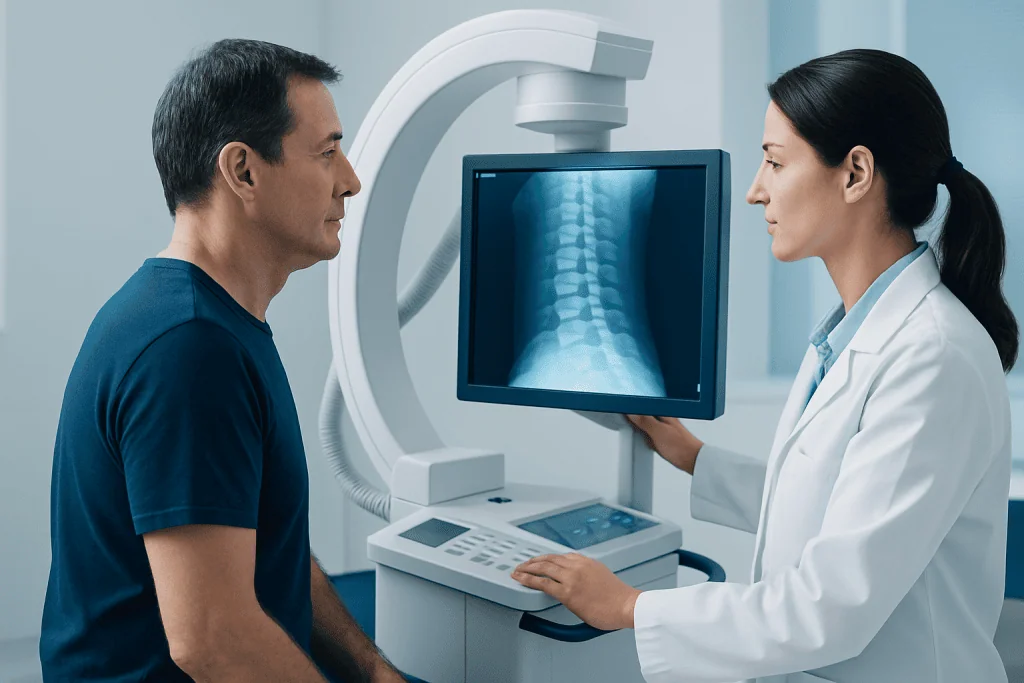
The spine is made up of bones, discs, ligaments, muscles, nerves, and the spinal cord. A lesion in a vertebral bone may have different causes and implications than one within the spinal cord or in the epidural space, which lies between the spinal cord covering and the spinal bones. Radiology reports often describe the precise level, such as cervical (neck), thoracic (mid-back), or lumbar (lower back) spine.
Lesions in the vertebrae may be related to benign growths, osteoporosis-related fractures, infection, inflammatory conditions, or cancer that began in the bone or spread from another site. Lesions affecting the spinal cord or nearby nerves can sometimes cause neurological symptoms because these structures carry signals for movement, sensation, and bladder and bowel control.
Location also affects urgency. A small, stable lesion in a bone may not cause any symptoms. In contrast, a lesion that narrows the spinal canal, weakens a vertebra, or presses on the spinal cord or nerve roots may need prompt specialist review. The report may include terms such as “compression,” “canal narrowing,” “cord signal change,” or “pathological fracture,” which should be discussed with the requesting doctor in context.
Possible Causes of Spinal Lesions
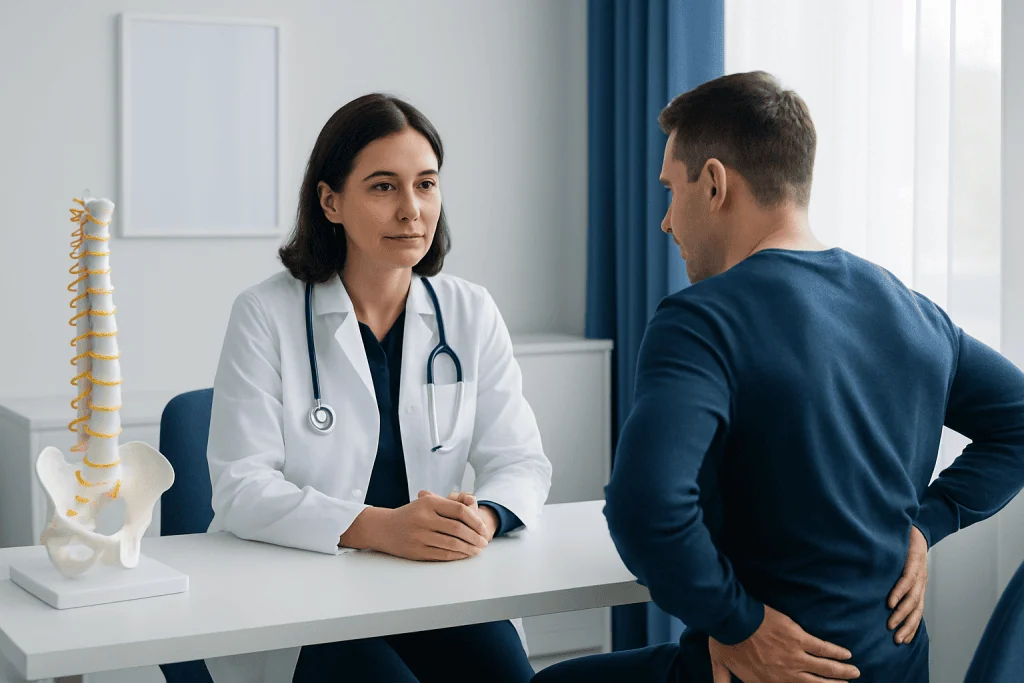
There are several broad categories of spinal lesions. Benign, non-cancerous findings are common. One example is a vertebral hemangioma, a collection of blood vessels within a spinal bone that is often found incidentally and usually causes no problems. Bone islands, cyst-like changes, and degenerative changes related to arthritis can also appear as focal abnormalities on scans.
Infections can affect the vertebrae and discs, sometimes called vertebral osteomyelitis or discitis. These conditions are more likely to be considered when back pain is persistent and accompanied by fever, recent bloodstream infection, immune suppression, recent surgery, or injection drug use. Inflammatory disorders and certain metabolic bone conditions can also produce changes that resemble lesions on imaging.
Cancer is another possible cause, but it is not the most likely explanation for every lesion. Some cancers can spread to the spine, and less commonly, tumors may arise in spinal bone, spinal cord, or nearby tissues. Doctors look for features such as lesion pattern, growth, bone destruction, multiple areas of involvement, and a personal history of cancer. Further imaging, laboratory tests, or a biopsy may be needed when the cause remains uncertain.
- Benign bone or blood-vessel lesions
- Degenerative joint, disc, or endplate changes
- Trauma, compression fractures, or healing injuries
- Infection or inflammatory disease
- Primary spinal tumors or cancer spread from another organ
Symptoms That May Be Associated With a Spinal Lesion
Many lesions on spine do not cause symptoms and are found by chance. When symptoms occur, they depend more on the lesion’s location, size, and effect on nearby structures than on the word “lesion” itself. Back or neck pain is common in the general population and does not automatically indicate that an imaging finding is the source of pain.
A lesion affecting a nerve root may contribute to pain that travels into an arm or leg, tingling, numbness, or weakness. A lesion that affects the spinal cord can lead to changes in balance, walking, coordination, hand function, or leg stiffness. Symptoms may develop gradually or, in some situations, appear more quickly.
Clinicians pay particular attention to pain that is persistent, worsening, unexplained, or different from previous back pain. They also ask about night pain, unintended weight loss, fever, fatigue, recent infection, trauma, and a previous cancer diagnosis. These features do not confirm a serious cause, but they help determine whether further assessment should be expedited.
How Doctors Evaluate Spinal Lesions
Evaluation usually begins with a medical history and physical examination. The clinician asks about the timing and pattern of pain, neurological symptoms, injuries, recent infections, medicines, and relevant conditions. During the examination, they may assess posture, spinal tenderness, muscle strength, reflexes, sensation, walking, and coordination.
MRI is often the most informative test for assessing the spinal cord, nerves, discs, bone marrow, and soft tissues. CT may provide clearer detail of bone structure and fractures, while X-rays can show alignment and some bone changes. Depending on the situation, additional tests may include blood tests for infection or inflammation, a bone scan, PET scan, or imaging of another body area.
Not every lesion requires a biopsy. When imaging has a typical benign appearance and there are no concerning symptoms, follow-up imaging may be sufficient. If a lesion is unclear, appears aggressive, or could change treatment decisions, a specialist may recommend a carefully planned biopsy to examine tissue. The goal is to reach an accurate diagnosis while avoiding unnecessary procedures.
Treatment Options and Follow-Up
Treatment for lesions on spine depends entirely on the underlying cause, symptoms, and whether the lesion threatens spinal stability or neurological function. Benign findings that are not causing symptoms may need no treatment. A doctor may recommend observation with repeat imaging if there is uncertainty about stability or if the appearance should be monitored over time.
When pain is linked to degenerative changes or a stable benign lesion, care may include activity modification, physical therapy, non-prescription or prescription pain relief when appropriate, and rehabilitation. Treatment plans should be individualized, especially for people with kidney disease, stomach ulcers, blood-thinning medication, or other health conditions that can affect medication choices.
Infections are usually treated with targeted antimicrobial medication and may occasionally require drainage or surgery. Cancer-related lesions may be managed through a combination of oncology treatment, radiotherapy, medicines to support bone health, and surgery when stabilization or pressure relief is needed. Surgery may also be considered for an unstable fracture, progressive neurological symptoms, or spinal cord compression. Acibadem International’s multidisciplinary specialists and JCI-accredited hospitals assess and treat spinal conditions for international patients when coordinated care is needed.
When to Seek Medical Care
Anyone told they have a spinal lesion should arrange a discussion with the doctor who ordered the scan or an appropriate specialist. This is particularly important when the report recommends further imaging, comparison with previous scans, laboratory testing, or specialist referral. Keeping copies of imaging reports and previous scans can help clinicians compare changes over time.
Urgent medical assessment is needed for new or worsening weakness in an arm or leg, trouble walking, numbness around the groin or buttocks, or new loss of bladder or bowel control. Immediate assessment is also important for severe back pain with fever, significant pain after trauma, rapidly worsening symptoms, or back pain in a person with a known cancer history. These symptoms can have different causes, but prompt evaluation helps protect neurological function.
For people without urgent warning signs, it is reasonable to ask clear questions at the appointment: What structure contains the lesion? Does its appearance look benign or uncertain? Could it explain the symptoms? Are further tests needed, and what changes should prompt earlier review? A clear plan for follow-up can reduce uncertainty and support safe care.
Frequently asked questions
Are lesions on spine always cancer?
No. A spinal lesion is a descriptive imaging term and can represent many benign or non-cancerous conditions, including blood-vessel lesions, age-related changes, injury-related changes, or inflammation. Cancer is one possible cause, but the scan appearance, symptoms, and medical history are needed to judge the likelihood.
Can a spinal lesion cause back pain?
It can, but not all lesions cause pain. Back pain is very common and may arise from muscles, discs, joints, or other structures unrelated to an incidental finding. A clinician can help determine whether the lesion’s location and features match the person’s symptoms.
What does a lesion on an MRI of the spine mean?
It means MRI has identified an area that differs from nearby normal tissue. MRI is sensitive to changes in bone marrow, nerves, spinal cord, discs, and soft tissues, but the finding may need correlation with other images, symptoms, and sometimes blood tests. The radiology report usually provides clues about whether the appearance is likely benign or needs further assessment.
Do all spinal lesions need a biopsy?
No. Many lesions have a characteristic benign appearance and can be safely observed or followed with imaging. A biopsy is generally considered only when imaging cannot establish the cause, when there are concerning features, or when tissue confirmation would guide treatment.
What symptoms suggest a spinal lesion may be urgent?
Urgent symptoms include new weakness, increasing difficulty walking, numbness in the groin or saddle area, and loss of bladder or bowel control. Severe worsening back pain with fever, symptoms after significant trauma, or pain in someone with a history of cancer should also be assessed promptly. These signs do not identify the cause on their own, but they warrant timely medical review.
Can benign spinal lesions become dangerous?
Most benign spinal lesions remain stable and do not become dangerous. However, a lesion may need closer attention if it grows, weakens a vertebra, causes a fracture, narrows the spinal canal, or presses on nerves or the spinal cord. Recommended follow-up imaging helps identify meaningful changes.
References
- American College of Radiology
- National Institute of Neurological Disorders and Stroke
- National Cancer Institute
- American Association of Neurological Surgeons
- Merck Manual Consumer Version
This article is for general information only and is not a substitute for professional medical advice. Please consult a qualified doctor about your individual situation.
Joint and spine care in Turkey — expert assessment & treatment
JCI-accredited · board-certified surgeons · reply within 24h
Add us as a Preferred Source to see more of our trusted health content across Google Search, AI Overviews and Discover.

More from the Health Library

Related Specialists

Dr. Mehmet Soner Sarmaşık
Pediatrics
Dr. Teoman Şen
Pediatric Surgery
Prof. Dr. Oya Yönal
Gastroenterology
Dr. Ali Doruk Hacıoğlu
General Surgery