Less Bleeding During Periods: What Is Normal, What Is Not, and When to Seek Care

A lighter-than-usual period is not always a sign of illness and can occur naturally. Pregnancy, stress, weight changes, exercise, and hormonal contraception are common reasons for reduced menstrual flow.
Key Takeaways
- A lighter-than-usual period is not always a sign of illness and can occur naturally.
- Pregnancy, stress, weight changes, exercise, and hormonal contraception are common reasons for reduced menstrual flow.
- Persistent changes in menstrual bleeding, especially with pain, missed periods, or infertility concerns, deserve medical assessment.
- Doctors evaluate light periods by reviewing cycle patterns, symptoms, medicines, and sometimes blood tests or ultrasound.
- Treatment depends on the cause and may range from reassurance and lifestyle changes to hormonal treatment or care for an underlying condition.
Less bleeding during periods is often harmless and may happen because of age, stress, hormonal birth control, or natural month-to-month variation. However, a noticeably lighter period can sometimes signal pregnancy, hormonal imbalance, or an underlying health condition, especially if the change is new, persistent, or occurs with other symptoms.
Overview: Is Less Bleeding During Periods Normal?
Less bleeding during periods can be normal. Menstrual flow naturally varies from person to person and even from one cycle to the next, so a lighter period does not always mean there is a health problem. In many cases, reduced bleeding is linked to life stage, stress, weight change, exercise habits, or hormonal birth control.
At the same time, a noticeable change in flow may sometimes be a clue that something else is affecting the menstrual cycle. Pregnancy, breastfeeding, perimenopause, thyroid disorders, polycystic ovary syndrome, and changes in the uterine lining are among the possible explanations. The key question is not only whether the bleeding is light, but whether it is a new pattern, persistent, or accompanied by other symptoms.
Doctors sometimes describe very light menstrual bleeding as “hypomenorrhea.” This term simply means periods that are shorter or lighter than expected. A person may notice only a small amount of bleeding, spotting instead of a full flow, fewer days of bleeding, or a much lighter need for pads or tampons than usual.
Because there is a wide range of normal, the best reference point is often the individual’s own cycle history. If periods have always been light and regular, that may be normal for that person. If less bleeding during periods is a new change, especially over several months, it is reasonable to seek medical advice.
What Light Menstrual Bleeding Can Look Like
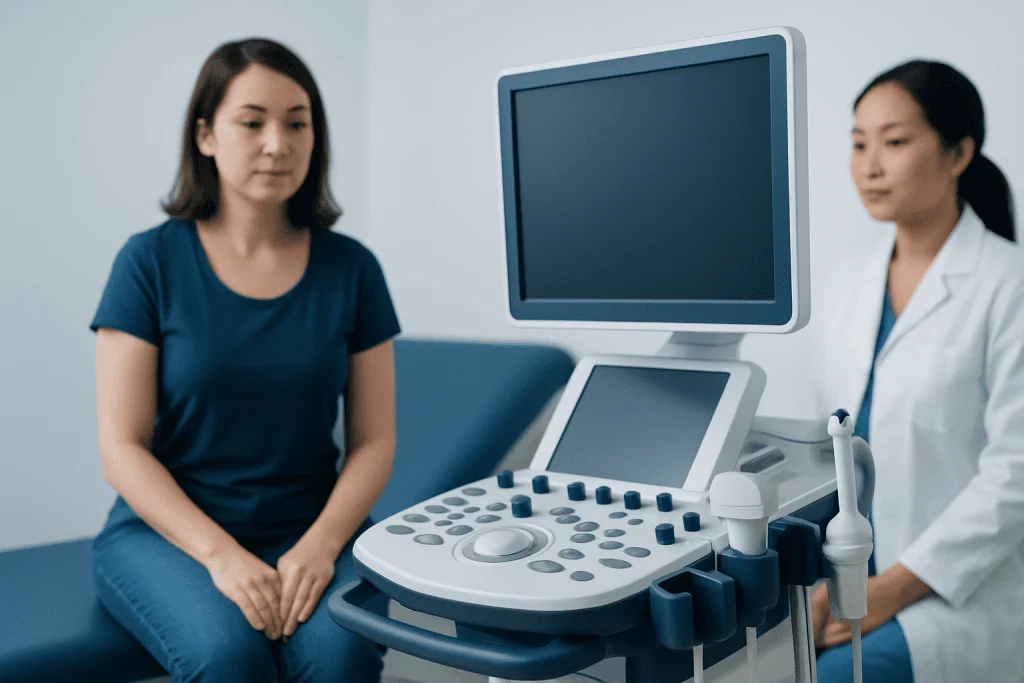
A light period may appear in different ways. Some people bleed for only one or two days instead of their usual three to seven. Others still have a period every month, but the amount of blood is clearly reduced. Some notice mostly brown discharge or light spotting rather than a steady red flow.
Light bleeding can still fall within a healthy range if cycles remain fairly regular and there are no troubling symptoms. Menstrual flow often changes temporarily after illness, travel, emotional stress, major routine changes, or shifts in sleep patterns. Hormonal contraceptives, including pills, hormonal intrauterine devices, implants, and injections, are also well known to make periods lighter.
It may help to track the following details for a few months:
- How many days bleeding lasts
- How often pads, tampons, or menstrual products need changing
- Whether there is spotting between periods
- The color of the blood, such as bright red, dark red, or brown
- Any associated symptoms such as cramps, pelvic pain, acne, weight change, hot flashes, or fatigue
This type of record can be very useful during a medical appointment. It helps distinguish a temporary variation from a pattern that may need evaluation.
Common Causes of Less Bleeding During Periods
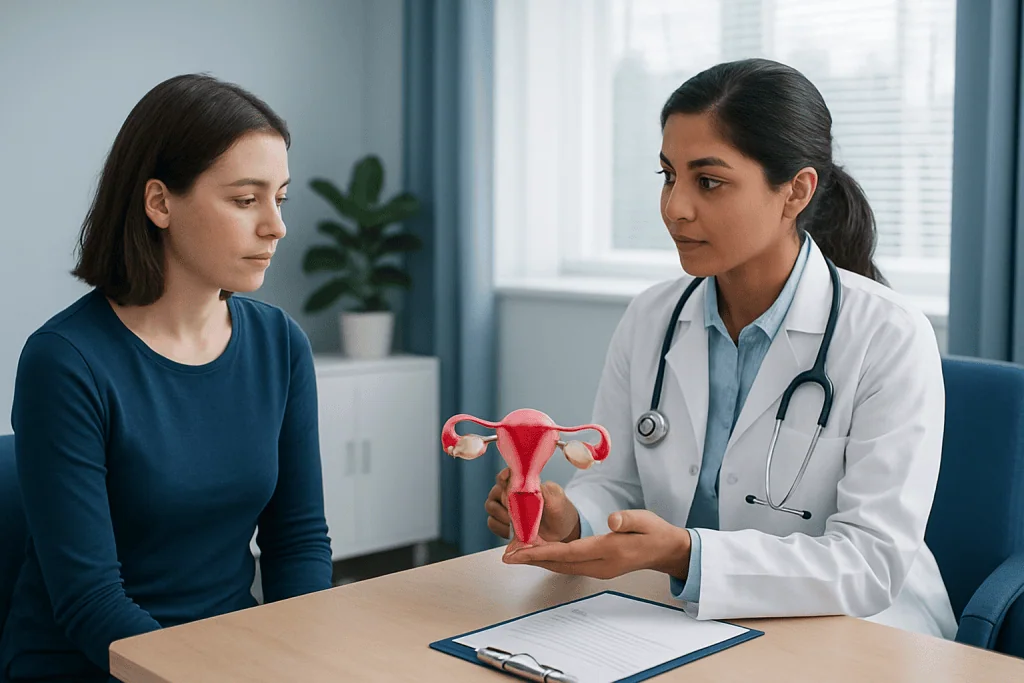
One of the most common reasons for less bleeding during periods is hormonal change. Hormones control ovulation and the buildup of the uterine lining. If less lining forms during a cycle, there is often less blood to shed. This can happen naturally in adolescence, during breastfeeding, and in the years leading up to menopause.
Hormonal contraception is another frequent cause. Birth control pills, hormonal IUDs, injections, patches, rings, and implants can thin the uterine lining and reduce bleeding. For many people, this is an expected effect rather than a problem. In some cases, periods may become so light that there is only spotting or no bleeding at all.
Lifestyle factors can also play a role. Emotional stress, rapid weight loss, low body weight, eating disorders, and intense physical training may disrupt the signals between the brain and ovaries. This can reduce ovulation or stop it temporarily, leading to lighter periods or missed periods. Thyroid disorders and elevated prolactin levels can have similar effects because they influence hormone balance.
Other causes include conditions that affect ovulation or the uterus. These may include polycystic ovary syndrome, premature ovarian insufficiency, uterine scarring after surgery or infection, and sometimes chronic medical illness. In early pregnancy, what seems like a light period may actually be bleeding unrelated to menstruation, which is why pregnancy testing may be advised when periods suddenly become unusually light.
When a Lighter Period May Need Medical Evaluation
A lighter period deserves more attention when it represents a clear change from the usual pattern and continues over time. This is especially true if periods become irregular, disappear for several months, or are linked with difficulty conceiving. Reduced bleeding can occasionally be one piece of a broader hormonal or gynecologic issue.
Symptoms that may suggest a need for assessment include pelvic pain, severe cramping, unusual vaginal discharge, bleeding between periods, hot flashes, milky nipple discharge, unwanted facial hair growth, acne, or major weight changes. These features can point toward endocrine, ovarian, or uterine causes rather than simple month-to-month variation.
Pregnancy should also be considered if there has been unprotected sex and the period is much lighter than expected. A light bleed does not rule out pregnancy. For that reason, a home pregnancy test or medical evaluation can be important when there is any uncertainty.
People with a history of uterine procedures, miscarriage management, cesarean delivery, or pelvic infection should mention this to their doctor. In some situations, scarring inside the uterus can contribute to reduced menstrual flow and may require specialist evaluation.
How Doctors Diagnose the Cause
Diagnosis starts with a careful history. A doctor will usually ask about the timing of cycles, how flow has changed, whether there are missed periods, recent stress, exercise level, diet changes, current medicines, contraceptive use, and the possibility of pregnancy. They may also ask about fertility goals, past surgeries, and symptoms such as hair loss, acne, or temperature sensitivity.
A physical examination may be recommended, especially if there are signs of hormonal imbalance or pelvic symptoms. Depending on the situation, tests may include a pregnancy test, blood tests for thyroid function, reproductive hormones, iron status, or prolactin levels. If cycles are irregular or there is concern about ovulation, additional hormone testing may be suggested.
Pelvic ultrasound is commonly used when doctors want to look at the ovaries, uterus, and uterine lining. This can help identify conditions such as ovarian cysts, fibroids, lining abnormalities, or features of endometriosis when pain is also present. In selected cases, further procedures may be used to evaluate the inside of the uterus.
The aim of testing is not simply to label a light period as abnormal, but to understand whether the change reflects normal physiology, a medication effect, or a treatable condition. In many people, evaluation is straightforward and reassuring.
Treatment Options and What to Expect
Treatment depends entirely on the cause. If less bleeding during periods is due to hormonal birth control and the person is otherwise well, treatment may not be needed. Some choose to continue because lighter periods can be convenient and safe. Others may wish to discuss changing the contraceptive method if the bleeding pattern is bothersome.
When a hormonal imbalance is found, care may focus on correcting the underlying issue. This might involve managing thyroid disease, adjusting exercise and nutrition, addressing stress, or treating conditions that affect ovulation. If an underlying gynecologic disorder is present, treatment is tailored to symptoms, age, and plans for pregnancy.
In some cases, doctors may recommend imaging follow-up or procedures if they suspect structural problems within the uterus. For selected patients, further evaluation and minimally invasive care may be considered through services such as gynecology or obstetrics and gynecology. If light periods are part of a fertility concern, management may also include ovulation assessment and reproductive guidance.
For people whose reduced bleeding is linked with conditions such as ovarian cysts or hormone-related disorders, treatment often improves the broader menstrual pattern over time. Near the end of the care pathway, some international patients may seek assessment at centers such as Acibadem International, where multidisciplinary specialists in JCI-accredited hospitals diagnose and treat gynecologic and hormonal conditions.
Self-care, Cycle Tracking, and Prevention
Not every cause of light periods can be prevented, but general habits that support hormonal health may help keep cycles more stable. These include regular meals, adequate sleep, stress management, and exercise that is balanced rather than extreme. Sudden weight loss or very restrictive eating can affect ovulation and menstrual flow, so maintaining good nutrition is important.
Cycle tracking is one of the most useful self-care tools. A simple calendar or app can help record start dates, duration, flow level, pain, spotting, and associated symptoms. Patterns often become clearer over two or three months and can help a doctor decide whether the change is likely temporary or needs testing.
People using hormonal contraception should know that lighter periods are often an expected effect. It is still worth asking a clinician if the bleeding pattern changes abruptly after a long period of stability, or if there are symptoms such as pain or dizziness. Those trying to conceive should also seek guidance if periods become persistently light or irregular.
General preventive healthcare matters as well. Routine gynecologic reviews, appropriate screening, and timely evaluation of thyroid symptoms, pelvic pain, or cycle changes can all help detect underlying issues early. When needed, imaging and supportive specialty care, including fertility evaluation and treatment, may be part of a wider plan.
When to Seek Medical Care
Medical care is advisable if less bleeding during periods is a new pattern that lasts for several cycles, if periods stop completely, or if pregnancy is possible. It is also wise to seek advice when light bleeding occurs together with pelvic pain, fainting, marked fatigue, hot flashes, nipple discharge, or symptoms of hormonal imbalance.
Urgent care may be needed for severe pelvic pain, heavy bleeding after a period of unusually light bleeding, signs of pregnancy complications, or symptoms such as dizziness and weakness. Although light periods are often not serious, severe pain or sudden concerning symptoms should not be ignored.
A clinician can help decide whether the change reflects normal variation, a medication effect, or a condition that needs treatment. Early assessment can also be helpful for those planning pregnancy, because regular ovulation is closely linked to menstrual patterns.
Overall, a lighter period is often manageable and sometimes entirely normal. The most useful approach is to notice changes, track them, and seek professional input when the pattern is persistent, unexplained, or associated with other symptoms.
Frequently asked questions
Is less bleeding during periods always a problem?
No. Some people naturally have light periods, and flow can become lighter because of stress, age, or hormonal birth control. A lighter period becomes more important to assess when it is a new change, continues over several cycles, or happens with other symptoms.
Can pregnancy cause a very light period?
Yes. Some people mistake early pregnancy bleeding or spotting for a light period. If there is any chance of pregnancy, especially after unprotected sex, taking a pregnancy test is a sensible first step.
Do birth control methods make periods lighter?
They often do. Hormonal methods such as pills, implants, injections, and hormonal IUDs can thin the uterine lining, which usually reduces menstrual bleeding. For many users, this is an expected and safe effect.
Can stress or exercise change menstrual flow?
Yes. High stress, intense training, low calorie intake, and rapid weight loss can all disrupt hormone signals that regulate ovulation and menstruation. This may lead to lighter periods, irregular cycles, or missed periods.
When should someone with light periods see a doctor?
A doctor should be consulted if light periods are new, persist for several months, or are associated with pain, missed periods, infertility concerns, or symptoms such as hot flashes or unusual discharge. Medical advice is also important if pregnancy is possible.
How is the cause of a light period diagnosed?
Doctors usually begin with a review of cycle history, symptoms, medications, and contraceptive use. Depending on the situation, they may recommend a pregnancy test, blood tests, or pelvic ultrasound to check for hormonal or uterine causes.
References
- American College of Obstetricians and Gynecologists
- Office on Women's Health
- National Institute for Health and Care Excellence
- Mayo Clinic
- World Health Organization
This article is for general information only and is not a substitute for professional medical advice. Please consult a qualified doctor about your individual situation.
Explore treatments in Turkey — costs, top hospitals & a free quote
JCI-accredited · board-certified surgeons · reply within 24h
Add us as a Preferred Source to see more of our trusted health content across Google Search, AI Overviews and Discover.
Check your numbers in seconds
BMI, calories, due date, blood pressure and 30+ more clinical calculators — free, instant, doctor-reviewed ranges.