

Leukemia: Symptoms, Diagnosis, and Treatment Approaches

Leukemia can be acute or chronic, and it may involve lymphoid or myeloid blood cells. Common symptoms include fatigue, frequent infections, easy bruising or bleeding, fever, night sweats, and unexplained weight loss.
Key Takeaways
- Leukemia can be acute or chronic, and it may involve lymphoid or myeloid blood cells.
- Common symptoms include fatigue, frequent infections, easy bruising or bleeding, fever, night sweats, and unexplained weight loss.
- Diagnosis usually involves blood tests, bone marrow examination, genetic testing, and imaging when needed.
- Treatment may include chemotherapy, targeted therapy, immunotherapy, stem cell transplantation, radiation therapy, or careful monitoring in selected cases.
- People with persistent or unexplained symptoms should consult a qualified doctor for assessment and appropriate testing.
Leukemia is a group of blood cancers that usually begin in the bone marrow and affect the production and function of white blood cells. With modern diagnostic tools and individualized treatment plans, many people can receive effective care tailored to the type and stage of leukemia.
Overview
Leukemia is a type of cancer that affects the blood-forming tissues of the body, especially the bone marrow and lymphatic system. In healthy bone marrow, immature cells develop into red blood cells, white blood cells, and platelets in a controlled way. In leukemia, abnormal blood cells grow and multiply in an uncontrolled manner, which can crowd out healthy blood cells and interfere with normal blood function.
There are several types of leukemia. They are commonly classified by how quickly the disease progresses and which type of white blood cell is involved. Acute leukemia develops rapidly and usually requires prompt treatment. Chronic leukemia often progresses more slowly and may be found during routine blood tests before symptoms appear. The main types are acute lymphoblastic leukemia, acute myeloid leukemia, chronic lymphocytic leukemia, and chronic myeloid leukemia.
Leukemia is not a single disease, and treatment differs significantly from one person to another. Age, overall health, leukemia subtype, genetic changes in the cancer cells, blood counts, symptoms, and response to early treatment all help guide care. A hematologist or hematology-oncology specialist is usually the main doctor involved in diagnosis and treatment planning.
Leukemia Symptoms

Leukemia symptoms can vary depending on the type of leukemia, how quickly it develops, and how much healthy blood cell production is affected. Some symptoms are mild at first and may resemble common infections or general tiredness. This is why persistent, unexplained, or worsening symptoms should be evaluated by a doctor rather than ignored.
Symptoms often occur because the body has too few healthy red blood cells, white blood cells, or platelets. Low red blood cell levels can cause anemia, leading to fatigue, weakness, pale skin, shortness of breath, or dizziness. Low platelet levels may cause easy bruising, frequent nosebleeds, bleeding gums, or small red or purple spots on the skin. Abnormal white blood cells may not fight infection properly, so recurrent infections or fevers can occur.
Possible leukemia symptoms include:
- Ongoing fatigue or weakness
- Fever, chills, or frequent infections
- Easy bruising or unusual bleeding
- Night sweats
- Unexplained weight loss or reduced appetite
- Swollen lymph nodes, enlarged spleen, or abdominal fullness
- Bone or joint pain
- Shortness of breath or paleness related to anemia
These symptoms do not always mean leukemia is present. Many common conditions can cause similar problems. However, symptoms that persist, recur, or appear together should be checked with appropriate medical tests.
Causes and Risk Factors
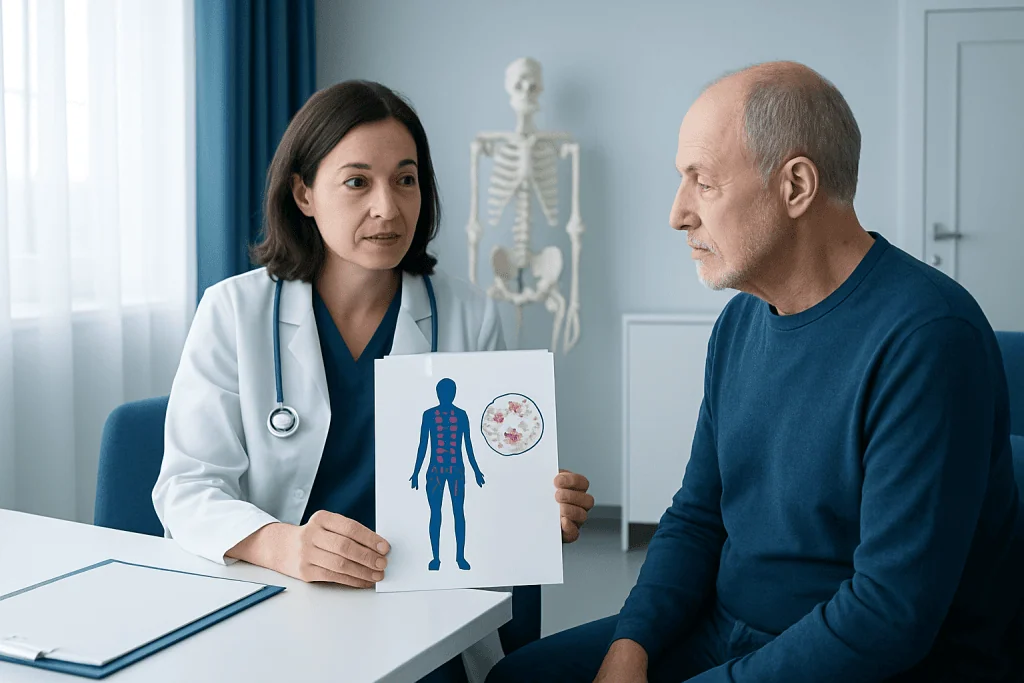
Leukemia develops when genetic changes occur in blood-forming cells, allowing them to grow abnormally and avoid the body’s usual controls. In most cases, the exact reason these changes happen is not known. Leukemia is generally not considered contagious, and it cannot be passed from one person to another through everyday contact.
Some factors are known to increase the risk of certain types of leukemia, although having a risk factor does not mean a person will develop the disease. Likewise, many people diagnosed with leukemia have no clear risk factor. Risk varies by leukemia subtype and by individual health history.
Recognized risk factors may include:
- Previous treatment with certain chemotherapy medicines or radiation therapy
- High-level exposure to ionizing radiation
- Exposure to certain chemicals, such as benzene, in occupational or environmental settings
- Smoking, especially in relation to acute myeloid leukemia risk
- Certain genetic conditions, such as Down syndrome
- Family history of some blood cancers, particularly in selected chronic leukemia types
- Some blood disorders that can increase the risk of acute myeloid leukemia
Risk assessment is most useful when discussed with a healthcare professional, especially for people with prior cancer treatment, inherited conditions, or abnormal blood counts. Most people do not need routine leukemia screening unless they have specific medical reasons for closer monitoring.
Diagnosis
Leukemia diagnosis usually begins with a medical history, physical examination, and blood tests. A complete blood count can show whether red blood cells, white blood cells, or platelets are higher or lower than expected. A blood smear may be examined under a microscope to look for abnormal or immature blood cells. These results help doctors decide whether further testing is needed.
A bone marrow aspiration and biopsy are often important for confirming leukemia and identifying the exact type. During this procedure, a small sample of bone marrow is usually taken from the hip bone and examined in a laboratory. The sample can show how many abnormal cells are present and whether normal blood cell production has been affected.
Additional tests help classify leukemia more precisely. Flow cytometry can identify markers on the surface of leukemia cells. Cytogenetic and molecular tests can detect chromosome changes and gene mutations that may affect prognosis and treatment choices. For example, certain genetic findings can guide the use of targeted therapy in specific leukemia types.
Imaging tests, such as ultrasound, CT, MRI, or X-ray, may be used in selected cases to assess swollen lymph nodes, organ enlargement, infection, or complications. Lumbar puncture may be recommended for some types of acute leukemia to check whether leukemia cells are present in the fluid around the brain and spinal cord. Diagnosis is therefore not based on one test alone but on a combination of clinical and laboratory findings.
Treatment Options
Leukemia treatment is highly individualized. The best approach depends on the leukemia subtype, whether it is acute or chronic, genetic test results, age, overall health, symptoms, and treatment goals. Some people need immediate treatment, while others with slow-growing leukemia may be monitored carefully before treatment is started.
Chemotherapy uses medicines to destroy rapidly dividing leukemia cells and remains an important treatment for many acute leukemias. Treatment may be given in phases, such as induction therapy to achieve remission, consolidation therapy to reduce the risk of recurrence, and maintenance therapy in selected leukemias. Chemotherapy can affect healthy cells as well, so supportive care is essential to manage side effects and reduce infection risk.
Targeted therapies act on specific changes or pathways in leukemia cells. These treatments are especially important in chronic myeloid leukemia and in some cases of acute lymphoblastic leukemia, chronic lymphocytic leukemia, and acute myeloid leukemia. Immunotherapy helps the immune system recognize or attack cancer cells and may include monoclonal antibodies, immune-based medicines, or cellular therapies in selected patients.
Stem cell transplantation, sometimes called bone marrow transplantation, may be considered for certain high-risk or relapsed leukemias. It involves replacing diseased or damaged bone marrow with healthy blood-forming stem cells, usually after intensive treatment. Radiation therapy is less commonly used for leukemia than for many solid tumors, but it may be helpful in specific situations, such as treating disease in the central nervous system or preparing for transplantation.
Supportive Care and Living With Leukemia
Supportive care is a central part of leukemia treatment. It aims to prevent and manage complications, maintain quality of life, and help patients continue treatment as safely as possible. This may include blood transfusions, medicines to prevent or treat infections, treatment for nausea or pain, nutritional support, and monitoring of kidney, liver, and heart function when relevant.
Because leukemia and its treatments can weaken the immune system, infection prevention is important. Patients may be advised to report fever promptly, practice careful hand hygiene, avoid close contact with people who are ill, and follow food safety guidance. Vaccination advice should be discussed with the treating team, because some vaccines may not be suitable during periods of immune suppression.
Emotional and practical support also matters. A leukemia diagnosis can affect work, school, family routines, fertility planning, finances, and mental wellbeing. Patients may benefit from speaking with oncology nurses, psychologists, social workers, dietitians, rehabilitation specialists, and fertility experts when appropriate. Good communication with the care team can help patients understand their treatment plan and participate in decisions.
People receiving leukemia care should avoid starting supplements, herbal products, or alternative therapies without medical advice, as some can interact with cancer medicines or increase bleeding and infection risks. Balanced nutrition, gentle physical activity when approved, adequate rest, and attention to emotional health can support overall wellbeing during and after treatment.
Follow-Up, Prevention, and When to See a Doctor
There is no guaranteed way to prevent leukemia, and many cases occur without a known cause. General risk-reduction steps include avoiding tobacco, following workplace safety measures when exposed to chemicals, and attending recommended follow-up after previous chemotherapy or radiation therapy. People with known inherited syndromes or blood disorders should follow specialist guidance for monitoring.
After treatment, follow-up visits are important to monitor blood counts, check for side effects, assess treatment response, and look for signs of recurrence. The frequency and type of follow-up depend on the leukemia subtype and treatment received. Some people need long-term monitoring for late effects of treatment, including heart, hormone, fertility, bone health, or secondary cancer risks.
A doctor should be consulted if a person develops persistent fatigue, unexplained bruising or bleeding, repeated infections, ongoing fever, night sweats, swollen lymph nodes, bone pain, or unexplained weight loss. People already diagnosed with leukemia should seek urgent medical advice for fever, signs of infection, unusual bleeding, severe weakness, chest pain, confusion, or shortness of breath.
International patients seeking evaluation or treatment may be cared for by multidisciplinary specialists in hematology, oncology, diagnostics, transplantation, and supportive care. Acibadem International’s JCI-accredited hospitals diagnose and treat leukemia through coordinated specialist teams, with care plans adapted to each patient’s medical needs.
Frequently asked questions
What is leukemia?
Leukemia is a cancer of the blood-forming tissues, most often the bone marrow. It causes abnormal blood cells to grow and multiply, which can interfere with healthy red blood cells, white blood cells, and platelets. The exact behavior and treatment depend on the leukemia type.
Is leukemia curable?
Some types of leukemia can be cured, while others are managed as long-term conditions. Outcomes depend on the leukemia subtype, genetic features, age, general health, and response to treatment. A specialist can explain the realistic goals of treatment for an individual patient.
How is leukemia diagnosed?
Diagnosis usually involves a complete blood count, blood smear, and bone marrow examination. Additional tests, such as flow cytometry and genetic or molecular testing, help identify the exact subtype and guide treatment. Imaging or lumbar puncture may be used in selected cases.
What are the early signs of leukemia?
Early signs may include unusual tiredness, frequent infections, easy bruising, nosebleeds, fever, night sweats, or unexplained weight loss. These symptoms can also occur with many non-cancer conditions. Persistent or unexplained symptoms should be assessed by a doctor.
What treatments are used for leukemia?
Treatment may include chemotherapy, targeted therapy, immunotherapy, stem cell transplantation, radiation therapy, or careful monitoring. The choice depends on the leukemia type and individual health factors. Supportive care is also important to manage symptoms and treatment side effects.
Can leukemia be found during a routine blood test?
Yes, some cases, especially chronic leukemias, are first suspected after routine blood tests show abnormal blood cell counts. A routine test cannot fully diagnose leukemia, but it can indicate the need for further evaluation. Confirmation usually requires specialist tests, often including bone marrow examination.
References
- World Health Organization
- National Cancer Institute
- American Cancer Society
- European Society for Medical Oncology
- Leukemia & Lymphoma Society
This article is for general information only and is not a substitute for professional medical advice. Please consult a qualified doctor about your individual situation.
Leukemia in Turkey — costs, top hospitals & a free quote
JCI-accredited · board-certified surgeons · reply within 24h
Add us as a Preferred Source to see more of our trusted health content across Google Search, AI Overviews and Discover.

Medical Oncology Department
Medical treatment of cancer with chemotherapy, immunotherapy and targeted therapies under a multidisciplinary tumor board.
60 specialists in this unitMore from the Health Library



Related Specialists

Prof. Dr. Demet Etit
Pathology
Assoc. Prof. Dr. Gökhan Karademir
Orthopedic Surgery & Traumatology
Dr. Hamza Furkan Şen
Gynecology & Obstetrics
Prof. Dr. Ferda Kahveci
Anesthesiology