Leukemia Symptoms in Adults and Children: When to Get Checked
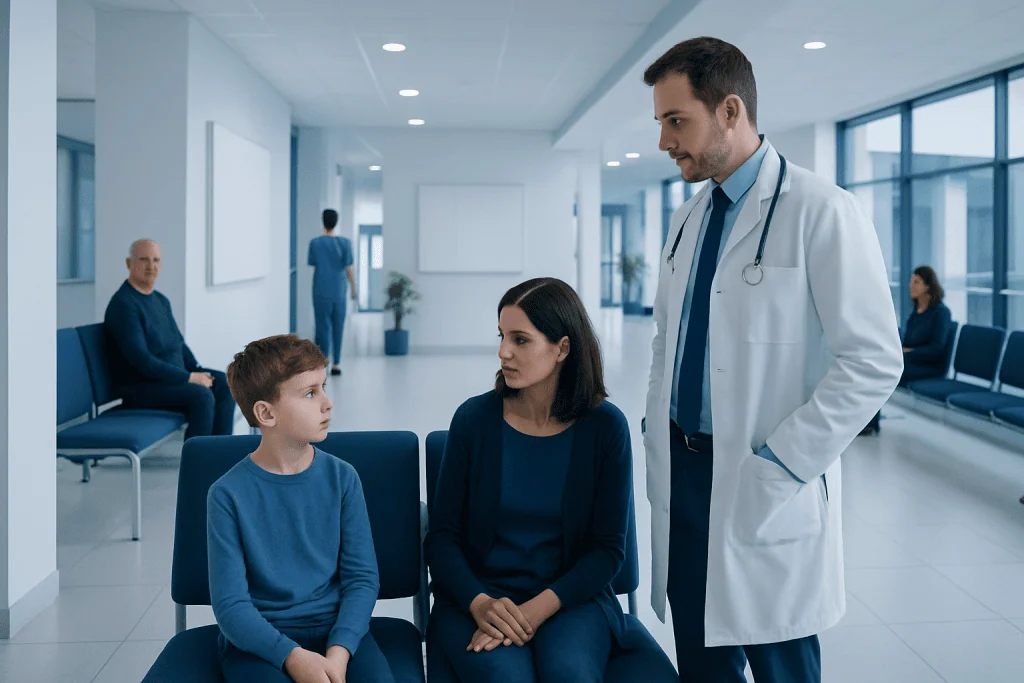
Common leukemia symptoms include tiredness, frequent infections, easy bruising or bleeding, fever, and bone pain. Symptoms can be similar in adults and children, but children may also show irritability, reduced play, or limping.
Key Takeaways
- Common leukemia symptoms include tiredness, frequent infections, easy bruising or bleeding, fever, and bone pain.
- Symptoms can be similar in adults and children, but children may also show irritability, reduced play, or limping.
- Many leukemia symptoms overlap with minor illnesses, so persistence and pattern matter more than a single symptom.
- Diagnosis usually starts with a medical history, physical exam, and blood tests, and may require a bone marrow test.
- Early medical evaluation can help identify leukemia or rule out other causes and start the right treatment promptly.
Leukemia symptoms in adults and children often develop because abnormal blood cells crowd out healthy cells in the bone marrow. While many symptoms can have common, non-cancer causes, persistent, unusual, or worsening changes should be assessed by a doctor.
Overview
Leukemia is a cancer of the blood-forming tissues, especially the bone marrow, where blood cells are made. In leukemia, the body produces abnormal white blood cells that do not work properly. These cells can build up in the bone marrow and bloodstream, leaving less room for healthy red blood cells, normal white blood cells, and platelets.
This change in blood cell production explains many leukemia symptoms in adults and children. Low red blood cells may cause tiredness and shortness of breath. Low platelets can lead to easy bruising or bleeding. Abnormal white blood cells may increase the risk of infections or make fever more likely.
Leukemia is not a single disease. It includes several types, such as acute lymphoblastic leukemia, acute myeloid leukemia, chronic lymphocytic leukemia, and chronic myeloid leukemia. Acute leukemias often develop more quickly, while chronic leukemias may grow slowly and sometimes cause few symptoms at first.
Because many leukemia symptoms can also happen with common infections, iron deficiency, or other non-cancer conditions, symptoms alone cannot confirm a diagnosis. Still, ongoing or unexplained symptoms should not be ignored, especially if they are getting worse or occurring together.
Common Symptoms in Adults and Children

The most common signs of leukemia are related to changes in blood counts. People may feel unusually tired, weak, or short of breath because of anemia. Frequent fevers, repeated infections, or infections that are harder to recover from can happen when abnormal white blood cells interfere with the immune system.
Easy bruising, frequent nosebleeds, bleeding gums, or tiny red or purple spots on the skin called petechiae may appear when platelet levels are low. Some people notice pale skin, unexplained weight loss, night sweats, swollen lymph nodes, or a feeling of fullness under the ribs if the spleen becomes enlarged.
Bone or joint pain can occur when the bone marrow is crowded with leukemia cells. In children, this may show up as leg pain, limping, avoiding walking, or less interest in play. Young children may seem irritable, unusually sleepy, or generally unwell without being able to describe what feels wrong.
Symptoms vary depending on the type of leukemia and how quickly it develops. Some chronic forms are found during routine blood tests before symptoms become noticeable. Others, especially acute leukemias, can cause a more rapid onset of illness over days or weeks.
- Persistent fatigue or weakness
- Fever or frequent infections
- Easy bruising or unusual bleeding
- Bone or joint pain
- Swollen lymph nodes
- Pale skin or shortness of breath
- Night sweats or unexplained weight loss
How Symptoms May Differ by Age
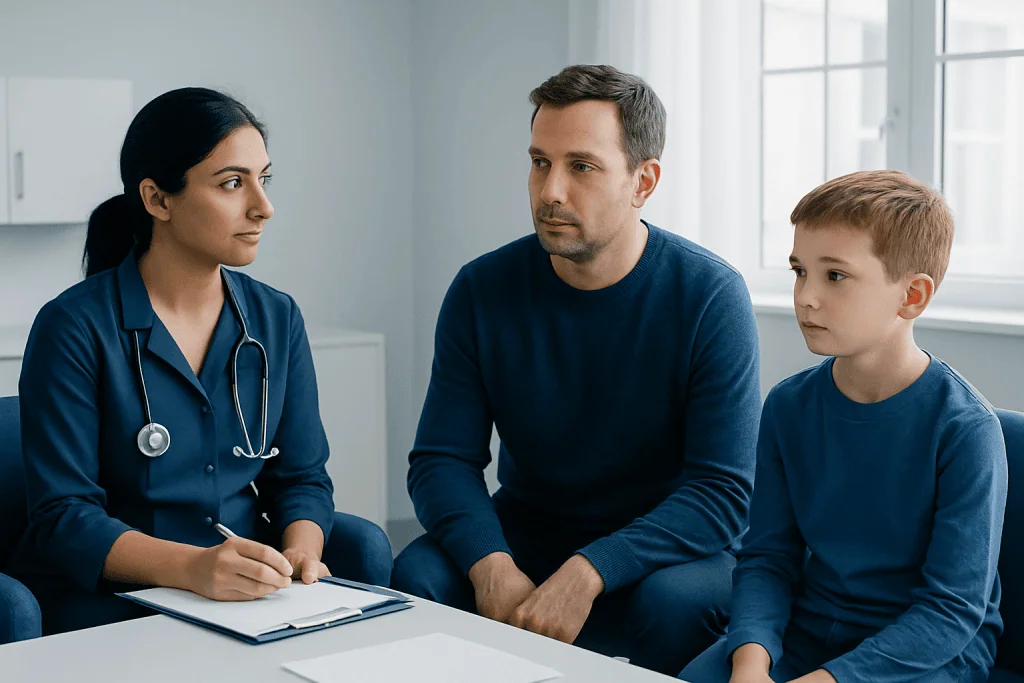
Adults and children can share many of the same leukemia symptoms, but the way symptoms are noticed is often different. Adults may describe fatigue, breathlessness, or repeated infections clearly. They may also notice reduced exercise tolerance, frequent bruises, or bleeding after brushing teeth or shaving.
In children, symptoms may be less specific at first. A child might become more clingy, less active, or unusually pale. Parents may notice repeated fevers, frequent colds that seem to linger, bruises without a clear cause, or complaints of leg pain at night or in the morning.
Teenagers and older children may report headaches, dizziness, or trouble concentrating if anemia is significant. In some cases, swollen glands, abdominal fullness, or persistent bone pain become the signs that prompt medical attention. Since these symptoms can overlap with viral illnesses and growth-related aches, the overall pattern matters.
It is also important to remember that chronic leukemias are more common in adults, especially older adults, while some acute leukemias are more common in childhood. This does not change the need for evaluation, but it helps explain why the pace and pattern of symptoms may differ by age group.
Causes and Risk Factors
Doctors do not always know exactly why one person develops leukemia and another does not. Leukemia begins when changes occur in the DNA of developing blood cells, causing them to grow and survive abnormally. In most people, these changes happen by chance and are not caused by anything they did or did not do.
Some factors are linked with a higher risk of certain leukemias. These include older age for some types, previous chemotherapy or radiation therapy, exposure to high levels of radiation, and certain chemical exposures such as benzene. Smoking has also been associated with an increased risk of some forms of leukemia, especially acute myeloid leukemia.
Genetic conditions and family history can play a role in a smaller number of cases. Some inherited syndromes and bone marrow disorders may increase risk, but most people with leukemia have no strong family history. Likewise, having a risk factor does not mean a person will definitely develop the disease.
Since symptoms can overlap with other blood conditions, doctors may also consider problems such as lymphoma or non-cancer causes of low blood counts during evaluation. The goal is to identify the true cause of symptoms and guide the next steps safely and efficiently.
When to Get Checked
A medical check is appropriate when symptoms are persistent, unexplained, or occurring in combination. For example, tiredness after poor sleep is common, but tiredness together with frequent infections, unusual bruising, or pallor deserves closer attention. The same is true for a child who has ongoing fever, limp, or repeated bruises without a clear explanation.
People should also seek assessment if symptoms are worsening over days or weeks, or if they interfere with normal daily life. Repeated nosebleeds, gum bleeding, petechiae, or infections that keep returning should not be dismissed, especially when there is no obvious cause.
Urgent medical care is important for severe symptoms such as significant shortness of breath, heavy bleeding, confusion, severe weakness, or a high fever in a person who looks very unwell. These symptoms do not always mean leukemia, but they do need prompt evaluation.
Getting checked does not mean expecting the worst. In many cases, tests reveal a more common and treatable condition such as a viral illness, iron deficiency, or another blood disorder. However, if leukemia is present, earlier diagnosis can help treatment begin sooner.
How Leukemia Is Diagnosed
Diagnosis usually starts with a conversation about symptoms, medical history, medications, and any relevant family history. A doctor will perform a physical examination, looking for signs such as paleness, bruising, swollen lymph nodes, enlarged liver or spleen, or evidence of infection.
Blood tests are a key first step. A complete blood count can show whether red blood cells, white blood cells, or platelets are too low or too high. A peripheral blood smear allows specialists to look at blood cells under a microscope for abnormal shapes or immature cells.
If leukemia is suspected, a bone marrow aspiration and biopsy is often needed to confirm the diagnosis and identify the exact type. Additional tests may include flow cytometry, chromosome studies, and molecular testing. These help doctors classify the leukemia and choose the most suitable treatment plan.
Imaging is not always required, but it may be used in some situations to assess enlarged organs or possible complications. Depending on symptoms and the suspected type, evaluation may involve hematology and oncology specialists. In some patients, assessment may also include blood tests and bone marrow biopsy as part of the diagnostic process.
Treatment Options
Leukemia treatment depends on the type of leukemia, the person’s age, overall health, symptoms, and test results. Acute leukemias often need treatment soon after diagnosis, while some chronic leukemias may be monitored for a time before active treatment is needed. The care plan is individualized and explained carefully by the treating team.
Common treatments include chemotherapy, targeted therapy, immunotherapy, and in some cases radiation therapy. Some people may need supportive treatments such as blood transfusions, antibiotics, or medicines to manage symptoms and reduce complications. Certain patients may also be candidates for a stem cell transplant if intensive treatment is appropriate.
Children and adults may respond differently to treatment, so age-specific care is important. Pediatric leukemia care often involves specialists experienced in childhood cancers, while adult treatment may differ according to leukemia subtype and other health conditions. Long-term follow-up is an important part of care for both groups.
Leukemia can be closely related to other cancers of the blood and lymphatic system, so specialists may discuss how it differs from conditions such as multiple myeloma when explaining test results. Near the end of the care pathway, some international patients may choose centers such as Acibadem International, where multidisciplinary specialists in JCI-accredited hospitals diagnose and treat leukemia and related blood cancers.
Living With Symptoms and Supporting Early Detection
There is no guaranteed way to prevent leukemia, and most cases are not caused by lifestyle alone. Even so, general health habits can support overall well-being and may reduce exposure to some risks. Avoiding tobacco, following workplace safety guidance around chemicals, and attending regular medical checkups are sensible steps.
For people already being evaluated, it can help to keep a simple symptom diary. Recording fevers, bruising, infections, bleeding, pain, or unusual tiredness can make patterns easier to discuss with a doctor. Parents may also note appetite changes, school absence, reduced activity, or pain that wakes a child at night.
Emotional support matters too. Waiting for test results can be stressful for adults and families. Clear communication with the healthcare team, asking questions, and seeking support from trusted relatives or counselors can make the process more manageable.
Most importantly, persistent symptoms should be taken seriously but calmly. Many causes are not leukemia, yet it is always reasonable to ask for medical advice when symptoms are unusual, ongoing, or affecting daily life. Early attention helps people move toward reassurance, diagnosis, or treatment as needed.
Frequently asked questions
What are the first signs of leukemia?
Early signs of leukemia often include fatigue, fever, frequent infections, easy bruising, or unusual bleeding. Some people also notice pale skin, bone pain, swollen lymph nodes, or night sweats. These symptoms are not specific to leukemia, so a doctor may need blood tests to find the cause.
Are leukemia symptoms different in children than in adults?
Many symptoms are similar, including tiredness, infections, bruising, and fever. In children, symptoms may be noticed as irritability, reduced play, limping, or complaints of leg pain rather than a clear description of fatigue. Parents should look at the overall pattern, especially if symptoms persist.
Can leukemia symptoms come and go?
Yes, some symptoms can seem to come and go, especially early on or in slower-growing types of leukemia. Fever, tiredness, and infections may appear intermittent at first. Even if symptoms improve temporarily, persistent or repeated episodes should still be discussed with a doctor.
When should someone worry about bruising or bleeding?
Bruising or bleeding deserves attention when it is unexplained, happens often, or appears together with fatigue, fever, or infections. Nosebleeds, bleeding gums, or tiny red-purple spots on the skin can be important clues. While these changes can have other causes, a medical check is advisable if they are new or worsening.
How is leukemia confirmed?
Doctors usually begin with a medical history, physical examination, and blood tests such as a complete blood count. If results suggest leukemia, a bone marrow test is often needed to confirm the diagnosis and determine the exact type. Additional laboratory studies help guide treatment decisions.
Do all people with leukemia feel very sick right away?
No. Some people, especially with chronic leukemia, may have mild symptoms or no symptoms at first and are diagnosed after routine blood tests. Others, particularly with acute leukemia, may become unwell more quickly. This is why persistent symptoms or unexpected blood test changes should be reviewed carefully.
References
- World Health Organization
- American Cancer Society
- National Cancer Institute
- Leukemia & Lymphoma Society
- NHS
This article is for general information only and is not a substitute for professional medical advice. Please consult a qualified doctor about your individual situation.
Leukemia in Turkey — costs, top hospitals & a free quote
JCI-accredited · board-certified surgeons · reply within 24h
Add us as a Preferred Source to see more of our trusted health content across Google Search, AI Overviews and Discover.

Medical Oncology Department
Medical treatment of cancer with chemotherapy, immunotherapy and targeted therapies under a multidisciplinary tumor board.
60 specialists in this unit