Leukemia Treatment Side Effects: What Patients May Notice and How Care Teams Help
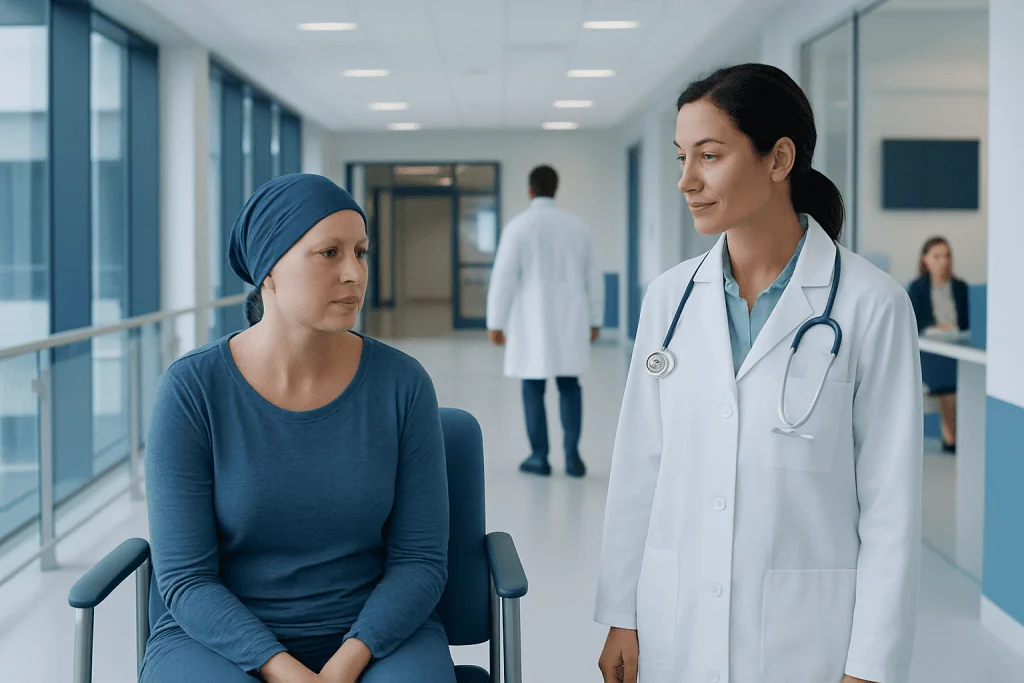
Side effects depend on the treatment plan, leukemia type, age, and overall health. Common issues include fatigue, nausea, infection risk, bruising or bleeding, mouth sores, and appetite changes.
Key Takeaways
- Side effects depend on the treatment plan, leukemia type, age, and overall health.
- Common issues include fatigue, nausea, infection risk, bruising or bleeding, mouth sores, and appetite changes.
- Doctors closely monitor blood counts and organ function to detect problems early.
- Supportive treatments, nutrition, hydration, medicines, and infection precautions can make treatment more manageable.
- Patients should report fever, bleeding, breathing problems, severe weakness, or confusion promptly.
Leukemia treatment side effects vary from person to person and depend on the type of leukemia and the treatment used. Many side effects can be anticipated, monitored early, and managed with supportive care that helps patients stay safer and more comfortable during treatment.
Overview: Why Leukemia Treatment Can Cause Side Effects
Leukemia treatment is designed to destroy cancer cells in the blood, bone marrow, and sometimes other parts of the body. These treatments may include chemotherapy, targeted therapy, immunotherapy, radiation therapy, and in some cases bone marrow transplantation. While these therapies can be very effective, they may also affect healthy cells that grow quickly or support normal body functions.
That is why side effects can happen. Blood-forming cells in the bone marrow, the lining of the mouth and digestive system, hair follicles, and the immune system are especially sensitive during treatment. Not every patient has the same experience, and the intensity of side effects can differ greatly depending on the medicine used, the dose, the treatment schedule, and the person’s general health.
It can help patients and families to know that side effects are a well-recognized part of cancer care. Oncology teams do not simply focus on the leukemia itself. They also work continuously to prevent complications, reduce discomfort, and support recovery. For many people, side effects improve after treatment cycles end, although some may last longer and need continued follow-up.
Common Side Effects Patients May Notice
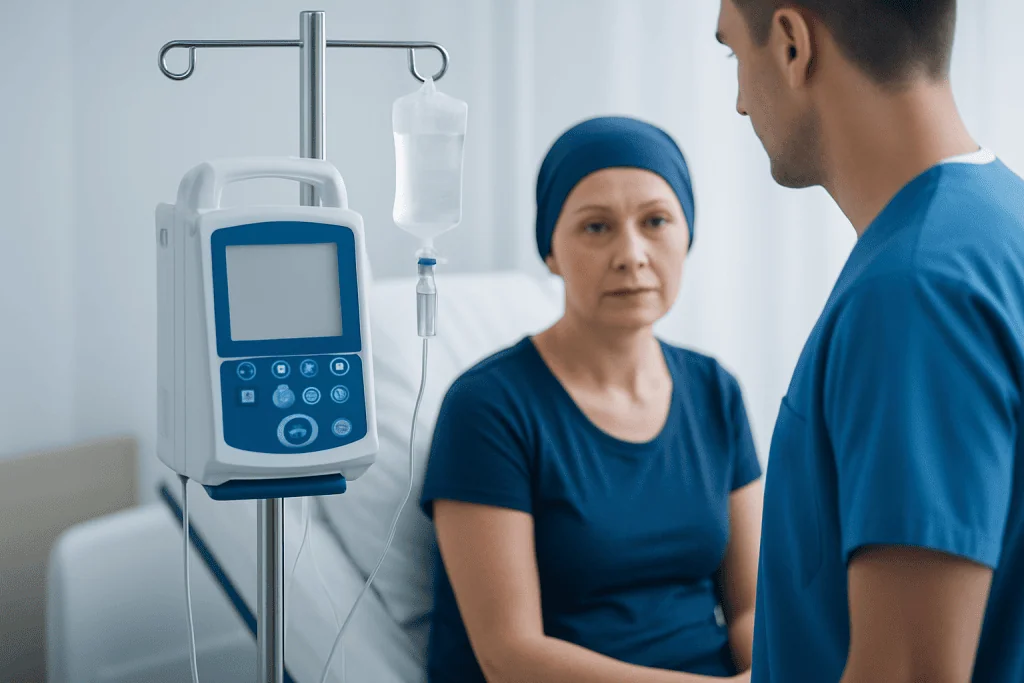
Many of the most common leukemia treatment side effects are related to low blood counts. Treatment can temporarily reduce white blood cells, red blood cells, and platelets. This may lead to tiredness, shortness of breath with activity, easy bruising, nosebleeds, bleeding gums, or a higher risk of infection. Fever during treatment should always be taken seriously, because it can be a sign that the body is less able to fight germs.
Digestive symptoms are also common. Some patients notice nausea, vomiting, poor appetite, constipation, diarrhea, or changes in taste. Mouth sores and a dry or tender mouth can make eating and drinking harder. These symptoms can affect daily comfort, sleep, and nutrition, but they are often manageable with medication, oral care, and dietary adjustments.
Fatigue is one of the most frequent concerns. This is often more than ordinary tiredness and may not improve fully with rest alone. Hair loss can occur with some treatments, though not all. Patients may also experience skin sensitivity, headaches, sleep changes, mood changes, or a general feeling of weakness. In children and adults alike, the experience can vary, and honest communication with the care team is important.
- Fatigue and weakness
- Fever or infection risk
- Nausea, vomiting, diarrhea, or constipation
- Mouth sores and swallowing discomfort
- Bruising, bleeding, or low blood counts
- Loss of appetite and weight changes
Why Side Effects Differ From One Patient to Another
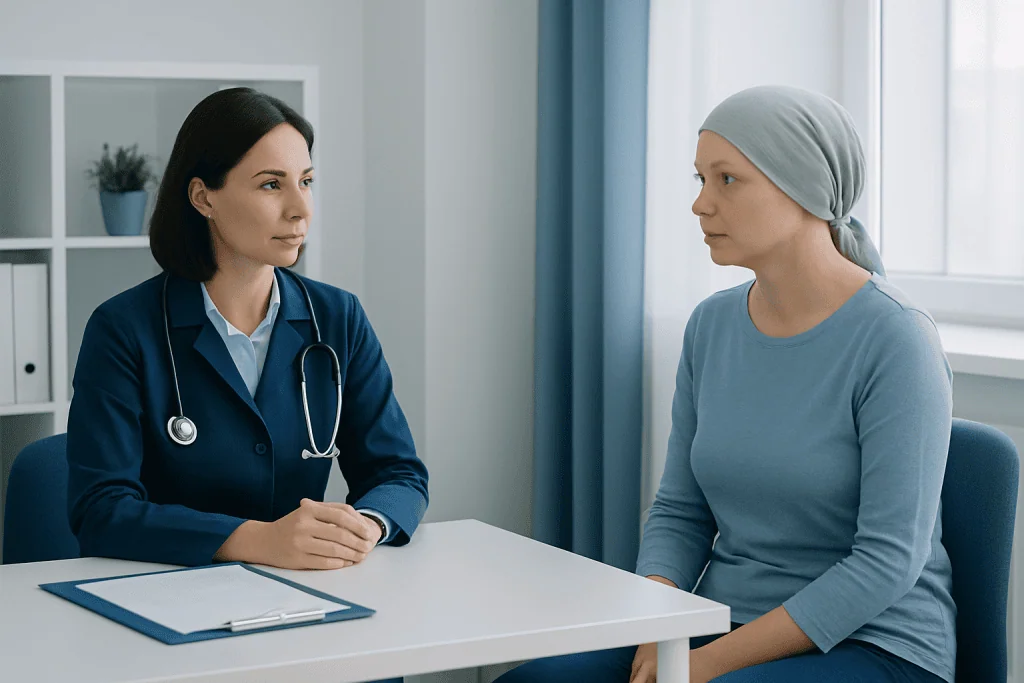
Leukemia is not a single disease. Different types, such as acute lymphoblastic leukemia, acute myeloid leukemia, and chronic leukemias, are treated in different ways. Some treatment plans are intensive and given in the hospital, while others may be taken as tablets or infusions in the outpatient setting. As a result, the pattern of side effects can differ significantly.
The patient’s age, kidney and liver function, nutritional status, and any other medical conditions can also affect how treatment is tolerated. Previous cancer treatment, current medications, and the presence of infections may influence both the safety profile and the recovery period after each cycle. People who undergo stem cell or bone marrow transplantation may experience additional effects related to high-dose treatment and immune suppression.
Some side effects appear quickly, such as nausea or allergic infusion reactions. Others develop over time, including nerve symptoms, ongoing fatigue, fertility concerns, or heart and organ effects linked to certain medicines. This is one reason why leukemia care usually involves careful planning before treatment starts and close follow-up throughout the process.
How Doctors Monitor and Diagnose Treatment-Related Problems
Monitoring for leukemia treatment side effects is a routine and essential part of care. Doctors use blood tests to track white blood cells, hemoglobin, platelets, kidney function, liver function, and other markers. These tests help the team understand how the body is responding and whether treatment should continue as planned, be delayed, or be adjusted for safety.
Physical examinations and symptom reviews are equally important. Patients are often asked about fever, chills, cough, pain, bowel habits, nausea, appetite, urination, rashes, and energy level. If there are warning signs, the team may order imaging, cultures, heart tests, or additional evaluations to look for infection, bleeding, dehydration, or organ-related side effects.
For some people, side effects can overlap with symptoms of the leukemia itself. For example, anemia may cause fatigue, and low platelets may cause bruising whether they result from the disease, treatment, or both. This is why patients should not try to guess the cause on their own. Prompt reporting allows the team to identify the problem and respond appropriately.
How Care Teams Help Manage Side Effects
Supportive care is a central part of leukemia treatment. Care teams may prescribe anti-nausea medication, pain relief, mouth care treatments, fluids, and medicines to reduce the risk of infection in selected patients. Some people need blood transfusions or platelet transfusions if counts become too low. Others may need nutritional support, physical therapy, or help from specialists in symptom management.
If treatment includes intensive chemotherapy, such as chemotherapy, doctors may recommend extra precautions to lower infection risk. These may include hand hygiene, avoiding sick contacts, food safety advice, and careful temperature monitoring at home. In patients receiving immunotherapy or targeted therapies, the team also watches for specific immune-related or drug-specific side effects and treats them early when they appear.
Many hospitals use a multidisciplinary approach that includes hematologists, oncologists, nurses, pharmacists, dietitians, and other professionals. This helps patients receive coordinated advice about symptoms, medications, emotional wellbeing, and daily living. Near the end of the treatment journey or during complex care, some international patients may also seek evaluation at centers such as Acibadem International, where multidisciplinary specialists in JCI-accredited hospitals diagnose and treat leukemia and its treatment-related complications.
Self-Care Tips During Leukemia Treatment
Self-care does not replace medical treatment, but it can support comfort and recovery. Patients are often encouraged to drink enough fluids unless their doctor gives different advice, eat small frequent meals if appetite is low, and choose soft foods when the mouth is sore. Gentle movement, such as short walks or stretching, may help some people manage fatigue, mood, and sleep, although rest remains important.
Good hygiene can reduce infection risk. Handwashing, oral care with a soft toothbrush if permitted, and keeping cuts clean are practical steps. Patients should ask their team before taking over-the-counter medicines, vitamins, or herbal products because some can increase bleeding risk or interfere with treatment. Alcohol and smoking are best avoided unless a doctor has discussed otherwise.
It is also helpful to keep a simple symptom diary. Recording temperature, bowel changes, appetite, bleeding, sleep problems, and energy levels can make it easier to describe changes at appointments. Loved ones often play an important role by helping with meals, transport, medications, and emotional support. If anxiety, sadness, or stress become overwhelming, patients should let the team know, because psychological support is part of whole-person cancer care.
When to Contact the Doctor Urgently
Some side effects need urgent attention. Patients should contact their care team right away if they develop fever, shaking chills, trouble breathing, chest pain, confusion, fainting, uncontrolled vomiting, severe diarrhea, new severe pain, or signs of dehydration. Bleeding that does not stop, black stools, blood in urine, or widespread bruising should also be reported promptly.
Other important warning signs include worsening mouth sores that prevent drinking, very little urine output, a rapidly spreading rash, swelling of the face or throat, or any sudden change after a new medicine or infusion. Even symptoms that seem mild can become serious more quickly when the immune system is weakened.
Patients should feel comfortable asking in advance which symptoms require an emergency call and which can wait for the next visit. Clear instructions, including what temperature counts as a fever and whom to contact after hours, can reduce uncertainty. Early communication is one of the best ways to prevent side effects from becoming more severe.
Frequently asked questions
Do all leukemia treatments cause the same side effects?
No. Side effects depend on the type of leukemia, the specific treatment, the dose, and the patient’s overall health. Some people have mild symptoms, while others need closer monitoring and more supportive care.
How long do leukemia treatment side effects last?
Some side effects happen during treatment and improve within days or weeks after a cycle ends. Others, such as fatigue or nerve symptoms, may last longer and need follow-up with the medical team.
Is fever during leukemia treatment an emergency?
Fever can be very important during leukemia treatment because infection risk may be higher when white blood cells are low. Patients should follow their care team's instructions and contact them promptly if fever develops.
Can side effects be prevented completely?
Not always, but many can be reduced or managed well. Doctors often use preventive medicines, blood tests, hydration, nutrition advice, and early treatment of symptoms to improve safety and comfort.
What can help with fatigue during leukemia treatment?
Balanced rest, light activity if tolerated, hydration, and good nutrition may help. Because fatigue can also be linked to anemia, infection, or sleep problems, it should be discussed with the care team.
Should patients change their diet during leukemia treatment?
Diet often needs to be adjusted based on appetite, mouth sores, nausea, or infection precautions. A doctor or dietitian can suggest safe, easy-to-tolerate foods and help maintain nutrition during treatment.
References
- National Cancer Institute
- American Cancer Society
- Leukemia & Lymphoma Society
- Centers for Disease Control and Prevention
- World Health Organization
This article is for general information only and is not a substitute for professional medical advice. Please consult a qualified doctor about your individual situation.
Leukemia in Turkey — costs, top hospitals & a free quote
JCI-accredited · board-certified surgeons · reply within 24h
Add us as a Preferred Source to see more of our trusted health content across Google Search, AI Overviews and Discover.

Medical Oncology Department
Medical treatment of cancer with chemotherapy, immunotherapy and targeted therapies under a multidisciplinary tumor board.
60 specialists in this unit