Leukocyte Count High in Pregnancy: A Complete Clinical Guide for Patients

A mildly elevated white blood cell count is common in pregnancy and is not always a sign of illness. The result should be interpreted by a doctor using the stage of pregnancy, symptoms, and the rest of the blood test.
Key Takeaways
- A mildly elevated white blood cell count is common in pregnancy and is not always a sign of illness.
- The result should be interpreted by a doctor using the stage of pregnancy, symptoms, and the rest of the blood test.
- Very high counts or symptoms such as fever, pain, burning with urination, or shortness of breath may need prompt medical evaluation.
- Common causes include normal pregnancy changes, labor, infection, stress, inflammation, and some medicines.
- Treatment depends on the cause, not on the blood count alone.
Leukocyte count high in pregnancy is often a normal finding because the immune system and body chemistry change throughout gestation, especially later in pregnancy and during labor. However, a high white blood cell count sometimes points to infection, inflammation, medication effects, or other medical conditions, so the result should be interpreted with symptoms and other test findings.
Overview: what a high leukocyte count means in pregnancy
Leukocyte count high in pregnancy usually means the number of white blood cells in the bloodstream is above the typical range used for non-pregnant adults. In many pregnant women, this happens as part of a normal physiologic response. The body adjusts to support the pregnancy, and the immune system shifts in ways that can raise white blood cell levels without indicating disease.
White blood cells help defend the body against infection and participate in inflammation and tissue repair. During pregnancy, these cells may increase gradually, especially in the second and third trimesters. Levels can also rise during labor and in the first days after delivery. Because of this, one laboratory result alone does not tell the whole story.
The most helpful question is not simply whether the count is high, but whether it is high for that stage of pregnancy and whether there are symptoms such as fever, pelvic pain, cough, urinary burning, or unusual discharge. Doctors also look at which type of white blood cell is elevated, the rest of the complete blood count, and any signs of infection or inflammation.
For patients, the key message is reassuring: a mildly elevated result is often expected. Still, it should be reviewed in context by an obstetrician or another qualified clinician, especially if the number is markedly high, rising quickly, or accompanied by other abnormal findings.
How white blood cells normally change during pregnancy
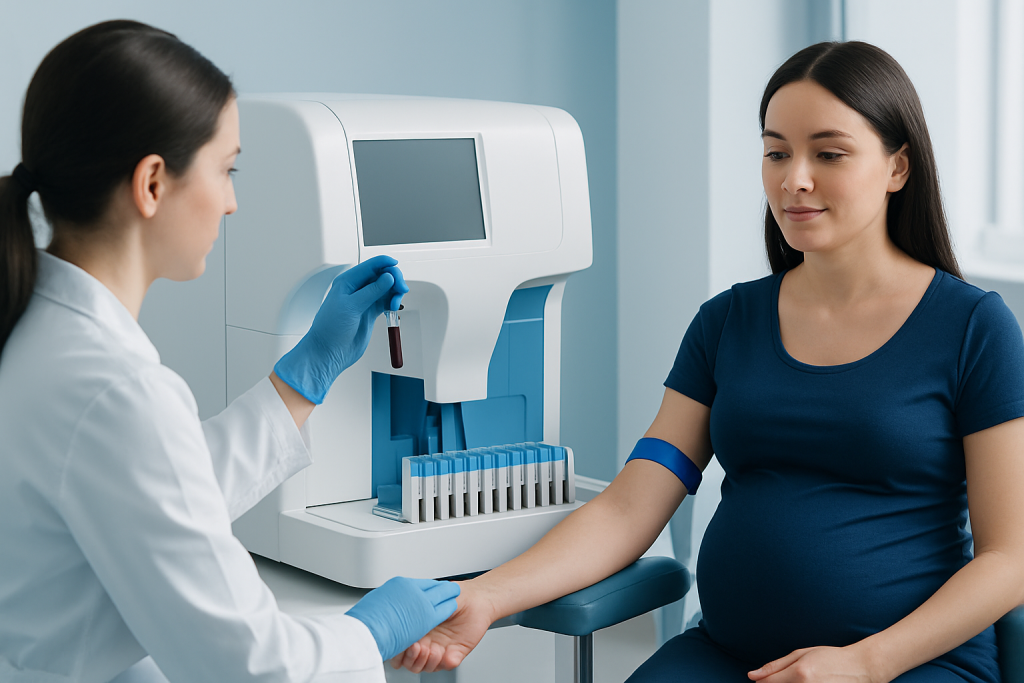
Pregnancy affects almost every body system, including blood volume, hormone levels, and immune function. White blood cell counts often increase because the body is adapting to the growing fetus and placenta. This process is sometimes called physiologic leukocytosis, meaning a normal increase rather than an illness.
Neutrophils, one of the main types of white blood cells, are often the cells that rise the most. This can happen even when a pregnant person feels completely well. A laboratory report may flag the result as “high” because it compares it with a non-pregnant reference range, but the result may still be acceptable in pregnancy.
Counts may rise further with physical or emotional stress, after exercise, during labor, and shortly after birth. This is why clinicians do not diagnose infection from a white blood cell count alone. They correlate the result with temperature, blood pressure, symptoms, urine tests, and sometimes imaging.
If there is uncertainty, a doctor may repeat the complete blood count, review the differential count, or order other tests. In some cases, pregnancy-related changes overlap with conditions such as anemia, infection, or inflammation, so a broader clinical picture is important.
Possible causes beyond normal pregnancy changes

Although a high leukocyte count in pregnancy is often normal, there are several medical causes that may need attention. Infection is one of the most common. Urinary tract infections, kidney infections, respiratory infections, and infections involving the reproductive tract can all raise white blood cell levels. Sometimes symptoms are obvious, but not always.
Inflammation from noninfectious conditions can also increase the count. Examples include autoimmune disease, inflammatory bowel conditions, allergic reactions, or tissue irritation. Stress on the body from dehydration, vomiting, trauma, or surgery may cause a temporary rise as well.
Some medicines affect white blood cells. Corticosteroids are a common example. Smoking, if present, may also raise the count. Less commonly, blood disorders or bone marrow conditions can lead to persistent or very high white blood cell counts and need specialist evaluation.
Pregnancy-specific complications can sometimes be part of the picture. If elevated white blood cells occur alongside abdominal pain, fever, or uterine tenderness, doctors may consider infection related to pregnancy. When high blood pressure, swelling, or organ symptoms are also present, the team may assess for other pregnancy complications, including preeclampsia, depending on the overall clinical picture.
Symptoms that matter when the count is high
Many pregnant patients with a high white blood cell count have no symptoms at all. In that case, the result may simply reflect normal pregnancy physiology. Even so, it is important to report any new or worsening symptoms because they help determine whether further evaluation is needed.
Symptoms that may suggest infection or inflammation include fever, chills, burning with urination, needing to urinate frequently, lower abdominal pain, flank pain, cough, shortness of breath, chest discomfort, sore throat, skin redness, or unusual vaginal discharge. Persistent vomiting, severe weakness, confusion, or a feeling of being acutely unwell also deserve attention.
Pregnancy symptoms sometimes overlap with illness. For example, fatigue can be common in pregnancy but may also occur with infection, inflammation, or blood-related conditions. Shortness of breath can be a normal late-pregnancy sensation, but if it is sudden, severe, or paired with chest pain, it should be assessed urgently.
- Seek prompt advice for fever, painful urination, severe abdominal pain, or decreased fetal movement.
- Tell the care team if there is leaking fluid, vaginal bleeding, or contractions before term.
- Bring a copy of the blood test if available, including the differential white cell count.
How doctors evaluate a high leukocyte count in pregnancy
Evaluation starts with a medical history and physical examination. A clinician asks about the stage of pregnancy, recent illnesses, medicines, allergies, travel, urinary symptoms, vaginal symptoms, cough, breathing problems, and any pregnancy complications. The pattern of symptoms is often more informative than the blood test alone.
The complete blood count is reviewed in detail, especially the differential count, which shows the types of white blood cells present. Neutrophil predominance may be seen in normal pregnancy but is also common with bacterial infection or stress. A doctor may also review hemoglobin and platelets because combined abnormalities can point in a different direction.
Depending on symptoms, additional tests may include a urine test and urine culture, throat or respiratory testing, inflammatory markers, blood cultures if infection is suspected, or imaging that is considered safe in pregnancy. Ultrasound is often the first imaging tool when abdominal or pelvic symptoms are present. In selected situations, a clinician may recommend MRI scanning to investigate symptoms without using ionizing radiation.
If blood counts are very abnormal or stay elevated without a clear reason, referral to a specialist may be needed. This can include an internist, infectious disease specialist, or hematologist. For pregnancy care overall, ongoing monitoring with pregnancy follow-up helps place lab results in the context of maternal and fetal well-being.
Treatment options and what management depends on
There is no single treatment for leukocyte count high in pregnancy because the count itself is not the disease. Management focuses on the underlying cause. If the increase is judged to be a normal pregnancy change and there are no concerning symptoms, treatment may not be needed at all. The doctor may simply continue routine monitoring.
If infection is suspected, treatment is directed at the source. A urinary tract infection, for example, may require pregnancy-safe antibiotics and follow-up testing. Respiratory infections, skin infections, or reproductive tract infections are treated according to severity, location, and culture results when available. Hydration, rest, and symptom control may also be advised.
When inflammation, medication effects, or another medical condition is responsible, treatment is tailored individually. Sometimes the solution is adjusting a medicine, addressing dehydration, or treating another underlying disorder. In more complex cases, care may involve more than one specialist to keep both maternal and fetal needs in view.
If there are signs of a pregnancy complication, obstetric management becomes the priority. This may include fetal assessment, maternal monitoring, and additional imaging or laboratory work. Patients with severe or unexplained symptoms may need hospital-based observation. In JCI-accredited hospitals, Acibadem International’s multidisciplinary specialists evaluate and treat pregnant patients who need coordinated care.
Prevention, self-care, and ways to support a healthy pregnancy
Not every high white blood cell count can be prevented, especially when it reflects normal pregnancy changes. Still, several practical steps may lower the chance of infection and support overall health during pregnancy. Good hydration, balanced nutrition, adequate sleep, hand hygiene, and regular prenatal visits all help.
Urinary infections are common in pregnancy, so it is sensible not to ignore urinary burning, urgency, or lower abdominal discomfort. Taking prescribed medicines exactly as directed and attending follow-up appointments are also important. Patients should avoid starting or stopping medications, including over-the-counter products, without discussing them with a pregnancy care provider.
Routine prenatal care allows clinicians to spot patterns early. Blood pressure checks, urine testing, and repeat blood work can help distinguish normal changes from problems that need treatment. For some patients, additional check-up and screening tests are recommended based on symptoms or risk factors.
Emotional and physical stress can affect the body in many ways, so rest and recovery matter too. While stress alone usually does not explain a markedly high count, managing sleep, hydration, and illness symptoms can support clearer interpretation of test results and improve well-being.
When to seek medical care
A patient should contact a doctor or maternity care team if a blood test shows a high white blood cell count and there are symptoms such as fever, chills, painful urination, pelvic pain, severe vomiting, cough, worsening shortness of breath, vaginal bleeding, or unusual discharge. These symptoms do not always mean something serious, but they should not be ignored in pregnancy.
Urgent medical care is appropriate for chest pain, difficulty breathing, confusion, fainting, severe abdominal pain, reduced fetal movement, leaking fluid, or signs of preterm labor. A very high or rapidly rising white blood cell count also deserves prompt review, especially if other parts of the blood test are abnormal.
Patients should avoid trying to interpret the result in isolation. Laboratory ranges differ, and what looks high on paper may still be expected in pregnancy. The safest approach is to review the result with a qualified clinician who can assess symptoms, exam findings, and the stage of pregnancy.
If further evaluation is needed, the care team may coordinate blood tests, urine studies, ultrasound, or specialist consultation. Prompt communication often helps identify straightforward causes, start treatment early when needed, and provide reassurance when the finding is a normal part of pregnancy.
Frequently asked questions
Is leukocyte count high in pregnancy normal?
Yes, a mildly elevated white blood cell count is often normal in pregnancy, especially in the second and third trimesters and during labor. The result needs to be interpreted together with symptoms, examination findings, and other lab values.
What causes high white blood cells during pregnancy?
Common causes include normal pregnancy-related immune changes, labor, physical stress, dehydration, and infection. Less often, inflammation, medications such as steroids, smoking, or blood disorders may contribute.
Can a urinary tract infection raise leukocytes in pregnancy?
Yes. Urinary tract infections are a frequent cause of elevated white blood cells in pregnancy and may also cause burning with urination, urgency, lower abdominal pain, or fever. Because untreated urinary infections can lead to complications, medical review is important.
Does a high leukocyte count harm the baby?
The blood count itself does not usually harm the baby. What matters is the underlying cause. If the elevation reflects a normal pregnancy change, there is generally no problem, but infections or other illnesses should be treated promptly to protect both mother and baby.
How do doctors know if the high count is from infection or normal pregnancy?
Doctors look at the stage of pregnancy, the degree of elevation, symptoms, temperature, examination findings, and the white blood cell differential. They may also order urine tests, cultures, or imaging if there are signs pointing to a specific cause.
Should a pregnant patient repeat the blood test?
Sometimes. A doctor may repeat the complete blood count if the result is unexpectedly high, if symptoms are developing, or if they want to confirm a trend over time. Repeat testing is especially useful when the first result does not match the clinical picture.
References
- American College of Obstetricians and Gynecologists
- Centers for Disease Control and Prevention
- National Institutes of Health
- World Health Organization
- Mayo Clinic
This article is for general information only and is not a substitute for professional medical advice. Please consult a qualified doctor about your individual situation.
Explore treatments in Turkey — costs, top hospitals & a free quote
JCI-accredited · board-certified surgeons · reply within 24h
Add us as a Preferred Source to see more of our trusted health content across Google Search, AI Overviews and Discover.
Check your numbers in seconds
BMI, calories, due date, blood pressure and 30+ more clinical calculators — free, instant, doctor-reviewed ranges.