Levetiracetam: A Complete Medical Overview

Levetiracetam is an anti-seizure medication used for several seizure types, usually as ongoing seizure prevention rather than emergency treatment. It is available in different forms, including tablets, liquid, and intravenous treatment in some hospital settings.
Key Takeaways
- Levetiracetam is an anti-seizure medication used for several seizure types, usually as ongoing seizure prevention rather than emergency treatment.
- It is available in different forms, including tablets, liquid, and intravenous treatment in some hospital settings.
- Common side effects can include sleepiness, dizziness, irritability, and fatigue, but many people tolerate it well.
- It should not be stopped suddenly unless a doctor advises it, because abrupt withdrawal may increase seizure risk.
- Dose decisions usually depend on age, kidney function, seizure type, and response to treatment.
Levetiracetam is a commonly prescribed anti-seizure medicine used to help prevent certain types of seizures in adults and children. This overview explains what it is, how it is used, possible side effects, safety considerations, and when medical advice is important.
What levetiracetam is and what it is used for
Levetiracetam is a prescription medicine used to help prevent seizures. It belongs to a group of medicines called anti-seizure or anti-epileptic drugs. Doctors prescribe it for certain seizure types in adults and children, either on its own or together with other anti-seizure medicines.
For many patients, levetiracetam is chosen because it has a relatively straightforward interaction profile compared with some older seizure medicines. It is used in long-term seizure management rather than as a rescue medication for a seizure that is already happening. The main goal is to reduce how often seizures occur and support daily safety and quality of life.
Levetiracetam may be part of care for people with epilepsy or for those who have seizures related to other neurological conditions. It is available in immediate-release and extended-release oral forms, as well as an intravenous form used in hospitals when oral medicine is not suitable.
How levetiracetam works in the body
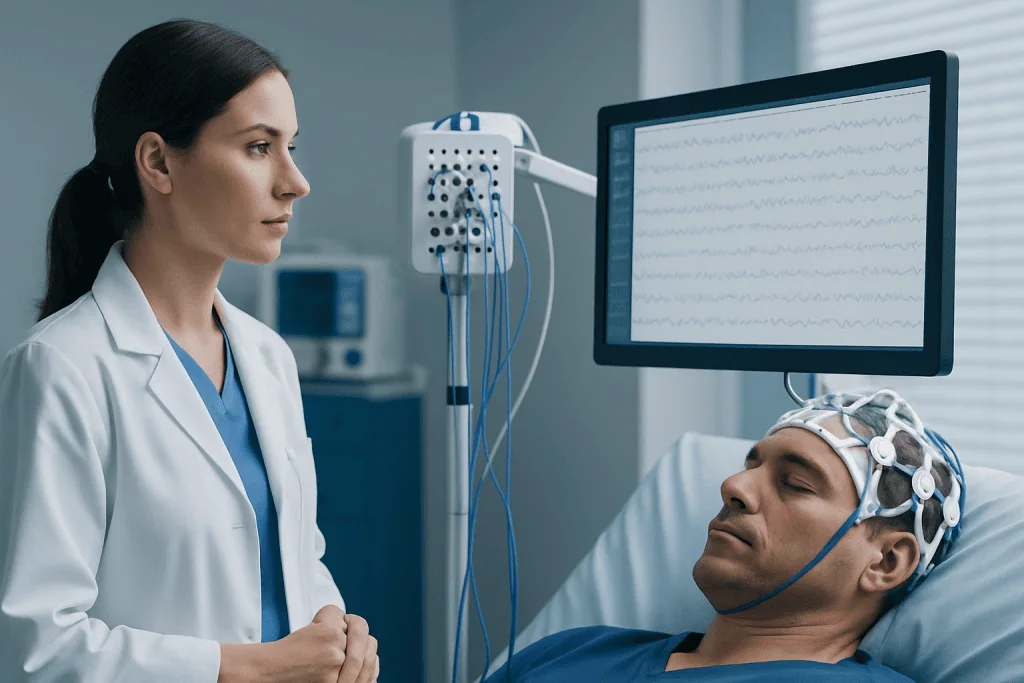
Levetiracetam works differently from many other anti-seizure medicines. Although its exact mechanism is not fully defined in simple terms, it is known to affect signaling between nerve cells in the brain in a way that helps reduce the chance of abnormal electrical activity that can trigger seizures.
Because seizures can have different causes and patterns, no single medicine works the same way for everyone. Some people have excellent seizure control with levetiracetam, while others may need a different medicine or a combination approach. Response is usually assessed over time based on seizure frequency, side effects, and how well a person can continue normal activities.
Doctors often consider seizure type, age, other health conditions, pregnancy plans, kidney function, and current medicines before prescribing levetiracetam. If seizures remain difficult to control, a broader evaluation with a neurology team may be recommended, sometimes including neurology care or advanced testing.
Who may take levetiracetam and how it is given

Levetiracetam may be prescribed for adults, adolescents, and children, depending on the seizure type and formulation. It can be used alone for some seizure disorders or as add-on therapy when one medicine does not provide enough control. The exact treatment plan is individualized by a doctor.
The medicine comes in different forms to make treatment practical for different ages and situations. Tablets may be suitable for many adults, while an oral solution can be helpful for children or for adults who have trouble swallowing. In hospitals, intravenous levetiracetam may be used when a patient cannot take medicine by mouth.
Doctors usually start with a dose that fits the patient’s age, weight when relevant, kidney function, and overall health, then adjust gradually if needed. It is important to take it consistently and at the times advised. Missing doses can reduce seizure protection, and suddenly stopping the medicine can increase the risk of seizures.
- Common reasons for choosing levetiracetam include convenient dosing and broad use across several seizure types.
- Kidney problems may require dose adjustment because the medicine is cleared from the body through the kidneys.
- Children, older adults, and pregnant patients need individualized review and follow-up.
Possible side effects and safety considerations
Like all medicines, levetiracetam can cause side effects, although not everyone has them. Commonly reported effects include drowsiness, fatigue, dizziness, headache, and weakness. These may be more noticeable when treatment first starts or after a dose increase, and sometimes improve as the body adjusts.
Mood and behavior changes are also important to watch for. Some people may become more irritable, anxious, agitated, or emotionally sensitive while taking levetiracetam. Less commonly, significant depression, unusual behavior, or thoughts of self-harm can occur. These symptoms need prompt medical attention, especially if they are new or worsening.
Allergic reactions are uncommon but can happen with any medicine. A rash, swelling, trouble breathing, or severe illness-like symptoms should be treated as urgent concerns. Patients and families should also tell a doctor if there is severe sleepiness, poor coordination, frequent falls, confusion, or a clear change in thinking or personality.
It is generally safer to avoid alcohol excess and to be cautious with driving or operating machinery until the effect of the medicine is known. If a person has repeated side effects, poor seizure control, or concerns about concentration, a medication review with a specialist may help identify whether epilepsy treatment should be adjusted.
Interactions, precautions, and special situations
Levetiracetam has fewer medicine interactions than many older anti-seizure drugs, but that does not mean interactions are impossible. Patients should still provide a full list of prescription medicines, over-the-counter products, vitamins, and herbal supplements. This is especially important when several medications that affect alertness are used together.
Kidney disease is one of the key precautions because levetiracetam is removed from the body through the kidneys. Reduced kidney function may lead to higher drug levels unless the dose is adjusted. Older adults may be more sensitive to side effects such as sleepiness, dizziness, or balance problems, so regular review can be useful.
Pregnancy and breastfeeding require individualized counseling. Seizure control remains very important during pregnancy, but medicine choices should be reviewed carefully before conception whenever possible. Patients should not stop levetiracetam on their own because uncontrolled seizures can also pose serious risks. A doctor can discuss the balance of benefits and possible risks and may coordinate care with neurology and obstetric specialists.
If seizures are new, changing, or difficult to classify, further evaluation may include brain imaging or electrical testing of the brain. Depending on the situation, doctors may recommend services such as EEG testing or MRI imaging to guide diagnosis and treatment planning.
Monitoring, follow-up, and practical daily advice
Unlike some anti-seizure medicines, levetiracetam does not always require frequent blood level monitoring in routine use. Even so, follow-up remains important. Doctors usually assess whether seizures are improving, whether side effects are manageable, and whether the current dose still fits the patient’s age, kidney function, and life circumstances.
Patients often find it helpful to keep a simple seizure diary that notes when seizures happen, possible triggers, missed doses, sleep patterns, and side effects. This information can make appointments more productive and help doctors decide whether the medicine is working well enough or whether another approach is needed.
Daily routines can improve safety and consistency. Taking the medicine at the same times each day, using reminders, refilling prescriptions before they run out, and discussing any planned surgery or new medication with a doctor can all reduce treatment interruptions. Good sleep habits and limiting alcohol may also help support seizure control.
For patients with complex seizure disorders, care may involve more than medication alone. In selected cases, rehabilitation, psychological support, or specialist review of persistent seizures may be useful. Near the end of a diagnostic or treatment journey, some international patients choose centers such as Acibadem International, where multidisciplinary specialists in JCI-accredited hospitals evaluate and treat neurological conditions.
When to seek medical care
Medical advice is important if seizures continue despite taking levetiracetam as prescribed, if new seizure types appear, or if side effects are interfering with daily life. A doctor should also review treatment if there is pregnancy, kidney disease, planned surgery, or difficulty taking the medicine regularly.
Urgent medical care is needed after a first seizure, a seizure lasting longer than usual, repeated seizures without recovery in between, injury during a seizure, breathing problems, or severe confusion afterward. Immediate help is also important if there are signs of a serious allergic reaction or major mood or behavior changes, including thoughts of self-harm.
Patients should not stop levetiracetam suddenly unless a doctor specifically advises it. If there is a need to change treatment, doctors usually plan a gradual and supervised adjustment to lower the risk of breakthrough seizures.
Questions patients often ask before starting treatment
Many patients want to know how quickly levetiracetam starts working. The medicine begins to act soon after it is taken, but the practical measure is whether seizure control improves over days to weeks. The timeline varies by seizure type, dose, and whether other anti-seizure medicines are also being used.
Another common question is whether side effects mean the medicine is not suitable. Mild tiredness or dizziness can occur at first and may settle, but persistent or distressing symptoms should be discussed rather than ignored. Treatment can often be adjusted safely when concerns are identified early.
People also ask whether they will need to take levetiracetam long term. That depends on the cause of the seizures, how long they have been controlled, EEG or imaging findings, and the opinion of the treating doctor. Some patients need ongoing treatment, while others may later be considered for a cautious, supervised reduction.
Frequently asked questions
What is levetiracetam mainly used for?
Levetiracetam is mainly used to help prevent certain types of seizures. Doctors may prescribe it alone or together with other anti-seizure medicines for adults and children, depending on the seizure pattern and the patient’s overall health.
Is levetiracetam the same as a rescue seizure medicine?
No. Levetiracetam is generally used for ongoing seizure prevention, not as a fast-acting rescue medicine during an active seizure emergency. Rescue treatment plans are separate and should be discussed with a doctor if needed.
What are the most common side effects of levetiracetam?
Common side effects include sleepiness, fatigue, dizziness, headache, and irritability. Some people also notice mood or behavior changes, so it is important for patients and families to monitor how the person feels after starting treatment.
Can levetiracetam be stopped suddenly?
It should usually not be stopped suddenly unless a doctor advises it. Abrupt withdrawal can increase the risk of breakthrough seizures, so any change is usually planned gradually and with medical supervision.
Does levetiracetam interact with other medicines?
Levetiracetam tends to have fewer interactions than some other anti-seizure drugs, but interactions and overlapping side effects can still occur. Patients should tell their doctor about all medicines, supplements, and herbal products they use.
Is levetiracetam safe during pregnancy?
Pregnancy requires an individualized medical review. Seizure control is very important during pregnancy, but medicine choices should be carefully discussed with a neurologist and obstetric team, ideally before conception whenever possible.
This article is for general information only and is not a substitute for professional medical advice. Please consult a qualified doctor about your individual situation.
Explore treatments in Turkey — costs, top hospitals & a free quote
JCI-accredited · board-certified surgeons · reply within 24h
Add us as a Preferred Source to see more of our trusted health content across Google Search, AI Overviews and Discover.

More from the Health Library

Apple Cider Vinegar and Gout: A Complete Medical Overview

Fecal Incontinence — Explained by Medical Evidence, Not Myths

Egd Procedure — Explained by Medical Evidence, Not Myths

RSV Clinical Manifestations: An Evidence-Based Guide for Patients

Merasmus illness: A Complete Medical Guide for Patients