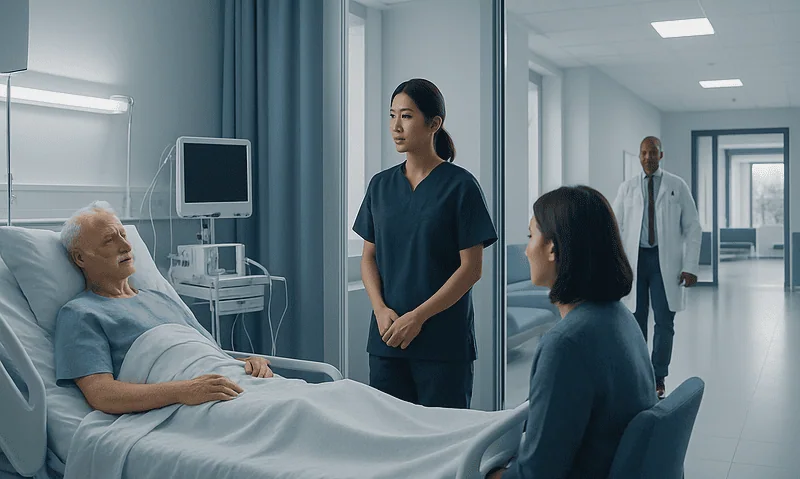
Life After Stroke: Daily Safety, Long-Term Effects, and Preventing Another Event
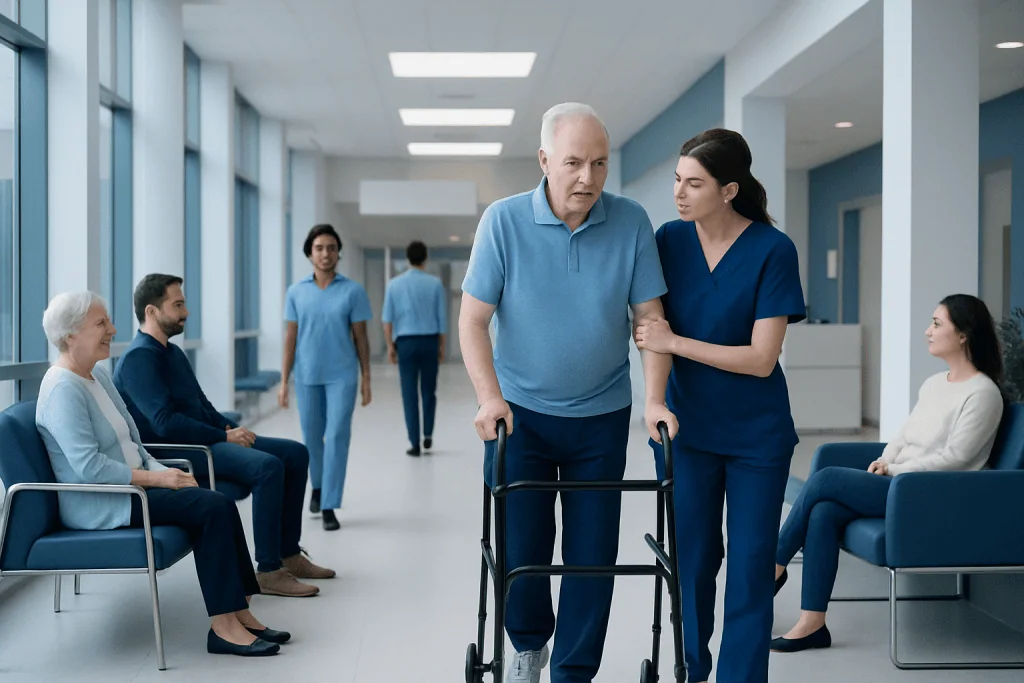
Recovery after stroke can continue for months or longer and often benefits from rehabilitation. Daily safety at home, during mobility, and while eating or bathing can reduce complications and injuries.
Key Takeaways
- Recovery after stroke can continue for months or longer and often benefits from rehabilitation.
- Daily safety at home, during mobility, and while eating or bathing can reduce complications and injuries.
- Long-term effects may include weakness, speech or memory changes, fatigue, mood symptoms, and pain.
- Preventing another stroke usually involves medicines, risk-factor control, and healthy lifestyle habits.
- Sudden new neurological symptoms require urgent medical attention, even after a previous stroke.
Life after stroke often includes physical, emotional, and practical changes, but many people improve with rehabilitation, support, and ongoing medical care. Understanding safety, long-term effects, and prevention can help survivors and families build confidence in daily life.
Overview: What Life After Stroke Can Look Like
Life after stroke is different for each person. Some people recover quickly, while others need longer-term support for movement, speech, memory, or emotional health. Recovery depends on the part of the brain affected, how severe the stroke was, how quickly treatment was received, and the person’s overall health.
The weeks and months after a stroke often focus on rehabilitation and adapting to daily routines. Common goals include improving independence, preventing complications, and reducing the risk of another event. Progress may come steadily or in small steps, and it is common for improvement to continue over time.
Stroke survivors may notice changes in walking, hand use, balance, swallowing, communication, attention, or mood. These changes can affect work, driving, relationships, and self-care. Even when recovery is good, regular follow-up is important because stroke can be linked with ongoing medical risks such as high blood pressure, irregular heart rhythm, or diabetes.
Many people benefit from coordinated care involving neurology, rehabilitation medicine, physical therapy, occupational therapy, speech and language therapy, psychology, and nutrition support. This team-based approach helps address both visible and less obvious effects of stroke.
Common Long-Term Effects After Stroke
The long-term effects of stroke vary widely. Physical effects may include weakness on one side of the body, stiffness, poor coordination, muscle tightness, numbness, or balance problems. Some survivors develop shoulder pain, walking difficulties, or fatigue that makes ordinary tasks feel more demanding.
Stroke can also affect thinking and communication. A person may have trouble finding words, understanding language, reading, writing, concentrating, planning, or remembering recent information. These challenges are sometimes subtle, but they can still affect work, finances, medication management, and social confidence.
Emotional and behavioral changes are also common. Some people experience depression, anxiety, irritability, low motivation, emotional ups and downs, or a condition called emotional lability, where crying or laughing may happen more easily. These symptoms are medical effects of brain injury and stress, not personal weakness.
Other ongoing concerns can include swallowing problems, bladder issues, constipation, sleep disturbance, and chronic pain. When symptoms are recognized early, targeted treatment and rehabilitation can make daily life easier. People recovering after stroke should let their care team know about any persistent symptom, even if it seems unrelated.
Daily Safety at Home and in Everyday Activities
Daily safety is an important part of life after stroke because weakness, poor balance, vision changes, fatigue, and slower reaction times can increase the risk of falls and accidents. A home review may help identify hazards and make routines simpler. Small changes can make a meaningful difference in confidence and independence.
Useful home adjustments may include better lighting, removing loose rugs, keeping walkways clear, using handrails, adding grab bars in the bathroom, and placing frequently used items within easy reach. Supportive footwear and mobility aids should be used as recommended. If one hand is weaker, adaptive tools for dressing, cooking, and bathing may help.
Eating and swallowing safety also matter. Some stroke survivors have dysphagia, which can increase the risk of choking or food and liquid entering the airway. A speech and language therapist may recommend texture changes, posture techniques, or specific exercises. If swallowing problems are suspected, medical review is important before continuing a regular diet.
- Take medicines exactly as prescribed and use a pill organizer if helpful.
- Rise slowly from bed or a chair to reduce dizziness.
- Ask about driving before returning to the road.
- Use mobility aids correctly and do not rush when tired.
- Keep emergency numbers accessible and teach family members the warning signs of stroke.
Safety also extends to bathing, cooking, and community activities. Some people need supervision at first, while others simply need practical adjustments. Occupational therapy can be especially helpful for improving everyday function and reducing household risks.
Rehabilitation and Ongoing Recovery
Rehabilitation is one of the main foundations of stroke recovery. It aims to improve strength, mobility, communication, thinking skills, and independence. A rehabilitation plan is tailored to the person’s needs and may begin in hospital, continue in an inpatient unit, or take place through outpatient visits or home-based care.
Physical therapy focuses on balance, transfers, walking, and muscle control. Occupational therapy helps with dressing, bathing, cooking, writing, and other daily activities. Speech and language therapy supports communication and swallowing. Cognitive rehabilitation may help with memory, attention, and problem-solving. In some cases, doctors may recommend stroke rehabilitation through a structured multidisciplinary program.
Recovery does not always follow a straight line. Improvement may be faster early on and then slow down, but that does not mean it has ended. Repetition, practice, and consistency matter. Managing fatigue, pain, sleep problems, and mood symptoms can also improve participation in therapy and everyday life.
Support from caregivers is valuable, but the survivor’s own goals should remain central. Some people aim to return to work, while others focus on walking safely, speaking more clearly, or becoming more independent at home. Regular review helps the rehabilitation plan change as progress continues.
Preventing Another Stroke
After one stroke or transient ischemic attack, preventing another event becomes a major part of care. The exact plan depends on the cause of the original stroke. Doctors may recommend blood-thinning medicines, cholesterol-lowering treatment, blood pressure control, diabetes management, or treatment for heart rhythm problems such as atrial fibrillation. Some patients with narrowed arteries may be evaluated for procedures related to carotid artery treatment.
Lifestyle measures are also important. Stopping smoking, limiting alcohol, choosing a heart-healthy diet, staying physically active within personal ability, and maintaining a healthy weight can all support vascular health. Salt reduction may help control blood pressure, and good sleep habits can support overall recovery.
Regular monitoring is essential because risk factors often do not cause symptoms. Blood pressure, blood sugar, cholesterol, and heart rhythm should be checked as advised. People with prior transient ischemic attack or stroke should not stop medicines without medical guidance, even if they feel well.
Prevention also means understanding emergency warning signs. A new drooping face, arm weakness, speech difficulty, sudden confusion, vision loss, severe dizziness, or sudden severe headache requires urgent medical attention. A fast response can be lifesaving and may reduce disability.
Emotional Health, Relationships, and Returning to Daily Life
Life after stroke involves more than physical recovery. Emotional adjustment can take time for both survivors and families. It is common to grieve changes in energy, work role, hobbies, or independence. Open communication can reduce frustration and help loved ones understand that recovery is often uneven.
Depression and anxiety are common after stroke and deserve medical attention. Warning signs include persistent sadness, loss of interest, hopelessness, sleep changes, excessive worry, panic symptoms, or withdrawal from family and friends. Treatment may include counseling, support groups, lifestyle strategies, and, when appropriate, medication.
Returning to work, travel, exercise, and sexual activity often raises practical questions. These decisions should be individualized based on strength, cognition, heart health, medications, and stroke severity. Some people need a phased return or workplace adaptations. Others may need formal assessment before resuming driving.
Family and caregiver health matters too. Caring for a stroke survivor can be rewarding but demanding. Short breaks, realistic routines, and help from rehabilitation or community services can reduce burnout. Near the end of recovery planning, some patients choose specialist centers such as Acibadem International, where multidisciplinary teams in JCI-accredited hospitals evaluate and treat international patients with stroke-related needs.
When to See a Doctor Urgently and When to Seek Follow-Up Care
Any possible new stroke symptoms should be treated as a medical emergency. Even if the symptoms improve quickly, urgent assessment is needed because a brief episode can be a warning sign of a more serious event. Time-sensitive treatments may be available in some cases, including evaluation for acute stroke treatment when appropriate.
Urgent medical care is also important for chest pain, fainting, severe shortness of breath, repeated falls, worsening confusion, seizures, or signs of aspiration such as coughing during meals with fever or breathing difficulty. These symptoms may not always mean another stroke, but they still need prompt attention.
Routine follow-up is equally important. A doctor should review medicines, blood pressure, cholesterol, blood sugar, mood, swallowing, pain, sleep, and rehabilitation goals. New problems sometimes appear after discharge, and follow-up offers a chance to adjust treatment early.
People should contact their doctor if they notice ongoing sadness, memory decline, increasing stiffness, skin breakdown, weight loss, or difficulty coping at home. Asking for help is a practical part of recovery, not a setback. Long-term care works best when concerns are discussed early and regularly.
Frequently asked questions
How long does recovery take in life after stroke?
Recovery time varies widely from person to person. Some improvements happen in the first weeks, but recovery can continue for months or longer with rehabilitation, medical care, and practice in daily activities.
Can a person live independently after a stroke?
Many people can live independently after a stroke, especially with rehabilitation and home adjustments. Others may need temporary or ongoing support, depending on mobility, thinking, vision, speech, and safety needs.
What are the most common long-term effects of stroke?
Common long-term effects include weakness, balance problems, speech or language difficulty, fatigue, memory or attention changes, and mood symptoms such as depression or anxiety. Some people also have pain, swallowing problems, or bladder and bowel changes.
How can another stroke be prevented?
Prevention usually includes taking prescribed medicines, controlling blood pressure, cholesterol, and diabetes, and treating heart rhythm problems if present. Healthy habits such as not smoking, eating well, being active, and attending follow-up appointments are also important.
Is it normal to feel depressed or anxious after a stroke?
Yes, emotional changes are common after stroke and can result from both the brain injury and the stress of recovery. These symptoms are treatable, so it is important to tell a doctor if mood changes are persistent or affect daily life.
When should emergency help be called after a previous stroke?
Emergency help should be called right away for sudden face drooping, arm weakness, speech difficulty, confusion, vision loss, severe dizziness, or a sudden severe headache. Even brief symptoms need urgent evaluation because they may signal another stroke or a transient ischemic attack.
This article is for general information only and is not a substitute for professional medical advice. Please consult a qualified doctor about your individual situation.
Explore treatments in Turkey — costs, top hospitals & a free quote
JCI-accredited · board-certified surgeons · reply within 24h
Add us as a Preferred Source to see more of our trusted health content across Google Search, AI Overviews and Discover.
Check your numbers in seconds
BMI, calories, due date, blood pressure and 30+ more clinical calculators — free, instant, doctor-reviewed ranges.

More from the Health Library
Transient Ischemic Attack vs Stroke: Key Differences and When to Seek Help
What Is a Stroke? Types, Brain Effects, and Why Every Minute Matters
Recurrent Transient Ischemic Attacks: When a Second Stroke Opinion Matters
Speech Problems After Stroke: Aphasia, Slurred Speech, and What Therapy Can Improve
Medicines for Stroke: What Doctors Give, When They Help, and Important Limits