Life expectancy after cardiac ablation: Outlook, Stages, and Treatment Options Explained

Many people have a good long-term outlook after cardiac ablation, and the procedure can improve symptoms and quality of life. Life expectancy after cardiac ablation depends on the underlying rhythm disorder, overall heart function, and other health conditions.
Key Takeaways
- Many people have a good long-term outlook after cardiac ablation, and the procedure can improve symptoms and quality of life.
- Life expectancy after cardiac ablation depends on the underlying rhythm disorder, overall heart function, and other health conditions.
- Ablation may reduce episodes of arrhythmia, but some people need repeat procedures, medicines, or ongoing monitoring.
- Healthy lifestyle habits and regular cardiology follow-up remain important after a successful ablation.
- Urgent medical care is needed for chest pain, fainting, severe shortness of breath, or signs of stroke.
Life expectancy after cardiac ablation is often close to normal, especially when the abnormal heart rhythm is successfully controlled and any underlying heart condition is treated. Long-term outlook depends less on the procedure alone and more on the type of arrhythmia, heart health, age, stroke risk, and follow-up care.
Overview: What Life Expectancy After Cardiac Ablation Usually Means
Life expectancy after cardiac ablation is often favorable. For many people, especially those treated for common rhythm problems such as atrial fibrillation or supraventricular tachycardia, survival can be similar to that of people with the same age and health profile when the arrhythmia is well controlled and other cardiovascular risks are managed. The procedure itself is designed to treat abnormal electrical pathways in the heart, relieve symptoms, and in some cases lower complications linked to uncontrolled rhythm disorders.
It is helpful to look at prognosis in a broader way. Cardiac ablation does not act like a “reset” that removes every future heart risk. Instead, it is one part of a larger treatment plan that may also include blood thinners, heart rhythm medicines, treatment for high blood pressure, diabetes care, sleep apnea management, and lifestyle changes. A person’s outlook usually depends more on the overall condition of the heart and blood vessels than on the procedure alone.
The type of rhythm problem matters. Someone with an otherwise healthy heart and a treatable rapid rhythm may have an excellent prognosis after ablation. In contrast, a person with advanced heart failure, extensive coronary artery disease, or significant valve disease may still need close long-term management even if the ablation improves the rhythm disturbance. In this sense, cardiac ablation can improve quality of life and sometimes reduce important risks, but it does not erase all underlying disease.
How Cardiac Ablation Affects Long-Term Outlook
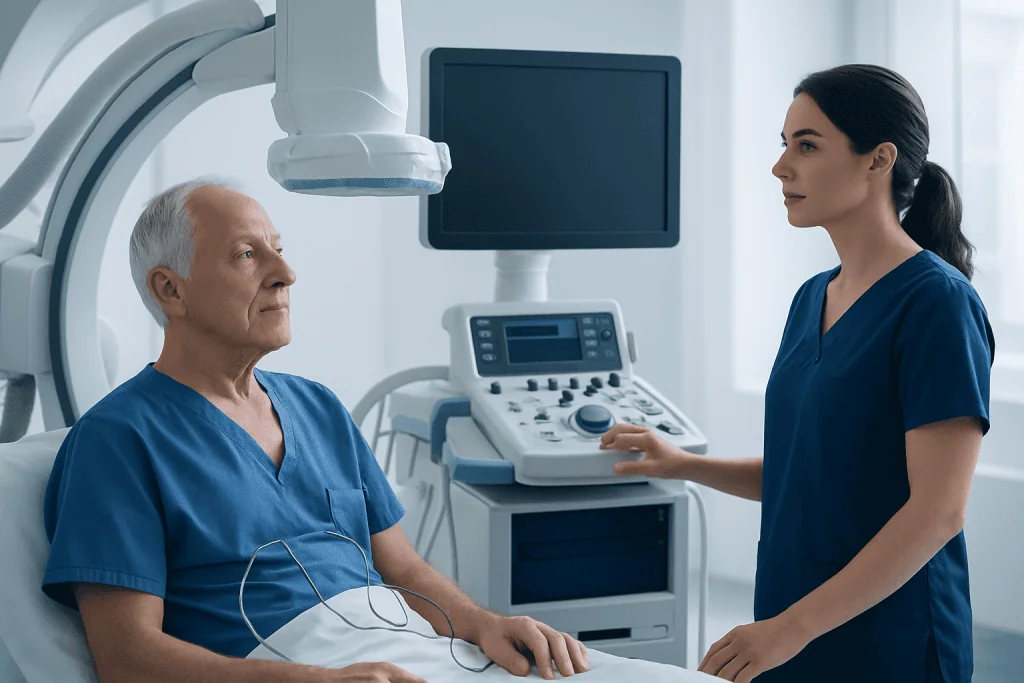
Cardiac ablation works by creating small scars in targeted areas of heart tissue that trigger or sustain abnormal electrical signals. The goal is to restore a more stable rhythm or reduce the burden of arrhythmia episodes. When successful, this can lessen palpitations, fatigue, shortness of breath, dizziness, and exercise intolerance. Better rhythm control may also support heart function over time in selected patients.
One reason outlook may improve after ablation is that persistent or frequent arrhythmias can strain the heart. Over time, some rhythm problems can worsen symptoms, lower exercise capacity, and contribute to a weakened heart muscle. By reducing recurrent episodes, ablation may help prevent this ongoing stress. In people with atrial fibrillation, for example, maintaining a healthier rhythm can make daily life easier and may support overall cardiovascular health when combined with appropriate stroke prevention.
Still, ablation is not always curative after a single procedure. Some arrhythmias return, especially in the first months while the heart is healing. Others may improve but not fully disappear. A repeat procedure or medication may be needed, and that does not necessarily mean the first treatment failed. It often reflects the complex nature of rhythm disorders and the need for stepwise management.
The outlook also differs by the type of ablation performed. Catheter-based procedures such as cardiac ablation are commonly used for atrial fibrillation, atrial flutter, and other supraventricular tachycardias. In some people with ventricular arrhythmias or structural heart disease, management may involve a broader plan that can include imaging, medication adjustment, and device therapy.
What Influences Life Expectancy After Cardiac Ablation

Several factors shape long-term prognosis after ablation. The most important is the underlying heart condition. A person with a structurally normal heart and an isolated rhythm problem often has a very good outlook. A person with heart failure, prior heart attack, cardiomyopathy, significant valve disease, or congenital heart disease may have a more complex prognosis because these conditions carry their own long-term risks.
The specific arrhythmia also matters. Atrial fibrillation is common and often manageable, but it is linked to stroke risk and may recur even after treatment. Ventricular tachycardia can be more serious because it may arise from damaged heart muscle and can increase the risk of life-threatening rhythm events. Age, kidney disease, obesity, high blood pressure, diabetes, sleep apnea, smoking, and heavy alcohol use can all affect how well someone does after ablation.
Another key factor is whether stroke prevention remains necessary. Some people feel better after a successful ablation and assume they can stop all medications. In reality, the need for blood thinners depends on an individual stroke risk assessment, not symptoms alone. Even when the rhythm appears controlled, a doctor may recommend continuing anticoagulation to lower stroke risk.
Adherence to follow-up is also important. Regular checkups, rhythm monitoring, echocardiography when needed, and management of associated problems such as heart failure or sleep apnea can all influence long-term health. Prognosis is best understood as an ongoing partnership between the procedure, medical care, and healthy daily habits.
Recovery Stages After Cardiac Ablation
People often want to know not only about life expectancy after cardiac ablation, but also what the recovery timeline looks like. The first stage is the immediate recovery period, usually the first 24 to 48 hours. During this time, mild soreness at the catheter insertion site, tiredness, or short-lived palpitations can occur. The medical team watches for early complications such as bleeding, infection, or rhythm instability.
The second stage is the first few weeks at home. Many people gradually return to normal daily activities, but fatigue can still occur. Light movement is usually encouraged, while heavy lifting or strenuous exercise may be restricted for a short time depending on the individual case. Patients are often advised to continue prescribed medicines even if they feel well, because healing tissue can briefly irritate the heart and trigger extra beats.
The third stage is the so-called healing or “blanking” period, often covering the first two to three months after the procedure. During this phase, arrhythmia episodes may still happen and do not always predict the final result. This can be frustrating, but it is a recognized part of recovery. Doctors may use ECGs, wearable monitors, or other tests to see whether symptoms represent transient healing changes or a true recurrence.
The longer-term stage begins after healing stabilizes. This is when the real benefit of the procedure is better assessed. Some people remain free of significant symptoms for years. Others may continue to have occasional episodes or need additional care such as electrophysiology evaluation to guide future treatment decisions.
Diagnosis, Monitoring, and Follow-Up After Ablation
Follow-up care is central to understanding prognosis after ablation. Doctors usually evaluate both symptoms and objective rhythm data, because a person can have silent arrhythmia episodes without obvious palpitations. Monitoring may include office ECGs, Holter monitoring, event recorders, smartphone rhythm devices, or implantable monitors in selected cases.
Additional tests may be recommended based on the underlying condition. An echocardiogram can assess heart function and valve status. Blood tests may help identify contributing factors such as thyroid disease, electrolyte imbalance, kidney disease, or anemia. Sleep studies are sometimes considered if sleep apnea is suspected, since it can increase recurrence of arrhythmias and affect long-term cardiovascular risk.
Medication review is another important part of follow-up. Some antiarrhythmic medicines are continued temporarily after the procedure, while others are used longer term depending on recurrence risk and tolerance. Blood thinner decisions should be individualized and reviewed carefully rather than stopped without guidance. In selected patients, treatment planning may also involve cardiology care for broader risk reduction and ongoing heart health management.
These visits are not only about detecting problems. They are also a chance to track progress in exercise tolerance, quality of life, blood pressure control, and symptom relief. A good outcome after ablation is often measured by both longer-term safety and the person’s ability to return to a more active and comfortable daily life.
Treatment Options if Arrhythmia Returns
Recurrence after cardiac ablation can happen, and it does not always mean the outlook is poor. Some rhythm problems are complex and may require more than one treatment step. If symptoms return, doctors first confirm what rhythm is present, how often it occurs, and whether it is causing complications such as rapid heart rates, low blood pressure, worsening heart failure, or reduced quality of life.
Options may include adjusting medications, treating contributing conditions, or considering a repeat ablation. A repeat procedure may be appropriate if there is clear evidence that abnormal electrical pathways remain active or new triggers have developed. In many cases, repeat ablation can improve control of symptoms and reduce arrhythmia burden when carefully selected.
Other treatment strategies may be needed depending on the diagnosis. These can include rate-control medicines, anticoagulation for stroke prevention, treatment of coronary artery disease, management of thyroid disorders, or device-based care such as a pacemaker or implantable cardioverter-defibrillator. The best plan depends on the person’s rhythm type, heart structure, and overall health goals.
For international patients who need coordinated assessment, Acibadem International’s multidisciplinary specialists and JCI-accredited hospitals diagnose and treat heart rhythm disorders using individualized plans that may include ablation, medication management, and long-term follow-up.
Prevention, Self-Care, and When to Seek Medical Care
Healthy habits after ablation can support the best possible outlook. These include taking medicines exactly as prescribed, attending follow-up visits, staying physically active within medical advice, maintaining a healthy weight, limiting alcohol, avoiding smoking, and controlling blood pressure, cholesterol, and blood sugar. People with suspected sleep apnea should discuss testing and treatment, since untreated sleep apnea can increase arrhythmia recurrence.
Self-monitoring can also help. Keeping a symptom diary, noting triggers such as alcohol or poor sleep, and sharing smartwatch or home pulse readings with a doctor may provide useful information. However, home devices should not replace medical evaluation, especially if symptoms are severe or new.
Medical review should be arranged promptly for returning palpitations, increasing fatigue, reduced exercise capacity, swelling of the legs, or breathlessness that is getting worse. These symptoms do not always mean a serious complication, but they should be checked, particularly in people with known heart disease.
Urgent medical care is needed for chest pain, fainting, severe shortness of breath, rapid heartbeats that do not settle, heavy bleeding from the catheter site, or signs of stroke such as facial drooping, arm weakness, trouble speaking, or sudden confusion. Early treatment can be important, so it is safest to seek emergency help rather than wait if these symptoms appear.
Frequently asked questions
Does cardiac ablation shorten life expectancy?
In most cases, cardiac ablation does not shorten life expectancy. For many patients, it improves symptoms and may support better long-term heart health by reducing the burden of abnormal rhythms. Overall prognosis depends mainly on the underlying heart condition and other medical risks.
Can life expectancy be normal after cardiac ablation?
Yes, many people can have a normal or near-normal life expectancy after cardiac ablation, especially if they have no major structural heart disease and their arrhythmia is well controlled. Good follow-up care and management of blood pressure, diabetes, sleep apnea, and stroke risk are also important.
How long does it take to know if an ablation was successful?
Doctors usually assess success over weeks to months rather than immediately after the procedure. The first two to three months are often considered a healing period, when temporary rhythm episodes can still occur. Longer-term monitoring gives a clearer picture of the final result.
Is a repeat ablation common?
A repeat ablation is not unusual for some rhythm disorders, especially atrial fibrillation. Needing another procedure does not automatically mean the outlook is poor. It often reflects the fact that arrhythmias can be complex and may need more than one treatment step.
Will I still need blood thinners after cardiac ablation?
Some people do, especially if they have an elevated stroke risk. The decision is based on factors such as age, prior stroke, heart failure, diabetes, and high blood pressure, not just whether symptoms improve. A doctor should decide when and whether anticoagulation can be changed.
What symptoms after ablation should not be ignored?
Chest pain, fainting, severe shortness of breath, signs of stroke, or bleeding that does not stop need urgent medical attention. Less urgent but still important symptoms include returning palpitations, worsening fatigue, swelling, or reduced exercise tolerance. Any concerning change should be discussed with a qualified clinician.
References
- American Heart Association
- Heart Rhythm Society
- National Heart, Lung, and Blood Institute
- European Society of Cardiology
- Mayo Clinic
This article is for general information only and is not a substitute for professional medical advice. Please consult a qualified doctor about your individual situation.
Heart care in Turkey — expert evaluation and treatment
JCI-accredited · board-certified surgeons · reply within 24h
Add us as a Preferred Source to see more of our trusted health content across Google Search, AI Overviews and Discover.
Check your numbers in seconds
BMI, calories, due date, blood pressure and 30+ more clinical calculators — free, instant, doctor-reviewed ranges.