Ligaments: An Evidence-Based Guide for Patients
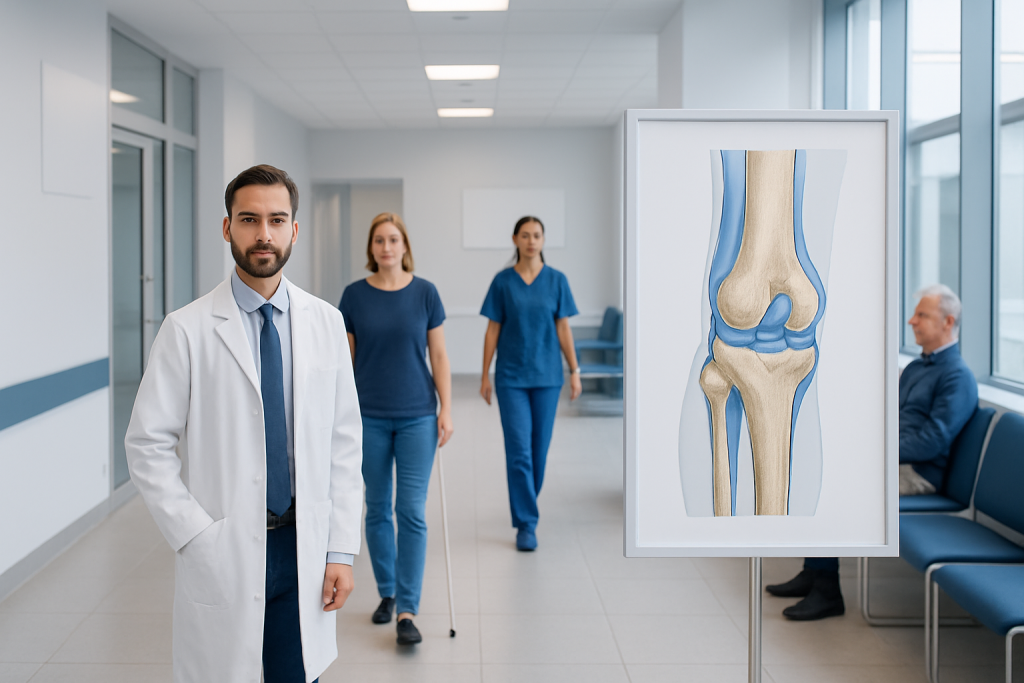
Ligaments connect bones to each other and help stabilize joints. A ligament injury is usually called a sprain and can range from mild stretching to a complete tear.
Key Takeaways
- Ligaments connect bones to each other and help stabilize joints.
- A ligament injury is usually called a sprain and can range from mild stretching to a complete tear.
- Common symptoms include pain, swelling, bruising, and reduced joint stability or motion.
- Diagnosis may involve a physical exam and imaging such as X-ray or MRI, depending on the injury.
- Treatment often includes rest, bracing, physical therapy, and sometimes surgery for severe tears.
- Early evaluation is important if a joint cannot bear weight, feels unstable, or is very swollen.
Ligaments are strong bands of connective tissue that connect bone to bone, helping keep joints stable while allowing controlled movement. When a ligament is stretched or torn, it can lead to pain, swelling, bruising, and a feeling that the joint is unstable.
Overview: what ligaments are and why they matter
Ligaments are tough, flexible bands of connective tissue that link one bone to another. Their main role is to support joints by limiting excessive motion and helping bones move in a controlled way. In everyday life, healthy ligaments make it possible to walk, turn, grasp, bend, and change direction without a joint slipping out of place.
They are found throughout the body, including the knees, ankles, wrists, shoulders, elbows, fingers, spine, and pelvis. Different joints rely on different ligament structures depending on how much movement and stability are needed. For example, the knee and ankle depend heavily on ligaments because they bear body weight and often manage sudden changes in direction.
Ligaments are made mostly of collagen fibers, which give them strength. However, they are not as elastic as muscles and do not have the same blood supply as many other tissues. This helps explain why ligament injuries can take time to heal and why recovery may require a gradual, carefully supervised return to activity.
How ligaments work in the body
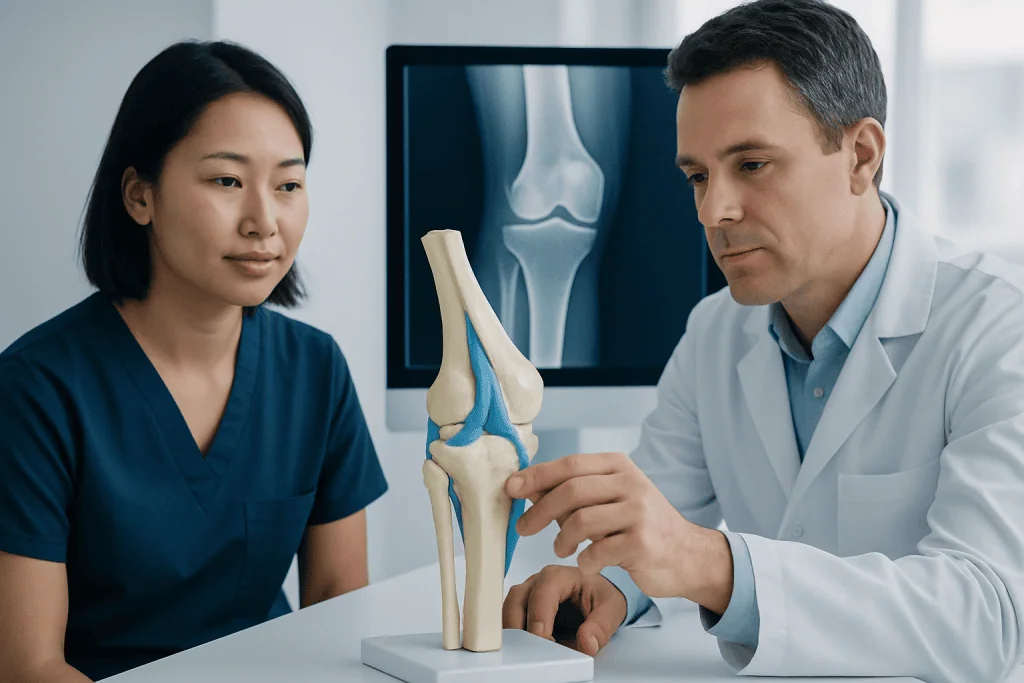
Each ligament acts like a stabilizing strap for a joint. It helps guide normal motion while preventing movements that are too far, too fast, or in the wrong direction. This protective function is especially important during sports, exercise, falls, and other activities that place stress on the joints.
Ligaments also contribute to body awareness, sometimes called proprioception. Nerve endings within these tissues help the brain sense joint position and movement. This allows a person to react quickly, maintain balance, and coordinate motion. When a ligament is injured, that sensing system can be affected, which is one reason a joint may feel weak or unreliable even after pain starts to improve.
Ligaments work closely with muscles, tendons, cartilage, and bones. Muscles generate movement, tendons connect muscle to bone, cartilage cushions the joint surfaces, and ligaments maintain alignment. If one part of this system is injured, others may be stressed as well. For example, a significant knee injury may involve not only ligaments but also cartilage or the meniscus, as seen in some forms of ACL injury.
Common ligament injuries and symptoms
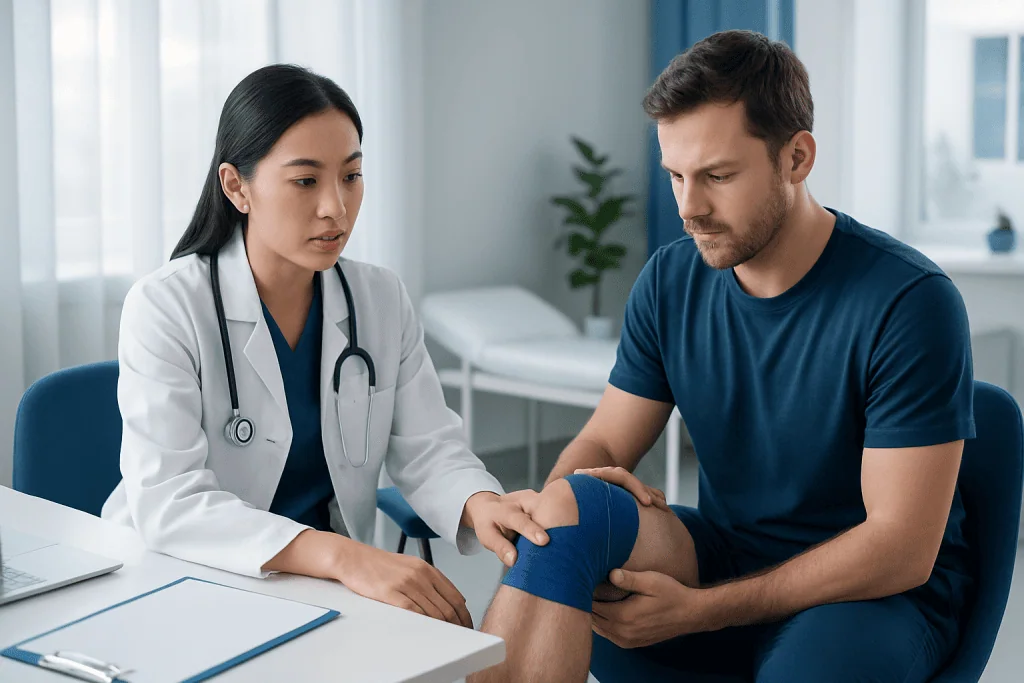
A ligament injury is usually called a sprain. Sprains are often graded by severity. A mild sprain involves overstretching or tiny tears, a moderate sprain includes a partial tear, and a severe sprain may mean the ligament is completely torn. The ankle, knee, wrist, thumb, and shoulder are among the most commonly affected areas.
Symptoms vary depending on the joint and the severity of the injury, but many people notice immediate pain, swelling, tenderness, bruising, and difficulty moving the joint. Some hear or feel a pop at the time of injury. In more significant tears, the joint may feel unstable, as though it could give way during standing, walking, or changing direction.
Common signs of a ligament problem include:
- Pain around a joint after a twist, impact, or awkward movement
- Swelling that develops quickly or over several hours
- Bruising or discoloration
- Stiffness and reduced range of motion
- Difficulty bearing weight
- A feeling of looseness, weakness, or instability
Some ligament injuries improve with basic care, while others need prompt medical evaluation. For example, a simple ankle sprain may heal with protection and rehabilitation, but a major knee ligament tear may require specialized imaging and a more advanced treatment plan.
Causes and risk factors
Ligament injuries usually happen when a joint is forced beyond its normal range of motion. This can occur during a fall, a sports collision, a sudden twist, a rapid stop-and-turn movement, or landing awkwardly from a jump. Everyday activities can also cause injury, especially on uneven ground or slippery surfaces.
Risk is higher in contact sports and activities that involve cutting, pivoting, jumping, or repetitive stress. Examples include football, basketball, skiing, tennis, gymnastics, and running on trails. Weak supporting muscles, poor balance, fatigue, previous injury, and inadequate warm-up may also increase the chance of a sprain or tear.
Age, anatomy, joint laxity, and overall conditioning can play a role as well. Some people are more prone to recurrent sprains, particularly at the ankle, if an earlier injury did not fully heal or was not properly rehabilitated. In severe trauma, a ligament injury may happen along with a fracture or dislocation, which needs urgent assessment. In some cases, shoulder trauma can be associated with shoulder dislocation.
How ligament injuries are diagnosed
Diagnosis begins with a medical history and physical examination. A doctor will usually ask how the injury happened, where the pain is located, whether there was a popping sensation, and whether the joint feels unstable. The examination may include checking swelling, tenderness, range of motion, strength, and the way the joint moves under gentle stress.
Imaging is often used when a fracture, severe tear, or associated injury is possible. X-rays do not show ligaments directly, but they are helpful for ruling out broken bones and certain alignment problems. Ultrasound may sometimes be used to assess soft tissues, while MRI is especially useful when a deeper or more complex ligament injury is suspected.
Not every sprain needs advanced imaging right away. Mild injuries are often diagnosed clinically and treated conservatively at first. However, persistent pain, repeated giving way, inability to bear weight, or concern about major structural damage may prompt referral to an orthopedic specialist and imaging studies. Depending on the joint and findings, evaluation may also involve MRI imaging or consultation in orthopedics and traumatology.
Treatment options and recovery
Treatment depends on which ligament is injured, how severe the damage is, and the person’s activity level and goals. Many mild to moderate sprains improve with conservative care. This usually includes protecting the joint, reducing swelling, using pain relief measures as advised by a doctor, and gradually restoring movement and strength.
Early management often follows simple principles: rest from the provoking activity, ice for comfort, compression if appropriate, and elevation to help limit swelling. A brace, splint, taping, or crutches may be recommended to protect the joint while healing begins. As pain settles, structured rehabilitation becomes important to rebuild strength, balance, flexibility, and control.
Physical therapy is often a central part of recovery, especially for ankle, knee, and shoulder injuries. Exercises are introduced in phases so the ligament and surrounding muscles can recover safely. In complete tears or injuries that cause ongoing instability, surgery may be considered. This is more common in certain athletes or in major tears such as some ACL injuries, where options may include arthroscopic surgery.
Healing time varies. A minor sprain may improve within weeks, while a severe tear can take several months, especially if surgery and rehabilitation are needed. Returning too quickly to sports or intense activity can increase the risk of reinjury, so follow-up and guided rehabilitation are important.
Prevention and self-care for healthy ligaments
Although not every injury can be prevented, many ligament problems can be reduced through good movement habits and conditioning. Strengthening the muscles around a joint improves support, while balance and coordination training can help the body react more effectively to slips, turns, and uneven surfaces.
Warm-up matters. Gentle aerobic activity followed by mobility and sport-specific drills may prepare the body better than starting suddenly at high intensity. Proper footwear, safe training surfaces, and well-fitted protective equipment are also useful. For people returning after a previous sprain, a brace or supportive taping may help in some situations, especially during sports.
At home, self-care for a mild sprain should focus on protecting the joint without prolonged complete inactivity. Once pain allows, gradual movement is often better than total rest. However, self-treatment has limits. If symptoms are severe, getting worse, or not improving as expected, professional assessment is the safest next step. In specialized cases, a rehabilitation plan may include physical therapy and rehabilitation.
When to seek medical care
Medical care is recommended if a person cannot bear weight, has marked swelling, severe pain, obvious deformity, a joint that feels unstable, numbness, or symptoms that do not start to improve within a reasonable time. These features can suggest a more significant ligament tear or another injury such as a fracture, dislocation, or cartilage damage.
Urgent care is especially important after major trauma, a loud pop with immediate swelling, or if the affected area becomes pale, cold, or difficult to move. A clinician can help determine whether imaging, bracing, specialist follow-up, or a different treatment plan is needed.
For international patients who need evaluation or treatment, Acibadem International’s multidisciplinary specialists and JCI-accredited hospitals diagnose and treat ligament injuries using evidence-based orthopedic and rehabilitation care. The most appropriate approach depends on the specific joint, the severity of the injury, and the person’s daily activities and recovery goals.
Frequently asked questions
What do ligaments do?
Ligaments connect bone to bone and help keep joints stable. They guide normal movement while limiting excessive motion that could damage the joint.
What is the difference between a ligament and a tendon?
A ligament connects one bone to another bone, while a tendon connects muscle to bone. Both are strong connective tissues, but they have different roles in movement and stability.
Can a torn ligament heal on its own?
Some ligament injuries can heal with rest, protection, and rehabilitation, especially if the tear is mild or partial. More severe tears may heal incompletely or leave the joint unstable, which is why medical assessment is important.
How long does a ligament injury take to heal?
Recovery time depends on the location and severity of the injury. Mild sprains may improve in a few weeks, while severe tears can take months and may require physical therapy or surgery.
Do all ligament injuries need surgery?
No, many ligament injuries are treated without surgery. Surgery is usually reserved for complete tears, persistent instability, combined injuries, or cases where a person’s activities require a high level of joint stability.
What are the signs that a ligament injury is serious?
Warning signs include severe swelling, inability to bear weight, a joint that gives way, obvious deformity, significant bruising, or a popping sensation at the time of injury. These symptoms should be assessed by a qualified doctor.
References
- American Academy of Orthopaedic Surgeons
- National Institute of Arthritis and Musculoskeletal and Skin Diseases
- American College of Sports Medicine
- Mayo Clinic
- MedlinePlus
This article is for general information only and is not a substitute for professional medical advice. Please consult a qualified doctor about your individual situation.
Joint and spine care in Turkey — expert assessment & treatment
JCI-accredited · board-certified surgeons · reply within 24h
Add us as a Preferred Source to see more of our trusted health content across Google Search, AI Overviews and Discover.