Light Skin: What Patients Need to Know

Light skin usually reflects lower melanin and is often a normal inherited skin tone. People with light skin may burn more easily and need consistent sun protection.
Key Takeaways
- Light skin usually reflects lower melanin and is often a normal inherited skin tone.
- People with light skin may burn more easily and need consistent sun protection.
- A suddenly lighter patch of skin can signal a medical skin condition and should not be ignored.
- Skin care for light skin should focus on barrier support, gentle products, and daily sunscreen.
- A dermatologist can assess persistent color changes, irritation, or suspicious spots.
Light skin is usually a normal variation of skin tone caused by lower melanin levels. It can be healthy at baseline, but it is often more vulnerable to sun damage, irritation, and some pigmentation changes, so good skin care and timely medical review are important.
Overview: what light skin means
Light skin usually means the skin contains less melanin, the natural pigment that gives skin, hair, and eyes some of their color. In many people, this is simply a normal genetic trait and not a medical problem. The main practical issue is that lower melanin offers less natural protection from ultraviolet (UV) radiation, so the skin may burn more easily and show sun-related changes sooner.
Patients often use the term “light skin” in different ways. Sometimes they mean a naturally fair complexion. In other cases, they are concerned that the skin has become lighter than usual in one area or over a larger part of the body. This distinction matters, because naturally light skin is usually normal, while new or changing loss of pigment may need evaluation.
Light skin can also be more reactive to environmental triggers such as sun exposure, harsh cleansers, friction, and some cosmetic products. That does not mean it is unhealthy, but it may benefit from a more careful skin-care routine. Understanding the difference between a normal skin tone and a skin condition helps patients know when simple self-care is enough and when medical advice is needed.
How skin color is determined
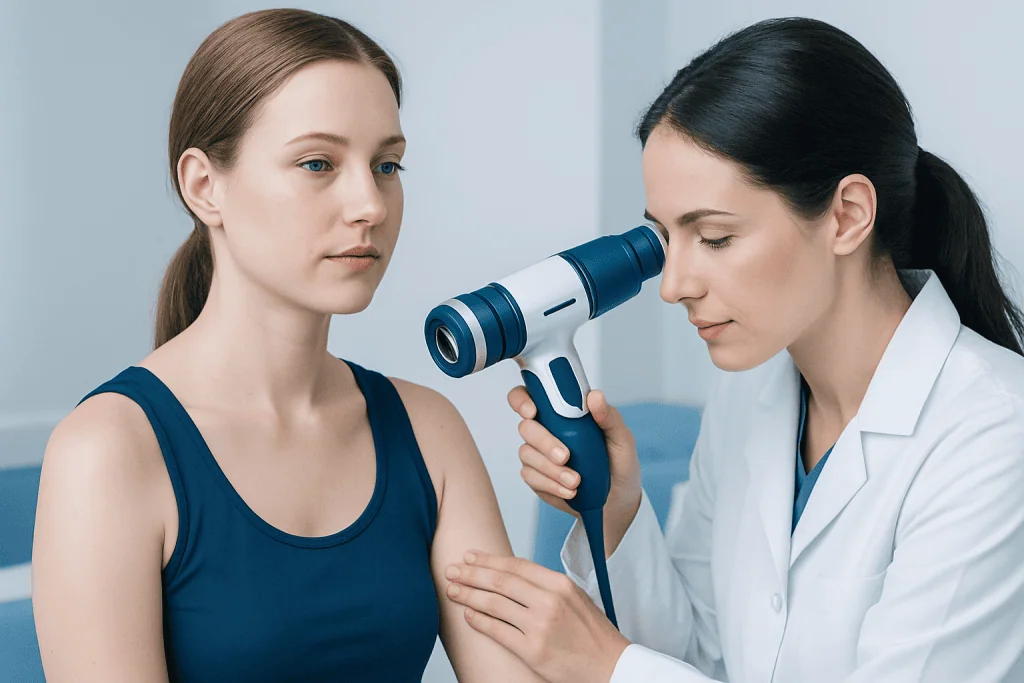
Skin color is primarily influenced by melanin, which is made by specialized cells called melanocytes. Genes play the biggest role in setting a person’s baseline skin tone. Hormones, inflammation, age, and sun exposure can also affect how much pigment is produced and how evenly it is distributed across the skin.
People with light skin generally have lower baseline melanin levels. As a result, blood vessels beneath the skin may be more visible, giving the skin a pink or rosy appearance in some areas. Freckles are also common, especially after sun exposure, because pigment can cluster in small spots rather than tanning evenly.
Not all light skin is the same. Some people have warm undertones, while others have cool or neutral undertones. Skin can also change temporarily because of temperature, exercise, irritation, or healing after inflammation. These normal variations are different from true pigment disorders, which may create sharply lighter patches or persistent generalized lightening.
When the concern is a change in color rather than a lifelong complexion, doctors look at how quickly the change appeared, whether it is localized or widespread, and whether symptoms such as itching, scaling, redness, or hair color changes are present. This helps distinguish normal variation from conditions such as vitiligo or post-inflammatory pigment change.
Common concerns in people with light skin

The most common health concern associated with light skin is sun sensitivity. People with fair complexions may develop sunburn after relatively short UV exposure, especially during midday hours or at high altitude. Repeated sun damage can contribute to premature aging, uneven pigmentation, visible blood vessels, and an increased risk of skin cancer over time.
Light skin may also be more likely to show redness, flushing, or irritation. Conditions such as eczema, contact dermatitis, and rosacea can be more visible because inflammation contrasts more clearly against a pale background. In some people, even mild irritation from fragrance, exfoliating acids, or over-cleansing can disrupt the skin barrier and cause stinging or dryness.
Another concern is the appearance of lighter patches rather than uniformly light skin. These changes may result from inflammation, fungal overgrowth, autoimmune conditions, or prior injury to the skin. Examples include pityriasis alba, tinea versicolor, and vitiligo. While some causes are harmless and temporary, others benefit from dermatologist review, especially if the areas are spreading or sharply defined.
Because suspicious spots can stand out differently on fair skin, self-checks are important. New moles, changing freckles, or non-healing lesions should be assessed promptly. If a person has repeated burning, a strong family history of skin cancer, or many atypical moles, regular professional skin examinations may be advised. Evaluation may include a full skin assessment and, when needed, dermatology care.
Causes of skin lightening and risk factors
Natural light skin is usually inherited and not caused by illness. However, skin that becomes lighter than normal can have several explanations. Post-inflammatory hypopigmentation may follow eczema, acne, burns, or other rashes. Infections such as tinea versicolor can also alter pigment, especially in warm or humid conditions. Autoimmune disorders, most notably vitiligo, may cause more distinct patches of pigment loss.
Chemical exposure can sometimes lighten the skin as well. Harsh bleaching agents, repeated irritation, or inappropriate use of cosmetic products may damage melanocytes or irritate the skin enough to alter pigment. This is one reason patients are encouraged to avoid unregulated whitening products or strong combinations of active ingredients without medical guidance.
Risk factors for problems related to light skin include frequent unprotected sun exposure, a history of blistering sunburns, outdoor work or hobbies, use of tanning beds, sensitive or allergic skin, and a personal or family history of skin cancer. Some medications can also increase photosensitivity, making fair skin even more vulnerable to UV damage.
Children and older adults may need extra attention. Children with fair complexions can burn quickly before they recognize discomfort, while older adults may have thinner skin and more cumulative sun damage. In either age group, prevention is often more effective than treatment after injury has occurred.
Evaluation and diagnosis
A doctor starts by asking whether the skin has always been light or whether a new color change has appeared. The pattern of the change matters. Uniformly fair skin from childhood is usually normal, while new patches, scaling, itching, redness, or white areas affecting hair may suggest a skin disorder. Sun exposure habits, family history, and product use are also helpful clues.
During the examination, the clinician looks at the color, borders, texture, and distribution of the skin findings. They may check whether the area has scale, signs of inflammation, or complete pigment loss. In some cases, a Wood’s lamp, dermoscopy, or a small skin sample may help clarify the diagnosis. If infection is suspected, simple skin scrapings may be examined.
Testing is not always needed for naturally light skin, but it can be important when the skin changes unexpectedly. Blood tests may be considered if an autoimmune condition or nutritional issue is suspected, depending on the patient’s overall symptoms and medical history. If there is concern about a suspicious lesion or possible skin cancer, further assessment may include skin biopsy.
Early diagnosis can be reassuring as well as practical. Many causes of light patches are benign and treatable, but they can look similar at first glance. A professional evaluation helps avoid unnecessary worry and supports the safest treatment plan.
Skin care, treatment options, and daily protection
For naturally light skin, treatment is not needed, but daily protection is. Broad-spectrum sunscreen, protective clothing, shade, and avoiding peak UV hours are the foundation of care. Sunscreen should be used consistently, not only on bright summer days, because UV exposure can still occur through clouds and during routine outdoor activities.
Gentle skin care also matters. A mild cleanser, fragrance-free moisturizer, and cautious use of exfoliating or anti-aging products can help protect the skin barrier. Patients with redness or sensitivity may do better with simpler routines and patch testing before trying new products. If irritation develops, it is usually wise to stop the suspected product and seek advice if symptoms persist.
When light areas result from a medical condition, treatment depends on the cause. Fungal conditions may improve with antifungal therapy, inflammatory skin disease may need prescription anti-inflammatory treatment, and vitiligo may be managed with topical medicines, light-based therapy, or other dermatologist-guided options. In selected cases, doctors may recommend phototherapy for pigment-related or inflammatory skin conditions.
If a suspicious growth, persistent sore, or concerning mole is found, the aim shifts from skin care to diagnosis and appropriate treatment. Management may range from monitoring to minor procedures or more advanced care, depending on the findings. Patients should avoid self-treating unexplained white patches or lesions with strong over-the-counter bleaching agents or steroid creams unless a clinician has advised them to do so.
Prevention and self-care habits
Preventive care for light skin centers on reducing avoidable damage. Daily sunscreen with broad-spectrum UV protection, a wide-brimmed hat, UV-protective sunglasses, and clothing that covers the shoulders and arms can all help. These measures are especially useful during travel, beach visits, water sports, skiing, and any long outdoor activity.
Moisturizing regularly helps support the skin barrier and may reduce irritation, scaling, and visible dryness. Lukewarm showers are often better than hot water for sensitive skin. Patients should also be cautious with scrubs, peels, fragrances, and home remedies that can trigger inflammation and lead to uneven pigment afterward.
Monthly skin self-checks can be useful for people with light skin, particularly those with many freckles or moles. Looking for new spots, changes in size or color, bleeding, crusting, or sores that do not heal can support early detection of skin problems. Taking photos over time can help some patients notice changes more accurately.
For patients seeking specialist assessment, multidisciplinary care may be helpful if the problem is complex or persistent. Near the end of the care pathway, patients may choose centers such as Acibadem International, where multidisciplinary specialists in JCI-accredited hospitals evaluate and treat skin conditions for international patients.
When to seek medical care
Medical advice is recommended if light skin changes are new, spreading, or limited to distinct patches rather than a lifelong uniform complexion. Patients should also seek care if the skin change is accompanied by itching, scale, redness, pain, hair whitening, or symptoms elsewhere in the body. These features can point to an underlying skin condition that may benefit from diagnosis and treatment.
Urgent assessment is important for any mole or spot that is changing, bleeding, crusting, or not healing. A severe sunburn, especially one with blistering, fever, dizziness, or signs of dehydration, also deserves prompt attention. Early care can reduce discomfort and lower the risk of complications.
Patients with repeated sunburns, a strong family history of skin cancer, or a personal history of suspicious lesions may benefit from regular dermatology follow-up even when no obvious problem is present. If the concern is a patchy loss of pigment that appears autoimmune in pattern, a clinician may also assess for associated conditions and discuss tailored monitoring.
Frequently asked questions
Is light skin normal?
Yes. Light skin is often a normal inherited skin tone caused by lower melanin levels. It is not a disease by itself, although it may need more careful protection from sun damage.
Does light skin burn more easily?
Often, yes. Because light skin usually has less melanin, it may have less natural protection against ultraviolet radiation. That is why daily sunscreen and sun-protective habits are especially important.
When is light skin a medical concern?
It becomes a concern when the skin suddenly becomes lighter, develops sharply defined white patches, or changes along with itching, scaling, redness, or hair color loss. These features can suggest a skin condition rather than a normal complexion.
Can light patches on the skin go away?
Some do, depending on the cause. Light patches related to mild inflammation or certain infections may improve with time or treatment, while conditions such as vitiligo may need longer-term management.
What is the best skin-care routine for light skin?
A simple routine is usually best: gentle cleansing, regular moisturizing, and daily broad-spectrum sunscreen. Products with heavy fragrance or strong exfoliating ingredients may irritate sensitive fair skin, so they should be introduced carefully.
Does light skin mean a person will get skin cancer?
No. Light skin does not mean a person will definitely develop skin cancer, but it can increase the risk, especially with repeated unprotected sun exposure. Regular self-checks and professional assessment of suspicious spots can help with early detection.
This article is for general information only and is not a substitute for professional medical advice. Please consult a qualified doctor about your individual situation.
Explore treatments in Turkey — costs, top hospitals & a free quote
JCI-accredited · board-certified surgeons · reply within 24h
Add us as a Preferred Source to see more of our trusted health content across Google Search, AI Overviews and Discover.

More from the Health Library

Black Spot on Toenail: A Complete Medical Overview

Geodon: What Patients Need to Know

Parasympathetic Nervous System: An Evidence-Based Guide for Patients

Mucinex Expectorant: A Complete Medical Overview

White Dots on the Throat: A Complete Medical Overview