Limb Lengthening Surgery Side Effects: What to Expect and How to Manage

Limb lengthening gradually separates a surgically divided bone so new bone can form in the gap. Pain, stiffness and reduced mobility are expected during recovery, while infection and delayed bone healing are less common but important risks.
Key Takeaways
- Limb lengthening gradually separates a surgically divided bone so new bone can form in the gap.
- Pain, stiffness and reduced mobility are expected during recovery, while infection and delayed bone healing are less common but important risks.
- Daily rehabilitation and scheduled imaging are essential parts of treatment, not optional additions.
- Recovery commonly takes many months and varies with the bone treated, length gained, device used and individual healing.
- Urgent assessment is needed for fever, worsening wound drainage, severe uncontrolled pain, sudden weakness or circulation changes.
Limb lengthening surgery side effects may include pain, swelling, muscle tightness, joint stiffness, pin-site problems and temporary nerve symptoms. Most concerns can be managed with careful surgical planning, regular monitoring, physical therapy and prompt attention to new symptoms.
Overview: What Side Effects Can Occur?
Limb lengthening surgery side effects can range from expected, temporary effects such as pain, swelling, fatigue and muscle tightness to complications that need medical treatment, including infection, joint contracture, nerve irritation or slow bone healing. The procedure is highly specialized because it affects not only bone, but also muscles, tendons, nerves, blood vessels and nearby joints.
The aim may be to correct a meaningful leg-length difference, restore alignment after injury or disease, or increase stature in carefully selected adults. The experience is different for every person, but safety depends on thorough assessment, a gradual lengthening plan, regular X-rays and committed rehabilitation. A surgical team should explain the expected benefits, limitations and possible complications before treatment begins.
Some people need lengthening because of a congenital difference, previous fracture, infection, growth-plate injury or bone disorder. In these situations, treatment may be part of broader orthopedic care for limb length discrepancy.
How Limb Lengthening Surgery Works
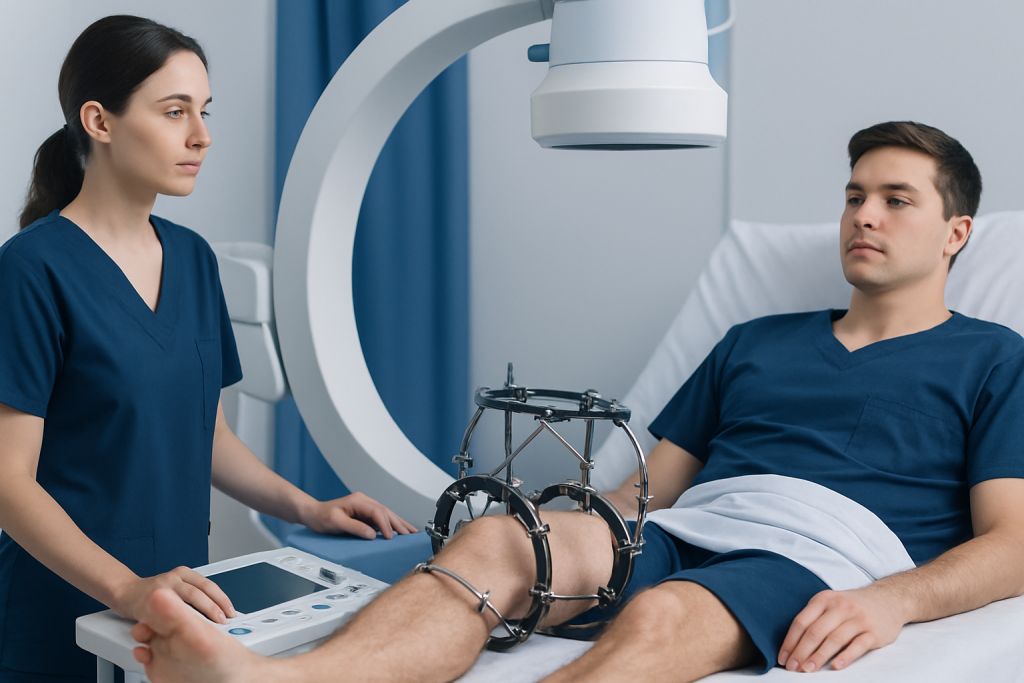
During limb lengthening, an orthopedic surgeon performs an osteotomy, which is a controlled surgical division of the bone. A device then gradually creates a small gap between the bone ends. The body responds by producing new bone in this space, a process called distraction osteogenesis.
The device may be external, with pins or wires connected to a frame outside the leg, or internal, such as a lengthening nail placed inside the bone. Internal devices are adjusted using a specialized external controller, while external frames are adjusted according to the surgeon’s plan. The most suitable approach depends on the bone, the amount of correction required, bone shape, prior surgery and overall health.
Lengthening is deliberately slow, often progressing in small daily increments after an initial healing period. Once the desired length or correction is reached, the new bone needs time to harden and become strong enough for increasing activity. This consolidation phase is an important reason recovery takes months rather than weeks.
Candidacy and the Step-by-Step Treatment Process

Suitable candidates need healthy enough bone and soft tissues, realistic goals and the ability to participate in a demanding follow-up plan. Surgeons consider age, growth status, limb alignment, joint movement, circulation, infection history, nutrition, smoking status, mental wellbeing and the support available during recovery. Existing severe joint disease, uncontrolled medical conditions or an inability to follow rehabilitation instructions may increase risk.
Planning usually includes physical examination, standing X-rays and measurements of limb length and alignment. Additional scans or blood tests may be used when needed. The team discusses whether the goal is length correction, deformity correction, stature lengthening or a combination, and sets a safe target for the individual.
The operation is performed under anesthesia. After the bone is divided and the chosen device is fitted, there is a short latency period before gradual lengthening begins. During the distraction phase, patients attend frequent reviews and imaging appointments. After distraction ends, the device remains in place while the new bone consolidates; later, an internal nail may be removed if the surgeon recommends this.
For people considering this procedure, limb lengthening surgery should be discussed with an orthopedic limb reconstruction specialist who can explain the device options, expected rehabilitation and individualized risk profile.
Expected Effects, Recovery Timeline and Day-to-Day Management
Early after surgery, soreness around the incision and bone site, swelling, bruising and tiredness are common. Pain often changes during the lengthening phase as muscles and tendons adapt to the gradually increasing bone length. The care team creates an individualized pain-management plan and may adjust it as recovery progresses.
Muscle tightness and joint stiffness are among the most important practical challenges. The knee, ankle, hip or shoulder may become difficult to move fully, depending on the limb treated. Regular physiotherapy, prescribed stretching, safe weight-bearing guidance and use of mobility aids help protect joint movement and function. Missing therapy sessions can make stiffness harder to reverse.
The timeline varies widely. Hospital recovery may be relatively brief, but the active lengthening stage commonly lasts weeks, followed by a longer period for bone consolidation. Many people need crutches, a walker or a wheelchair for part of treatment. Return to work, school, driving and sports should be based on healing, strength, balance and the surgeon’s advice rather than a fixed calendar date.
Useful self-care includes attending all X-ray visits, following device-care instructions, maintaining adequate protein and overall nutrition, avoiding tobacco products, and reporting changes in pain or wound appearance. Families and caregivers can also help by supporting exercises, transportation and emotional wellbeing during a lengthy recovery.
Risks and Benefits of Limb Lengthening
The potential benefit is improved limb symmetry, alignment, walking comfort or function when a clinically significant difference or deformity is causing problems. In selected patients, correction can reduce the need for shoe lifts and may improve confidence in movement. However, benefits depend on the underlying condition, joint health, final alignment and the person’s engagement with rehabilitation.
Possible complications include wound or deep infection, particularly around external fixation pins; delayed union or nonunion, where new bone forms slowly or incompletely; bone healing in an unwanted alignment; device problems; blood clots; and the need for additional procedures. Internal devices reduce pin-site concerns but still carry surgical and device-related risks.
Nerves and blood vessels can be stretched as lengthening progresses. This may lead to tingling, numbness, altered sensation, weakness or pain. Tight muscles and tendons can contribute to contractures, where a joint cannot straighten or bend normally. Frequent clinical checks allow the team to slow, pause or alter the plan if tissues are not adapting well.
There can also be emotional and social effects. Limited independence, disruption to work or education, altered sleep and the long duration of treatment can be challenging. Discussing practical support and mental health needs before surgery is part of responsible preparation.
How Risky Is Height Lengthening Surgery?
Height lengthening surgery is a major elective orthopedic procedure, so it carries meaningful risks and should not be viewed as a simple cosmetic intervention. The overall level of risk varies according to the lengthening target, bones treated, surgical method, medical history, rehabilitation participation and the experience of the specialist team.
Potential problems include pain, stiffness, infection, nerve symptoms, slow bone formation, malalignment, blood clots and further surgery. Longer planned lengthening generally places greater demands on muscles, nerves and joints, which may increase the chance of complications. Careful selection and gradual treatment reduce risk but cannot remove it entirely.
A person considering stature lengthening should have a detailed consultation with a limb reconstruction surgeon and, where appropriate, psychological assessment. The decision should be based on accurate expectations about function, recovery time, scars, temporary loss of independence and possible need for additional treatment.
Do You Ever Fully Recover From Limb Lengthening Surgery?
Many people regain good mobility and return to daily activities after limb lengthening, especially when bone healing, alignment and joint motion progress as planned. However, “full recovery” has no single definition. It may mean solid bone healing, walking without an aid, returning to work or sport, or reaching the best possible range of motion for that individual.
Recovery can take many months, and some people require longer-term physiotherapy or additional procedures. A small number may have lasting stiffness, sensory changes, weakness, scars or altered activity limits. Pre-existing joint problems, the amount of lengthening and complications during treatment can affect the final outcome.
Follow-up remains important after the device is removed or treatment appears complete. The surgeon may monitor alignment, bone strength, gait and joint health before clearing a return to higher-impact activities.
What Is the Best Age for Leg Lengthening?
The best age for leg lengthening depends on why treatment is needed. For children with limb-length difference, orthopedic teams may monitor growth over time and plan treatment around predicted final discrepancy, remaining growth and the health of the hip, knee and ankle. Some children benefit from procedures performed during growth, while others may need lengthening closer to skeletal maturity.
Adults can also undergo limb lengthening when medically appropriate, but their bone quality, joint condition, general health and rehabilitation capacity need careful review. There is no universal “best” age for all patients, and age alone does not determine suitability.
For stature lengthening, candidates should have completed skeletal growth. A specialist can confirm this with clinical assessment and imaging, then discuss whether the person’s anatomy and goals make surgery appropriate.
Is Limb Lengthening the Most Painful Surgery?
There is no reliable way to rank one operation as the “most painful” because pain is personal and influenced by the procedure, tissue healing, anxiety, sleep, rehabilitation demands and individual pain sensitivity. Limb lengthening can be uncomfortable because it involves both an operation and a prolonged period in which bone and soft tissues gradually adapt.
Many patients experience changing levels of discomfort rather than constant severe pain. Pain may increase temporarily after surgery, during adjustments or with demanding therapy, but it should be discussed promptly if it is worsening or preventing sleep, movement or participation in rehabilitation.
Modern care uses a multimodal approach that may include medication, activity modification, physical therapy and regular assessment. The safest plan is individualized by the treating team, particularly for patients with other medical conditions or previous chronic pain.
When to Seek Medical Care
Contact the surgical team promptly for increasing redness, warmth, swelling, drainage or unpleasant odor around an incision or pin site; fever; worsening pain that does not respond to the prescribed plan; new numbness or weakness; or difficulty moving the toes or foot. These symptoms do not always indicate a serious complication, but they need timely assessment.
Urgent medical care is needed for chest pain, shortness of breath, fainting, a suddenly cold or pale limb, severe calf swelling, uncontrolled bleeding or rapidly escalating pain. These can be signs of problems that should not wait for a routine appointment.
Acibadem International’s multidisciplinary specialists and JCI-accredited hospitals provide assessment, limb reconstruction surgery and rehabilitation planning for international patients. Ongoing communication with the orthopedic surgeon and physiotherapy team is central to safe recovery.
Frequently asked questions
What are the most common limb lengthening surgery side effects?
Common effects include postoperative pain, swelling, bruising, muscle tightness, fatigue and temporary reduction in mobility. During gradual lengthening, stiffness around nearby joints can develop and requires regular physiotherapy. Some patients also experience temporary tingling or altered sensation as soft tissues adapt.
How long does pain last after limb lengthening surgery?
Pain is usually most noticeable in the early postoperative period, but discomfort may fluctuate throughout the lengthening phase and rehabilitation. The duration varies with the bone treated, device used, amount of correction and individual healing. Pain that is worsening, severe or accompanied by fever, drainage, numbness or weakness should be reported promptly.
Can limb lengthening cause permanent nerve damage?
Nerves can be irritated or stretched during lengthening, causing numbness, tingling, burning sensations or weakness. Many nerve symptoms improve when identified early and managed by adjusting the lengthening plan or treating the underlying cause. Permanent nerve problems are possible but are not expected in an uncomplicated recovery.
How long does it take for the new bone to heal?
New bone forms gradually during distraction and then requires a consolidation period to become strong. The total healing time varies considerably and is monitored with repeated X-rays. The surgeon determines when weight-bearing and higher-impact activity can safely increase.
Can I walk during limb lengthening treatment?
Some patients can perform limited weight-bearing with crutches or a walker, while others need stricter protection depending on the device, bone healing and surgical plan. Mobility instructions can change during recovery. Patients should follow their surgeon's guidance rather than testing weight-bearing independently.
What helps reduce complications after limb lengthening?
Regular follow-up, scheduled imaging, daily prescribed exercises and appropriate wound or pin-site care are key measures. Good nutrition, avoiding tobacco and promptly reporting new symptoms also support healing. The rehabilitation plan should be followed closely because maintaining joint movement is especially important.
References
- American Academy of Orthopaedic Surgeons
- International Center for Limb Lengthening
- Hospital for Special Surgery
- National Institute of Arthritis and Musculoskeletal and Skin Diseases
- OrthoInfo
This article is for general information only and is not a substitute for professional medical advice. Please consult a qualified doctor about your individual situation.
Limb Lengthening in Turkey — costs, top hospitals & a free quote
JCI-accredited · board-certified surgeons · reply within 24h
Add us as a Preferred Source to see more of our trusted health content across Google Search, AI Overviews and Discover.