Linea Alba: What Patients Need to Know
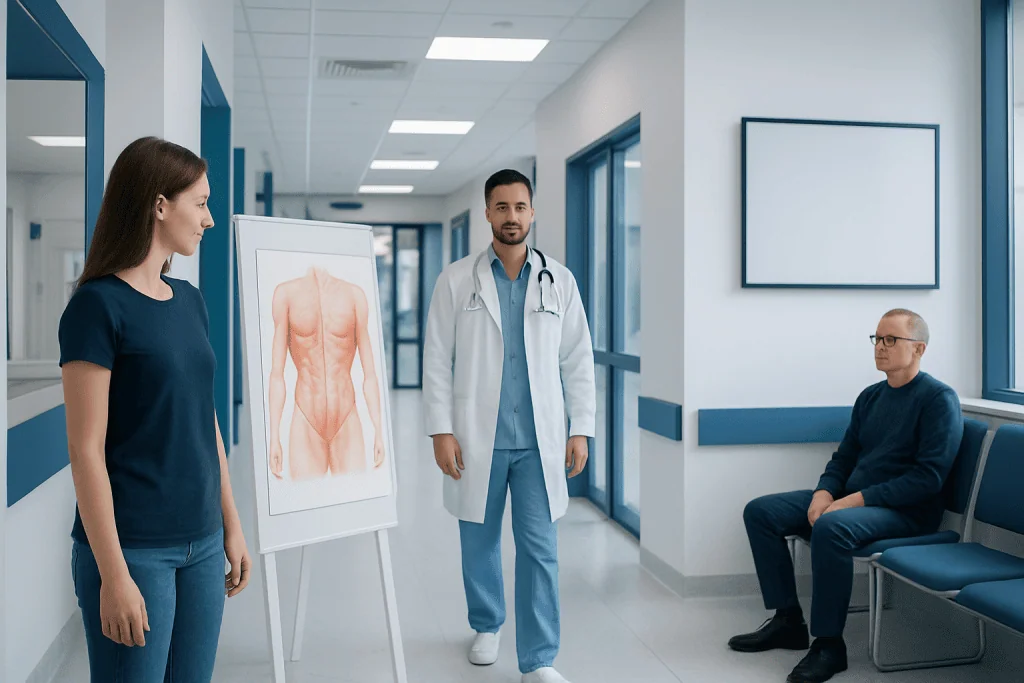
The linea alba is a normal fibrous structure in the center of the abdominal wall. Problems involving the linea alba often relate to stretching, weakness, or small hernias rather than disease of the tissue itself.
Key Takeaways
- The linea alba is a normal fibrous structure in the center of the abdominal wall.
- Problems involving the linea alba often relate to stretching, weakness, or small hernias rather than disease of the tissue itself.
- Common concerns include a visible midline bulge, abdominal weakness, or discomfort during straining.
- Diagnosis usually involves a physical examination and sometimes imaging such as ultrasound.
- Treatment depends on the cause and may range from exercise-based rehabilitation to surgery for hernia repair.
- Persistent pain, a new lump, or worsening swelling should be assessed by a doctor.
Linea alba is the strong band of connective tissue that runs down the middle of the abdomen and helps join the abdominal muscles. It is a normal body structure, but when it stretches or weakens, it can be linked to concerns such as abdominal muscle separation or certain types of hernia.
Overview: what the linea alba is
The linea alba is a vertical band of tough connective tissue that runs from the lower end of the breastbone to the pubic bone. It sits in the exact midline of the abdomen and joins the left and right rectus abdominis muscles, sometimes called the “six-pack” muscles. In most people, it is not something they notice in daily life because it is simply part of the normal structure of the abdominal wall.
Patients usually hear the term linea alba when a doctor is discussing abdominal wall weakness, a midline bulge, diastasis recti, or a hernia. In these situations, the issue is not that the linea alba should not be there. Rather, the concern is that this tissue may have become stretched, thinned, or opened enough for the abdominal wall to lose support.
This distinction matters because “linea alba” itself is not a diagnosis. It is an anatomical structure. Symptoms arise when related conditions affect the abdominal wall, such as a hernia or separation of the abdominal muscles. Understanding this can help patients make sense of examination findings and treatment recommendations.
How the linea alba supports the abdominal wall
The abdominal wall is made of muscles, fascia, and connective tissue that work together to support posture, breathing, movement, and pressure inside the abdomen. The linea alba acts like a central seam. It helps transfer force between the left and right sides of the body and gives the front of the abdomen stability.
When a person coughs, lifts, changes position, or strains, the abdominal wall must handle increased pressure. A healthy linea alba helps distribute this force. If the tissue becomes stretched or weakened, the midline may become less stable, which can make a bulge more visible or reduce core support.
This is one reason the linea alba is often discussed after pregnancy, major weight changes, repeated straining, or abdominal surgery. It is also why doctors evaluate nearby structures carefully before deciding whether symptoms are due to muscle separation, a small midline hernia, or another cause of abdominal discomfort.
Symptoms and signs patients may notice

Many people with a linea alba-related concern first notice a change in the shape of the abdomen rather than pain. A ridge or bulge in the center of the abdomen may appear when sitting up, coughing, or tightening the stomach muscles. Some patients describe a sense of weakness in the core or the feeling that the abdomen “pushes out” in the middle.
Symptoms vary depending on the underlying problem. With abdominal muscle separation, there may be little or no pain, but posture changes, back discomfort, or reduced abdominal support can occur. With a small midline or epigastric hernia, there may be a localized lump, tenderness, or discomfort that gets worse with exertion.
Possible signs include:
- A visible line, ridge, or dome-shaped bulge in the center of the abdomen
- A soft lump above the belly button or along the midline
- Discomfort when coughing, lifting, or straining
- A feeling of abdominal weakness or instability
- Cosmetic concerns about abdominal contour
- Less commonly, persistent pain or a lump that does not reduce
Not every midline bulge is serious, but ongoing symptoms should be checked by a qualified doctor. A careful assessment can determine whether the issue is mostly functional, cosmetic, or in need of repair.
Common causes and related conditions
The linea alba can stretch when the pressure inside the abdomen repeatedly increases or when the connective tissue is under strain for a long period. Pregnancy is a common example because the growing uterus pushes the abdominal wall outward. This may contribute to diastasis recti, in which the left and right rectus muscles separate as the linea alba thins and widens.
Weight gain, heavy lifting, chronic coughing, constipation with straining, and intense abdominal pressure during exercise can also place repeated stress on the abdominal wall. In some people, age-related tissue changes or inherited differences in connective tissue strength may play a role. Previous abdominal surgery may also alter the support of the area.
Another related condition is an epigastric hernia, in which fat or tissue pushes through a weak spot in the midline abdominal wall, often between the breastbone and belly button. This differs from muscle separation because a true hernia involves a defect or opening in the fascia. If symptoms suggest a hernia, a doctor may discuss options such as hernia surgery depending on the size, symptoms, and examination findings.
Less often, patients may confuse the normal linea alba with skin changes, scars, or other abdominal wall lumps. Because causes can overlap, self-diagnosis is not always reliable.
How doctors diagnose linea alba-related problems
Diagnosis begins with a medical history and physical examination. The doctor will usually ask when the bulge or discomfort began, whether it changes with activity, and whether there is pain, constipation, coughing, or a history of pregnancy, surgery, or heavy lifting. Examination often includes observing the abdomen while the patient lifts the head, coughs, or tenses the abdominal muscles.
In many cases, the physical exam gives enough information to identify abdominal muscle separation or a likely hernia. The doctor may feel for a gap between the rectus muscles, check whether a lump is reducible, and assess for tenderness or signs of complication. This bedside evaluation is often the most important step.
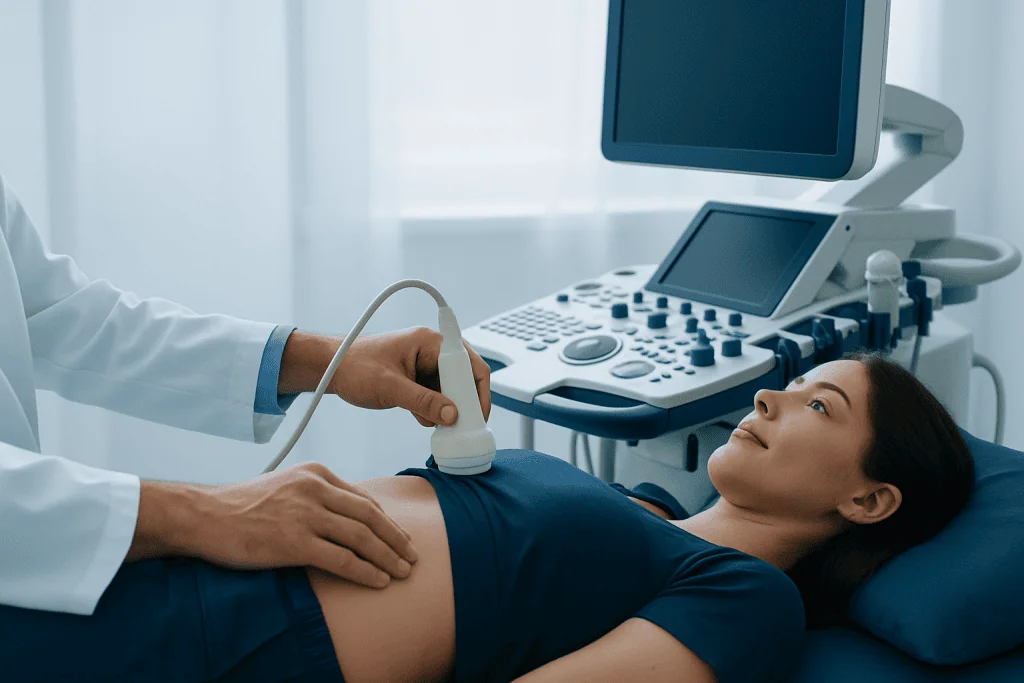
If the findings are unclear, imaging may be used. Ultrasound is commonly chosen because it can show the abdominal wall in motion and help distinguish a hernia from other soft tissue changes. In selected cases, cross-sectional imaging may be helpful, especially if symptoms are complex or surgery is being considered. Patients who need a broader work-up may also be guided toward a comprehensive medical check-up when abdominal symptoms overlap with other concerns.
Treatment options and recovery
Treatment depends on the cause, the severity of symptoms, and the goals of the patient. If the issue is mild abdominal wall stretching without a true hernia, treatment may focus on observation, posture, activity modification, and guided rehabilitation. A structured exercise program aimed at deep core control can help some patients improve function and abdominal support.
For patients with diastasis recti, treatment is often conservative at first. A doctor or physiotherapist may suggest targeted core exercises, breathing techniques, and strategies to reduce pressure on the abdominal wall during daily movement. Aggressive unsupervised exercises are not always helpful and may worsen bulging in some people, so proper guidance matters.
When a hernia is present and causes symptoms such as pain, a persistent lump, or limitations in daily activities, surgery may be considered. Depending on the type and size of the defect, repair may be performed using open or minimally invasive techniques, including laparoscopic surgery in appropriate cases. The aim is to restore strength to the abdominal wall and reduce the risk of ongoing symptoms or complications.
Recovery varies by treatment. Conservative care may require weeks to months of regular exercises and habit changes. After surgery, patients are usually advised to follow instructions on lifting limits, wound care, and gradual return to activity. Near the end of the care pathway, some international patients choose centers such as Acibadem International, where multidisciplinary specialists in JCI-accredited hospitals evaluate and treat abdominal wall conditions.
Prevention and self-care
Not every problem involving the linea alba can be prevented, but some habits may reduce strain on the abdominal wall. Good body mechanics during lifting, treatment of chronic cough, avoiding excessive straining with bowel movements, and maintaining a healthy weight can all support abdominal wall health. After pregnancy or surgery, a gradual return to exercise is often safer than pushing too quickly into intense core work.
Patients often benefit from learning how to engage the deep abdominal muscles without forceful bearing down. Breathing patterns matter as well. Exhaling during effort and avoiding repeated high-pressure maneuvers may help reduce bulging in vulnerable people. A physiotherapist or rehabilitation specialist can tailor exercises to the individual.
Helpful self-care measures may include:
- Using proper lifting technique and avoiding sudden heavy strain
- Treating constipation to reduce pushing during bowel movements
- Managing chronic cough or respiratory conditions
- Building core strength gradually under professional guidance
- Monitoring any abdominal lump for changes in size, pain, or reducibility
Self-care has limits, however. A lump that is enlarging, painful, or firm should not be managed at home without medical advice.
When to seek medical care
Medical review is appropriate if a person notices a new midline abdominal bulge, ongoing abdominal wall weakness, or discomfort that returns with coughing, lifting, or exercise. Even when the cause is not urgent, an accurate diagnosis can clarify whether the finding is a normal variation, muscle separation, or a hernia that may need follow-up.
More prompt assessment is needed if the lump becomes suddenly painful, hard, red, or difficult to push back in, or if it is associated with nausea, vomiting, fever, or worsening abdominal pain. These symptoms can sometimes suggest a hernia complication and deserve urgent medical attention.
Patients should also seek advice if abdominal changes affect function, posture, confidence, or recovery after pregnancy or surgery. Early guidance can help avoid unnecessary worry and support more effective treatment planning.
Frequently asked questions
Is the linea alba a disease?
No. The linea alba is a normal band of connective tissue in the middle of the abdomen. Doctors usually mention it when discussing conditions that affect the abdominal wall, such as muscle separation or hernia.
Can the linea alba cause a bulge in the stomach?
A visible midline bulge can happen when the linea alba is stretched or weakened, especially during straining or sitting up. The bulge may be related to diastasis recti or a hernia, so an examination is helpful to tell the difference.
What is the difference between linea alba problems and a hernia?
A stretched or widened linea alba may lead to weakness or muscle separation without a true hole in the abdominal wall. A hernia means tissue is pushing through an actual defect or opening, which may need closer monitoring or repair.
Does diastasis recti always need surgery?
No. Many people improve with conservative treatment, including guided core rehabilitation and lifestyle adjustments. Surgery is usually considered when symptoms are significant, functional problems persist, or a hernia is also present.
How is a linea alba-related condition diagnosed?
Diagnosis usually starts with a physical examination and a discussion of symptoms, pregnancy history, activity level, and prior surgery. If needed, ultrasound or other imaging can help confirm whether there is a hernia or another abdominal wall problem.
When should someone worry about a lump along the linea alba?
A new or changing lump should be assessed if it is painful, growing, or causing discomfort with strain. Urgent care is important if the lump becomes firm, very tender, red, difficult to reduce, or is accompanied by vomiting or severe abdominal pain.
References
- National Institute of Diabetes and Digestive and Kidney Diseases
- American College of Surgeons
- MedlinePlus
- Cleveland Clinic
- National Health Service
This article is for general information only and is not a substitute for professional medical advice. Please consult a qualified doctor about your individual situation.
Explore treatments in Turkey — costs, top hospitals & a free quote
JCI-accredited · board-certified surgeons · reply within 24h
Add us as a Preferred Source to see more of our trusted health content across Google Search, AI Overviews and Discover.

More from the Health Library

Blood Sugar After Eating: An Evidence-Based Guide for Patients

Blackhead Remover: An Evidence-Based Guide for Patients

Strong Coffee: A Complete Medical Overview

Melena: An Evidence-Based Guide for Patients

Parathyroid — Explained by Medical Evidence, Not Myths