Lip Spots How to Get Rid: What Works, What Does Not, and Safety Notes

The best way to get rid of lip spots depends on the cause, not just the color or size of the spot. Evidence-backed first steps include daily lip sun protection, avoiding irritants, and not picking or scrubbing the area.
Key Takeaways
- The best way to get rid of lip spots depends on the cause, not just the color or size of the spot.
- Evidence-backed first steps include daily lip sun protection, avoiding irritants, and not picking or scrubbing the area.
- Home remedies such as lemon juice, toothpaste, or harsh exfoliation can worsen irritation and pigmentation.
- A new, changing, painful, bleeding, or one-sided lip spot should be checked by a doctor promptly.
- Persistent pigment changes may need assessment by a dermatologist, especially to rule out skin cancer or inflammatory causes.
Lip spots can sometimes fade with sun protection, avoiding irritation, and cause-specific treatment, but there is no single remedy that works for every spot. The safest way to get rid of lip spots is to first identify whether the mark is from dryness, irritation, pigmentation, infection, or a condition that needs medical evaluation.
Overview: what works and what does not
If someone is searching for lip spots how to get rid, the short answer is this: some lip spots improve with simple care, but treatment only works well when it matches the cause. Sun-related spots, post-inflammatory dark marks, and irritation from lip products may improve with sun protection and trigger avoidance, while infections, vascular spots, and suspicious lesions usually need professional assessment.
What tends to work best first is gentle, low-risk care: using a fragrance-free lip balm, applying lip sunscreen, stopping irritating products, and avoiding biting, picking, or aggressive exfoliation. What usually does not work well is trying random bleaching agents, DIY acids, lemon juice, toothpaste, or scrubs on the lips. The lip skin is thin and sensitive, so these approaches often cause more inflammation and can make spots darker or slower to heal.
Lip spots are not one single condition. A spot may be brown, black, blue, red, white, or purple; flat or raised; painful or painless. Because the possibilities range from harmless pigmentation to infection to rare but serious disease, the goal is not only cosmetic improvement but also making sure a concerning lesion is not missed.
Common types of lip spots and what they may mean
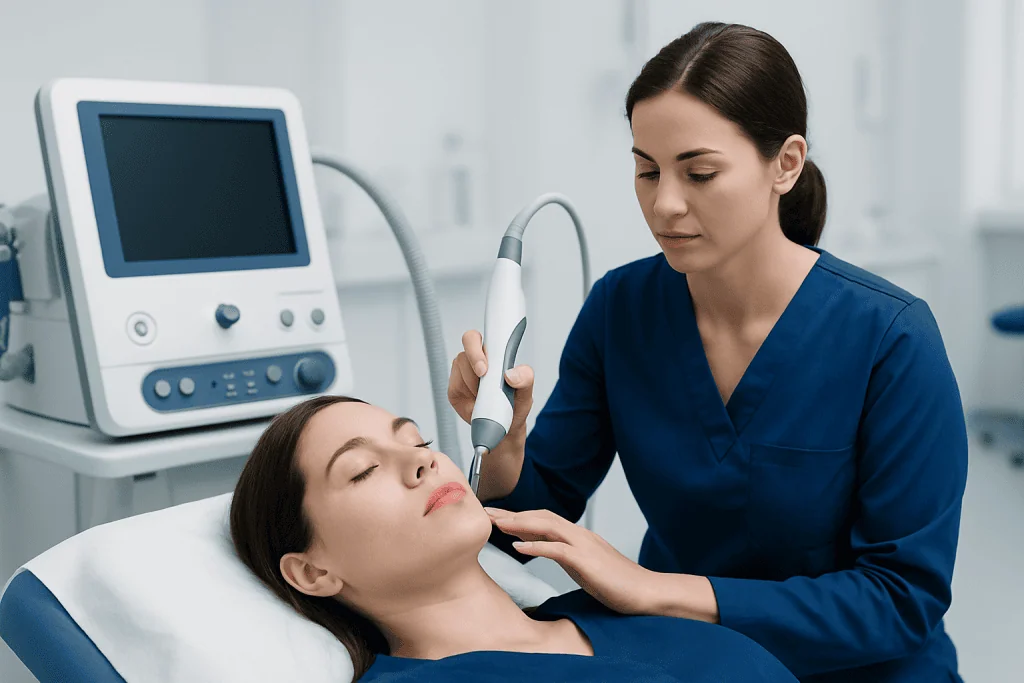
A dark or brown spot on the lip may come from sun exposure, smoking, healed irritation, or a benign pigment condition such as a labial melanotic macule. These are often flat and painless. In some people, lip spots also appear after inflammation from chapping, allergic reactions, acne around the mouth, or lip licking.
Red, purple, or blue spots can have different causes. A small red blister-like area may be a blood blister from minor trauma. A soft blue or purple bump can sometimes be a venous lake, which is a benign enlarged blood vessel often linked to sun exposure and aging. Cold sores, caused by herpes simplex virus, usually begin with tingling and develop into painful grouped blisters rather than a single stable pigmented spot; readers looking into recurring lip sores may find cold sores useful background information.
White or pale spots may be related to irritation, Fordyce spots, cysts, fungal infection, or inflammation. A rough scaly patch on the lip can suggest sun damage such as actinic cheilitis, which is important because it can sometimes progress to cancer. A black or irregularly pigmented lesion that is new or changing needs medical review to rule out serious causes including skin cancer.
- Usually benign examples: post-inflammatory dark marks, melanotic macules, venous lakes, Fordyce spots
- Common inflammatory causes: chapped lips, allergic contact cheilitis, lip licking, irritation from cosmetics
- Causes needing assessment: persistent ulcers, bleeding lesions, irregular pigmented spots, rapidly growing bumps
Evidence-backed ways to help lip spots fade

The most reliable self-care step is daily sun protection. Lips receive significant ultraviolet exposure, and this can trigger or deepen pigment changes. A lip balm with broad-spectrum SPF, reapplied regularly outdoors, can help prevent darkening and may allow some sun-related spots to fade over time. Wearing a wide-brimmed hat adds another layer of protection.
The next important step is removing likely triggers. Fragranced lip balms, long-wear lipsticks, cinnamon- or menthol-containing products, smoking, and repeated lip licking can all keep the area inflamed. Switching to a bland, fragrance-free emollient and stopping suspected irritants often helps if the spot is linked to post-inflammatory pigmentation or mild contact dermatitis.
If a doctor confirms the spot is benign but persistent, in-office treatment may be considered. Depending on the diagnosis, options can include prescription creams, cryotherapy, laser treatment, or biopsy of a suspicious lesion. When assessment by a skin specialist is needed, dermatology evaluation can help determine whether a spot is inflammatory, vascular, infectious, or pigment-related and whether treatment is appropriate.
For spots related to a diagnosed condition, treatment should target the underlying cause rather than only the appearance. For example, recurrent viral lesions may be managed differently from sun spots or vascular lesions. If a pigmented lesion looks atypical, a doctor may recommend skin cancer treatment planning only after proper examination and, if needed, biopsy.
What does not work well, and what may be unsafe
Many online remedies for lip spots have weak evidence or clear safety concerns. Lemon juice, apple cider vinegar, baking soda, toothpaste, hydrogen peroxide, and undiluted essential oils can irritate or burn the lips. Because inflammation itself can lead to more discoloration, these methods may leave the spot darker and the lip more sensitive.
Harsh exfoliation is another common mistake. Scrubbing the lips with sugar, brushes, or abrasive products may temporarily remove loose skin, but it does not treat most true pigmented spots. Instead, it can create micro-injury, prolong healing, and increase dryness or cracking.
Skin-lightening products also deserve caution. Ingredients that may be used on other parts of the skin are not automatically safe for lips or the mucosal border. Even over-the-counter active ingredients can cause irritation near the mouth, and stronger agents should only be used when a clinician confirms the diagnosis and explains safe use. Self-treating an undiagnosed dark spot with bleaching products can delay recognition of an important condition.
Anecdotal remedies may seem appealing because they are inexpensive or easy to try, but anecdotal is not the same as evidence-based. If a spot is persistent, one-sided, irregular, or changing, the safest choice is medical evaluation rather than repeated home experiments.
Causes and risk factors that influence treatment
Sun exposure is one of the most common contributors to lip spots, especially on the lower lip. People who spend a lot of time outdoors, have a history of sun damage, or do not use lip SPF may develop pigmentation or actinic changes over time. Smoking can also contribute to lip discoloration and delayed healing.
Inflammation is another major factor. Eczema, allergic reactions to lip products, repeated cold sore outbreaks, lip licking, and trauma from biting can all leave post-inflammatory pigment changes after the skin appears to heal. In these cases, fading is usually slower if the trigger continues.
Some spots are related to blood vessels, infections, medications, or underlying health conditions. A clinician may ask about new cosmetics, dental products, smoking, sun habits, systemic symptoms, and whether the lesion bleeds or has changed shape. This history helps separate common benign causes from conditions that need testing or biopsy.
Skin tone also matters. People with darker skin tones may be more prone to visible post-inflammatory pigmentation after even mild irritation. This does not mean the spot is dangerous, but it does mean gentle care and trigger control are especially important while the area heals.
Diagnosis: why identifying the spot matters
Doctors diagnose lip spots by looking closely at the lesion and asking how long it has been present, whether it has changed, and whether symptoms such as pain, itching, bleeding, or tingling occur. They may ask about sun exposure, smoking, previous cold sores, lip products, and any history of skin cancer or immune problems.
In many cases, examination by a dermatologist is enough to identify a benign cause such as a venous lake, melanotic macule, or irritation-related pigmentation. Sometimes dermoscopy, a magnified skin exam, helps distinguish harmless patterns from suspicious ones. If there is uncertainty, a biopsy may be recommended. This is especially important for a dark spot that is irregular, enlarging, ulcerated, or not healing.
Testing is not needed for every lip spot, but diagnosis matters because the lip is a high-visibility area and a sensitive site where self-treatment can do harm. Proper assessment helps avoid unnecessary products, identifies lesions that are best left alone, and ensures potentially serious conditions are treated early. If reconstruction is needed after removal of a concerning lesion, specialists in plastic and reconstructive surgery may be involved to support both healing and appearance.
Prevention and self-care for healthier lips
Prevention focuses on protecting the lips and reducing repeated irritation. A simple routine often works best: use a bland lip moisturizer, apply broad-spectrum SPF on the lips every day, reapply outdoors, and avoid picking dry skin. Hydration and indoor humidification may also help people whose lips crack easily, although these steps do not directly remove pigment.
It can also help to review products that touch the lips or mouth. Lipsticks, balms, toothpaste, mouthwash, and even musical instruments or occupational exposures may contribute to irritation in some people. If a product seems linked to redness or repeated flare-ups, stopping it and discussing alternatives with a clinician is reasonable.
Lifestyle habits matter too. Stopping smoking may reduce further discoloration and benefits overall health. Preventing recurrent sun damage is especially important for anyone with a history of actinic changes, frequent outdoor work, or previous treatment for suspicious lesions.
Near the end of the care journey, some people want reassurance about specialist support. Acibadem International’s multidisciplinary specialists and JCI-accredited hospitals evaluate and treat lip lesions for international patients when medical assessment or procedural treatment is needed.
When to seek medical care
Seek prompt medical care if a lip spot is new and dark, changing in size or color, irregular in shape, one-sided, bleeding, crusting, ulcerated, painful without a clear cause, or not healing after two to three weeks. These red-flag features do not always mean cancer, but they do need timely assessment. A spot associated with significant swelling, fever, spreading redness, or trouble eating and drinking also deserves medical attention.
Medical review is also sensible if home care has not helped, if spots keep returning, or if there are several lesions appearing at once. Persistent tingling blisters may suggest recurrent herpes infection, while rough scaly patches can be a sign of sun-related damage that should not be ignored. People with weakened immune systems or a personal history of skin cancer should have a lower threshold for evaluation.
In general, the safest rule is simple: if the cause is not obvious, the spot lasts longer than expected, or the appearance is changing, a qualified doctor or dermatologist should assess it. Early diagnosis can spare unnecessary treatments and identify the minority of cases that need more than routine self-care.
Frequently asked questions
Can lip spots go away on their own?
Some can. Spots caused by minor irritation, healing inflammation, or a small blood blister may fade over time, especially if the lips are protected from sun and further trauma. Persistent, changing, or unexplained spots should be evaluated rather than watched indefinitely.
What is the safest first step for lip spots how to get rid?
The safest first step is gentle care: stop irritating products, use a bland lip moisturizer, and apply broad-spectrum lip SPF daily. This helps many benign causes and avoids making the area worse while the spot is being observed or evaluated.
Is lemon juice good for dark spots on lips?
Usually no. Lemon juice is acidic and can irritate the thin skin of the lips, which may lead to burning, dryness, and more pigmentation afterward. It is better to avoid home acids unless a clinician specifically recommends a treatment.
Are black spots on the lips always serious?
No, many black or brown spots are benign, such as melanotic macules or post-inflammatory pigment changes. However, a new, irregular, enlarging, or bleeding dark spot should be checked promptly because appearance alone cannot reliably rule out serious disease.
Can lip balm with SPF really help fade spots?
It may help prevent spots from getting darker and can support gradual fading when sun exposure is part of the cause. SPF is more effective as prevention and maintenance than as a quick treatment, but it is one of the most evidence-based steps for lip pigmentation.
Should a person scrub or exfoliate a lip spot?
Usually not. Scrubbing may remove flaky skin but does not treat most actual spots, and it can trigger more irritation or discoloration. Gentle moisturizing is typically safer than abrasive exfoliation.
References
- American Academy of Dermatology
- National Health Service
- Mayo Clinic
- American Cancer Society
- DermNet
This article is for general information only and is not a substitute for professional medical advice. Please consult a qualified doctor about your individual situation.
Explore treatments in Turkey — costs, top hospitals & a free quote
JCI-accredited · board-certified surgeons · reply within 24h
Add us as a Preferred Source to see more of our trusted health content across Google Search, AI Overviews and Discover.