Lipedema Versus Cellulite: An Evidence-Based Guide for Patients

Lipedema usually causes symmetrical enlargement of the legs or arms with tenderness, easy bruising, and a feeling of heaviness. Cellulite causes dimpling or an orange-peel skin texture and is common in people of many body sizes.
Key Takeaways
- Lipedema usually causes symmetrical enlargement of the legs or arms with tenderness, easy bruising, and a feeling of heaviness.
- Cellulite causes dimpling or an orange-peel skin texture and is common in people of many body sizes.
- Lipedema is not the same as obesity, lymphedema, or cellulite, though these conditions can overlap.
- A clinician can often distinguish lipedema from cellulite through medical history and physical examination.
- Treatment for lipedema focuses on symptom control, mobility, and quality of life rather than quick cosmetic fixes.
- Medical advice is important if body shape changes are painful, progressive, or affecting daily function.
Lipedema versus cellulite is not simply a cosmetic comparison: lipedema is a chronic disorder of abnormal fat buildup, while cellulite is a very common skin-texture change. Knowing how they differ can help patients seek the right evaluation, avoid self-blame, and choose appropriate care.
Overview: How Lipedema and Cellulite Differ
In simple terms, lipedema versus cellulite comes down to two different processes. Lipedema is a chronic medical condition in which abnormal fat tissue builds up, most often in the legs and sometimes the arms, usually in a symmetrical pattern. Cellulite, by contrast, is a surface change in the skin caused by the way fat, connective tissue, and skin interact, creating dimples or a lumpy texture.
This difference matters because the symptoms, long-term effects, and treatment goals are not the same. Lipedema can cause pain, tenderness, swelling that may worsen through the day, easy bruising, and trouble finding clothes that fit because the lower body and upper body may change out of proportion to each other. Cellulite is usually painless and does not by itself indicate a disease.
Many patients are told that any enlargement or unevenness of the thighs is just weight gain or cellulite. That can delay recognition of lipedema, especially in women, who are affected much more often. A careful assessment helps separate common cosmetic concerns from a condition that may benefit from structured medical care.
What Lipedema Usually Looks and Feels Like
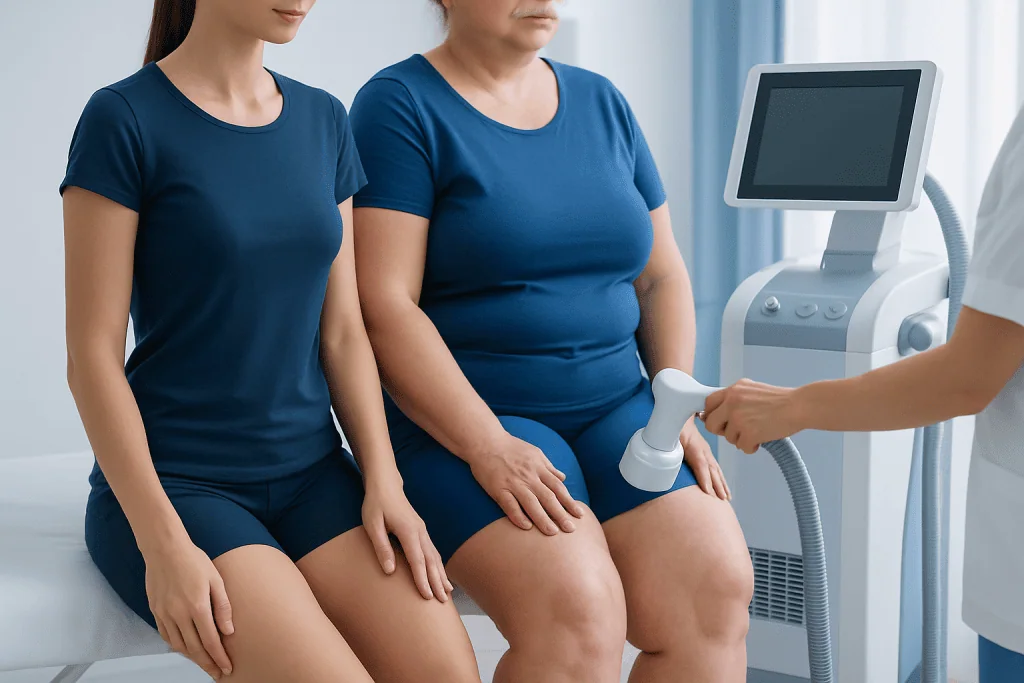
Lipedema commonly begins or becomes more noticeable around times of hormonal change, such as puberty, pregnancy, or menopause. It often affects both legs from the hips to the ankles, while the feet are relatively spared. Some people also develop similar changes in the arms, with the hands remaining less affected.
The tissue in lipedema may feel soft, nodular, or unusually tender. Patients often describe aching, heaviness, pressure, or sensitivity to touch. Bruising can happen easily, sometimes without a clear injury, and swelling may become more noticeable later in the day or after long periods of standing.
Another clue is that dieting and exercise may improve overall health but do not fully change the disproportionate fat distribution. This does not mean lifestyle efforts are unhelpful; rather, it reflects that lipedema fat behaves differently from ordinary body fat. In some people, lipedema can exist alongside obesity or progress to include fluid-related swelling, making specialist evaluation more useful.
- Common lipedema features include symmetrical leg enlargement
- Pain or tenderness in affected areas
- Easy bruising
- A feeling of heaviness or tightness
- Feet and hands often less involved than nearby areas
What Cellulite Is and Why It Happens
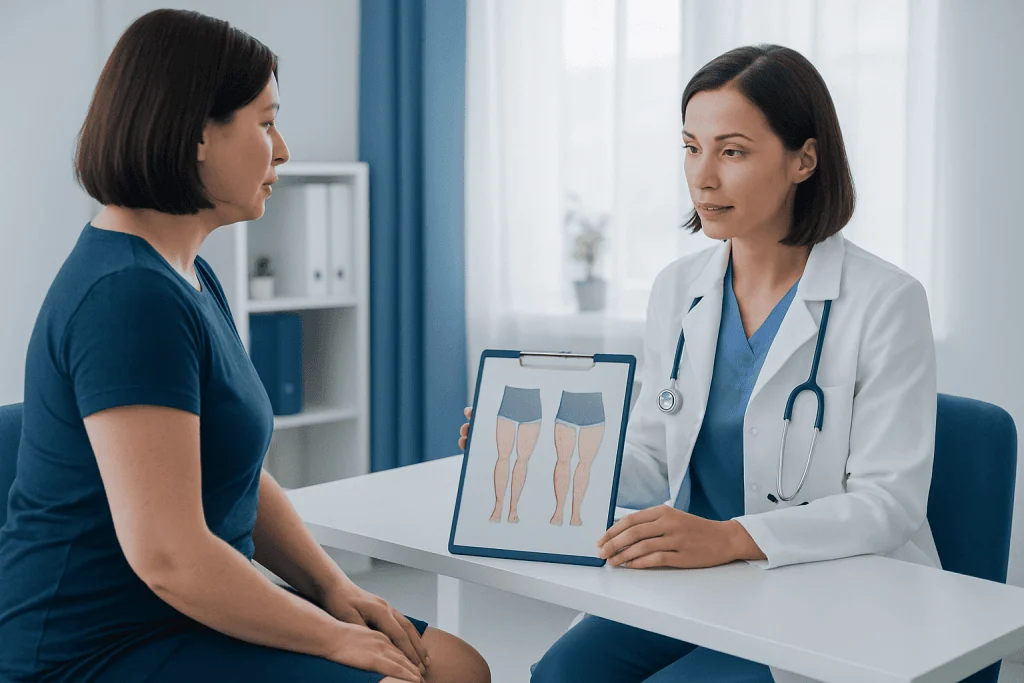
Cellulite is a very common skin appearance in which the surface looks dimpled, puckered, or like an orange peel. It often appears on the thighs, buttocks, hips, or abdomen. Cellulite is not an infection and is not dangerous; in everyday language, the term refers to a cosmetic skin texture rather than a medical emergency.
It develops because fibrous bands under the skin pull downward while fat tissue pushes upward, creating an uneven surface. Hormones, genetics, skin thickness, connective tissue structure, age, and body composition all influence whether cellulite is visible. It can occur in people who are thin, average weight, or overweight.
Unlike lipedema, cellulite does not usually cause significant pain, easy bruising, or a marked change in limb size. It may become more noticeable with weight changes, reduced skin elasticity, or natural aging. Although many treatments are marketed for cellulite, results are often partial and temporary, so it helps to approach claims cautiously.
Side-by-Side Comparison: Clues Patients Can Notice
For many people, the question of lipedema versus cellulite begins at home in the mirror. Cellulite mainly changes skin texture. Lipedema changes the shape, volume, and feel of affected areas and is more likely to be uncomfortable. A person may have both conditions at the same time, which can make self-assessment confusing.
Lipedema tends to create a disproportionate appearance, such as a smaller waist with larger hips, thighs, calves, or upper arms. The skin may look smooth or may also show dimpling, but the deeper issue is the abnormal fatty tissue beneath. Cellulite usually does not produce major limb enlargement, and it does not characteristically spare the feet while affecting the legs above them.
Patients also often ask how lipedema differs from other swelling disorders. In lymphedema, fluid buildup is a central problem, and the feet or hands may be involved more clearly. In lipedema, swelling may occur, but the pattern and tenderness are different. If someone has leg heaviness, visible veins, or prolonged swelling, doctors may also consider varicose veins or other circulation-related conditions as part of the evaluation.
- Lipedema: painful or tender, symmetrical, disproportionate fat buildup
- Cellulite: dimpled skin texture, usually painless, no major change in limb shape
- Lipedema often affects daily comfort and mobility; cellulite usually does not
- Both can occur together
Why Lipedema Is Misunderstood
Lipedema is often underrecognized because its early signs can resemble common body-shape variation, weight gain, or cellulite. Some patients spend years trying exercise plans, diets, massage, or cosmetic treatments without understanding why pain, bruising, and disproportion remain. This can be emotionally draining and may lead to unnecessary self-criticism.
Another reason for confusion is that lipedema can overlap with obesity, venous disease, or lymphatic problems. A person may have more than one condition at the same time, so a single label does not always explain every symptom. That is why clinicians look at the whole picture rather than focusing on appearance alone.
Language also contributes to misunderstanding. Because cellulite is so common, many people use it as a catch-all term for any lumpiness or fullness in the thighs. In reality, when tenderness, easy bruising, progressive enlargement, or a cuff-like change around the ankles is present, it is reasonable to ask whether lipedema should be considered.
How Doctors Diagnose Lipedema and Rule Out Other Conditions
There is no single blood test that confirms lipedema. Diagnosis is usually based on medical history, symptoms, and physical examination. A doctor may ask when the shape changes started, whether they worsened with hormonal events, whether the area is painful or bruises easily, and how symptoms affect walking, exercise, or daily activities.
During the examination, the clinician looks at body-fat distribution, symmetry, tenderness, texture of the tissue, and whether the feet or hands are spared. The doctor may also assess for signs of fluid retention, vein disease, joint stress, or skin changes. Imaging is not always needed, but in some cases ultrasound or other tests can help evaluate swelling, veins, or soft tissues.
Because other conditions can look similar, the assessment may include obesity, lymphedema, chronic venous disease, and less commonly endocrine or inflammatory causes of swelling. When leg symptoms suggest circulation problems, doctors may recommend vascular surgery evaluation or other specialist testing. In centers with coordinated care, this step helps patients move beyond guesswork and toward a clearer diagnosis.
Treatment Options: What Helps Lipedema and What Helps Cellulite
Treatment depends on which condition is present and what symptoms matter most to the patient. For cellulite, care is usually elective and focused on appearance. Topical products, energy-based treatments, subcision-type procedures, and other cosmetic approaches may improve texture in selected cases, but expectations should remain realistic because complete or permanent removal is uncommon.
Lipedema treatment is broader and more medically focused. Conservative care often includes compression garments, tailored exercise, symptom-guided movement, weight management support, skin care, and manual therapies when appropriate. The goals are to reduce discomfort, support mobility, limit secondary swelling, and improve quality of life.
Some patients with lipedema may be evaluated for procedures that address affected tissue, especially when symptoms are persistent and function is limited. Depending on the person’s situation, clinicians may discuss liposuction performed in experienced hands as part of a larger treatment plan, not as a casual cosmetic shortcut. If mobility is affected by body contour or associated musculoskeletal strain, rehabilitation and, in selected cases, physical therapy and rehabilitation can also play an important role.
Near the end of the care pathway, some international patients look for multidisciplinary assessment. Acibadem International’s specialists in JCI-accredited hospitals diagnose and treat conditions such as lipedema with coordinated input from relevant teams when needed.
Self-Care and When to Seek Medical Care
Self-care starts with realistic goals. For cellulite, healthy habits may support skin and body composition but will not always erase dimpling, and that is normal. For suspected lipedema, low-impact activity such as walking, swimming, cycling, or guided strengthening may help comfort and mobility. Well-fitted compression, if recommended by a clinician, may also improve day-to-day symptoms for some patients.
Gentle skin care, avoiding prolonged standing when possible, and pacing activity can be useful. Because lipedema can affect body image and emotional well-being, supportive counseling or patient education may also help. It is important not to blame the body for changes that are not fully controlled by willpower alone.
Medical care should be sought if leg or arm enlargement is progressive, painful, or associated with easy bruising, mobility problems, or swelling that does not improve. Evaluation is also important if one limb is much more swollen than the other, if there is redness or warmth, or if symptoms develop suddenly. Those features may point to a different condition that needs prompt attention.
Frequently asked questions
Can a person have both lipedema and cellulite?
Yes. Cellulite is very common and can appear in areas also affected by lipedema. In that situation, the skin may look dimpled while deeper tissue is also painful, enlarged, or tender in a pattern more consistent with lipedema.
Is lipedema just another word for obesity?
No. Lipedema is a distinct disorder of fat distribution and tissue change, although a person can also have obesity at the same time. One clue is that lipedema often creates a disproportionate shape and may remain tender or resistant to standard weight-loss efforts.
Does cellulite mean there is a health problem?
Usually no. Cellulite is a common skin-texture variation and by itself is not considered dangerous. If there is pain, major swelling, rapid change, or easy bruising, another cause should be considered.
How is lipedema diagnosed?
Doctors usually diagnose lipedema through medical history and physical examination rather than a single test. They look for a typical pattern of symmetrical fat buildup, tenderness, bruising, and relative sparing of the feet or hands, while ruling out other causes of swelling.
Can diet and exercise cure lipedema?
Healthy eating and regular activity are important for overall health and can help with comfort, fitness, and weight management. However, they do not usually remove lipedema completely because the affected tissue behaves differently from ordinary body fat.
When should someone see a doctor instead of assuming it is cellulite?
A medical review is a good idea when body-shape changes are painful, bruise easily, feel heavy, or keep progressing despite healthy habits. It is especially important if swelling is sudden, one-sided, or accompanied by redness, warmth, or reduced mobility.
References
- World Health Organization
- National Institutes of Health
- American Academy of Dermatology
- International Lipoedema Association
- National Health Service
This article is for general information only and is not a substitute for professional medical advice. Please consult a qualified doctor about your individual situation.
Explore treatments in Turkey — costs, top hospitals & a free quote
JCI-accredited · board-certified surgeons · reply within 24h
Add us as a Preferred Source to see more of our trusted health content across Google Search, AI Overviews and Discover.
Check your numbers in seconds
BMI, calories, due date, blood pressure and 30+ more clinical calculators — free, instant, doctor-reviewed ranges.