Lipiflow Treatment: How It Works, Results and What to Expect

LipiFlow targets meibomian gland dysfunction, not every cause of dry eye. The procedure applies controlled heat and pulsating pressure to the eyelids in one treatment session.
Key Takeaways
- LipiFlow targets meibomian gland dysfunction, not every cause of dry eye.
- The procedure applies controlled heat and pulsating pressure to the eyelids in one treatment session.
- Some people notice improvement within weeks, while gland function and symptoms may continue to change over several months.
- Results vary according to gland health, dry eye severity, screen use, eyelid inflammation and other medical factors.
- LipiFlow is generally well tolerated, but it does not replace ongoing eyelid hygiene or other treatment when these are needed.
LipiFlow treatment is an in-office procedure designed to improve oil flow from blocked meibomian glands, a common contributor to evaporative dry eye. It combines gentle, controlled heat and pressure applied to the eyelids and is usually considered after a detailed eye assessment confirms meibomian gland dysfunction.
Overview: what is LipiFlow treatment?
LipiFlow treatment is an in-office therapy for meibomian gland dysfunction (MGD), a frequent cause of evaporative dry eye. Meibomian glands sit along the edges of the eyelids and produce an oily substance called meibum. This oil forms the outer layer of the tear film, helping tears spread smoothly and reducing evaporation from the eye surface.
When gland openings become blocked or the oil becomes thick, the tear film may evaporate too quickly. This can lead to burning, grittiness, fluctuating vision, watering, redness or discomfort with contact lenses. LipiFlow uses a single-use activator placed over the eyelids to deliver controlled warmth to the inner eyelid surface while applying gentle, pulsating pressure externally. The aim is to soften and express retained gland secretions.
LipiFlow is not a cure for every form of dry eye, and it is not appropriate for everyone with eye irritation. An eye-care professional should first identify whether symptoms are linked to MGD, aqueous tear deficiency, allergy, infection, surface inflammation, medication effects or another eye condition. For a broader discussion of the condition, readers may find dry eye syndrome helpful.
How LipiFlow works and who may be a candidate
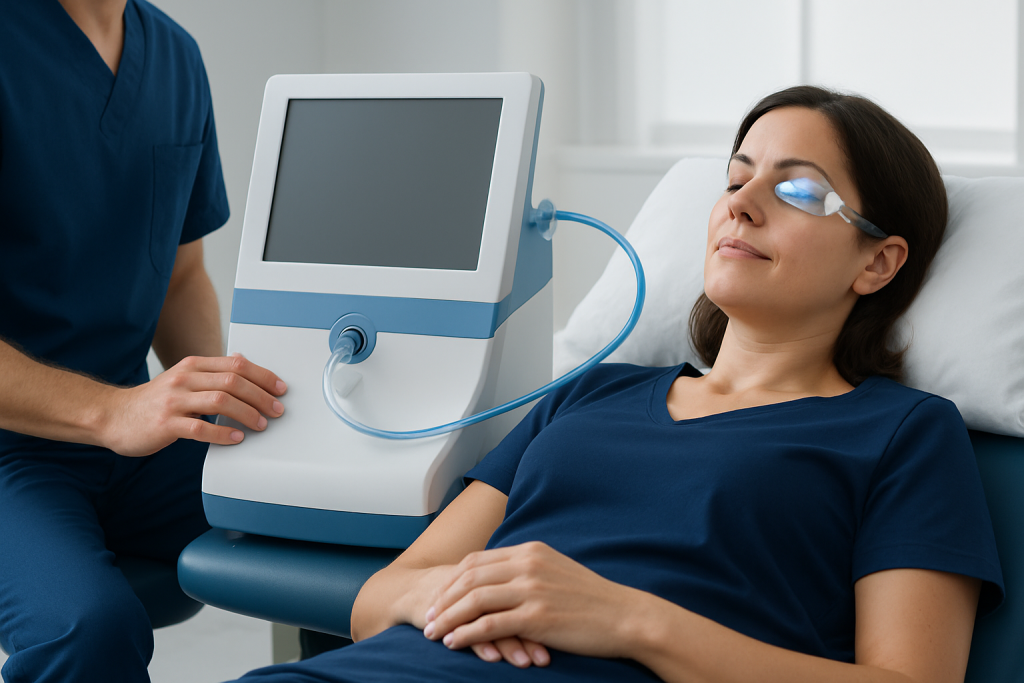
Healthy tears are made of water, mucus and oil. In MGD, the oily layer is reduced or poor in quality, allowing the watery portion of tears to evaporate faster. LipiFlow is intended to address obstruction within the meibomian glands by warming thickened oils and helping move them toward the gland openings.
A clinician may consider LipiFlow when an examination shows signs of obstructive MGD and symptoms persist despite appropriate conservative care. Assessment may include a review of symptoms and medicines, examination of the eyelid margins and ocular surface, evaluation of tear stability, and observation of the quality and expressibility of gland secretions. Imaging of the glands may also be used in some clinics.
Potential candidates often have recurrent evaporative dry eye symptoms, reduced gland oil flow or symptoms that interfere with reading, digital-device use or contact lens wear. It may be less suitable during an active eye infection, significant eyelid injury or inflammation requiring treatment first, or when gland loss is advanced. Pregnancy, recent eye surgery, skin conditions affecting the eyelids and implanted devices should be discussed with the treating clinician so that care can be individualized.
Conservative measures remain important for many people. These can include warm compresses, regular eyelid cleansing, lubricating eye drops recommended by an eye professional, managing environmental triggers and taking breaks during visually demanding tasks.
What happens during a LipiFlow procedure?
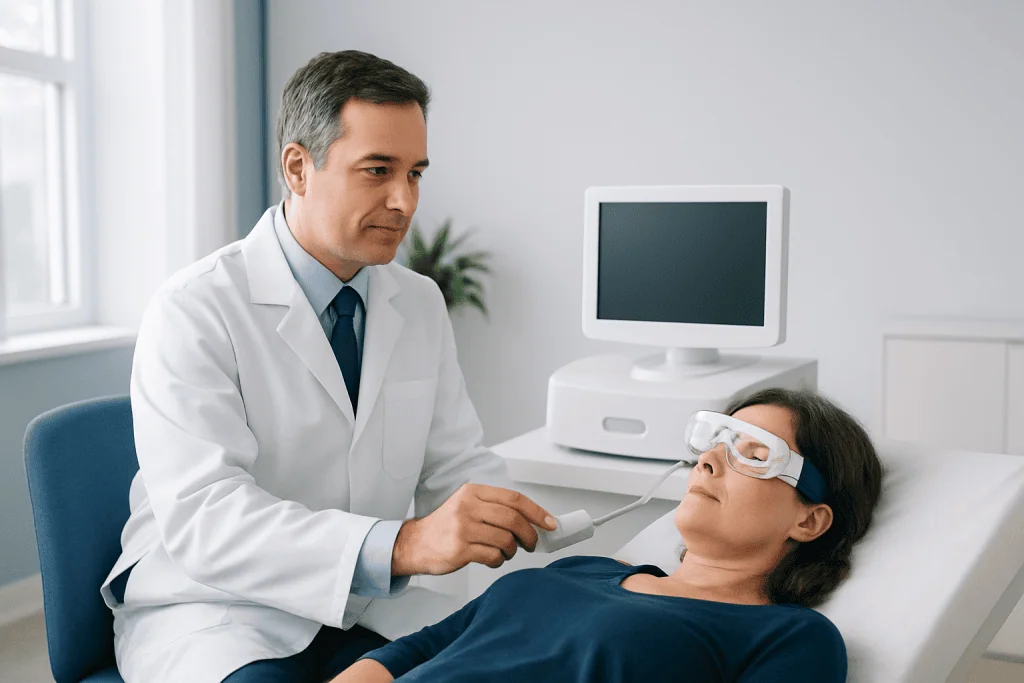
Before the procedure, the clinician confirms that the eyes and eyelids are suitable for treatment. Contact lenses are removed. The patient is usually awake and seated or reclined comfortably, and numbing eye drops may be used to improve comfort.
The clinician places a sterile, single-use activator over each eye. Its inner component rests against the eyelid surface, while an outer component sits over the closed eyelid. The device then delivers carefully regulated heat to soften meibum and intermittent pressure to the eyelids to assist gland expression. A typical session takes about 12 minutes once the activators are in place, although the full appointment is longer because it includes examination, preparation and aftercare guidance.
During treatment, people may feel warmth, pressure or gentle squeezing. These sensations should not be sharply painful. It is helpful to tell the clinician immediately if discomfort is significant, as the fit and treatment plan can be checked. Afterward, the clinician may examine the eyelids and recommend a continuing home routine.
In some care plans, LipiFlow is part of a broader approach to MGD, which may also include treatment for eyelid inflammation, rosacea, Demodex infestation, tear-film inflammation or contact lens-related dryness. The most appropriate combination depends on the cause of symptoms and examination findings.
Benefits, limitations and possible risks
The potential benefit of LipiFlow is improved meibomian gland secretion and a more stable tear film. Some patients report less dryness, irritation or fluctuating vision, and some find contact lens wear more comfortable. Improvement in gland function does not always match symptom improvement exactly, because dry eye can involve several overlapping mechanisms.
The procedure is generally considered well tolerated when performed after proper assessment. Temporary effects can include eyelid tenderness, redness, blurred vision immediately after treatment, irritation, watering or sensitivity. These effects are usually short lived. More persistent pain, vision changes, marked redness, discharge or light sensitivity should be assessed promptly by an eye professional.
LipiFlow cannot restore glands that have permanently atrophied, and it may not fully relieve symptoms caused mainly by low tear production, autoimmune disease, allergy, corneal nerve changes or other conditions. Some people require repeat treatment over time, while others benefit most from regular self-care and medical therapy. A clinician can discuss realistic expectations based on the appearance and function of the glands.
Although serious complications are uncommon, no procedure is risk-free. Treatment should be provided by qualified eye-care professionals who can rule out conditions that need different care and arrange follow-up when appropriate.
Recovery timeline and care after LipiFlow
Most people can return to usual daily activities soon after LipiFlow. Vision can be temporarily blurred from numbing drops, tears or the treatment itself, so driving immediately afterward may not be ideal if vision is unclear. The clinic can advise on individual plans for work, exercise, makeup and contact lenses.
Symptoms may not improve immediately. Some people notice a gradual change within a few weeks as oil flow improves and the tear film becomes more stable. For others, changes are more gradual and may be assessed over one to three months. Follow-up allows the clinician to compare symptoms, tear stability and gland expression over time.
Ongoing care may include gentle lid hygiene, warm compresses if recommended, frequent blinking during screen use, appropriate lubricating drops and treatment of associated eyelid or ocular-surface inflammation. Avoid using over-the-counter redness-relieving drops as a long-term dry eye strategy unless a clinician specifically recommends them, as they may not address the underlying problem.
Acibadem International’s multidisciplinary specialists and JCI-accredited hospitals can assess dry eye and meibomian gland dysfunction and discuss individualized treatment options for international patients.
Is LipiFlow worth the money?
Whether LipiFlow is worth the money depends on the individual diagnosis, symptom burden, gland findings, local availability and whether less intensive treatments have helped. It may be a reasonable option for a person with confirmed obstructive MGD whose symptoms continue despite consistent eyelid hygiene and other clinician-guided measures.
It is important to consider value in terms of likely benefit rather than expecting a guaranteed result. A careful consultation should explain what signs suggest that MGD is driving symptoms, what improvement is realistic, which treatments may still be needed afterward and whether repeat treatment might be considered in the future.
Patients may wish to ask about the full care plan, including follow-up visits and alternative approaches. Insurance coverage and out-of-pocket arrangements differ by country, provider and policy, so these practical matters should be confirmed directly with the treating clinic and insurer.
How long does it take to see results after a LipiFlow treatment?
Some people report improvement in comfort within several weeks after LipiFlow treatment, but results are variable. Eye-surface symptoms often change gradually, and clinicians commonly reassess progress over the following one to three months rather than judging the result on the same day.
The timing and degree of improvement depend on how many glands remain functional, the thickness of the meibum, the presence of eyelid inflammation and whether another type of dry eye is also present. Consistent aftercare, including measures recommended by the clinician, may support tear-film health.
If symptoms do not improve, this does not necessarily mean the procedure failed. Dry eye may have multiple causes, and further evaluation can identify whether additional management is needed for aqueous tear deficiency, allergy, blepharitis, ocular rosacea or another contributor.
Which is better, LipiFlow or IPL? What is the success rate?
Neither LipiFlow nor intense pulsed light (IPL) is universally better. LipiFlow is designed primarily to warm and express blocked meibomian glands in a single in-office session. IPL uses light pulses applied to skin around the eyes and may be used in selected patients, particularly when abnormal eyelid blood vessels, inflammation or ocular rosacea are contributing factors; it is typically delivered as a series of sessions.
The right choice depends on the examination findings, skin type, eye and skin history, gland structure, degree of inflammation and access to follow-up care. In some cases, clinicians may use these approaches at different times as part of a wider MGD plan. IPL should only be provided with appropriate eye protection by experienced professionals.
There is no single, reliable success-rate percentage for LipiFlow treatment for dry eye syndrome. Studies use different definitions of success, follow people for different lengths of time and measure outcomes such as gland secretion, tear stability or symptom questionnaires. Clinical evidence suggests that some appropriately selected patients improve, but the amount and duration of benefit vary.
A useful discussion focuses on personal treatment goals: fewer symptoms, better gland expression, more stable vision, greater comfort with daily tasks or reduced reliance on supportive treatments. The clinician can explain what outcomes are most relevant in the individual situation and how they will be monitored.
When to seek medical care
Dryness, grittiness and fluctuating vision that last for more than a few weeks, recur often or affect daily activities should be assessed by an optometrist or ophthalmologist. Evaluation is particularly useful before starting a device-based treatment, because symptoms that feel like dry eye can sometimes have other causes.
Urgent eye assessment is appropriate for sudden or substantial vision loss, severe eye pain, pronounced light sensitivity, a red eye with discharge, a chemical exposure, an eye injury or symptoms after contact lens wear that are worsening. These symptoms may indicate a condition other than routine dry eye and should not be managed with home treatment alone.
People with autoimmune disease, previous eye surgery, chronic eyelid inflammation or persistent contact lens discomfort may also benefit from an individualized eye-surface assessment. Early evaluation can help protect comfort and vision while avoiding unnecessary treatments.
Frequently asked questions
What is LipiFlow treatment used for?
LipiFlow treatment is used for meibomian gland dysfunction, a common cause of evaporative dry eye. It aims to improve the flow of oil from glands along the eyelid margins, supporting a more stable tear film. An eye examination is needed to confirm whether MGD is contributing to symptoms.
Is LipiFlow painful?
Most people describe warmth, pressure or a gentle squeezing sensation rather than pain. Numbing eye drops may be used before treatment to improve comfort. Any significant discomfort should be reported to the clinician during the procedure.
How long does it take to see results after a LipiFlow treatment?
Some patients notice changes within a few weeks, but improvement may continue gradually over one to three months. The timeline varies with gland health, inflammation and other causes of dry eye. Follow-up helps determine whether symptoms and gland function are improving.
Is LipiFlow worth the money?
It may be worthwhile for people with confirmed obstructive meibomian gland dysfunction who have ongoing symptoms despite appropriate basic care. Benefit is not guaranteed, and it may be less helpful when dry eye is mainly caused by low tear production or another condition. A clinician can discuss likely benefit, alternatives and the overall care plan.
Which is better, LipiFlow or IPL?
Neither treatment is best for every person. LipiFlow focuses on heating and expressing blocked meibomian glands, while IPL may be considered when inflammation or ocular rosacea contributes to MGD. The choice should follow an eye examination and discussion of risks, treatment sessions and goals.
What is the success rate of LipiFlow treatment for dry eye syndrome?
There is no single success rate that applies to all patients because studies measure outcomes differently and dry eye has many causes. Research supports improvement for some selected patients with MGD, particularly in gland secretion and dry eye symptoms. The extent and duration of benefit can vary considerably.
References
- American Academy of Ophthalmology
- Tear Film and Ocular Surface Society
- National Eye Institute
- U.S. Food and Drug Administration
This article is for general information only and is not a substitute for professional medical advice. Please consult a qualified doctor about your individual situation.
Explore treatments in Turkey — costs, top hospitals & a free quote
JCI-accredited · board-certified surgeons · reply within 24h
Add us as a Preferred Source to see more of our trusted health content across Google Search, AI Overviews and Discover.