Lipo 360 Cost: What Patients Really Pay

Lipo 360 is a body-contouring procedure that removes localized fat around the midsection; it is not a weight-loss treatment. The total cost commonly includes the surgeon, anesthesia, operating facility, garments, medicines, tests, and follow-up visits, but inclusions vary.
Key Takeaways
- Lipo 360 is a body-contouring procedure that removes localized fat around the midsection; it is not a weight-loss treatment.
- The total cost commonly includes the surgeon, anesthesia, operating facility, garments, medicines, tests, and follow-up visits, but inclusions vary.
- A consultation and physical assessment are needed to determine candidacy, technique, safety considerations, and a personalized quote.
- Recovery involves swelling, bruising, compression garments, limited activity at first, and gradual improvement over several weeks to months.
- Choosing a qualified plastic surgeon and an appropriately equipped surgical facility should take priority over comparing prices alone.
Lipo 360 cost cannot be estimated responsibly from a single advertised figure because the total depends on the areas treated, surgical approach, clinical setting, anesthesia, aftercare, and individual needs. Patients should request an itemized treatment plan that explains what is included before deciding whether the procedure is appropriate for them.
Lipo 360 Cost: What Does the Total Usually Include?
Lipo 360 cost refers to the full financial plan for liposuction performed around the torso, typically including the abdomen, waist, flanks, and back. There is no single medically meaningful price because every procedure is tailored to the person’s anatomy, goals, health status, chosen technique, and the extent of treatment. A safe estimate is provided after an in-person or appropriately structured clinical consultation.
Patients should ask for a written, itemized quote rather than focusing only on a headline surgical fee. Depending on the provider and country, the overall plan may include the surgeon’s fee, anesthesia, operating-room or hospital charges, preoperative testing, compression garments, prescribed medicines, postoperative appointments, and possible travel or accommodation expenses.
Some quotations may exclude items that become relevant during planning or recovery. It is reasonable to ask whether the quote covers revisions, additional follow-up, laboratory tests, pathology when applicable, treatment for an unexpected complication, and costs related to a longer stay. Clear answers help patients compare care plans accurately and avoid making decisions based on incomplete information.
What Is Lipo 360 and How Does It Work?
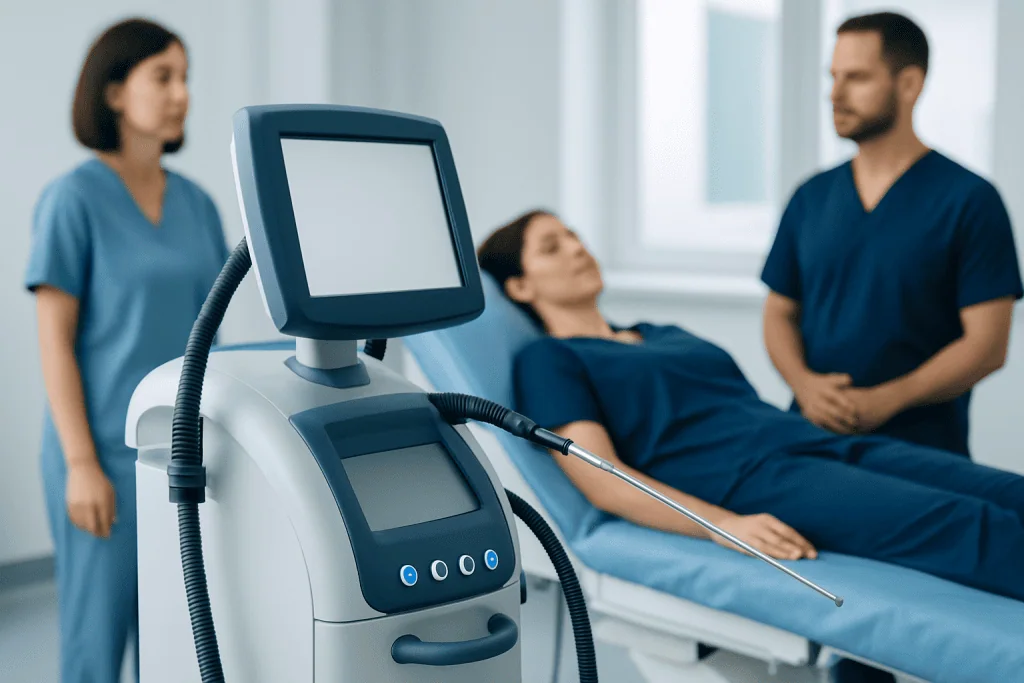
Lipo 360 is an informal term for circumferential liposuction of the midsection. Rather than treating only the front of the abdomen, the procedure aims to improve contour around the full waistline by addressing selected fat deposits in areas such as the upper and lower abdomen, flanks, waist, and back. The exact treatment map varies from person to person.
During liposuction, a surgeon makes small incisions and inserts a narrow tube called a cannula. Fluid may first be introduced into the treatment area to help reduce bleeding and facilitate fat removal. The surgeon then uses controlled movements and suction to remove fat while working to preserve smooth contours and respect safe limits.
Liposuction removes fat cells from treated areas, but it does not tighten markedly loose skin, repair separated abdominal muscles, or replace healthy eating, activity, and weight management. For people with substantial skin laxity or abdominal muscle separation, another procedure may be discussed. Patients can learn more about surgical body contouring through liposuction treatment options.
Who May Be a Candidate for Lipo 360?

Suitable candidates are generally adults who are close to a stable, sustainable weight and have localized fat deposits that have not responded as hoped to lifestyle measures. Good skin elasticity can support a smoother result after fat removal. Candidates should also have realistic goals: the procedure can reshape selected areas, but it cannot create a guaranteed body shape or treat obesity.
A surgeon considers overall health, medical history, medications, previous operations, smoking or nicotine use, circulation, skin quality, and the amount and distribution of fat. Pregnancy plans may also be discussed, as later changes in weight or body shape can affect the longevity of the result. People with uncontrolled medical conditions or factors that make anesthesia or wound healing unsafe may be advised to postpone surgery or consider alternatives.
Body contouring is not intended as a substitute for obesity treatment. When weight management is the primary concern, a clinician may discuss nutrition, physical activity, medical weight management, or other appropriate options. A respectful consultation should include the patient’s priorities, the limits of surgery, anticipated scars, and alternatives to an operation.
What Happens Before, During, and After the Procedure?
Planning starts with a consultation, physical examination, and discussion of goals. The surgeon may take photographs, mark potential treatment zones, review health conditions and medicines, and provide instructions about preparing for surgery. Patients may be asked to stop nicotine products well ahead of the procedure and to follow guidance about medications or supplements that can increase bleeding risk.
On the day of surgery, the anesthesia plan is selected according to the planned procedure and the patient’s health needs. After cleansing and marking the skin, the surgeon makes discreet incisions, introduces the cannula, and removes fat in a carefully planned pattern. The length of surgery depends on the areas being treated and whether another procedure is being performed at the same time.
Afterward, patients recover under clinical observation before going home or, in some situations, staying overnight. They receive instructions for garment use, walking, wound care, bathing, pain management, activity restrictions, and follow-up. A responsible plan includes a reliable adult to assist after anesthesia and clear contact information for postoperative concerns.
Recovery Timeline, Expected Benefits, and Limitations
In the first days after Lipo 360, soreness, swelling, bruising, numbness, and fluid drainage from small incisions can occur. A compression garment is often recommended to support the treated area and help manage swelling. Short, gentle walks are usually encouraged soon after surgery to support circulation, while strenuous exercise and heavy lifting are restricted until the surgeon advises otherwise.
Many patients can resume light daily activities gradually, but recovery is individual and depends on the extent of surgery, healing, and job demands. Swelling can temporarily obscure the contour change. Early improvement may be visible as swelling settles, while the final contour develops progressively over the following weeks and months.
The intended benefit is improved proportion and definition of selected torso areas. Results are best maintained with stable weight and health habits, although future weight changes can alter untreated and treated areas. Liposuction does not prevent future fat gain, eliminate cellulite, or reliably correct significant loose skin. A surgeon can explain what outcome is realistic for a particular body type.
Risks, Safety, and Questions That Affect Cost Planning
Like all operations, Lipo 360 carries risks. These include bleeding, infection, fluid collection, prolonged swelling, numbness or altered sensation, uneven contour, scarring, skin irregularities, delayed healing, and dissatisfaction with the cosmetic result. Rare but serious complications related to anesthesia, blood clots, fat embolism, or injury to deeper structures require urgent medical attention and underscore the importance of appropriate patient selection and surgical standards.
Safety is supported by a thorough assessment, a qualified surgeon, accredited surgical facilities, appropriate anesthesia care, careful limits on the amount of liposuction performed, and reliable follow-up. Patients should be cautious about offers that minimize the need for medical evaluation or make outcomes sound certain. Lower initial pricing may not reflect the same facility standards, postoperative care, or scope of services.
Helpful cost questions include: What exact areas are included? Which fees are included or excluded? Who provides anesthesia? Where will the procedure take place? What postoperative visits and garments are included? What is the policy if additional care is needed? Patients should also ask the surgeon about credentials, experience with circumferential body contouring, expected scars, and options if loose skin is a concern.
When to Seek Medical Care
Before considering Lipo 360, patients should seek medical advice if they have a chronic health condition, take regular medicines, have had previous abdominal surgery, or are uncertain whether their weight or skin concerns are appropriate for liposuction. A consultation is also important for anyone who feels pressure to undergo cosmetic surgery or whose expectations are being shaped primarily by edited images or social media content.
After surgery, the care team should be contacted promptly for worsening pain, increasing redness or warmth, fever, foul-smelling drainage, significant one-sided swelling, persistent vomiting, or concerns about wound healing. Emergency care is needed for symptoms such as chest pain, shortness of breath, fainting, confusion, or sudden severe swelling, as these can indicate a potentially serious complication.
Acibadem International’s multidisciplinary specialists and JCI-accredited hospitals can assess and treat patients seeking body-contouring care from abroad. A consultation can help determine whether surgery is suitable and provide a personalized treatment and cost plan based on clinical needs.
Frequently asked questions
How much does Lipo 360 cost?
Lipo 360 cost varies substantially because it depends on the number of areas treated, the surgical technique, anesthesia, facility standards, surgeon expertise, country, and aftercare. A consultation is needed for an accurate, personalized quote. Patients should ask for an itemized estimate and clarify which services are not included.
Is Lipo 360 covered by health insurance?
Lipo 360 is usually considered an elective cosmetic procedure and is not typically covered by health insurance. Coverage rules differ by policy and location, particularly when a procedure is being considered for a medical reason. The insurer and treating clinic can clarify the likely financial responsibility before treatment.
Is Lipo 360 a weight-loss procedure?
No. Lipo 360 is designed to contour localized fat around the torso, not to produce major weight loss or treat obesity. It is generally most appropriate for people who are near a stable weight and have realistic expectations about the changes surgery can provide.
How long does recovery after Lipo 360 take?
Initial recovery commonly involves several days to weeks of swelling, bruising, soreness, and activity restrictions. People return to everyday tasks at different rates depending on the extent of surgery and their healing. Final contour changes may take several months to become apparent as swelling resolves.
Are the results of Lipo 360 permanent?
Fat cells removed by liposuction do not grow back in the treated area. However, remaining fat cells can enlarge with future weight gain, and aging, pregnancy, and changes in skin elasticity can affect body contour. Maintaining a stable weight helps preserve the result.
What are the main risks of Lipo 360?
Potential risks include infection, bleeding, fluid accumulation, numbness, uneven contours, scarring, and delayed healing. Rare serious complications can occur, including complications from anesthesia or blood clots. Careful assessment, an appropriately qualified surgeon, and following postoperative instructions are important parts of risk reduction.
References
- American Society of Plastic Surgeons
- International Society of Aesthetic Plastic Surgery
- U.S. Food and Drug Administration
- National Health Service
This article is for general information only and is not a substitute for professional medical advice. Please consult a qualified doctor about your individual situation.
Explore treatments in Turkey — costs, top hospitals & a free quote
JCI-accredited · board-certified surgeons · reply within 24h
Add us as a Preferred Source to see more of our trusted health content across Google Search, AI Overviews and Discover.