Lipoma: Early Signs, Risk Factors, and How It Is Treated

A lipoma is a soft, slow-growing fatty lump that is usually noncancerous. Many lipomas cause no symptoms and can simply be monitored.
Key Takeaways
- A lipoma is a soft, slow-growing fatty lump that is usually noncancerous.
- Many lipomas cause no symptoms and can simply be monitored.
- Doctors diagnose lipoma mainly through examination, with imaging or biopsy in selected cases.
- Treatment is usually considered if the lump is painful, growing, pressing on nearby tissue, or causing cosmetic concern.
- Any new or changing lump should be assessed to confirm that it is benign.
A lipoma is a common, usually benign lump made of fat cells that grows just under the skin. Most lipomas do not need treatment, but medical assessment is important if a lump is painful, enlarging, firm, or difficult to move.
Overview
Lipoma is a common benign growth made of mature fat cells. It usually appears as a soft lump just beneath the skin and tends to grow slowly over time. In many people, a lipoma remains small, painless, and harmless, so treatment is not always necessary.
These lumps can develop almost anywhere there is fatty tissue, but they are most often found on the neck, shoulders, back, arms, chest, or thighs. A person may notice one lipoma or several. They often move slightly when pressed and typically feel doughy or rubbery rather than hard.
Although lipomas are not usually dangerous, not every lump under the skin is a lipoma. That is why a proper medical evaluation matters, especially when a lump changes in size, becomes painful, feels fixed in place, or is located deeper in the body. This article explains the early signs, possible risk factors, how lipoma is diagnosed, and the treatment options available.
Early Signs and Symptoms of Lipoma
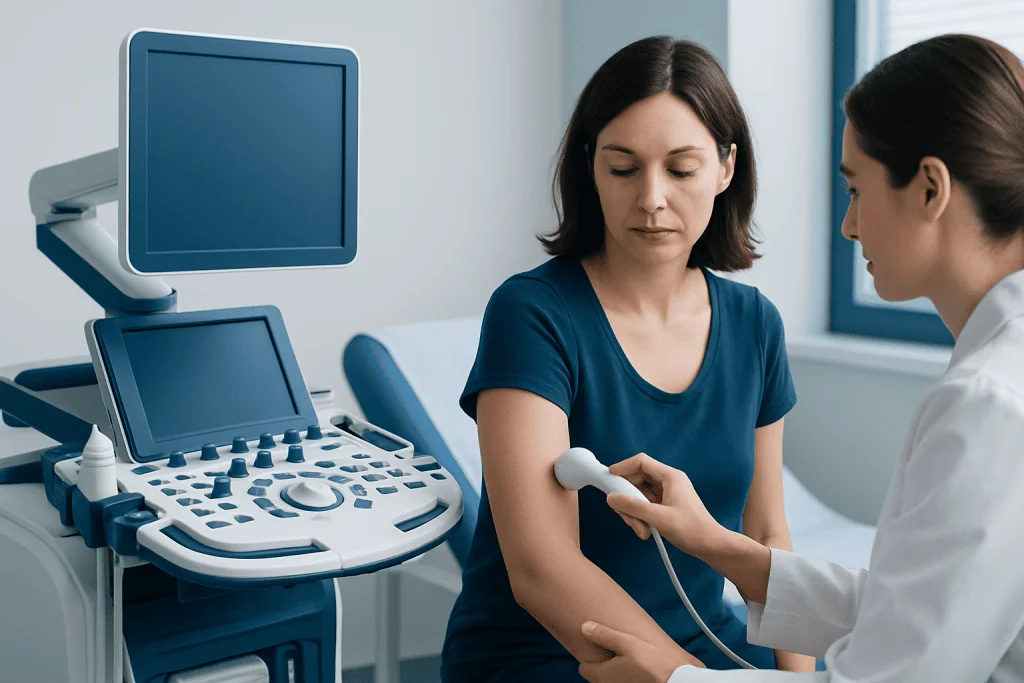
The earliest sign of a lipoma is often a small, rounded lump beneath the skin. It may be discovered by chance while dressing, showering, or touching the skin. Most lipomas grow gradually, so the change can be subtle at first.
Common features of a lipoma include a soft texture, a smooth surface, and the ability to move slightly under the skin when gently pushed. They are usually painless, but some can become tender if they press on nerves, contain many blood vessels, or sit in an area that is frequently rubbed by clothing or movement.
Symptoms can vary depending on the location and size. A larger lipoma may create a visible bulge, a feeling of fullness, or discomfort with pressure. In deeper areas of the body, symptoms may be less obvious and can relate more to pressure on nearby muscles or other tissues than to the lump itself.
- Soft, rubbery, or doughy lump under the skin
- Slow growth over months or years
- Usually painless, but sometimes tender
- Moves slightly when touched
- Most often found on the trunk, neck, shoulders, arms, or thighs
What Causes Lipoma and Who Is at Risk?

The exact cause of lipoma is not always clear. It develops when fat cells grow in a localized area and form a distinct lump. This process is usually benign and does not mean the person has a general problem with body fat, diet, or metabolism.
Family history can play a role. Some people seem more likely to develop lipomas because of inherited tendencies, and multiple lipomas may run in families. Lipomas are seen more often in adults, particularly in middle age, although they can occur at other ages as well.
In some cases, lipomas are associated with certain inherited or uncommon conditions that cause multiple fatty growths. A previous minor injury is sometimes noticed in the same area, but trauma is not considered a proven main cause. It is also important to distinguish a typical lipoma from other soft-tissue lumps, including cysts or less common tumors, because the causes and management can differ.
While a lipoma is usually harmless, doctors may look more closely at a lump that grows quickly, feels unusually firm, lies deep beneath the muscle, or causes persistent pain. In some situations, the concern is not the lipoma itself but ruling out another diagnosis such as soft tissue sarcoma.
How Lipoma Is Diagnosed
Diagnosis often begins with a medical history and physical examination. A doctor will ask when the lump was first noticed, whether it has changed, and whether there is pain, tenderness, numbness, or limitation in movement. The doctor will also assess the size, texture, mobility, and depth of the lump.
In many straightforward cases, examination alone strongly suggests lipoma. However, imaging tests may be recommended if the lump is large, deep, growing, painful, or has features that are not typical. Ultrasound can help show whether the mass looks fatty and superficial, while MRI is especially useful when a deeper soft-tissue mass needs clearer characterization.
Sometimes a biopsy is advised to confirm the diagnosis. This is more likely if imaging is unclear or if the lump has warning features. In selected patients, doctors may also consider whether the finding could be another benign condition, such as a sebaceous cyst, or a different kind of soft-tissue growth.
The goal of diagnosis is not only to identify lipoma but also to decide whether observation is appropriate or whether further treatment is the safer choice. A careful evaluation can help provide reassurance while making sure an uncommon but important alternative diagnosis is not missed.
Treatment Options for Lipoma
Many lipomas do not require active treatment. If the lump is small, painless, and clearly benign, a doctor may recommend simple observation. In this approach, the person watches for changes in size, shape, firmness, or symptoms and returns for review if anything changes.
Treatment is more often considered when the lipoma is painful, growing, interfering with movement, pressing on nearby structures, or causing cosmetic concern. The standard treatment is removal through a minor surgical procedure. Complete excision usually removes the entire lump and its thin capsule, which helps lower the chance of it coming back. Depending on the location and characteristics, this may be discussed as lipoma removal or a form of soft tissue surgery.
In selected cases, other techniques may be considered, such as a smaller-incision approach to reduce visible scarring. The best method depends on the size, depth, and location of the lipoma, as well as the doctor’s assessment of whether the diagnosis is fully certain. If imaging suggests a deeper or less typical fatty mass, management may involve broader evaluation before treatment.
After treatment, the removed tissue may be sent for laboratory examination to confirm the diagnosis. Recovery is often straightforward for superficial lipomas, but aftercare instructions vary depending on the size of the excision and the part of the body involved. For deeper or unusual masses, care may overlap with the evaluation of tumor surgery to ensure the most appropriate plan.
Prevention and Self-Care
There is no proven way to prevent a lipoma from forming. Because these growths are usually linked to localized fat-cell overgrowth rather than lifestyle habits, changes in diet, exercise, or skin care do not reliably stop them from developing. Weight loss also does not typically remove an existing lipoma.
Self-care focuses mainly on observation and avoiding irritation. It can help to become familiar with the size and feel of the lump so any change is easier to notice. Repeated squeezing, pressing, or trying to drain a lipoma at home is not advised, as this can cause irritation, bruising, infection, or confusion about the diagnosis.
A simple record of the lump’s location, approximate size, and any symptoms may be useful for follow-up appointments. If multiple lumps are present or there is a family history of similar growths, sharing this information with a doctor can help guide evaluation and long-term monitoring.
When to Seek Medical Care
Medical review is advisable for any new lump under the skin, especially if the diagnosis is not already known. Although a lipoma is usually benign, a healthcare professional should confirm that the lump has the typical features of a harmless fatty growth and does not require further testing.
A person should seek medical care sooner if the lump is growing quickly, becoming painful, feeling hard, staying fixed in place, or sitting deep below the skin. Care is also important if there is numbness, weakness, restricted movement, skin changes, or uncertainty about whether the lump is truly a lipoma.
Prompt assessment helps rule out less common but more serious causes of a soft-tissue mass. Near the end of the care pathway, patients who need further evaluation or treatment may benefit from centers with multidisciplinary expertise. Acibadem International’s multidisciplinary specialists and JCI-accredited hospitals diagnose and treat lipoma and other soft-tissue masses for international patients.
Frequently asked questions
What does a lipoma feel like?
A lipoma usually feels soft, smooth, and slightly rubbery or doughy under the skin. It often moves a little when pressed and is usually not painful.
Can a lipoma turn into cancer?
A typical lipoma is benign and does not usually become cancer. However, not every lump is a lipoma, so a doctor should assess any new, changing, painful, or deep mass.
Does a lipoma need to be removed?
Not always. Many lipomas can simply be observed if they are small, painless, and clearly benign. Removal is usually considered if the lump grows, hurts, causes pressure symptoms, or is bothersome cosmetically.
Can a lipoma go away on its own?
Lipomas usually do not disappear without treatment. They often remain stable or slowly enlarge over time, although some change very little for years.
Is lipoma related to being overweight?
Lipoma is not simply caused by excess body weight. It is a localized overgrowth of fat cells, and losing weight does not typically make an existing lipoma go away.
How do doctors tell a lipoma from other lumps?
Doctors begin with a physical examination and the history of the lump. If the lump is deep, large, painful, or unusual in feel, they may use ultrasound, MRI, or biopsy to confirm the diagnosis.
References
- National Health Service
- Mayo Clinic
- American Academy of Orthopaedic Surgeons
- MedlinePlus
- National Cancer Institute
This article is for general information only and is not a substitute for professional medical advice. Please consult a qualified doctor about your individual situation.
Joint and spine care in Turkey — expert assessment & treatment
JCI-accredited · board-certified surgeons · reply within 24h
Add us as a Preferred Source to see more of our trusted health content across Google Search, AI Overviews and Discover.
Check your numbers in seconds
BMI, calories, due date, blood pressure and 30+ more clinical calculators — free, instant, doctor-reviewed ranges.