Liquid Biopsy: Blood-Based Genetic Testing for Cancer Care

Liquid biopsy can detect cancer-related genetic changes from a blood sample, most often by analyzing circulating tumor DNA. It is usually used to guide treatment decisions or monitor cancer over time, not as a stand-alone replacement for standard diagnosis.
Key Takeaways
- Liquid biopsy can detect cancer-related genetic changes from a blood sample, most often by analyzing circulating tumor DNA.
- It is usually used to guide treatment decisions or monitor cancer over time, not as a stand-alone replacement for standard diagnosis.
- A positive result may reveal targetable mutations, resistance changes, or signs that cancer is responding to treatment.
- A negative result does not always rule out cancer or a mutation because some tumors release little DNA into the blood.
- Results should be interpreted by oncology specialists together with imaging, pathology, clinical history, and sometimes tissue biopsy.
Liquid biopsy is a blood test that can look for cancer-related genetic changes by analyzing tiny fragments of tumor DNA circulating in the bloodstream. It is an important tool in precision oncology, helping doctors select treatments, monitor response, and understand resistance in selected patients.
Overview
Liquid biopsy is a type of blood-based genetic testing used in cancer care. Instead of removing a piece of tumor tissue through surgery or a needle biopsy, the test analyzes cancer-related material that may be present in a blood sample. The most common focus is circulating tumor DNA, often called ctDNA, which consists of small fragments of DNA released by cancer cells into the bloodstream.
The term liquid biopsy can also refer to tests that evaluate circulating tumor cells, RNA, proteins, or other tumor-related markers in blood or other body fluids. In everyday oncology practice, however, it most often means testing ctDNA for genetic changes that may help guide treatment. These changes may include mutations, rearrangements, amplifications, or other alterations in cancer genes.
Liquid biopsy is part of precision oncology, an approach that aims to match treatment to the biology of a person’s cancer. It does not replace the need for a careful diagnosis, imaging, and expert clinical judgment. Rather, it provides additional information that can be especially useful when tumor tissue is difficult to obtain, when cancer has changed over time, or when doctors need to monitor treatment response with less invasive sampling.
How Liquid Biopsy Works
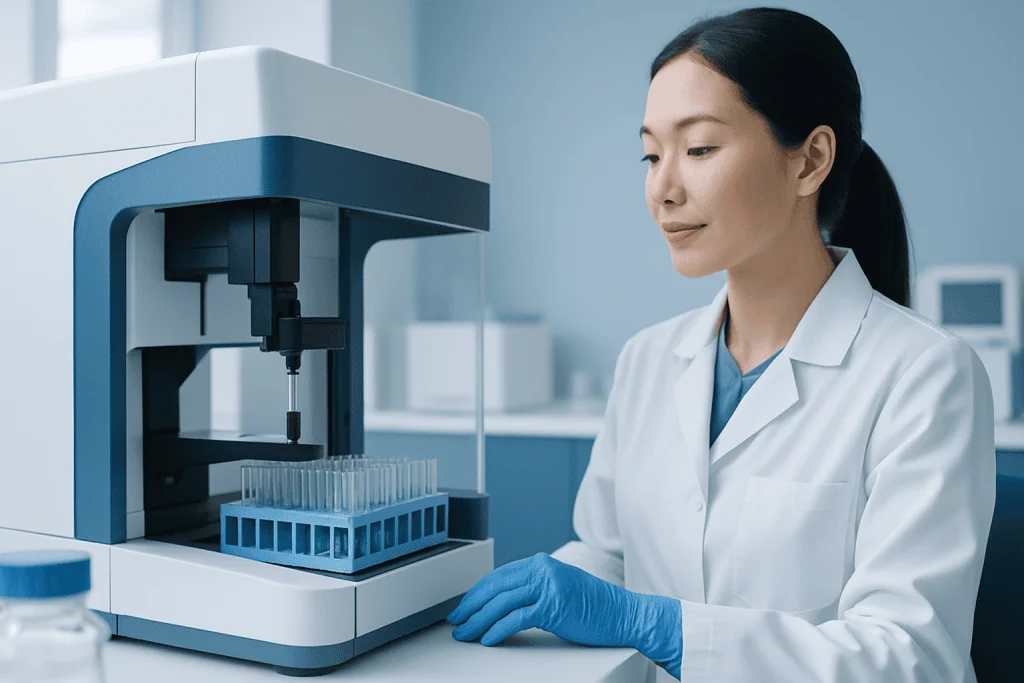
A liquid biopsy usually begins with a standard blood draw. The sample is sent to a specialized laboratory, where blood components are separated and cell-free DNA is extracted from the plasma. Advanced sequencing or molecular testing methods are then used to look for cancer-related genetic changes among the many normal DNA fragments that circulate in the blood.
Cancer cells can release DNA into the bloodstream as they grow, die, or are affected by treatment. This ctDNA may carry the same genetic alterations found in the tumor. By identifying these alterations, doctors may learn whether a tumor has a targetable mutation, whether a previous mutation is still detectable, or whether new resistance-related changes have emerged.
The sensitivity of liquid biopsy depends on several factors. Some cancers shed more DNA into the blood than others, and ctDNA levels may be higher in advanced or metastatic disease than in very early-stage cancer. Tumor location, tumor burden, recent treatment, and the specific test technology can all influence whether a mutation is detected.
Because the amount of tumor DNA can be very small, quality control and expert interpretation are essential. A liquid biopsy report may list detected genetic variants, possible treatment relevance, and limitations of the test. The results should always be reviewed in the context of the patient’s cancer type, stage, previous treatments, pathology findings, and imaging results.
Uses in Cancer Care

One of the most established uses of liquid biopsy is identifying genetic changes that may guide targeted therapy. In certain cancers, such as some lung, breast, colorectal, and prostate cancers, specific molecular alterations can help determine whether a targeted drug or clinical trial may be appropriate. If tissue is insufficient or a new biopsy is not feasible, a blood-based test may help avoid delays in treatment planning.
Liquid biopsy can also help detect mechanisms of treatment resistance. Cancers can evolve under treatment pressure, and new genetic changes may appear that make a therapy less effective. A repeat liquid biopsy may show whether a resistance mutation has developed, allowing the oncology team to consider a different targeted treatment, chemotherapy, immunotherapy strategy, or clinical trial when appropriate.
Another developing use is treatment monitoring. When ctDNA levels decrease after therapy, it may suggest that the cancer is responding, while rising levels may prompt closer evaluation. In some settings, liquid biopsy is also being studied or used to detect minimal residual disease, meaning tiny amounts of cancer DNA that may remain after surgery or other treatment even when scans do not show visible disease.
Liquid biopsy is not used in the same way for every cancer. Its role depends on the cancer type, stage, available treatments, laboratory test used, and whether the result would change medical decisions. For this reason, oncologists typically order liquid biopsy when there is a clear clinical question the test may help answer.
Benefits and Limitations
A major advantage of liquid biopsy is that it is minimally invasive. A blood draw is generally simpler and lower risk than a tissue biopsy, particularly when a tumor is located near important organs or when a patient is not well enough for an invasive procedure. It can also be repeated over time, allowing doctors to track changes in tumor genetics during treatment.
Liquid biopsy may provide a broader picture of cancer biology in some patients. A tissue biopsy samples one tumor area, while ctDNA in the blood may come from multiple tumor sites. This can be useful when metastatic tumors are genetically diverse or when cancer has evolved after prior treatment.
However, liquid biopsy has important limitations. A negative result does not always mean that cancer is absent or that a mutation is not present. Some tumors release very little DNA into the bloodstream, and very early cancers may not shed enough ctDNA to be detected reliably. If the clinical suspicion is high, doctors may still recommend tissue biopsy or repeat testing.
False positives and uncertain findings can also occur. Some detected DNA changes may come from non-cancer blood cell changes related to aging, a phenomenon known as clonal hematopoiesis. Some variants may have unclear significance. Therefore, liquid biopsy should not be interpreted in isolation; it is one part of a broader diagnostic and treatment decision-making process.
Liquid Biopsy and Tissue Biopsy: Working Together
Traditional tissue biopsy remains essential for diagnosing most cancers. It allows pathologists to look at cells under the microscope, confirm the cancer type, determine key features such as grade, and perform tests that may not be possible or reliable from blood alone. For a first cancer diagnosis, tissue biopsy is often still required.
Liquid biopsy is best understood as complementary to tissue biopsy. It may be used when tissue is unavailable, when a tissue sample is too small for comprehensive genetic testing, or when a repeat tissue biopsy would be difficult. It may also be used after treatment begins to assess whether tumor genetics have changed.
In some situations, liquid biopsy may identify a clinically important mutation quickly. In others, the blood test may be negative or inconclusive, and a tissue biopsy may still be needed. The choice between tissue testing, liquid biopsy, or both depends on the medical question, the urgency of treatment decisions, the patient’s condition, and the recommendations of the oncology team.
Preparing for the Test and Understanding Results
Preparing for a liquid biopsy is usually straightforward. Most people do not need special preparation, although the medical team may provide specific instructions depending on the laboratory and clinical situation. Patients should tell their doctor about their cancer history, previous genetic test results, current treatments, recent surgeries or procedures, and any other serious medical conditions.
Results may take several days to a few weeks, depending on the test and laboratory workflow. A report may include detected variants, genes tested, possible therapies related to those findings, clinical trial information, and technical limitations. Some reports classify findings by the strength of evidence, because not every genetic change has an approved treatment or proven clinical meaning.
Patients may find it helpful to ask their doctor the following questions:
- What question is this liquid biopsy intended to answer?
- If a mutation is found, could it change the treatment plan?
- If the result is negative, will tissue biopsy or another test still be needed?
- Does the test look for inherited cancer risk, tumor changes, or both?
- How will the result be combined with imaging and pathology findings?
Most liquid biopsies used in oncology evaluate tumor-related changes, not inherited cancer risk. However, occasionally a result may raise questions about a possible hereditary variant. If this occurs, confirmatory germline genetic testing and genetic counseling may be recommended.
Screening, Prevention, and Responsible Use
There is growing interest in using blood-based tests to screen for cancer before symptoms appear. Multi-cancer early detection tests are an active area of research and innovation. However, screening healthy people is different from testing someone who already has a diagnosed cancer, and any screening test must be carefully evaluated for accuracy, benefits, harms, follow-up procedures, and impact on outcomes.
At present, established cancer screening methods remain important. These may include mammography, cervical screening, colorectal cancer screening, lung cancer screening for eligible high-risk individuals, skin checks, and other tests recommended by a doctor based on age, sex, family history, and personal risk factors. A liquid biopsy should not be used as a reason to skip proven screening or ignore concerning symptoms.
Responsible use means ordering the test when the result is likely to guide care and ensuring that patients understand both the potential value and limitations. Decisions about liquid biopsy should be made with qualified healthcare professionals, ideally within a multidisciplinary cancer care team that includes oncologists, pathologists, radiologists, molecular specialists, genetic counselors when needed, and other experts.
When to Discuss Liquid Biopsy with a Doctor
Patients may wish to ask about liquid biopsy if they have advanced or metastatic cancer and the oncology team is considering targeted therapy. It may also be relevant if previous tumor tissue was insufficient for genetic testing, if a new biopsy is difficult, or if cancer has progressed after treatment and resistance testing may help guide the next step.
It is also reasonable to discuss liquid biopsy when monitoring treatment response, assessing recurrence risk in selected settings, or considering a clinical trial that requires molecular profiling. The doctor can explain whether the test is appropriate for the specific cancer type and stage, and whether the result is likely to influence management.
Medical attention should not be delayed while waiting for a test if there are new or worsening symptoms such as unexplained weight loss, persistent pain, bleeding, breathing difficulty, neurological symptoms, or a significant change in general health. These symptoms do not necessarily mean cancer is progressing, but they deserve timely evaluation.
Acibadem International’s multidisciplinary specialists and JCI-accredited hospitals diagnose and treat cancer for international patients, including the use of advanced molecular testing when clinically appropriate. Patients should speak with their oncology team to understand whether liquid biopsy is suitable for their individual care plan.
Frequently asked questions
Is liquid biopsy the same as a regular blood test?
Liquid biopsy uses a blood sample, but it is not the same as routine blood work. It requires specialized laboratory methods to analyze tumor-related genetic material, most often circulating tumor DNA. Routine blood tests measure general health markers such as blood counts, liver function, or kidney function.
Can liquid biopsy diagnose cancer by itself?
In most situations, cancer diagnosis still requires tissue confirmation and pathology review. Liquid biopsy may provide important genetic information, but it usually does not show the tumor architecture or cell appearance that pathologists need for a complete diagnosis. Doctors interpret it alongside imaging, tissue biopsy, and clinical findings.
What does it mean if a liquid biopsy result is negative?
A negative result means the test did not detect the specific cancer-related changes it was designed to look for. It does not always rule out cancer or a mutation, because some tumors shed little DNA into the blood. If the result does not fit the clinical picture, the doctor may recommend tissue testing, repeat testing, or other evaluation.
Can liquid biopsy help choose cancer treatment?
Yes, in selected cancers, liquid biopsy can identify genetic changes that may point toward targeted therapies or clinical trials. It can also reveal resistance mutations after a treatment stops working. Whether it changes treatment depends on the cancer type, the specific finding, and available evidence-based options.
Is liquid biopsy painful or risky?
The procedure itself is usually similar to a standard blood draw. Some people may have mild bruising, brief discomfort, or lightheadedness, but serious complications are uncommon. The more important consideration is correct interpretation of the result by an experienced oncology team.
Can liquid biopsy detect cancer recurrence early?
In some cancers and clinical settings, ctDNA testing may help detect minimal residual disease or signs of recurrence before changes are visible on scans. This use is still evolving and is not equally established for every cancer type. Patients should ask their oncologist whether ctDNA monitoring is recommended for their specific situation.
Does liquid biopsy test for inherited cancer risk?
Most liquid biopsies used for cancer treatment decisions test tumor-related genetic changes, not inherited risk. Inherited cancer risk testing usually requires a separate germline genetic test using blood or saliva and often involves genetic counseling. If a liquid biopsy suggests a possible inherited variant, confirmatory testing may be recommended.
References
- American Society of Clinical Oncology
- National Cancer Institute
- European Society for Medical Oncology
- College of American Pathologists
- U.S. Food and Drug Administration
This article is for general information only and is not a substitute for professional medical advice. Please consult a qualified doctor about your individual situation.
Oncology care in Turkey — second opinion and treatment plan
JCI-accredited · board-certified surgeons · reply within 24h
Add us as a Preferred Source to see more of our trusted health content across Google Search, AI Overviews and Discover.

IVF & Reproductive Health
Assisted reproduction and fertility treatments tailored to each couple.