Liver Ablation: Procedure, Recovery and Results

Liver ablation treats selected tumors by delivering heat, cold, microwave energy, or electrical pulses directly into the lesion. It is commonly performed using ultrasound or CT guidance and may be an alternative when surgery is not suitable.
Key Takeaways
- Liver ablation treats selected tumors by delivering heat, cold, microwave energy, or electrical pulses directly into the lesion.
- It is commonly performed using ultrasound or CT guidance and may be an alternative when surgery is not suitable.
- Many people go home the same day or after an overnight stay, although full liver ablation recovery varies.
- Follow-up scans are essential to confirm whether the treated tumor has been fully destroyed and to monitor for new lesions.
- Ablation can preserve healthy liver tissue, but it is not appropriate for every tumor location, size, or cancer type.
Liver ablation is a minimally invasive treatment that destroys targeted liver tumors while preserving as much healthy liver tissue as possible. It may be used alone or alongside surgery, chemotherapy, radiation therapy, or other cancer treatments, depending on the tumor and the person’s overall health.
Overview: What Is Liver Ablation?
Liver ablation is a local treatment used to destroy a tumor in the liver without removing the whole organ or a large section of it. A specialist places one or more thin probes into the tumor, usually through the skin, and applies an energy source that damages cancer cells. The goal is to create a controlled area of treatment around the tumor while limiting injury to surrounding healthy liver tissue.
The procedure may be considered for primary liver cancer, including hepatocellular carcinoma, or for tumors that have spread to the liver from another cancer, such as colorectal cancer. It can be used as a curative-intent treatment for carefully selected small tumors, to control tumors when surgery is not possible, or together with other treatments. The right approach is determined by a multidisciplinary team after reviewing scans, liver function, cancer type, and overall health.
Common techniques include radiofrequency ablation, microwave ablation, cryoablation, and irreversible electroporation. Radiofrequency and microwave ablation use heat; cryoablation freezes tissue; and irreversible electroporation uses short electrical pulses. The term liver ablation may describe any of these techniques, although heat-based methods are used most often.
How Liver Ablation Works and Who May Be a Candidate
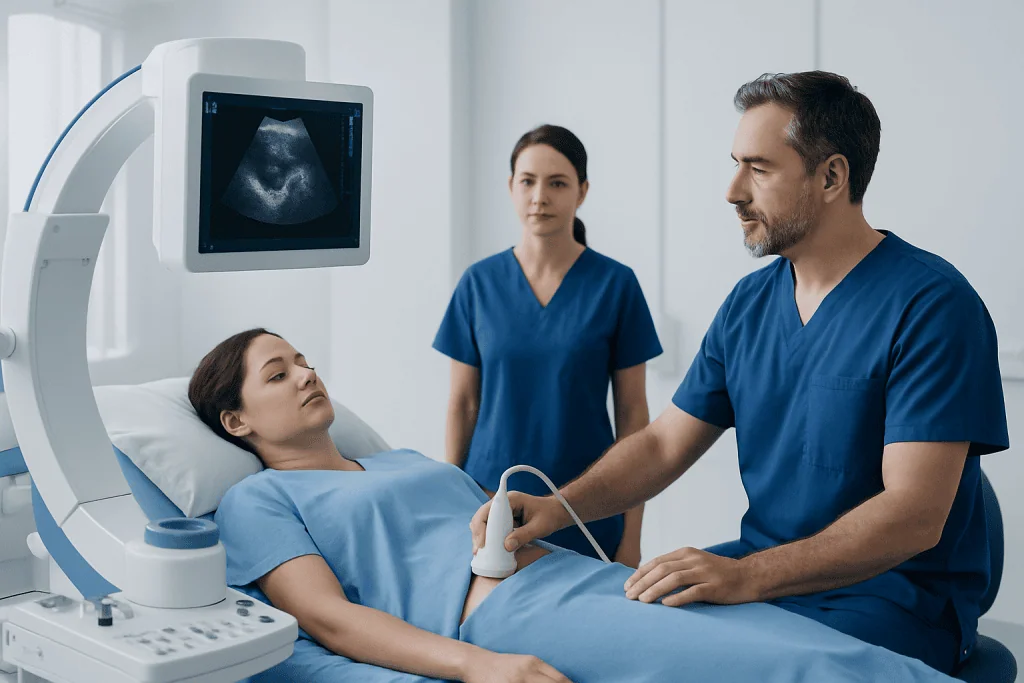
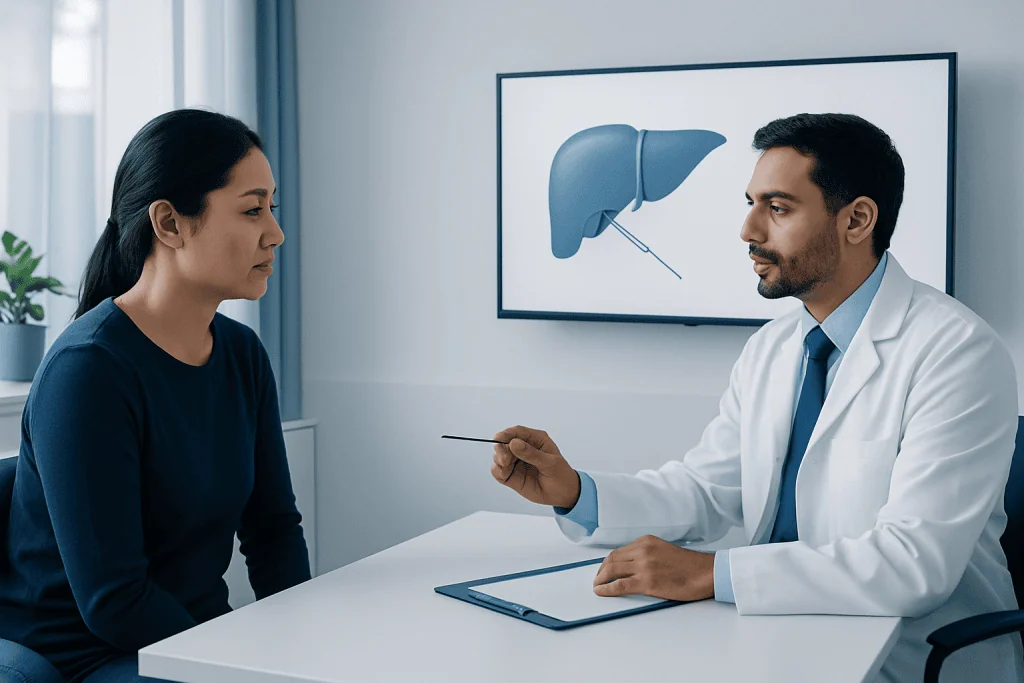
Ablation is designed for tumors that can be reached safely with a probe and treated with an adequate margin of surrounding tissue. It is often most effective for a limited number of relatively small liver tumors. Suitability depends not only on tumor size and number, but also on where tumors sit in relation to blood vessels, bile ducts, the bowel, diaphragm, or other important structures.
People may be considered for liver ablation when surgery would remove too much functioning liver tissue, when other health conditions make major surgery higher risk, or when a tumor has returned after previous treatment. It may also be used while a person is waiting for liver transplantation in selected cases. For people with liver cancer, the condition of the liver is especially important because cirrhosis or reduced liver function can affect treatment planning.
Before recommending ablation, the care team typically reviews CT or MRI scans, blood tests, medications, allergies, prior treatment, and anesthesia needs. Blood-thinning medicines may need temporary adjustment under medical guidance. A biopsy is not always required if imaging findings and the clinical situation already establish the diagnosis, but it may be appropriate in some cases.
Liver Ablation Procedure Steps
The liver ablation procedure usually takes place in an interventional radiology suite or operating room. It is commonly performed with general anesthesia or deep sedation, so the person should not feel the treatment itself. Ultrasound, CT, or sometimes MRI guidance helps the specialist plan the safest route to the tumor and confirm the position of the ablation probe.
After the skin is cleaned and numbed, the specialist makes a very small skin opening and advances the probe through the liver into the tumor. Imaging is used throughout the procedure. The selected energy is delivered for a planned period, creating a treatment zone that includes the tumor and, when feasible, a small safety margin around it. More than one probe placement or treatment cycle may be needed for larger or irregularly shaped lesions.
At the end, the probe is removed and a small dressing is applied. The team monitors blood pressure, breathing, pain, and recovery from anesthesia. Liver ablation procedure time varies with the number, size, and location of tumors, as well as the technique used, but preparation and recovery time are usually longer than the energy-delivery portion itself.
For patients whose tumors need local, image-guided therapy, liver ablation treatment may be discussed alongside surgical, systemic, and radiation-based options. The treatment plan should reflect both cancer control and preservation of liver function.
Benefits, Limitations and Possible Risks
A key benefit of liver ablation is that it is minimally invasive. It generally involves small skin punctures rather than a large surgical incision, can preserve more healthy liver tissue than resection, and may allow a shorter hospital stay. In appropriate cases, it can provide effective local control of a tumor and may be repeated if new suitable lesions develop.
However, ablation is not the best option for every person. Tumors that are large, numerous, difficult to reach, or very close to major ducts or blood vessels may be better managed with another approach or with combined treatment. Nearby blood flow can sometimes reduce the effectiveness of heat-based ablation, and a treated area may be difficult to assess immediately after the procedure. Follow-up imaging is therefore central to evaluating results.
Most complications are uncommon, but possible risks include bleeding, infection, pain, fever, fluid collection, injury to nearby organs, bile leak, damage to bile ducts, blood clots, and changes in liver function. Rarely, a person may need additional treatment or hospital care. The specialist discusses individual risks based on the tumor’s location, underlying liver disease, and other medical conditions.
For some people, other liver-directed treatments may be considered, including chemoembolization or surgery. These options are not interchangeable; they are selected according to the cancer type, extent of disease, blood supply to the tumor, and treatment goals.
Recovery Timeline After Liver Ablation
Liver ablation recovery often begins with several hours of monitoring after the procedure. Some people return home the same day, while others stay overnight, particularly after treatment of multiple tumors, more complex procedures, or if they have underlying liver disease. A responsible adult is usually needed to accompany the person home after sedation or anesthesia.
During the first few days, tiredness, mild to moderate soreness at the probe site, abdominal or shoulder discomfort, reduced appetite, and a low-grade fever can occur. This cluster of temporary symptoms is sometimes called post-ablation syndrome. The medical team can recommend suitable pain relief and give clear instructions about wound care, medicines, eating, activity, and when driving can safely resume.
Many people can gradually return to light daily activities within several days, but liver ablation recovery time is individual. Strenuous exercise, heavy lifting, and demanding work may need to wait for one to two weeks or longer, depending on the procedure and recovery. Follow-up blood tests and an imaging scan, often within weeks to months, help assess the ablation zone and check for residual or recurrent tumor.
It is important to attend every scheduled scan even when recovery feels smooth. Imaging, rather than symptoms alone, determines whether the treated tumor has responded fully and whether additional treatment is needed.
How Long Does It Take to Heal From Liver Ablation?
Initial healing after liver ablation commonly takes several days to a couple of weeks. Small skin punctures usually heal quickly, while internal healing in the liver continues over weeks. Energy levels may return gradually, especially for people who had several tumors treated, have cirrhosis, or are also receiving chemotherapy or other cancer treatment.
The liver ablation procedure recovery period should be individualized. A clinician may advise a longer period of reduced activity if there were complications, if liver blood tests remain abnormal, or if the treated area was close to sensitive structures. Follow-up imaging may show expected changes in the ablation area for some time as the body clears treated tissue and forms scar tissue.
Patients should follow their treating team’s instructions rather than comparing their progress with someone else’s. New or worsening symptoms should be discussed promptly, particularly if they interfere with drinking fluids, eating, walking, sleep, or daily activities.
How Painful Is Liver Ablation?
During liver ablation, patients are usually under general anesthesia or deep sedation, so significant pain during probe placement and energy delivery is not expected. Afterward, it is common to have tenderness at the entry site and discomfort in the upper abdomen or right shoulder. Pain is often temporary and can usually be managed with medicines recommended by the care team.
Pain levels vary according to the location and number of tumors treated, the ablation method, and each person’s pain sensitivity. Some discomfort may increase briefly as anesthesia wears off, but it should generally improve over the following days. The team monitors pain before discharge and provides guidance on taking prescribed or over-the-counter medicines safely.
Severe pain, pain that is getting worse rather than better, or pain accompanied by fever, fainting, shortness of breath, repeated vomiting, or abdominal swelling needs urgent medical assessment. These symptoms do not always indicate a serious complication, but they should not be managed at home without advice.
Is Liver Ablation Successful and Does the Liver Regenerate After Ablation?
Liver ablation can be successful at completely treating selected small tumors, particularly when the entire tumor and an appropriate treatment margin can be covered. Success is assessed on follow-up contrast-enhanced CT or MRI rather than by how a person feels after the procedure. Outcomes differ because they depend on cancer type, tumor size and number, tumor location, liver function, and whether cancer is present elsewhere in the body.
Ablation treats the targeted tumor but does not eliminate the possibility of new tumors developing elsewhere in the liver or of cancer recurring. For this reason, ongoing surveillance and treatment planning remain important. Some people need another ablation session or a different therapy if imaging shows remaining viable tumor tissue or later recurrence.
The liver has a notable ability to repair and regenerate after injury, particularly when the remaining liver is healthy. After ablation, the destroyed tumor tissue does not return to normal liver tissue; instead, it is gradually replaced by scar tissue. Healthy liver tissue around the treatment area can adapt and maintain function, although regeneration may be limited in people with significant cirrhosis or advanced liver disease.
At Acibadem International, multidisciplinary specialists in JCI-accredited hospitals can assess liver tumors and coordinate ablation with surgery, oncology, imaging, and supportive care for international patients.
When to Seek Medical Care
After liver ablation, patients should contact their treating team promptly for a fever that is persistent or high, increasing abdominal pain, chills, redness or drainage from the puncture site, persistent nausea or vomiting, yellowing of the skin or eyes, dark urine, or unusual weakness. These symptoms may have several causes, but timely assessment helps the team identify and manage complications early.
Emergency care is appropriate for severe shortness of breath, chest pain, fainting, uncontrolled bleeding, confusion, severe abdominal swelling, or sudden severe pain. People should also seek medical advice before restarting blood-thinning medication, supplements, or strenuous physical activity unless their treating team has already provided clear instructions.
For anyone with a known or suspected liver tumor, new abdominal swelling, unexplained weight loss, jaundice, persistent upper abdominal discomfort, or worsening fatigue should be discussed with a qualified clinician. These symptoms are not specific to cancer, but they deserve proper evaluation.
Frequently asked questions
What is liver ablation used for?
Liver ablation is used to destroy selected tumors in the liver. It may treat primary liver cancer or cancer that has spread to the liver, particularly when tumors are small and can be reached safely with image guidance. It can be used alone or as part of a wider treatment plan.
How long does liver ablation take?
The active treatment time varies depending on the technique, tumor size, number of tumors, and their location. Preparation for anesthesia, imaging guidance, and observation afterward mean the total visit is usually longer than the ablation itself. The treating specialist can provide a more individualized estimate.
How long does it take to heal from liver ablation?
Many people resume light activities within several days, while internal healing continues for weeks. Recovery can take longer after treatment of several tumors or in people with reduced liver function. Follow-up scans are needed to assess treatment response even if a person feels well.
How painful is liver ablation?
The procedure is commonly performed under general anesthesia or deep sedation, so patients generally do not feel the ablation itself. Mild to moderate soreness, abdominal discomfort, or shoulder pain can occur afterward and usually improves over several days. Severe or worsening pain should be reported to the medical team.
Is liver ablation successful?
Liver ablation can provide effective local tumor control in appropriately selected cases, especially for small tumors that can be completely covered by the treatment zone. Results vary with tumor type, size, location, liver health, and cancer spread. Follow-up contrast imaging confirms whether the tumor has been fully treated.
Does the liver regenerate after ablation?
Healthy liver tissue has the ability to adapt and regenerate after injury. The precise area destroyed by ablation generally becomes scar tissue rather than returning to normal liver tissue. Overall recovery of liver function depends on how much healthy liver remains and whether conditions such as cirrhosis are present.
References
- American Cancer Society
- European Society for Medical Oncology
- National Cancer Institute
- Radiological Society of North America
- American College of Radiology
This article is for general information only and is not a substitute for professional medical advice. Please consult a qualified doctor about your individual situation.
Oncology care in Turkey — second opinion and treatment plan
JCI-accredited · board-certified surgeons · reply within 24h
Add us as a Preferred Source to see more of our trusted health content across Google Search, AI Overviews and Discover.
Check your numbers in seconds
BMI, calories, due date, blood pressure and 30+ more clinical calculators — free, instant, doctor-reviewed ranges.

More from the Health Library



Related Specialists

Dr. Buket Karsavuranoğlu Seven
Internal Medicine
Prof. Dr. İbrahim Yıldız
Medical Oncology
Dr. Fatma Erbay Apaydın
Infectious Diseases & Clinical Microbiology
Dr. Melda Koyuncu
Dermatology