Liver Cancer: Cirrhosis Risk, Screening, and Treatment Options

Cirrhosis is one of the most important risk factors for primary liver cancer, but not everyone with cirrhosis develops cancer. People at increased risk may be advised to have liver cancer screening, commonly with ultrasound and sometimes a blood test, every six months.
Key Takeaways
- Cirrhosis is one of the most important risk factors for primary liver cancer, but not everyone with cirrhosis develops cancer.
- People at increased risk may be advised to have liver cancer screening, commonly with ultrasound and sometimes a blood test, every six months.
- Early liver cancer may cause no symptoms, which is why risk-based surveillance is important.
- Diagnosis often involves liver imaging with contrast-enhanced CT or MRI, blood tests, and sometimes biopsy.
- Treatment depends on tumor stage, liver function, general health, and may include ablation, surgery, transplant, embolization, radiation-based therapies, or systemic medicines.
- Managing hepatitis, alcohol-related liver disease, metabolic risk factors, and cirrhosis complications can reduce overall liver-related risk.
Liver cancer, especially hepatocellular carcinoma, often develops in people with long-term liver disease such as cirrhosis. Regular screening for high-risk patients can help find tumors earlier, when more treatment options may be available.
Overview
Liver cancer is cancer that starts in the liver. The most common type of primary liver cancer in adults is hepatocellular carcinoma, often shortened to HCC. It develops from the main working cells of the liver, called hepatocytes. A less common type, cholangiocarcinoma, begins in the bile ducts. This article focuses mainly on hepatocellular carcinoma because it is strongly linked to cirrhosis and long-term liver disease.
The liver performs essential tasks, including processing nutrients, producing bile, supporting blood clotting, filtering toxins, and helping regulate energy stores. When the liver is repeatedly injured over many years, scar tissue can build up. Advanced scarring is called cirrhosis. Cirrhosis changes the structure and function of the liver and increases the chance that abnormal cells may develop into cancer.
Liver cancer care is highly individualized. Doctors consider not only the size and number of tumors, but also how well the liver is working, whether cirrhosis is present, the patient’s overall health, and whether the cancer has spread. Because early liver cancer may be silent, people at increased risk benefit from a structured screening plan and ongoing liver specialist follow-up.
Cirrhosis Risk and Who Needs Screening

Cirrhosis is one of the strongest known risk factors for hepatocellular carcinoma. It can develop from several conditions, including chronic hepatitis B or C, alcohol-related liver disease, metabolic dysfunction-associated steatotic liver disease, autoimmune liver disease, inherited iron overload, and some bile duct disorders. In cirrhosis, cycles of injury and repair can lead to genetic changes in liver cells, creating an environment where cancer is more likely to form.
Screening, also called surveillance, is usually recommended for people with cirrhosis when they are well enough to benefit from treatment if cancer is found. Some people with chronic hepatitis B may also need surveillance even without cirrhosis, depending on age, family history, geographic background, viral activity, and other risk factors. The decision should be personalized by a hepatologist or gastroenterologist.
Common liver cancer surveillance uses an abdominal ultrasound every six months. In some patients, doctors also measure alpha-fetoprotein, or AFP, a blood marker that can be elevated in liver cancer but is not specific enough to be used alone. Ultrasound can be less accurate in people with obesity, severe fatty liver, or a very nodular cirrhotic liver; in these cases, a specialist may consider other imaging strategies.
Symptoms and Warning Signs
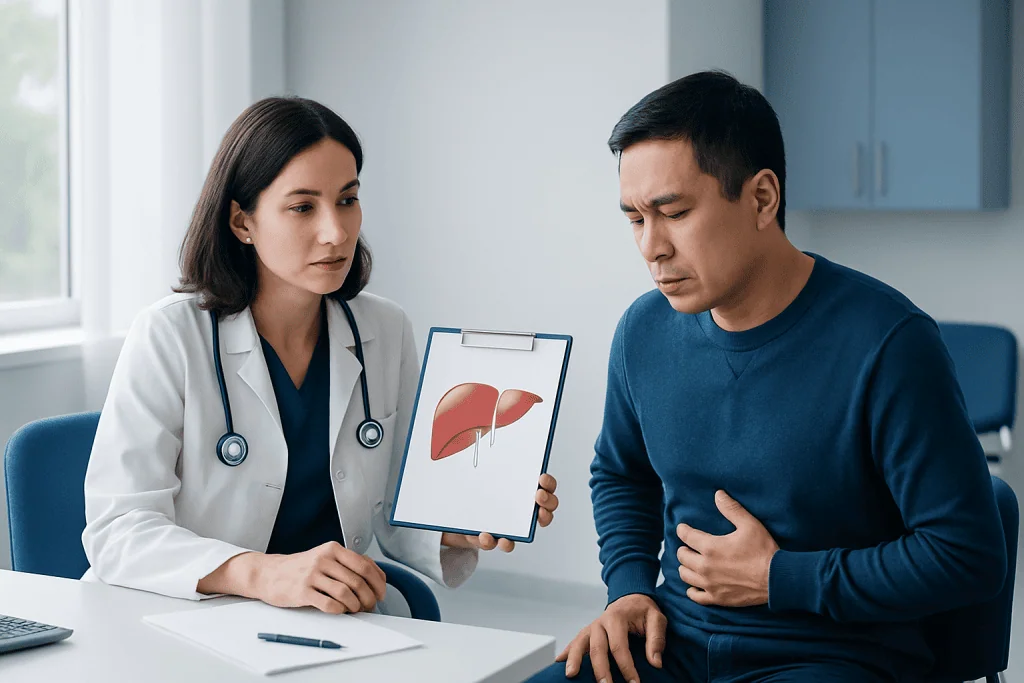
Early liver cancer often causes no symptoms. This is the main reason screening is important for people at higher risk. When symptoms do appear, they can be vague and may overlap with cirrhosis or other digestive conditions. A person may notice tiredness, reduced appetite, nausea, unintended weight loss, or a sense of fullness after eating small amounts.
As a tumor grows or liver function worsens, symptoms may include pain or discomfort in the right upper abdomen, swelling of the abdomen from fluid buildup, yellowing of the skin or eyes, dark urine, pale stools, itching, or easy bruising. Some people develop fever or a general feeling of being unwell. These symptoms do not always mean cancer is present, but they deserve medical assessment, especially in someone with known liver disease.
People with cirrhosis should also be aware of signs that may indicate liver decompensation, such as confusion, vomiting blood, black stools, severe abdominal swelling, or worsening jaundice. These situations require prompt medical attention. Even when cancer is not the cause, timely care can help manage complications and protect liver function.
Causes and Risk Factors
Liver cancer usually develops after years of chronic inflammation or injury. Chronic hepatitis B and hepatitis C are major causes worldwide. Hepatitis B can increase liver cancer risk even before cirrhosis develops, while hepatitis C most often increases risk through progression to advanced fibrosis or cirrhosis. Effective antiviral treatment can reduce risk, but people who already have cirrhosis may still need ongoing surveillance.
Alcohol-related liver disease is another important risk factor, especially when heavy drinking has caused cirrhosis. Increasingly, liver cancer is also linked to metabolic conditions, including obesity, type 2 diabetes, high blood pressure, abnormal cholesterol, and fatty liver disease. These conditions can lead to inflammation, scarring, and eventually cirrhosis in some patients.
Other risk factors include aflatoxin exposure in some regions, inherited hemochromatosis, primary biliary cholangitis, primary sclerosing cholangitis, certain rare genetic liver diseases, smoking, and a family history of liver cancer. Risk is often higher when several factors occur together, such as hepatitis plus alcohol use or fatty liver plus diabetes. Identifying and treating underlying liver disease is an important part of cancer prevention and long-term monitoring.
Diagnosis and Staging
If screening finds a suspicious liver nodule, or if symptoms raise concern, doctors usually order detailed imaging. Contrast-enhanced multiphase CT or MRI can show how a lesion takes up and releases contrast during different blood-flow phases. In many patients with cirrhosis, these characteristic imaging patterns can diagnose hepatocellular carcinoma without a biopsy. This approach helps avoid unnecessary invasive procedures when imaging is clear.
Blood tests help assess liver function, blood clotting, kidney function, infection status, and tumor markers such as AFP. AFP can support the overall assessment but cannot confirm or rule out liver cancer on its own. Some patients need a liver biopsy, particularly when imaging findings are not typical or when another type of cancer is possible. The benefits and risks of biopsy are discussed carefully, especially in people with cirrhosis or bleeding risk.
Staging means determining how advanced the cancer is and how well the liver is working. Doctors consider tumor size and number, whether cancer has entered blood vessels, whether it has spread outside the liver, and the severity of cirrhosis. They may use systems that combine tumor stage, liver function, and performance status. This is important because a small tumor in a severely damaged liver may need a different approach than a larger tumor in a liver that is still functioning well.
Treatment Options
Treatment for liver cancer is selected by a multidisciplinary team, often including hepatologists, oncologists, liver surgeons, transplant specialists, interventional radiologists, diagnostic radiologists, pathologists, and supportive care professionals. Options depend on whether the cancer is early, intermediate, or advanced, and whether the liver can safely tolerate treatment. The goal may be cure, long-term control, symptom relief, or preparation for transplant, depending on the situation.
For early-stage tumors, potentially curative treatments may include surgical removal of part of the liver, local ablation, or liver transplantation. Resection may be suitable when liver function is good and the tumor can be removed safely. Ablation uses heat, cold, or other energy methods to destroy small tumors. Liver transplantation treats both the tumor and the underlying cirrhosis in selected patients who meet transplant criteria, although suitability depends on tumor features, liver disease severity, waiting time, and donor availability.
For tumors that cannot be removed but are still mainly within the liver, locoregional treatments may be used. These include transarterial chemoembolization, transarterial radioembolization, and selected radiation techniques. These treatments aim to target tumors through their blood supply or with focused radiation while limiting damage to healthy tissue. They may be used to control disease, bridge a patient to transplant, or downstage tumors in carefully selected cases.
For advanced liver cancer, systemic treatment may be recommended. Modern options include immunotherapy combinations, targeted therapies, and other medicines chosen according to liver function, bleeding risk, autoimmune history, general health, and prior treatments. Supportive care is also essential at every stage and may include nutrition support, management of pain or fluid retention, treatment of hepatitis, and care for cirrhosis complications.
Prevention, Self-Care, and Follow-Up
Not all liver cancers can be prevented, but many risks can be reduced. Hepatitis B vaccination is an effective prevention measure. People with hepatitis B or C should be evaluated for antiviral treatment, which can lower the chance of cirrhosis and liver cancer. Those with established cirrhosis still need surveillance even if viral infection is controlled, because risk may remain.
Healthy liver habits are important for people with chronic liver disease. Patients are generally advised to avoid alcohol if they have cirrhosis or significant liver injury, maintain a healthy weight, manage diabetes and cholesterol, and discuss all medicines, supplements, and herbal products with a doctor. Some products marketed as liver cleanses can be harmful, especially in people with liver disease. A balanced diet, regular physical activity as tolerated, and vaccination against hepatitis A and B when appropriate can support overall liver health.
Follow-up is a long-term process. People with cirrhosis may need monitoring for liver cancer, varices, ascites, encephalopathy, bone health, nutrition, and medication safety. Keeping appointments every six months for surveillance, or as advised by the doctor, is important even when the person feels well. International patients who need evaluation or treatment can access multidisciplinary liver cancer care at Acibadem International’s JCI-accredited hospitals, where specialists coordinate diagnosis, staging, treatment planning, and follow-up.
When to See a Doctor
A person with known cirrhosis, chronic hepatitis B, chronic hepatitis C, or advanced fatty liver disease should ask a doctor whether liver cancer surveillance is recommended. Screening is most helpful when done regularly, before symptoms appear. Patients who have missed surveillance appointments should not feel discouraged; they can restart follow-up with their healthcare team.
Medical review is also important for new or worsening symptoms such as unexplained weight loss, persistent right upper abdominal pain, increasing abdominal swelling, jaundice, easy bruising, loss of appetite, or unusual fatigue. These symptoms can have many causes, but a timely assessment helps identify treatable problems. People with a family history of liver cancer or multiple liver risk factors should also discuss their personal risk with a specialist.
Urgent care is needed for vomiting blood, black or bloody stools, severe confusion, severe abdominal pain, high fever with liver disease, or rapidly worsening jaundice. These may indicate complications of cirrhosis or other serious conditions. A qualified doctor can determine the appropriate tests and treatment plan based on the individual’s liver function, cancer risk, and overall health.
Frequently asked questions
Does everyone with cirrhosis get liver cancer?
No. Cirrhosis increases the risk of hepatocellular carcinoma, but many people with cirrhosis never develop liver cancer. Because the risk is higher than average, regular surveillance is often recommended so that any cancer can be detected earlier.
How often should people at risk be screened for liver cancer?
Many guidelines recommend liver cancer surveillance every six months for suitable high-risk patients, most commonly using ultrasound with or without AFP blood testing. The exact plan should be individualized by a liver specialist based on the cause of liver disease, imaging quality, and overall health.
Can liver cancer be cured if found early?
Some early liver cancers can be treated with curative intent using surgery, ablation, or liver transplantation in carefully selected patients. The chance of successful treatment depends on tumor features, liver function, and the person’s general condition. Early detection generally provides more treatment choices.
Is AFP enough to diagnose liver cancer?
AFP is a useful blood marker in some patients, but it is not reliable enough to diagnose or exclude liver cancer by itself. Some liver cancers do not raise AFP, and AFP can rise for reasons other than cancer. Doctors interpret AFP together with imaging findings, liver tests, and the clinical picture.
What is the difference between liver cancer and cancer that spreads to the liver?
Primary liver cancer starts in the liver, while liver metastases are cancers that began in another organ and spread to the liver. These conditions are treated differently. Imaging, blood tests, medical history, and sometimes biopsy help doctors identify the source.
Can lifestyle changes lower liver cancer risk?
Lifestyle changes can reduce some liver-related risks, especially when they help prevent or slow cirrhosis. Avoiding alcohol in significant liver disease, maintaining a healthy weight, controlling diabetes, and treating viral hepatitis can all support liver health. People with cirrhosis should continue screening even with healthy habits.
References
- World Health Organization
- European Association for the Study of the Liver
- American Association for the Study of Liver Diseases
- National Cancer Institute
- European Society for Medical Oncology
This article is for general information only and is not a substitute for professional medical advice. Please consult a qualified doctor about your individual situation.
Liver Cancer in Turkey — costs, top hospitals & a free quote
JCI-accredited · board-certified surgeons · reply within 24h
Add us as a Preferred Source to see more of our trusted health content across Google Search, AI Overviews and Discover.
Check your numbers in seconds
BMI, calories, due date, blood pressure and 30+ more clinical calculators — free, instant, doctor-reviewed ranges.

Medical Oncology Department
Medical treatment of cancer with chemotherapy, immunotherapy and targeted therapies under a multidisciplinary tumor board.
60 specialists in this unit