Liver Cirrhosis: Symptoms, Causes, and Complication Prevention

Cirrhosis is advanced liver scarring caused by ongoing liver injury, but progression can often be slowed when the cause is treated. Early cirrhosis may cause few or no symptoms, while advanced cirrhosis can lead to jaundice, fluid buildup, bleeding, confusion, and infections.
Key Takeaways
- Cirrhosis is advanced liver scarring caused by ongoing liver injury, but progression can often be slowed when the cause is treated.
- Early cirrhosis may cause few or no symptoms, while advanced cirrhosis can lead to jaundice, fluid buildup, bleeding, confusion, and infections.
- Common causes include chronic hepatitis B or C, alcohol-related liver disease, metabolic dysfunction-associated fatty liver disease, and some autoimmune or inherited conditions.
- Diagnosis usually combines blood tests, imaging, liver stiffness measurement, and tests to identify the underlying cause.
- Regular monitoring can help prevent or detect complications such as varices, ascites, hepatic encephalopathy, and liver cancer.
- People with cirrhosis should avoid alcohol, review all medicines and supplements with a doctor, maintain nutrition, and seek urgent care for warning symptoms.
Liver cirrhosis is long-term scarring of the liver that can develop silently for years before symptoms appear. Early diagnosis, treating the underlying cause, and regular specialist follow-up can help reduce complications and protect quality of life.
Overview
Liver cirrhosis is a condition in which healthy liver tissue is gradually replaced by scar tissue. This scarring, also called fibrosis, changes the structure of the liver and can make it harder for the organ to perform its essential tasks. The liver helps process nutrients, produce proteins needed for blood clotting, filter toxins, support immunity, and regulate bile production for digestion.
Cirrhosis usually develops after years of ongoing liver inflammation or injury. In its early, compensated stage, the liver may still work well enough that a person feels normal. In more advanced, decompensated cirrhosis, the liver can no longer compensate fully, and complications such as fluid buildup, internal bleeding, jaundice, or confusion may appear.
A diagnosis of cirrhosis does not mean that nothing can be done. Many people benefit from treating the underlying cause, preventing further liver injury, improving nutrition, and having structured follow-up with a gastroenterologist or hepatologist. The main goals are to slow progression, detect complications early, and determine whether advanced treatments, including liver transplantation evaluation, are needed.
Common Symptoms of Liver Cirrhosis
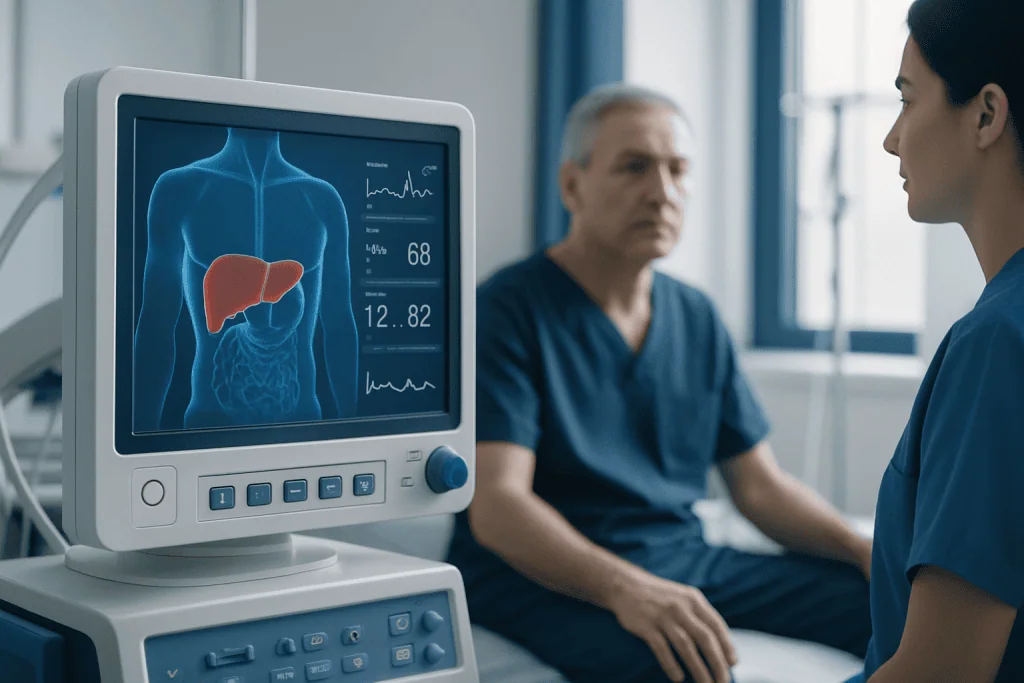
Cirrhosis symptoms vary widely. Some people have no symptoms and learn about the condition after abnormal blood tests or imaging performed for another reason. Others notice vague symptoms that can be mistaken for stress, aging, or digestive problems. These may include tiredness, weakness, reduced appetite, nausea, unintentional weight loss, or mild discomfort in the upper right abdomen.
As cirrhosis progresses, signs may become more visible. Jaundice can cause yellowing of the skin or eyes. The abdomen may swell due to fluid buildup, called ascites, and the legs or ankles may become puffy. Easy bruising, frequent nosebleeds, itchy skin, muscle loss, and small spider-like blood vessels on the skin may also occur.
Some symptoms suggest complications that require prompt medical attention. These include vomiting blood, passing black or bloody stools, increasing confusion or sleepiness, fever with abdominal swelling, severe shortness of breath, worsening jaundice, or reduced urination. These signs do not always mean a severe outcome is inevitable, but they should be assessed quickly by a qualified healthcare team.
Causes and Risk Factors

Cirrhosis can result from several long-term liver diseases. Chronic viral hepatitis B and hepatitis C are important causes worldwide. Alcohol-related liver disease is another common cause, especially when alcohol intake continues over many years. Metabolic dysfunction-associated steatotic liver disease, previously often described as nonalcoholic fatty liver disease, can progress to inflammation and scarring, particularly in people with obesity, type 2 diabetes, high blood pressure, or abnormal cholesterol levels.
Other causes include autoimmune hepatitis, primary biliary cholangitis, primary sclerosing cholangitis, long-term bile duct obstruction, and inherited conditions such as hemochromatosis, Wilson disease, and alpha-1 antitrypsin deficiency. Less commonly, chronic exposure to certain medicines or toxins can contribute to liver injury. Sometimes more than one factor is present, such as fatty liver disease combined with alcohol use or viral hepatitis.
Risk is influenced not only by the cause but also by duration, severity, genetics, age, and other health conditions. For example, diabetes and excess body weight can accelerate fatty liver-related damage, while untreated hepatitis B or C may progress over time. Identifying the cause is essential because targeted treatment may stabilize liver disease, reduce inflammation, and help prevent further scarring.
How Liver Cirrhosis Is Diagnosed
Diagnosis begins with a careful medical history and physical examination. A doctor may ask about alcohol use, viral hepatitis risk, metabolic conditions, medicines, supplements, family history, previous blood transfusions or procedures, and symptoms such as swelling or bleeding. Physical signs may include an enlarged spleen, abdominal fluid, jaundice, muscle loss, or skin changes.
Blood tests help assess liver function and possible causes. These may include liver enzymes, bilirubin, albumin, blood clotting tests, platelet count, kidney function, sodium levels, viral hepatitis tests, autoimmune markers, iron studies, and other specialized tests when inherited conditions are suspected. No single blood test alone confirms every case, so results are interpreted together.
Imaging tests such as ultrasound, CT, or MRI can show liver shape, spleen enlargement, fluid buildup, blood vessel changes, or suspicious liver nodules. Transient elastography or other liver stiffness measurements can estimate the degree of fibrosis without surgery. In selected cases, a liver biopsy may be recommended when the diagnosis or cause remains unclear. Endoscopy may also be used to look for enlarged veins in the esophagus or stomach, called varices, which can occur when pressure rises in the portal vein system.
Treatment Options and Ongoing Care
Treatment depends on the cause, stage of cirrhosis, and whether complications are present. If viral hepatitis is responsible, antiviral therapy may be recommended. If alcohol is a contributing factor, complete avoidance of alcohol is one of the most important steps. For fatty liver-related cirrhosis, treatment often focuses on weight management, diabetes control, cholesterol management, and safe physical activity. Autoimmune or bile duct diseases may require condition-specific medicines and monitoring.
Managing complications is a central part of cirrhosis care. Ascites may be treated with dietary sodium restriction, water tablets prescribed by a doctor, or procedures to remove fluid when necessary. Varices may be managed with medicines that reduce portal pressure or endoscopic banding. Hepatic encephalopathy, a condition that can cause confusion due to toxin buildup, may be treated with medications that reduce toxin production in the gut. Infections, kidney strain, and bleeding risks are monitored carefully.
People with cirrhosis often need scheduled surveillance. This may include ultrasound-based screening for liver cancer, periodic endoscopy depending on variceal risk, blood tests to monitor liver and kidney function, and vaccination review. Some patients with advanced disease may be referred for liver transplantation assessment. Transplant evaluation considers medical urgency, overall health, cause of liver disease, and the ability to participate in long-term follow-up.
Preventing Complications and Supporting Daily Health
Prevention of complications starts with protecting the liver from further injury. People with cirrhosis should avoid alcohol unless a doctor has provided a different specific instruction, and they should not start or stop medicines without medical advice. This includes over-the-counter pain relievers, herbal products, bodybuilding supplements, and traditional remedies, because some can be harmful to the liver or kidneys.
Nutrition is also important. Older advice sometimes encouraged people with liver disease to severely restrict protein, but many patients with cirrhosis are at risk of muscle loss and malnutrition. A clinician or dietitian may recommend balanced meals with adequate protein, frequent small meals if appetite is low, and reduced salt intake if fluid retention is present. Food safety matters because cirrhosis can increase susceptibility to infection; undercooked seafood and unsafe water should be avoided.
Helpful self-care steps include:
- Keeping all follow-up appointments and recommended screening tests.
- Receiving vaccines recommended by a healthcare professional, such as hepatitis A, hepatitis B, influenza, pneumococcal, or others depending on age and risk.
- Maintaining safe physical activity to preserve muscle strength, with guidance if fatigue or frailty is present.
- Monitoring for new swelling, weight changes, jaundice, bleeding, confusion, or fever.
- Discussing travel plans with a doctor, especially if advanced cirrhosis or recent complications are present.
When to See a Doctor
A person should seek medical evaluation if they have unexplained fatigue, persistent abdominal swelling, yellowing of the eyes or skin, easy bruising, dark urine, pale stools, repeated nausea, or a history of hepatitis, heavy alcohol use, fatty liver disease, or abnormal liver tests. Early specialist assessment can identify the cause and create a plan before complications develop.
Urgent care is needed for vomiting blood, black tar-like stools, sudden confusion, severe drowsiness, fainting, fever with abdominal pain or swelling, rapid worsening of jaundice, severe shortness of breath, or very low urine output. These symptoms can be treated more safely when addressed promptly.
Ongoing care is usually best coordinated by clinicians experienced in liver disease, often with support from radiology, endoscopy, nutrition, infectious diseases, oncology, intensive care, or transplant teams when needed. Acibadem International’s multidisciplinary specialists and JCI-accredited hospitals diagnose and treat liver cirrhosis for international patients, including evaluation of complications and advanced care pathways. Patients should always discuss individual risks and treatment choices with their own qualified doctor.
Frequently asked questions
Can liver cirrhosis be reversed?
Cirrhosis means advanced scarring, and scar tissue may not fully disappear. However, treating the underlying cause can often slow or stop further damage, and in some cases liver function can improve. The outlook depends on the cause, stage, complications, and overall health.
What are the first signs of cirrhosis?
Early cirrhosis may cause no symptoms at all. When symptoms appear, they may be nonspecific, such as fatigue, reduced appetite, nausea, mild abdominal discomfort, or unexplained weight loss. Because these symptoms have many possible causes, medical evaluation and blood tests are important.
Is cirrhosis always caused by alcohol?
No. Alcohol-related liver disease is one cause, but cirrhosis can also result from hepatitis B or C, fatty liver disease related to metabolic conditions, autoimmune liver diseases, bile duct disorders, and inherited conditions. Identifying the correct cause helps guide treatment.
What foods should someone with cirrhosis avoid?
Advice should be individualized, but many people with cirrhosis are told to avoid alcohol and be cautious with high-salt foods if they have fluid retention. Undercooked seafood and unsafe foods should be avoided because infection risk can be higher. A doctor or dietitian can provide a nutrition plan that protects muscle and supports liver health.
Why is endoscopy needed in cirrhosis?
Cirrhosis can increase pressure in the portal vein system, leading to enlarged veins called varices in the esophagus or stomach. These veins may bleed if they become large or fragile. Endoscopy helps doctors detect varices and decide whether preventive treatment is needed.
When is liver transplant considered for cirrhosis?
Liver transplantation may be considered when cirrhosis causes significant liver failure, repeated complications, or certain liver cancers within accepted criteria. Evaluation is detailed and considers medical severity, other health conditions, and readiness for long-term follow-up. Not everyone with cirrhosis needs a transplant, but timely referral can be important for advanced disease.
References
- World Health Organization
- European Association for the Study of the Liver
- American Association for the Study of Liver Diseases
- National Institute of Diabetes and Digestive and Kidney Diseases
- Mayo Clinic
This article is for general information only and is not a substitute for professional medical advice. Please consult a qualified doctor about your individual situation.
Cirrhosis in Turkey — costs, top hospitals & a free quote
JCI-accredited · board-certified surgeons · reply within 24h
Add us as a Preferred Source to see more of our trusted health content across Google Search, AI Overviews and Discover.
Check your numbers in seconds
BMI, calories, due date, blood pressure and 30+ more clinical calculators — free, instant, doctor-reviewed ranges.

Gastroenterology
Diagnosis and treatment of the digestive system and liver, with advanced endoscopy.
46 specialists in this unit