Liver Function Panel: A Complete Medical Overview

A liver function panel measures several blood markers, including liver enzymes, proteins, and bilirubin. Results can suggest liver inflammation, bile duct blockage, reduced liver function, or effects from medicines and alcohol.
Key Takeaways
- A liver function panel measures several blood markers, including liver enzymes, proteins, and bilirubin.
- Results can suggest liver inflammation, bile duct blockage, reduced liver function, or effects from medicines and alcohol.
- Abnormal results do not always mean serious liver disease; interpretation depends on symptoms, history, and other tests.
- Doctors may use repeat testing, imaging, or other blood work to clarify the cause of abnormal findings.
- Healthy lifestyle habits, medication review, and timely medical follow-up can help protect liver health.
A liver function panel is a set of blood tests used to evaluate how well the liver is working and whether there are signs of inflammation, injury, or problems with bile flow. It does not diagnose every liver condition on its own, but it gives doctors important clues that guide next steps.
Overview: what a liver function panel shows
A liver function panel is a group of blood tests that helps doctors assess liver health. Despite the name, it includes both markers of liver injury and markers of liver performance. In practical terms, it can show whether liver cells are irritated or damaged, whether bile is flowing normally, and whether the liver is making key proteins as expected.
This panel commonly includes alanine aminotransferase (ALT), aspartate aminotransferase (AST), alkaline phosphatase (ALP), bilirubin, albumin, and total protein. Some laboratories also report gamma-glutamyl transferase (GGT) or measure prothrombin time through a separate clotting test when liver function needs closer evaluation. Looking at the pattern of these values often provides more information than any single number alone.
A liver function panel is used for many reasons. A doctor may order it to investigate symptoms such as fatigue, yellowing of the skin, dark urine, abdominal discomfort, itching, or nausea. It may also be used during routine checkups, before surgery, to monitor long-term conditions, or to watch for side effects from medicines that can affect the liver.
Importantly, this panel is a starting point rather than a final answer. Some people with mild abnormalities have temporary changes related to medication, exercise, alcohol use, or a recent viral illness. Others may need further evaluation for conditions such as liver cancer, fatty liver disease, hepatitis, or bile duct disorders.
Which tests are included and what they mean
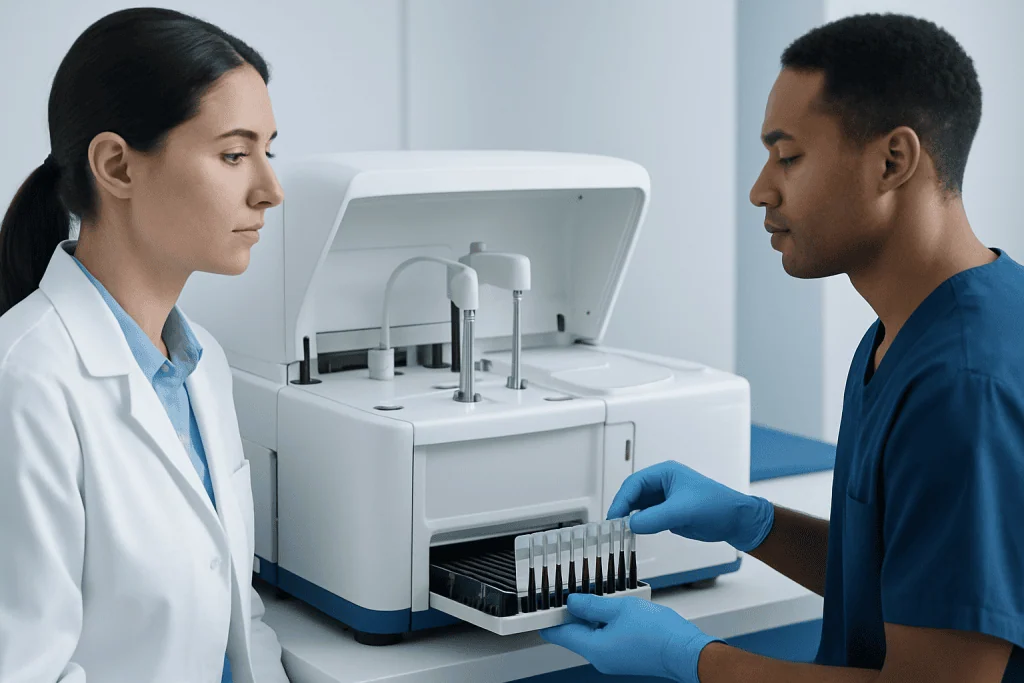
ALT and AST are enzymes found inside liver cells. When those cells are inflamed or injured, these enzymes can leak into the bloodstream. ALT is generally more specific to the liver, while AST can also rise with muscle injury and some other conditions.
ALP and sometimes GGT help evaluate the bile ducts, which carry bile from the liver. When bile flow is reduced or blocked, these markers may rise. Bilirubin is a yellow pigment produced when the body breaks down old red blood cells; the liver processes it so it can be removed. High bilirubin may lead to jaundice, which causes yellow skin or eyes.
Albumin and total protein reflect the liver’s role in making important proteins. Albumin helps maintain fluid balance in the bloodstream and carries hormones, vitamins, and medications. Lower-than-expected levels may suggest chronic liver disease, poor nutrition, kidney loss of protein, or other medical conditions.
Doctors interpret the full panel in context. For example, a pattern dominated by high ALT and AST may suggest liver cell injury, while elevated ALP and bilirubin may point more toward a bile flow problem. The result pattern, medical history, physical examination, and any symptoms together shape the next step.
Why results may be abnormal

Abnormal liver function panel results can happen for many reasons, and not all of them are due to primary liver disease. Common causes include viral hepatitis, fatty liver related to weight or metabolism, alcohol-related liver injury, medication side effects, autoimmune liver disease, and bile duct blockage from stones or inflammation. Temporary changes may also occur after vigorous exercise, dehydration, or short-term illness.
Prescription medicines, over-the-counter pain relievers, herbal supplements, and even some vitamins can affect liver blood tests. For this reason, doctors usually ask about everything a person takes, including nonprescription products. Sharing a complete medication list is important, because stopping or changing a medicine without advice can be unsafe.
Metabolic conditions can also influence results. Obesity, type 2 diabetes, high cholesterol, and insulin resistance are linked with fatty changes in the liver. In some people, inherited disorders involving iron or copper, thyroid disease, celiac disease, or heart failure may be part of the picture.
Sometimes a liver function panel shows only mild changes with no obvious symptoms. In these cases, a doctor may repeat the test after a period of time, review possible triggers, and order targeted follow-up tests if needed. This stepwise approach helps avoid unnecessary alarm while still taking abnormal results seriously.
How doctors interpret a liver function panel
One of the most helpful ways to understand a liver function panel is to look at the pattern rather than focusing only on whether a single result is slightly above or below the reference range. Reference ranges vary by laboratory, age, sex, and sometimes body size. A mildly abnormal result may be less concerning than a rapid change over time or a combination of abnormal values.
Doctors often think in broad patterns. A hepatocellular pattern means ALT and AST are more prominent, suggesting injury to liver cells. A cholestatic pattern means ALP and bilirubin are more affected, suggesting a problem with bile formation or bile flow. A synthetic dysfunction pattern refers to low albumin or abnormal clotting tests, which may indicate that the liver is not performing some of its essential tasks normally.
The timing of the abnormality matters too. Sudden, marked changes may suggest acute hepatitis, medication reaction, reduced blood flow to the liver, or another urgent problem. Persistent mild abnormalities over months may point toward chronic conditions such as fatty liver disease or ongoing alcohol-related injury. Symptoms, alcohol intake, recent travel, family history, and risk factors for viral hepatitis all help with interpretation.
If the picture remains unclear, further evaluation may include repeat blood tests, viral hepatitis screening, autoimmune markers, iron studies, ultrasound, or more advanced imaging. In selected cases, doctors may recommend MRI or ultrasound to look at the liver, gallbladder, and bile ducts in more detail.
Diagnosis and follow-up after abnormal results
An abnormal liver function panel does not automatically mean a person has liver failure or a permanent liver condition. The next step is usually a careful review of symptoms, alcohol use, medication and supplement exposure, family history, and other medical problems. A physical examination may look for jaundice, abdominal tenderness, swelling, or signs of long-standing liver disease.
Additional testing depends on the suspected cause. Doctors may order tests for hepatitis viruses, autoimmune conditions, iron overload, or other metabolic disorders. Imaging can help detect fatty liver, gallstones, bile duct blockage, masses, or changes suggestive of chronic liver disease. If more specialized care is needed, referral to a gastroenterologist or hepatologist may be appropriate.
Some people need monitoring rather than immediate intervention. Repeat blood tests may show that an abnormality is improving after recovery from an illness, after reducing alcohol intake, or after adjusting a medication under medical supervision. In other cases, ongoing abnormalities lead to a more structured care plan.
When advanced liver disease is suspected, doctors may assess scarring, complications, and overall liver reserve with additional tests. If there is concern about severe liver damage, specialists may discuss treatments ranging from medication management to advanced options such as liver transplant evaluation in carefully selected patients.
Treatment and liver-supporting self-care
Treatment is aimed at the cause of the abnormal liver function panel, not just the numbers themselves. For example, management may involve treating viral hepatitis, improving metabolic health in fatty liver disease, addressing bile duct obstruction, or stopping a medication that may be contributing under medical guidance. If a gallbladder or bile duct problem is suspected, treatment planning may involve specialists and procedures tailored to the underlying issue.
Supportive self-care can make a meaningful difference. Many people are advised to avoid alcohol until the cause of abnormal tests is clear, maintain a healthy body weight, stay physically active, and follow a balanced eating pattern rich in vegetables, fruits, whole grains, and lean protein. People with diabetes, high blood pressure, or high cholesterol benefit from keeping these conditions well managed.
Medication safety is also important. People should use over-the-counter pain relievers, herbal products, and supplements cautiously, because some can injure the liver or interact with prescribed treatment. It is safest to ask a qualified clinician before starting any new product, especially when liver tests are already abnormal.
For patients who need comprehensive evaluation, Acibadem International’s multidisciplinary specialists in JCI-accredited hospitals diagnose and treat liver and biliary conditions for international patients. In some situations, associated digestive evaluations such as endoscopy may be part of a broader workup when symptoms suggest a gastrointestinal cause alongside liver-related concerns.
When to seek medical care
Medical advice is appropriate if liver test results are abnormal, especially when there are symptoms such as yellowing of the skin or eyes, dark urine, pale stools, persistent nausea, vomiting, fatigue, itching, swelling, unexplained bruising, or pain in the upper right abdomen. Even mild symptoms are worth discussing if they continue or return.
Prompt medical attention is especially important if jaundice develops quickly, there is confusion or unusual sleepiness, severe abdominal pain, fever, vomiting that prevents drinking fluids, or signs of bleeding. These symptoms do not always mean a serious emergency, but they need timely assessment to rule out urgent causes.
People with known liver disease, heavy alcohol use, hepatitis exposure, or long-term use of medicines that may affect the liver should keep recommended follow-up appointments. Early review helps doctors compare trends over time and intervene before complications develop.
Anyone with questions about a liver function panel should discuss the results with a qualified doctor rather than trying to self-diagnose from a single number. Careful interpretation provides the clearest and most reassuring path forward.
Frequently asked questions
Is a liver function panel the same as a liver function test?
In everyday use, the terms are often used interchangeably. A liver function panel usually refers to a group of blood tests that together evaluate liver injury, bile flow, and aspects of liver performance.
Do abnormal liver function panel results always mean liver disease?
No. Abnormal results can be caused by many factors, including medications, alcohol use, recent illness, muscle injury, or temporary changes that resolve on their own. A doctor interprets the results alongside symptoms, medical history, and often repeat testing.
Should a person fast before a liver function panel?
Many liver blood tests do not require fasting, but requirements can vary depending on what other tests are ordered at the same time. It is best to follow the instructions given by the doctor or laboratory.
What is the most important value in a liver function panel?
There is no single most important value for everyone. Doctors usually look at the pattern of ALT, AST, ALP, bilirubin, albumin, and related tests together, because that pattern gives a clearer picture than one result alone.
Can fatty liver cause abnormal liver blood tests?
Yes. Fatty liver disease can raise liver enzymes, especially ALT and AST, although some people with fatty liver may have normal blood tests. Imaging and a full clinical assessment are often needed to understand the situation properly.
How long does it take for liver tests to return to normal?
That depends on the cause. Temporary changes from a short illness or medication effect may improve in days to weeks, while chronic conditions can take longer and may need ongoing treatment and monitoring.
References
- National Institute of Diabetes and Digestive and Kidney Diseases
- American College of Gastroenterology
- MedlinePlus
- Mayo Clinic
- Centers for Disease Control and Prevention
This article is for general information only and is not a substitute for professional medical advice. Please consult a qualified doctor about your individual situation.
Explore treatments in Turkey — costs, top hospitals & a free quote
JCI-accredited · board-certified surgeons · reply within 24h
Add us as a Preferred Source to see more of our trusted health content across Google Search, AI Overviews and Discover.
Check your numbers in seconds
BMI, calories, due date, blood pressure and 30+ more clinical calculators — free, instant, doctor-reviewed ranges.

More from the Health Library



Related Specialists

Dr. Hasan Kamburoğlu
Anesthesiology
Dr. Civan Kalafat
Gynecology & Obstetrics
Dr. Münür Selçuk Kendir
Aesthetic Plastic & Reconstructive Surgery
Dr. Cavide Ali
Gynecology & Obstetrics