Living After Neurosurgery: Returning to Daily Activities Safely

Recovery after neurosurgery is individual and depends on the type of operation, the area treated, and overall health. Daily activities should usually be resumed step by step, with attention to fatigue, pain, balance, and concentration.
Key Takeaways
- Recovery after neurosurgery is individual and depends on the type of operation, the area treated, and overall health.
- Daily activities should usually be resumed step by step, with attention to fatigue, pain, balance, and concentration.
- Follow-up visits, wound care, and prescribed rehabilitation are important parts of recovery.
- Warning signs such as worsening headache, fever, confusion, weakness, or wound changes need prompt medical advice.
- Emotional recovery matters too, and temporary mood or memory changes can happen during healing.
Living after neurosurgery often involves a gradual return to normal routines rather than an immediate return to usual activity. A safe recovery plan usually includes rest, symptom monitoring, rehabilitation, and guidance from the neurosurgical team.
Overview: What Recovery After Neurosurgery Usually Involves
Living after neurosurgery is a period of healing, adjustment, and gradual rebuilding. Whether the procedure involved the brain, spine, or peripheral nerves, the body needs time to recover from both the underlying condition and the operation itself. For many people, the first goal is not to do everything at once, but to return to essential daily tasks safely and steadily.
Recovery can look different from one patient to another. It depends on the type of surgery, the reason it was needed, age, general health, and whether there were symptoms such as weakness, pain, seizures, balance problems, or nerve changes before the procedure. A person recovering after a brain operation may have different short-term needs than someone healing after spinal surgery, even though both may feel tired and need support at home.
It is common for progress to happen in stages. Some days may feel easier than others, and temporary fatigue is especially common. Many people need help with transportation, household tasks, work planning, and medication routines in the early days or weeks. With appropriate guidance, rehabilitation, and follow-up, most daily activities can be resumed in a structured way.
Common Physical and Emotional Changes During Recovery
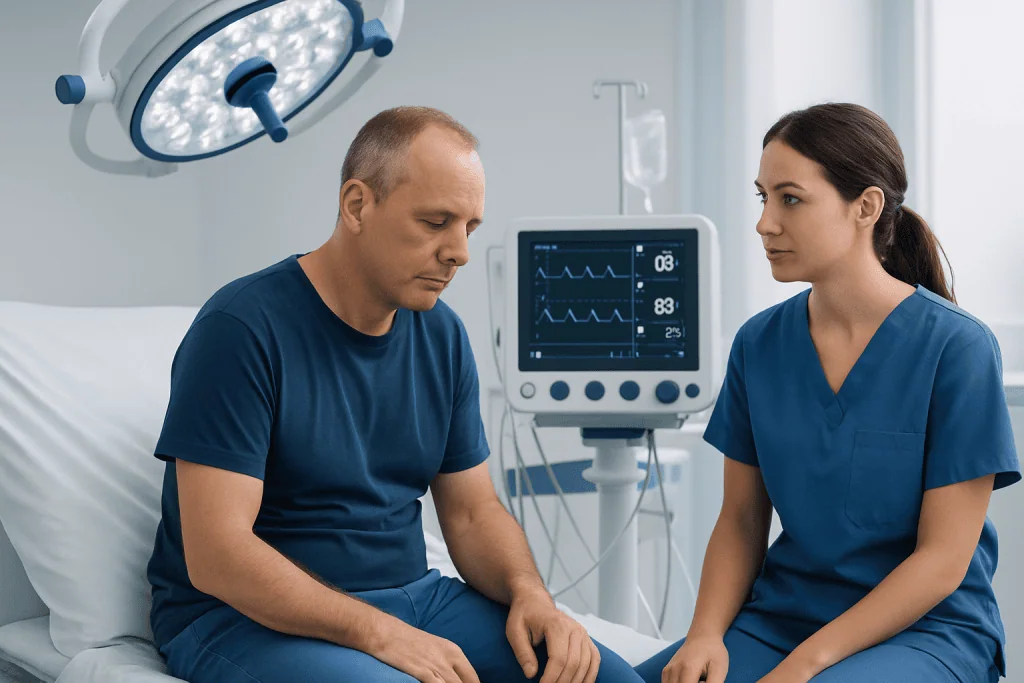
After neurosurgery, the body often gives clear signals that it is healing. Tiredness, mild discomfort around the incision, reduced stamina, and changes in sleep are common. Depending on the procedure, there may also be temporary headaches, neck stiffness, swelling, numbness, or weakness. After some spine operations, bending, lifting, and twisting may be restricted for a period of time. After some brain procedures, concentration, speech, vision, or coordination may take time to fully improve.
Emotional changes can also be part of recovery. It is not unusual to feel more sensitive, worried, frustrated, or low in mood for a while, especially when routine activities feel slower than usual. Some patients notice short-term changes in memory, attention, or mental energy. These effects can improve as the brain and body recover, but they should still be discussed with the care team if they interfere with daily life.
Family support can make recovery easier. Loved ones may help notice changes in mobility, thinking, mood, or wound healing that the patient does not immediately recognize. If symptoms seem to worsen rather than gradually improve, it is important to contact a qualified doctor for advice.
Returning to Daily Activities Safely

Most people are advised to return to activity gradually rather than staying completely inactive. Gentle walking is often encouraged early because it supports circulation, breathing, bowel function, and overall strength. At the same time, overexertion can increase pain and fatigue. A simple rule is to increase activity little by little and slow down if symptoms become more noticeable.
Personal care activities such as washing, dressing, and eating usually return first, but some patients may need temporary help. Household tasks like cooking, cleaning, lifting groceries, and caring for children may need to wait until the surgeon says they are safe. Driving is a special issue after neurosurgery, particularly if there has been a seizure, visual change, weakness, slowed reaction time, or use of sedating medicines. The treating doctor should guide the timing of driving and return to work.
Common areas that often need planning include:
- Walking and stair use
- Bathing while protecting the incision
- Sleeping positions and comfort
- Screen time, reading, and concentration-heavy tasks
- Exercise, sexual activity, and travel
- Work, school, and caregiving responsibilities
Patients recovering from major procedures may benefit from a formal rehabilitation program. This can include physiotherapy for balance and strength, occupational therapy for practical tasks, and speech or cognitive therapy when needed. In some cases, the underlying condition may have required brain tumor treatment or care for a herniated disc, and the pace of recovery may reflect both the disease and the surgery used to treat it.
Incision Care, Medicines, and Follow-Up
Wound care is an important part of healing after neurosurgery. Patients are usually advised to keep the incision clean and dry and to follow instructions about showering, dressings, and hair washing if the surgery involved the scalp. The area should be checked regularly for increased redness, swelling, drainage, opening of the wound, or a new unpleasant odor. These changes do not always mean a serious problem, but they should be reported promptly.
Medicines may include pain relief, anti-seizure treatment, steroids, stool softeners, or other drugs depending on the operation. It is important to take them exactly as prescribed and to ask before restarting over-the-counter supplements or blood-thinning medicines. Some medicines can affect alertness, stomach comfort, or sleep, so patients should tell the doctor about side effects rather than stopping medication on their own.
Follow-up appointments allow the team to check healing, review symptoms, and adjust restrictions. Imaging or neurological examinations may be needed in some cases. For many patients, recovery is closely linked to the original procedure, such as neurosurgery treatment for tumors, vascular conditions, nerve compression, or spinal problems. These visits are also the right time to ask when it is safe to travel, exercise, return to work, or resume specific routines.
Rehabilitation and Long-Term Recovery
Rehabilitation can be one of the most valuable parts of living after neurosurgery. Even when the operation is successful, the body may need help relearning movement, improving strength, reducing pain, or rebuilding endurance. This is especially true if there was weakness, nerve compression, balance difficulty, or reduced mobility before surgery.
Depending on the patient’s needs, the care plan may involve physiotherapy, occupational therapy, speech therapy, or neuropsychological support. After spine procedures, therapy may focus on posture, core strength, safe movement mechanics, and a careful increase in activity. After certain brain procedures, therapy may support balance, communication, memory strategies, and problem-solving in day-to-day life.
Long-term recovery is not only physical. Good nutrition, hydration, regular sleep, and emotional support all matter. Some patients also benefit from specialized approaches such as physical therapy and rehabilitation or structured spine rehabilitation when back or neck function has been affected. Progress may be gradual, but steady improvement often comes from consistent routines rather than pushing too hard too early.
Prevention, Self-Care, and Protecting Recovery
There is no single way to prevent every setback after neurosurgery, but careful self-care can lower the risk of complications and help healing continue smoothly. Rest should be balanced with movement. Short walks, hydration, a fiber-rich diet if appropriate, and good sleep habits can reduce common recovery problems such as constipation, stiffness, and deconditioning.
Patients are usually advised to avoid smoking and to limit alcohol unless a doctor says otherwise, because both can interfere with healing and medication safety. Heavy lifting, contact sports, and high-risk activities should be avoided until cleared by the surgeon. If dizziness, balance issues, or weakness are present, the home may need temporary safety adjustments such as grab bars, better lighting, cleared pathways, and supervision on stairs.
Self-care also includes paying attention to mental well-being. Gentle daily structure, realistic goals, and accepting help can reduce stress during recovery. Near the end of treatment planning, some international patients may seek care through Acibadem International, where multidisciplinary specialists in JCI-accredited hospitals diagnose and treat neurosurgical conditions and support follow-up for recovery needs.
When to See a Doctor Urgently
Many symptoms after neurosurgery are expected and improve with time, but some need prompt medical review. Patients should contact their doctor urgently if they develop fever, worsening or severe headache, repeated vomiting, increasing confusion, fainting, new seizures, sudden weakness, speech difficulty, chest pain, or shortness of breath. New problems with walking, loss of bladder or bowel control, or rapidly increasing pain should also be assessed.
Signs of wound problems deserve attention as well. These include increasing redness, swelling, drainage, bleeding, separation of the incision, or fluid leakage from the nose, ear, or wound area after certain procedures. If prescribed medicines seem to cause a rash, major drowsiness, breathing difficulty, or other concerning effects, the medical team should be informed right away.
It is usually better to ask about a symptom early than to wait and worry. Clear communication with the neurosurgeon, rehabilitation team, and primary doctor can help ensure that any complication is identified and treated quickly. Safe recovery is not only about healing from surgery, but also about knowing when new symptoms are outside the expected course.
Frequently asked questions
How long does it take to recover after neurosurgery?
Recovery time varies widely depending on the type of surgery, the area treated, and the person’s overall health. Some patients feel stronger within weeks, while others need months of rehabilitation and gradual progress. The treating neurosurgeon is the best source for an individual timeline.
Is it normal to feel very tired after neurosurgery?
Yes, fatigue is one of the most common symptoms during recovery. The brain and body use significant energy for healing, and medicines, sleep disruption, and reduced activity can add to tiredness. Resting regularly while increasing activity slowly is usually helpful.
When can someone drive again after neurosurgery?
Driving should only resume when the doctor says it is safe. This depends on factors such as vision, strength, reaction time, pain control, seizure risk, and medication side effects. Local laws or medical regulations may also affect when driving can restart.
What activities should usually be avoided at first?
Heavy lifting, strenuous exercise, contact sports, and any activity that risks a fall are commonly restricted early on. Some patients must also limit bending, twisting, or long periods of screen work or concentration. The exact restrictions depend on the procedure and should come from the surgical team.
Can emotional or memory changes happen after neurosurgery?
Yes, some people notice temporary changes in mood, memory, attention, or mental energy. These may be related to the surgery itself, the underlying condition, medicines, or stress during recovery. If the changes are significant or worsening, they should be discussed with a doctor.
When should a patient seek urgent medical help during recovery?
Urgent medical advice is needed for symptoms such as worsening headache, fever, new weakness, confusion, repeated vomiting, seizures, breathing problems, or concerning wound changes. These symptoms do not always mean a serious complication, but they should not be ignored. Prompt assessment helps protect recovery.
References
- World Health Organization
- National Institute of Neurological Disorders and Stroke
- American Association of Neurological Surgeons
- National Health Service
- Mayo Clinic
This article is for general information only and is not a substitute for professional medical advice. Please consult a qualified doctor about your individual situation.
Neurosurgery in Turkey — costs, top hospitals & a free quote
JCI-accredited · board-certified surgeons · reply within 24h
Add us as a Preferred Source to see more of our trusted health content across Google Search, AI Overviews and Discover.

Neurosurgery
Surgical treatment of the brain, spine and nervous system, including minimally invasive and functional procedures.
70 specialists in this unit