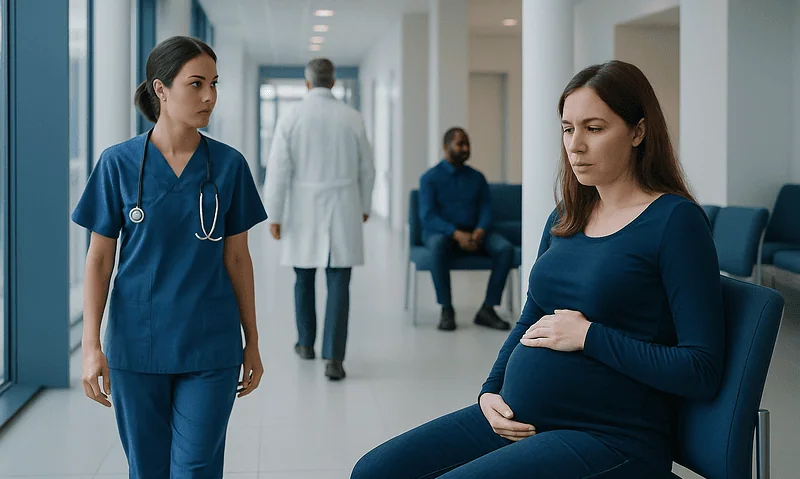
Living Donor Liver Transplant: Donor Safety, Partial Liver Donation, and Recovery

Living donor liver transplant is possible because the liver can regenerate after partial liver donation. Donor safety is the first priority, and donation proceeds only after detailed medical, psychological, and ethical evaluation.
Key Takeaways
- Living donor liver transplant is possible because the liver can regenerate after partial liver donation.
- Donor safety is the first priority, and donation proceeds only after detailed medical, psychological, and ethical evaluation.
- Most living donors give either the right or left part of the liver, depending on recipient needs and donor anatomy.
- Recovery requires time, follow-up visits, activity restrictions, and attention to physical and emotional well-being.
- A donor should never feel pressured; the decision must be voluntary, informed, and supported by an independent medical team.
A living donor liver transplant uses part of a healthy person’s liver to replace a diseased liver in someone who needs a transplant. Careful donor evaluation, expert surgical planning, and structured follow-up are essential for donor safety and recipient success.
Overview
Living donor liver transplant is a surgical treatment for people with severe liver disease who need a new liver. Instead of waiting for a liver from a deceased donor, a suitable healthy person donates part of their liver. The donated portion is transplanted into the recipient, while the remaining liver in the donor continues to function and gradually grows back toward its original size.
This approach is possible because the liver has a unique capacity to regenerate. Regeneration does not mean a new liver grows from nothing; rather, the remaining liver tissue increases in volume and function over weeks to months. Both the donor’s remaining liver and the transplanted liver segment in the recipient can adapt, provided the donated portion is large enough and healthy enough.
Living donor liver transplantation can reduce waiting time for the recipient and allows surgery to be planned in advance. However, it is a major operation for a healthy person, so donor safety is central to every step. Donation is considered only when the expected benefits for the recipient are balanced against acceptable and carefully minimized risks for the donor.
How Partial Liver Donation Works
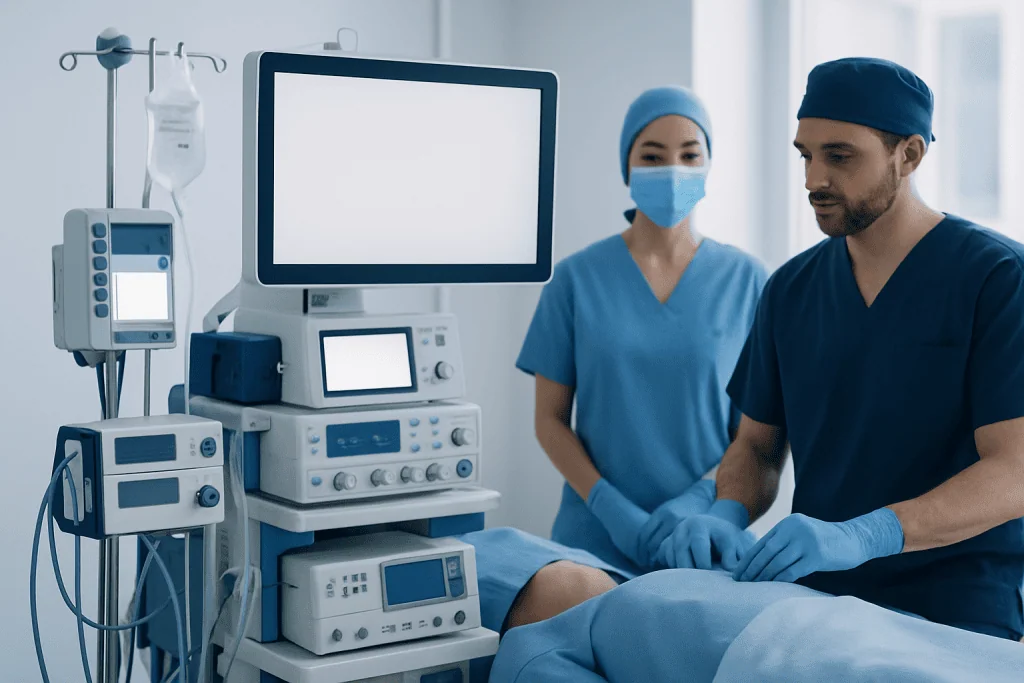
In partial liver donation, surgeons remove a segment of the donor’s liver and transplant it into the recipient. The exact portion depends on several factors, including the recipient’s size and condition, the donor’s liver anatomy, blood vessels, bile ducts, and the amount of liver that must safely remain in the donor.
For many adult recipients, the right lobe of the liver may be needed because it provides a larger graft. In some cases, particularly for smaller adults or children, the left lobe or a smaller left lateral segment may be sufficient. The surgical team uses detailed imaging to map the liver and decide whether donation is technically safe.
The operation for the donor is performed under general anesthesia. Surgeons carefully divide liver tissue, blood vessels, and bile ducts while preserving adequate blood flow and drainage for both donor and recipient. In many transplant centers, the donor and recipient operations are coordinated so the liver segment can be implanted soon after removal.
After surgery, the donor’s liver begins regeneration, and liver function is monitored closely with blood tests and imaging when needed. The recipient also requires lifelong transplant follow-up and immunosuppressive medicines to help prevent rejection. The donor, however, does not need anti-rejection medication because no foreign organ is placed in their body.
Donor Evaluation and Eligibility

A potential living liver donor undergoes a comprehensive evaluation before any decision is made. This assessment is designed to protect the donor first. A person may be motivated to help a loved one, but donation is allowed only if the medical team believes the procedure can be performed with an acceptable level of risk.
Evaluation usually includes blood tests, liver function tests, blood type matching, infectious disease screening, heart and lung assessment, and advanced imaging such as CT or MRI. Doctors also assess liver size, fat content, blood vessels, and bile duct anatomy. Some donors may require additional testing if there are findings that need clarification.
Psychological and social evaluation is also important. The team considers whether the donor understands the risks, has realistic expectations, and is making a voluntary decision without pressure. Donors are encouraged to ask questions and may withdraw at any time, even late in the process, without needing to justify their decision.
Common eligibility considerations include:
- Good overall physical and mental health.
- No significant liver disease or uncontrolled chronic illness.
- Compatible blood type or a transplant plan that addresses compatibility safely.
- Adequate liver volume for both donor and recipient after surgery.
- Ability to follow recovery instructions and attend follow-up visits.
Donor Safety and Possible Risks
Donor safety is the guiding principle of living donor liver transplant. Because the donor is a healthy person, the transplant team must be especially cautious. The purpose of evaluation is not only to find a suitable graft for the recipient, but also to identify any reason donation may place the donor at unnecessary risk.
Like all major surgery, living liver donation has potential risks. These may include pain, bleeding, infection, blood clots, bile leakage, wound problems, hernia, reactions to anesthesia, or the need for additional procedures. Temporary changes in liver blood tests are expected after surgery and are monitored closely. Serious complications are uncommon in experienced centers but can occur, which is why informed consent is essential.
Long-term health after donation is generally good for carefully selected donors, but follow-up matters. Donors should maintain a healthy lifestyle, avoid unnecessary liver strain, and inform healthcare providers about their donation history. Alcohol use, certain medications, herbal supplements, or untreated metabolic conditions can affect liver health and should be discussed with a doctor.
Ethical safeguards are also part of donor safety. Many programs use an independent donor advocate or separate donor team to ensure the donor’s interests are protected. The donor’s medical information and decision-making process should be handled confidentially, and the donor should feel free to pause or stop the process.
Recipient Benefits and Considerations
For recipients, living donor liver transplant may offer important advantages. Surgery can often be scheduled before the recipient becomes critically ill, and the time the liver graft spends outside the body is usually shorter than with deceased donor transplantation. Planned surgery also allows the team to prepare the recipient and donor carefully.
Living donation can be considered for several advanced liver conditions, including cirrhosis from various causes, certain inherited or metabolic diseases, and selected liver cancers when transplant criteria are met. The recipient must still be suitable for transplant and able to tolerate major surgery and lifelong follow-up.
It is important to understand that a living donor transplant is not a simple shortcut. The recipient needs a full transplant evaluation, including assessment of liver disease severity, heart and lung health, infection risk, cancer screening when appropriate, and social support. After transplant, the recipient will need immunosuppressive medication, regular blood tests, and careful monitoring for rejection, infection, bile duct problems, or recurrence of the original disease.
The decision to proceed depends on both donor and recipient factors. Sometimes a motivated donor is not medically suitable, or the recipient’s condition changes. In these cases, the transplant team discusses alternative options, including ongoing waiting list care or other treatments that may help stabilize the recipient.
Recovery After Living Liver Donation
Recovery after living liver donation varies from person to person, but it usually requires several weeks before normal daily routines gradually resume. Donors typically spend the first days after surgery in the hospital, where pain control, breathing exercises, walking, wound care, bowel function, and liver tests are monitored. Early movement helps reduce the risk of blood clots and supports recovery.
At home, donors are usually advised to avoid heavy lifting and strenuous exercise until cleared by the surgical team. Fatigue is common and can last longer than expected, even when blood tests are improving. A balanced diet, hydration, gentle walking, and adequate sleep support healing, but donors should follow the specific instructions given by their transplant center.
Follow-up visits are essential. The team checks the incision, liver function, blood counts, and overall well-being. Donors should contact their doctor promptly if they develop fever, increasing abdominal pain, jaundice, shortness of breath, leg swelling, persistent vomiting, wound drainage, or any symptom that feels unusual or worsening.
Emotional recovery is also part of the process. Donors may feel satisfaction, relief, worry, or temporary mood changes after surgery. These feelings can be influenced by pain, fatigue, family stress, or the recipient’s recovery. Psychological support, open communication, and time away from work or caregiving duties can be important parts of healing.
Preparing for Donation and When to Seek Expert Care
Preparation begins with honest discussion. A potential donor should learn about the surgery, expected recovery time, financial and practical issues, possible effects on work and family life, and both short-term and long-term risks. Donors should also discuss pregnancy plans, chronic medications, previous surgeries, and any history of liver, heart, clotting, or mental health conditions.
Before surgery, the medical team may recommend stopping smoking, improving fitness, adjusting medications, or addressing weight, blood pressure, blood sugar, or nutrition concerns. Donors should not start supplements, restrictive diets, or medication changes without medical advice. The safest preparation plan is individualized and supervised.
A person should seek transplant expertise if a loved one has been advised to consider liver transplantation, if they are considering living donation, or if they need a second opinion about donor eligibility. Care is best provided by a multidisciplinary transplant team that includes hepatologists, transplant surgeons, anesthesiologists, radiologists, psychologists, coordinators, and specialized nurses.
Acibadem International’s multidisciplinary specialists and JCI-accredited hospitals evaluate and treat liver transplant patients, including international patients, with coordinated donor and recipient care. Regardless of location, donors and recipients should choose a qualified transplant program that provides transparent information, independent donor assessment, emergency support, and long-term follow-up.
Frequently asked questions
Does the donor’s liver grow back after partial liver donation?
Yes. The liver has a strong ability to regenerate after part of it is removed. The remaining liver tissue increases in size and function over time, although the exact speed of recovery varies from person to person.
Is living liver donation safe?
Living liver donation is performed only after careful evaluation because it is major surgery for a healthy person. Most carefully selected donors recover well, but complications can occur. Donor safety depends on thorough assessment, experienced surgical care, and reliable follow-up.
Who can be a living liver donor?
A donor is usually a healthy adult with suitable liver anatomy, adequate liver volume, and no significant medical or psychological condition that would make donation unsafe. Blood type compatibility, liver quality, and the recipient’s needs are also considered. Final eligibility is determined by a transplant team after detailed testing.
How long does recovery take for a living liver donor?
Many donors need several weeks before returning to light daily activities and longer before heavy exercise or physically demanding work. Fatigue can persist even after the incision has healed. The surgical team provides individualized guidance on work, travel, lifting, and exercise.
Can a donor change their mind?
Yes. A potential donor can withdraw from the donation process at any time. The decision must be voluntary, informed, and free from pressure, and transplant programs should protect the donor’s confidentiality and autonomy.
Will the donor need medication for life after donation?
Living liver donors do not need lifelong anti-rejection medication because they are not receiving a transplanted organ. They may need short-term medicines after surgery, such as pain control or other supportive treatments. Long-term care focuses on general health and liver-friendly habits.
What should donors avoid after recovery?
Donors should follow their transplant team’s advice about alcohol, medications, supplements, and exercise. They should avoid unnecessary liver strain and tell healthcare providers about their donation history. Any new or persistent symptoms should be discussed with a qualified doctor.
References
- American Association for the Study of Liver Diseases
- European Association for the Study of the Liver
- American Society of Transplantation
- United Network for Organ Sharing
- World Health Organization
This article is for general information only and is not a substitute for professional medical advice. Please consult a qualified doctor about your individual situation.
Explore treatments in Turkey — costs, top hospitals & a free quote
JCI-accredited · board-certified surgeons · reply within 24h
Add us as a Preferred Source to see more of our trusted health content across Google Search, AI Overviews and Discover.