Living With Neuro-Ophthalmic Symptoms: Daily Safety and Self-Care Tips

Neuro-ophthalmic symptoms may include double vision, blurred vision, eye movement problems, visual field loss, and trouble with balance or coordination. Home safety changes, good lighting, contrast markings, and organized routines can lower the risk of falls and accidents.
Key Takeaways
- Neuro-ophthalmic symptoms may include double vision, blurred vision, eye movement problems, visual field loss, and trouble with balance or coordination.
- Home safety changes, good lighting, contrast markings, and organized routines can lower the risk of falls and accidents.
- Driving, work, and screen use may need temporary or long-term adjustments depending on the type and severity of symptoms.
- Persistent, sudden, or worsening visual symptoms should be assessed by a qualified doctor, especially if they occur with headache, weakness, or speech changes.
- Treatment depends on the cause and may involve neuro-ophthalmology, neurology, rehabilitation, and vision-support strategies.
Neuro-ophthalmic symptoms can change how a person sees, moves, reads, and manages everyday routines. With the right safety measures, self-care strategies, and medical follow-up, many people can protect independence and reduce daily strain.
Overview
Neuro-ophthalmic symptoms are vision-related problems caused by conditions affecting the eyes, optic nerves, brain, or the pathways that control eye movements and visual processing. A person may notice double vision, blurred vision, difficulty focusing, drooping eyelids, blind spots, reduced side vision, or trouble judging depth and movement. These symptoms can develop suddenly or gradually, and their impact often goes beyond eyesight alone.
Because vision is closely connected to balance, navigation, reading, and hand-eye coordination, neuro-ophthalmic symptoms can interfere with many ordinary tasks. Walking on stairs, pouring drinks, crossing roads, driving, using digital devices, and recognizing objects in crowded environments may become more difficult. This can lead to frustration, fatigue, and concern about safety.
Living well with these symptoms starts with understanding that support is available. Practical self-care, thoughtful environmental changes, and timely medical evaluation can make a meaningful difference. The goal is not only to address the underlying cause when possible, but also to help the person remain safe, comfortable, and as independent as possible in daily life.
Common Symptoms and How They Affect Daily Life
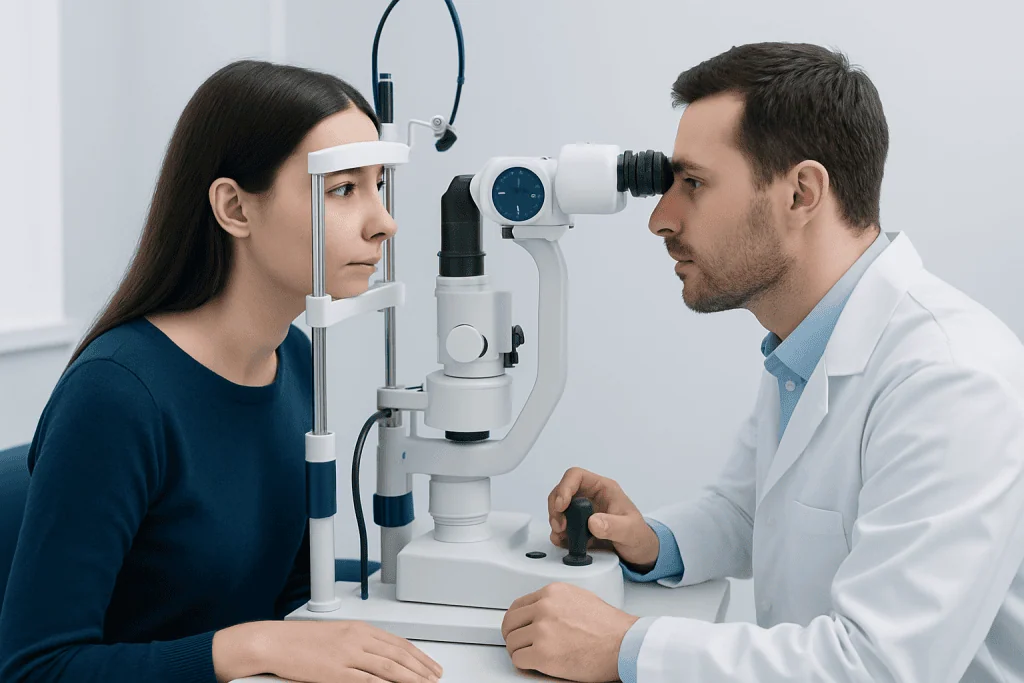
The symptoms vary depending on which part of the visual system is affected. Some people have double vision when looking in certain directions, while others experience patchy vision loss, dimness, difficulty tracking moving objects, or sensitivity to bright light. Eye strain, headaches, dizziness, and visual fatigue are also common, especially during reading or screen use.
These changes may affect daily life in practical ways. Reading can become slower because the eyes lose their place or words appear to move. Cooking may be harder if depth perception is reduced or side vision is limited. Walking outdoors may feel less secure, particularly in low light, busy places, or unfamiliar settings. A person may bump into doorframes, miss steps, or feel unsteady when turning quickly.
Some symptoms can fluctuate through the day. Fatigue, illness, stress, prolonged visual tasks, or poor lighting may make vision seem worse. Keeping a simple symptom diary can help identify patterns. Notes on what the person was doing, when symptoms started, and whether rest helped can be useful during a medical appointment.
- Double vision may affect reading, driving, and stair use.
- Visual field loss can make it easier to miss people, vehicles, or obstacles at the side.
- Blurred or unstable vision may reduce confidence during walking or cooking.
- Light sensitivity and eye strain can make work and screen-based tasks more tiring.
Causes and Why Assessment Matters
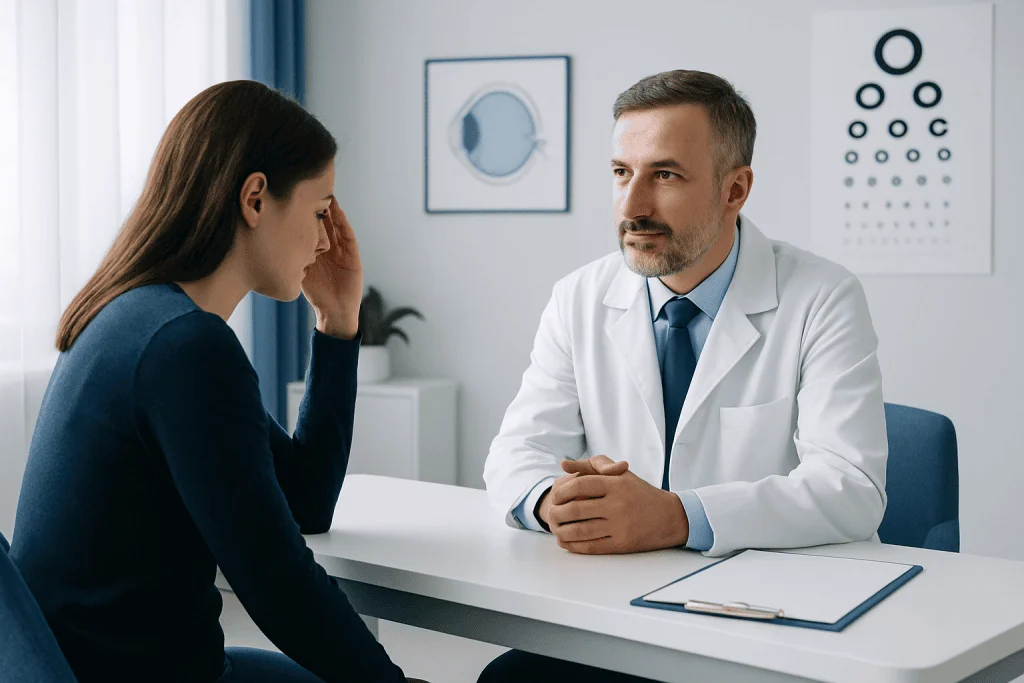
Neuro-ophthalmic symptoms are not a diagnosis by themselves. They are signs that may be linked to many different conditions, ranging from migraine and inflammation to nerve palsies, stroke, multiple sclerosis, head injury, raised pressure around the brain, or disorders affecting the muscles and nerves that move the eyes. In some cases, symptoms relate to brain tumors, optic nerve disease, or circulation problems that need prompt attention.
Assessment matters because treatment depends on the cause. For example, sudden double vision from a nerve palsy is managed differently from visual changes related to migraine, and both differ from symptoms caused by an inflammatory or structural problem. Some causes improve with time and supportive care, while others require medication, rehabilitation, or urgent intervention.
It is also important to remember that eye symptoms may be part of a broader neurological picture. If visual changes happen with weakness, numbness, severe headache, slurred speech, confusion, trouble walking, or facial drooping, urgent medical evaluation is needed. Early assessment can help protect vision and support overall health.
Daily Safety Tips at Home and Outdoors
Simple changes at home can reduce falls and make daily routines easier. Good lighting is one of the most helpful steps. Bright, even light in hallways, bathrooms, stairways, and kitchens can improve confidence and visibility. Night lights near the bed and along the route to the bathroom may be especially useful. Removing loose rugs, securing cables, and keeping walkways clear can lower the chance of tripping.
Contrast and organization also matter. Marking stair edges with high-contrast tape, using contrasting colors for plates and tabletops, and storing commonly used items in the same place can make tasks safer and less tiring. In bathrooms, grab bars and non-slip mats may help, especially if vision changes affect balance. Outdoors, sturdy shoes, sunglasses if advised, and extra caution on uneven ground can support safer movement.
When visual field loss is present, scanning techniques can help. This means turning the head deliberately to check the side with reduced vision before stepping forward, crossing a street, or reaching for an object. If double vision occurs, the doctor may suggest temporary patching, prism correction, or other strategies. These should be guided by a professional because the best approach depends on the cause and the person’s daily needs.
- Improve lighting in all frequently used areas.
- Keep floors, stairs, and pathways free of clutter.
- Use handrails on stairs and hold them consistently.
- Pause before standing up or turning quickly if dizziness is present.
- Ask for help with unfamiliar routes, crowded areas, or tasks that feel unsafe.
Reading, Screens, Work, and Driving
Reading and screen use often become more tiring when neuro-ophthalmic symptoms are present. Larger text, increased contrast, reduced screen glare, and shorter reading sessions with regular breaks may help. Some people find that audiobooks, text-to-speech tools, or screen readers reduce strain while allowing them to stay productive. Positioning screens at a comfortable height and distance can also improve comfort.
At work, it may be helpful to discuss practical adjustments such as flexible scheduling, larger monitors, printed materials with bigger font, reduced visual clutter, and rest breaks for eye fatigue. Good communication can make a significant difference. A person does not need to manage these changes alone; occupational therapists, low-vision specialists, and rehabilitation teams may offer useful strategies tailored to daily tasks.
Driving requires special caution. Neuro-ophthalmic symptoms can affect lane position, reaction time, peripheral awareness, and depth judgment. A person should not drive if vision feels unsafe or if a doctor has advised against it. Local driving rules and medical standards differ, so formal guidance is important. If driving is limited or stopped, planning alternatives such as family support, public transport, or ride services can help maintain independence.
For people with persistent symptoms, further evaluation may include MRI scan or other imaging to clarify the cause. Depending on findings, care may involve specialists in neurology and visual rehabilitation. The focus is usually on both diagnosis and practical function in everyday life.
Diagnosis and Treatment Options
Diagnosis usually begins with a detailed discussion of symptoms, medical history, and how vision changes affect daily life. The examination may include visual acuity testing, assessment of pupils, eye alignment, eye movements, visual fields, eyelid position, and the back of the eye. Blood tests, imaging, or additional neurological evaluation may be recommended depending on the findings.
Treatment depends on the underlying cause. Some conditions require observation and follow-up, while others may need medication, treatment of inflammation, management of blood vessel risk factors, or care for neurological disease. In certain cases, short-term measures such as prisms, temporary patching, lubricating eye drops, or supervised eye movement strategies can improve comfort and function while the main condition is being treated.
Rehabilitation can be just as important as medical treatment. People with visual field loss, eye movement disorders, or persistent visual fatigue may benefit from structured support to improve navigation, reading, and confidence in daily activities. This may include neuro-ophthalmology review, occupational therapy, low-vision services, and in selected situations physical therapy and rehabilitation if balance or coordination are affected.
Near the end of the care pathway, some international patients may seek multidisciplinary evaluation. Acibadem International’s specialists in neuro-ophthalmology, neurology, imaging, and rehabilitation work within JCI-accredited hospitals to diagnose and treat complex visual-neurological conditions when this is appropriate.
Self-Care, Emotional Well-Being, and Support
Self-care is not only about safety. It also includes pacing activities, managing fatigue, and recognizing that symptoms can place emotional strain on daily life. It is common to feel frustrated, less confident, or socially withdrawn when reading, driving, or walking becomes more difficult. A calm, structured routine can help reduce stress and preserve energy for important tasks.
Helpful habits may include taking regular visual breaks, sleeping well, staying hydrated, eating balanced meals, and following treatment for other medical conditions such as diabetes, high blood pressure, or migraine. If a doctor has identified triggers such as prolonged screen exposure or bright environments, reducing those triggers may ease symptom burden. Family members can help by keeping shared spaces organized and understanding that extra time may be needed for some activities.
Emotional support matters too. Speaking with trusted family, joining a support community, or asking for counseling can be helpful when symptoms begin to affect mood or independence. Many people feel more confident once they have a clear diagnosis, a safety plan, and practical strategies for daily living. Small changes often build into meaningful improvement over time.
When to See a Doctor Urgently
Any new or unexplained neuro-ophthalmic symptom should be assessed, especially if it is sudden, severe, or worsening. Urgent medical care is important for sudden vision loss, sudden double vision, severe eye pain, new drooping of the eyelid, or a rapid change in visual field. These symptoms may have causes that need immediate treatment.
Emergency attention is especially important when visual symptoms occur together with neurological warning signs. These include sudden weakness, numbness, trouble speaking, severe headache unlike usual headaches, confusion, loss of balance, or facial asymmetry. Such combinations may point to a serious neurological event and should not be ignored.
Even when symptoms are not an emergency, a planned specialist review is worthwhile if they interfere with reading, work, driving, balance, or quality of life. Early evaluation can help identify the cause, guide treatment, and offer personalized advice on staying safe and independent.
Frequently asked questions
What are neuro-ophthalmic symptoms?
Neuro-ophthalmic symptoms are vision problems caused by conditions affecting the optic nerves, brain, or the nerves and muscles that control eye movement. They can include double vision, visual field loss, blurred vision, drooping eyelids, and difficulty focusing or tracking objects.
Can neuro-ophthalmic symptoms improve on their own?
Some symptoms improve as the underlying cause settles or is treated, but others may persist and need ongoing support. Because the causes vary widely, it is important to have a proper medical assessment rather than waiting and assuming the problem will go away.
Is it safe to drive with double vision or visual field loss?
Driving may be unsafe if symptoms affect peripheral awareness, depth perception, reaction time, or eye coordination. A person should follow a doctor’s advice and local driving regulations, and should not drive if vision feels unreliable or impaired.
What can help with reading and screen fatigue?
Larger text, higher contrast, lower glare, and regular breaks often help reduce strain. Some people also benefit from text-to-speech tools, audiobooks, or workplace adjustments such as bigger monitors and shorter visual work sessions.
When should someone seek urgent medical attention?
Urgent care is needed for sudden vision loss, sudden double vision, severe eye pain, or rapidly worsening symptoms. Emergency assessment is also important if visual changes happen with weakness, numbness, speech difficulty, severe headache, or confusion.
Are home changes really useful for these symptoms?
Yes. Better lighting, clutter-free walkways, handrails, contrast markings, and organized storage can make daily activities safer and less tiring. These steps are especially helpful for people with visual field loss, balance concerns, or difficulty judging steps and obstacles.
References
- American Academy of Ophthalmology
- North American Neuro-Ophthalmology Society
- National Eye Institute
- National Institute of Neurological Disorders and Stroke
- World Health Organization
This article is for general information only and is not a substitute for professional medical advice. Please consult a qualified doctor about your individual situation.
Explore treatments in Turkey — costs, top hospitals & a free quote
JCI-accredited · board-certified surgeons · reply within 24h
Add us as a Preferred Source to see more of our trusted health content across Google Search, AI Overviews and Discover.