Living with One Lung: Long-Term Health, Exercise, and Follow-Up Care

Many people live well with one lung after surgery or lung loss, especially with structured follow-up care. Shortness of breath during exertion is common, but exercise tolerance often improves with gradual training and pulmonary rehabilitation.
Key Takeaways
- Many people live well with one lung after surgery or lung loss, especially with structured follow-up care.
- Shortness of breath during exertion is common, but exercise tolerance often improves with gradual training and pulmonary rehabilitation.
- Preventing respiratory infections, avoiding smoking, and keeping vaccinations up to date are important.
- Regular monitoring helps detect changes in lung function, heart strain, or complications early.
- Any new chest pain, worsening breathlessness, fever, or low oxygen symptoms should be assessed by a doctor.
Living with one lung often requires adjustment, but many people can return to active and fulfilling daily lives. Long-term health usually depends on regular medical follow-up, gradual physical conditioning, infection prevention, and careful attention to breathing symptoms.
Overview
Living with one lung means the body is functioning with a single remaining lung after the other has been removed, has failed to function, or was never fully present. This most often happens after a pneumonectomy, a surgery performed for conditions such as lung cancer, severe infection, major trauma, or extensive lung damage. In some people, one lung may also be small or nonfunctional because of a congenital condition.
The remaining lung often adapts over time. It can expand somewhat and become more efficient, while the heart, chest wall, and breathing muscles also adjust. Even so, total breathing reserve is lower than before, so many people notice reduced stamina, especially during hills, stairs, or vigorous exercise.
The long-term outlook depends on several factors, including age, baseline lung health, heart function, the reason one lung was lost, and whether smoking or chronic lung disease is present. Some individuals return to work, travel, and moderate exercise, while others need ongoing rehabilitation and closer monitoring.
With the right care plan, living with one lung is often manageable. A combination of medical follow-up, guided physical activity, healthy nutrition, infection prevention, and prompt attention to new symptoms can help protect lung function and support quality of life.
Common Symptoms and Daily Challenges
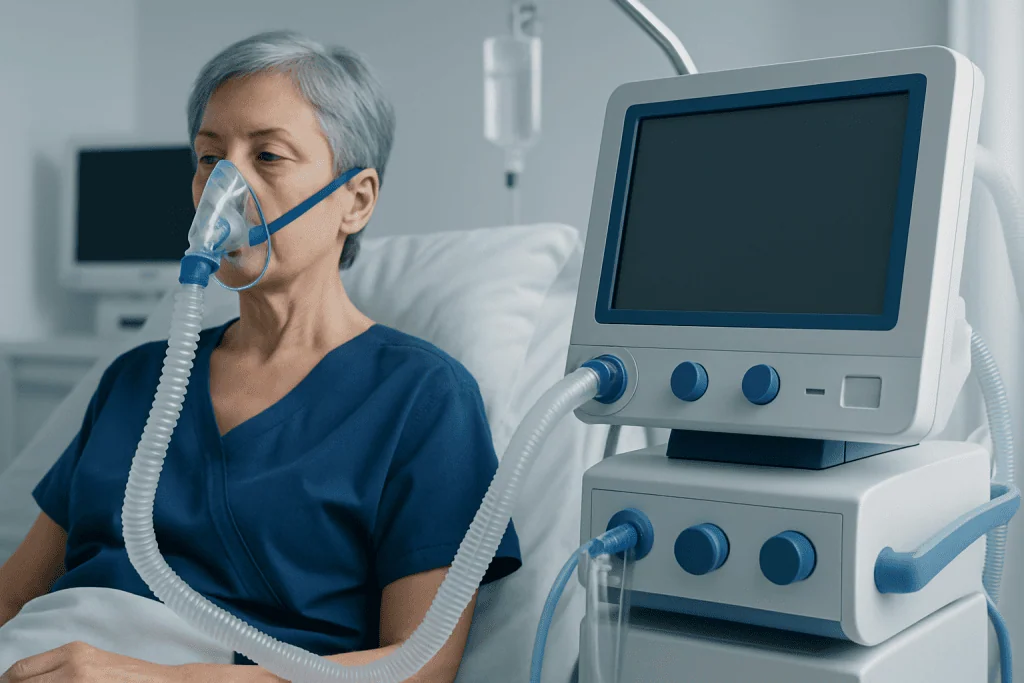
The most common long-term symptom is shortness of breath with exertion. Tasks that were once easy, such as climbing stairs, carrying groceries, or walking quickly, may require pacing or rest breaks. Some people also notice fatigue, reduced endurance, or a feeling that they cannot take as deep a breath as before.
Symptoms vary widely. A person who had strong lung function before surgery may adapt better than someone who already had chronic respiratory disease such as COPD. Anxiety can also make breathing feel harder, especially during recovery or when activity is resumed after a long rest.
Other possible concerns include cough, mild chest discomfort, posture-related muscle tightness, or difficulty clearing mucus, especially in the early months after surgery. Sleep can also be affected if breathing feels less comfortable lying flat, though this should always be discussed with a doctor if persistent.
Practical daily challenges may include planning activities, avoiding respiratory irritants, and building in recovery time. Many people find it helpful to use energy-conserving strategies such as walking at a steady pace, sitting for some tasks, and dividing larger activities into smaller steps.
Causes, Risk Factors, and Long-Term Effects

One lung may result from planned surgery or from damage that leaves a lung permanently nonfunctional. A pneumonectomy may be recommended for extensive tumors, severe bronchiectasis, uncontrolled infection, or traumatic injury. In some cases, the discussion occurs as part of care for lung cancer or another serious chest condition.
Long-term adaptation depends partly on the health of the remaining lung. Smoking history, asthma, chronic bronchitis, emphysema, prior chest radiation, obesity, and heart disease can all reduce reserve. If the remaining lung later develops infection or inflammation, symptoms may become more noticeable because there is less backup capacity.
After lung removal, the body undergoes structural changes in the chest. The remaining lung may shift and expand, and the diaphragm and breathing muscles take on a greater workload. Some people develop reduced exercise tolerance, while others may experience complications such as recurrent infections, fluid-related issues, or strain on the heart over time.
These risks do not mean severe problems are inevitable. Instead, they explain why long-term follow-up matters. Monitoring helps clinicians identify changes early, support rehabilitation, and address associated issues such as deconditioning, low oxygen during exertion, or underlying pulmonary hypertension when relevant.
How Follow-Up Care and Monitoring Work
Regular follow-up is a central part of living safely with one lung. Appointments often involve a respiratory physician, thoracic surgeon, primary care doctor, and sometimes cardiology or rehabilitation specialists. The schedule depends on the cause of lung loss, time since surgery, and whether symptoms are stable.
Doctors may review breathing symptoms, exercise tolerance, oxygen levels, medications, and vaccination status. They may also listen to the chest, assess swelling or signs of heart strain, and ask about cough, sputum, sleep quality, chest pain, or unintended weight loss. If the lung was removed because of cancer, oncology surveillance may also be part of follow-up.
Testing may include chest imaging, pulmonary function tests, blood tests, and in some situations walking tests to check oxygen levels during activity. These evaluations do not always need to be frequent, but they can be very helpful if symptoms change or if a person wants guidance before travel, surgery, or starting a new exercise program.
For people recovering after major chest surgery, follow-up may include review of breathing exercises, scar healing, and rehabilitation progress. If additional evaluation or treatment is needed, a specialist may recommend services such as pulmonary rehabilitation or further imaging to better understand the reason for ongoing breathlessness.
Exercise, Rehabilitation, and Physical Activity
Exercise is usually encouraged, but it should be gradual and individualized. The goal is not to force the body beyond its limits; it is to improve endurance, strengthen breathing muscles, reduce deconditioning, and build confidence with movement. Many people can safely increase activity over time, even if they never return to their previous maximum capacity.
Walking is often the best starting point. Gentle progression may include longer walks, light cycling, or supervised low-impact aerobic activity. Warm-up and cool-down periods are important, and pacing matters. It is often helpful to use a level of effort where breathing is increased but conversation is still possible.
Breathing techniques can also help. Diaphragmatic breathing, pursed-lip breathing, posture training, and airway clearance methods may reduce breathlessness and improve control during activity. Formal rehabilitation programs can teach these skills and provide monitored exercise, education, and support.
People should stop activity and seek medical advice if they develop chest pain, dizziness, faintness, bluish lips, severe shortness of breath, or oxygen levels below a target given by their doctor. When symptoms are limiting or unexplained, clinicians may consider further testing or treatment options, including respiratory function testing to better tailor activity guidance.
Treatment, Prevention, and Self-Care
There is no single treatment for living with one lung because care depends on the underlying cause and any associated conditions. Some people need only routine monitoring and healthy lifestyle measures, while others benefit from inhalers, airway clearance support, oxygen therapy, rehabilitation, or treatment for heart or lung complications.
Preventing infection is especially important. Recommended steps generally include staying up to date with vaccinations, avoiding smoking and secondhand smoke, practicing hand hygiene, and seeking early assessment for fever, productive cough, or worsening breathing symptoms. Exposure to dust, fumes, and air pollution should also be minimized when possible.
General self-care can make a meaningful difference. Helpful measures may include maintaining a healthy weight, treating acid reflux if present, staying physically active, eating enough protein during recovery, sleeping in a comfortable position, and managing stress. Anxiety can worsen the sensation of breathlessness, so relaxation strategies or counseling may be useful for some people.
When a person has symptoms that suggest another lung condition, targeted treatment may be needed. Depending on the situation, specialists may investigate issues with imaging such as chest imaging or manage related disorders affecting the remaining lung. Near the end of recovery planning, some international patients also choose care at Acibadem International, where multidisciplinary specialists in JCI-accredited hospitals evaluate and treat complex respiratory needs.
When to See a Doctor
Some breathlessness with exertion may be expected, but any noticeable change from the usual baseline deserves attention. A doctor should be contacted if walking becomes harder than before, cough increases, mucus changes color, sleep is disrupted by breathlessness, or swelling develops in the legs or ankles.
Urgent medical assessment is needed for severe or sudden shortness of breath, chest pain, fainting, bluish lips, confusion, high fever, coughing up blood, or signs of low oxygen. These symptoms may suggest infection, a blood clot, heart strain, airway problems, or another serious complication and should not be ignored.
People planning long-distance travel, high-altitude trips, pregnancy, or major surgery may also benefit from advance medical review. Doctors can advise whether extra testing, oxygen planning, medication adjustment, or a rehabilitation update is appropriate before these situations.
Regular check-ins can be reassuring as well as protective. They give patients a chance to discuss exercise goals, medication questions, travel concerns, and symptom changes before problems become more difficult to manage.
Frequently asked questions
Can a person live a normal life with one lung?
Many people can live active, fulfilling lives with one lung, although their stamina may be lower than before. The degree of limitation depends on the health of the remaining lung, heart function, age, and overall fitness.
Is it normal to feel short of breath after losing a lung?
Yes, some shortness of breath is common, especially during exertion. If breathlessness is worsening, sudden, or much more severe than usual, it should be assessed by a doctor.
What kind of exercise is safest with one lung?
Walking, light cycling, and other gradual aerobic activities are often appropriate, especially when started slowly. A doctor or pulmonary rehabilitation team can help create a safe plan based on symptoms, oxygen levels, and overall health.
Do people with one lung need oxygen therapy forever?
Not always. Some people never need oxygen, some need it only during recovery or activity, and others may require long-term support depending on their oxygen levels and underlying lung or heart disease.
How can infections be prevented when living with one lung?
Helpful steps include avoiding smoking, keeping vaccinations current, washing hands regularly, and seeking early treatment for respiratory symptoms. It is also wise to reduce exposure to people who are acutely ill when possible.
Are regular check-ups really necessary if symptoms are stable?
Yes, follow-up remains important even when a person feels well. Regular review can detect gradual changes in lung function, oxygen levels, or heart strain and can help keep exercise and self-care plans up to date.
References
- World Health Organization
- American Thoracic Society
- European Respiratory Society
- National Heart, Lung, and Blood Institute
- National Health Service
This article is for general information only and is not a substitute for professional medical advice. Please consult a qualified doctor about your individual situation.
Oncology care in Turkey — second opinion and treatment plan
JCI-accredited · board-certified surgeons · reply within 24h
Add us as a Preferred Source to see more of our trusted health content across Google Search, AI Overviews and Discover.