Lone Star Tick Disease: Diagnosis, Outlook, and Modern Treatment Approaches

“Lone star tick disease” is not one single illness; it commonly refers to alpha-gal syndrome or STARI after a lone star tick bite. Alpha-gal syndrome can cause delayed allergic reactions after eating mammalian meat or products containing alpha-gal.
Key Takeaways
- “Lone star tick disease” is not one single illness; it commonly refers to alpha-gal syndrome or STARI after a lone star tick bite.
- Alpha-gal syndrome can cause delayed allergic reactions after eating mammalian meat or products containing alpha-gal.
- STARI usually causes an expanding rash and flu-like symptoms after a tick bite, but its exact cause is still not fully defined.
- Careful tick removal, symptom tracking, and prompt medical assessment help guide diagnosis and treatment.
- Prevention focuses on avoiding tick bites, checking the skin and clothing after outdoor exposure, and removing ticks correctly.
Lone star tick disease most often refers to health problems linked to bites from the lone star tick, especially alpha-gal syndrome and Southern tick-associated rash illness (STARI). Diagnosis depends on the person’s symptoms, timing after a bite, travel or exposure history, and, in some cases, targeted blood tests.
Overview: What Is Lone Star Tick Disease?
Lone star tick disease is a general, non-technical term people use for illnesses associated with the lone star tick, a tick found mainly in the eastern, southeastern, and south-central United States. In medical practice, this term most often points to two different conditions: alpha-gal syndrome, a food allergy triggered by a tick bite, and Southern tick-associated rash illness, also called STARI, which causes a rash and flu-like symptoms after a bite.
These conditions are different in important ways. Alpha-gal syndrome is an immune reaction to a sugar molecule called alpha-gal, which is found in most mammalian meat and some animal-derived products. STARI, by contrast, is mainly recognized by a spreading rash that can resemble Lyme disease, although it is considered a separate condition and its exact cause remains uncertain.
Because “lone star tick disease” can describe more than one problem, diagnosis starts with clarifying the pattern of symptoms. The timing after the bite, whether there is a rash, whether reactions happen after eating red meat, and where the person has traveled or spent time outdoors all help doctors decide what is most likely.
How the Lone Star Tick Can Affect Health
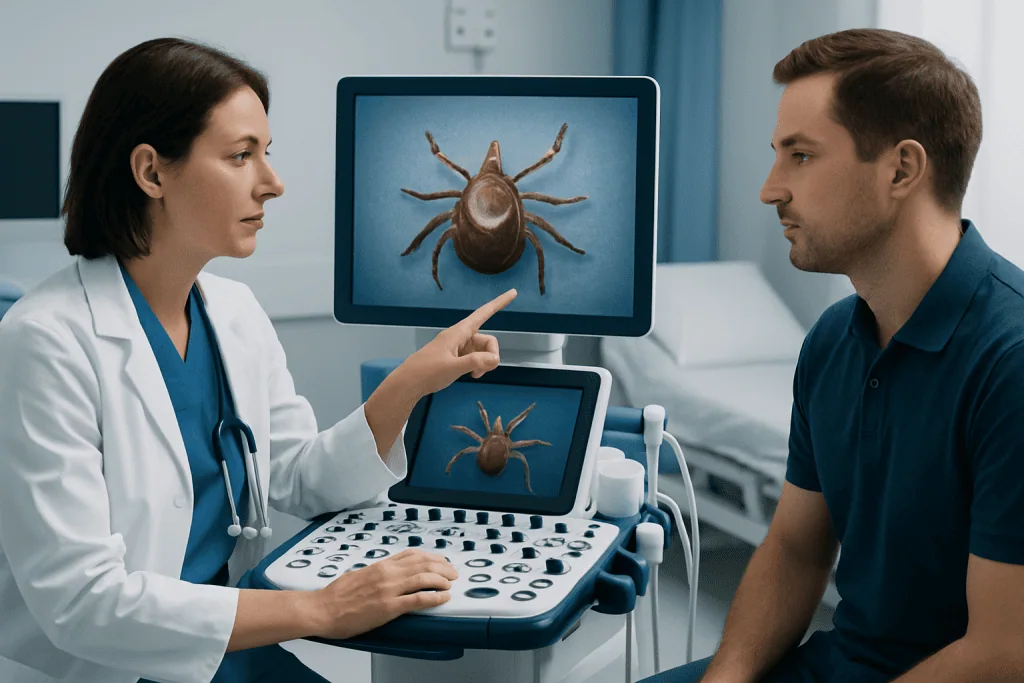
The lone star tick can affect health directly through its bite and indirectly through the body’s immune response. In alpha-gal syndrome, the bite appears to sensitize the immune system to alpha-gal. After that, eating beef, pork, lamb, venison, or other mammalian products may trigger allergic symptoms, often several hours later rather than immediately.
STARI is different. It usually begins after a lone star tick bite with a red, expanding skin lesion around the bite area, often accompanied by tiredness, headache, fever, or muscle aches. Although the rash may look similar to the rash sometimes seen in Lyme disease, STARI is not considered the same illness, and standard Lyme testing may be negative.
Lone star ticks may also cause local skin irritation, secondary infection from scratching, or, less commonly, other tick-borne infections depending on the region. This is why a medical review of the full clinical picture is important rather than assuming every tick bite means the same diagnosis.
Symptoms and Typical Patterns

Symptoms depend on which lone star tick-related condition is present. In alpha-gal syndrome, reactions often happen 2 to 6 hours after eating mammalian meat. A person may develop hives, itching, swelling, stomach pain, nausea, vomiting, diarrhea, or shortness of breath. In more serious cases, anaphylaxis can occur, which is a medical emergency.
In STARI, the hallmark symptom is an expanding rash that may appear within about a week of a tick bite. The center may clear as the rash spreads, creating a target-like appearance, though this is not always the case. Some people also feel tired, feverish, achy, or develop headache.
Not every lone star tick bite causes illness. Many bites lead only to mild redness or itching at the site. However, a larger spreading rash, delayed allergic symptoms after meat intake, or systemic symptoms such as fever, widespread hives, or breathing difficulty should not be ignored.
- Possible alpha-gal syndrome symptoms: hives, facial swelling, abdominal pain, diarrhea, wheezing, dizziness
- Possible STARI symptoms: expanding red rash, fatigue, headache, fever, muscle and joint aches
- Common local bite reactions: small itchy bump, mild redness, temporary discomfort
Causes and Risk Factors
The main risk factor is exposure to habitats where lone star ticks live, such as wooded areas, brush, tall grass, and leaf litter. Outdoor activities like hiking, camping, gardening, hunting, or working in landscaping or farming can increase the chance of a bite. Pets that spend time outdoors may also bring ticks into closer contact with people.
For alpha-gal syndrome, the trigger is not the meat itself at first, but the immune change that can happen after a lone star tick bite. Once sensitized, some people may react to beef, pork, lamb, venison, gelatin, or certain medications or products that contain mammalian ingredients. Not every person bitten by a lone star tick develops this allergy, and reactions vary widely from mild to severe.
For STARI, the exact infectious or inflammatory mechanism is still not fully understood. The illness is associated with lone star tick bites, but unlike some tick-borne diseases, there is no single widely accepted confirmatory lab test. This makes the clinical history especially important in evaluation.
Risk may be higher during warmer months when ticks are more active, but bites can happen in different seasons depending on climate. Wearing shorts, walking through dense vegetation, and delaying tick removal can also increase exposure risk.
How Diagnosis Is Made
Diagnosis begins with a careful medical history. A doctor will usually ask about recent tick bites, outdoor exposure, where the person lives or traveled, the timing of symptoms, the appearance of any rash, and whether symptoms follow eating red meat or other mammalian products. Photos of a rash or the tick itself can sometimes be helpful if they are available.
When alpha-gal syndrome is suspected, doctors may order blood testing for alpha-gal-specific IgE antibodies. Test results are interpreted together with the symptom pattern because a lab result alone does not tell the whole story. In selected cases, referral to an allergy specialist may help clarify the diagnosis and long-term management.
When STARI is suspected, the diagnosis is usually clinical, meaning it is based mainly on symptoms, bite history, and examination findings. Testing may be used to rule out other causes of rash or fever, including Lyme disease in the right geographic and clinical setting. If skin findings are unclear, a doctor may recommend dermatologic assessment or, if needed, skin biopsy as part of a broader evaluation of unusual rashes.
Depending on the symptoms, a doctor may also look for signs of dehydration, breathing problems, or other allergic complications. Imaging is not routinely needed, but it may be used when another diagnosis is being considered. In more complex cases, multidisciplinary evaluation can be helpful, including support from allergy testing services or specialists in infectious diseases and dermatology.
Modern Treatment Approaches and Outlook
Treatment depends on the condition identified. For alpha-gal syndrome, the main approach is avoiding foods and products that trigger symptoms. This often includes mammalian meats such as beef, pork, lamb, and sometimes other mammalian-derived ingredients. A doctor or allergist may help the person understand food labels, hidden sources, and whether dairy or gelatin need to be limited based on individual reactions.
People with a history of significant allergic reactions may be prescribed emergency medication, such as an epinephrine auto-injector, and advised on when and how to use it. Antihistamines may help with milder symptoms, but they are not a substitute for emergency care in severe reactions. The long-term outlook varies: some people remain highly sensitive, while others may improve over time, especially if they avoid repeat tick bites.
For STARI, treatment may include symptom relief with rest, fluids, and medicines recommended by a doctor for fever or discomfort. Because STARI resembles Lyme disease and there is still uncertainty in some cases, clinicians may sometimes choose antibiotic treatment based on the individual presentation and local practice. Follow-up is important if the rash spreads, new symptoms appear, or recovery is slower than expected.
Most local tick bite reactions improve without major treatment. The outlook is generally good when symptoms are recognized early and managed appropriately. Near the end of the care pathway, some people benefit from specialist review for persistent rash, recurrent allergic symptoms, or uncertainty about the diagnosis. Acibadem International’s multidisciplinary specialists in JCI-accredited hospitals also diagnose and treat tick-related conditions for international patients when more detailed evaluation is needed.
Prevention and Self-Care After a Tick Bite
Prevention focuses on reducing tick exposure and removing ticks promptly. When spending time outdoors in areas where ticks are common, wearing long sleeves, long pants, and closed shoes can help. Light-colored clothing may make ticks easier to spot. Insect repellents and clothing treatments can also be useful when used as directed.
After outdoor activity, checking the whole body is important, especially the scalp, behind the ears, under the arms, around the waist, behind the knees, and in the groin area. Showering soon after coming indoors may help remove unattached ticks. Clothing should be changed and washed, and pets should also be checked if they have been outside.
If a tick is attached, it should be removed with fine-tipped tweezers by grasping it close to the skin and pulling upward steadily. The area can then be cleaned with soap and water. Folk remedies such as burning the tick, twisting it aggressively, or covering it with petroleum jelly are not recommended.
It can be helpful to note the date of the bite and monitor for rash, fever, or delayed reactions after meals over the following days to weeks. If symptoms suggest an allergic reaction or infection, prompt medical advice is appropriate.
When to Seek Medical Care
Medical care is recommended if a person develops an expanding rash after a tick bite, especially if it is accompanied by fever, headache, fatigue, or body aches. A doctor should also review any possible allergic reaction after eating red meat or mammalian products, particularly if episodes recur or seem delayed by several hours.
Emergency care is needed right away for trouble breathing, throat tightness, fainting, severe swelling, or widespread hives with dizziness, as these may signal anaphylaxis. Ongoing vomiting, severe abdominal pain, confusion, or signs of dehydration also need urgent assessment.
People who are pregnant, immunocompromised, very young, older adults, or those with complex medical conditions may benefit from earlier assessment even when symptoms seem mild. If there is doubt about whether a rash or reaction is related to a tick bite, a qualified clinician can help sort out the likely cause and next steps.
Frequently asked questions
Is lone star tick disease the same as Lyme disease?
No. The term “lone star tick disease” usually refers to problems linked to the lone star tick, especially alpha-gal syndrome or STARI. Lyme disease is caused by a different infection and is usually associated with other tick species, although the rashes can sometimes look similar.
Can a lone star tick bite cause a meat allergy?
Yes. A lone star tick bite has been linked to alpha-gal syndrome, which can cause allergic reactions after eating mammalian meat such as beef, pork, or lamb. These reactions are often delayed by several hours, which can make the connection harder to recognize.
How is alpha-gal syndrome diagnosed?
Doctors diagnose alpha-gal syndrome by combining the history of symptoms with blood testing for alpha-gal-specific IgE antibodies. The pattern of delayed reactions after eating mammalian products is especially helpful. An allergy specialist may be involved when the diagnosis is uncertain or reactions are significant.
Does every rash after a lone star tick bite mean infection?
Not always. Some bites cause only a small local reaction with redness and itching. A larger expanding rash, especially with fever, fatigue, or aches, should be assessed because it may suggest STARI or another tick-related illness.
Can lone star tick disease be cured?
The outlook depends on the condition. STARI often improves with supportive care and, in some cases, treatment chosen by the doctor. Alpha-gal syndrome may persist for months or years, but symptoms can often be controlled by avoiding triggers and preventing future tick bites.
What should someone do right after finding a tick?
The tick should be removed promptly with fine-tipped tweezers, pulling upward steadily from close to the skin. The bite area should then be cleaned, and the person should watch for rash, fever, or delayed allergic symptoms over the next days to weeks. If concerning symptoms appear, medical advice is recommended.
References
- Centers for Disease Control and Prevention
- American Academy of Allergy, Asthma & Immunology
- National Institute of Allergy and Infectious Diseases
- Mayo Clinic
- Merck Manual Consumer Version
This article is for general information only and is not a substitute for professional medical advice. Please consult a qualified doctor about your individual situation.
Explore treatments in Turkey — costs, top hospitals & a free quote
JCI-accredited · board-certified surgeons · reply within 24h
Add us as a Preferred Source to see more of our trusted health content across Google Search, AI Overviews and Discover.

More from the Health Library



Related Specialists

Dr. Ş.Sertaç Esin
Emergency Service
Dt. Hakan Karagözoğlu
Oral Dental & Maxillofacial Surgery
Prof. Dr. Ergün Seyfeli
Cardiology
Asst. Prof. Dr. Özer Öztürk
Orthopedic Surgery & Traumatology