Low Back Pain Rehabilitation: Exercises, Posture, and Return to Activity
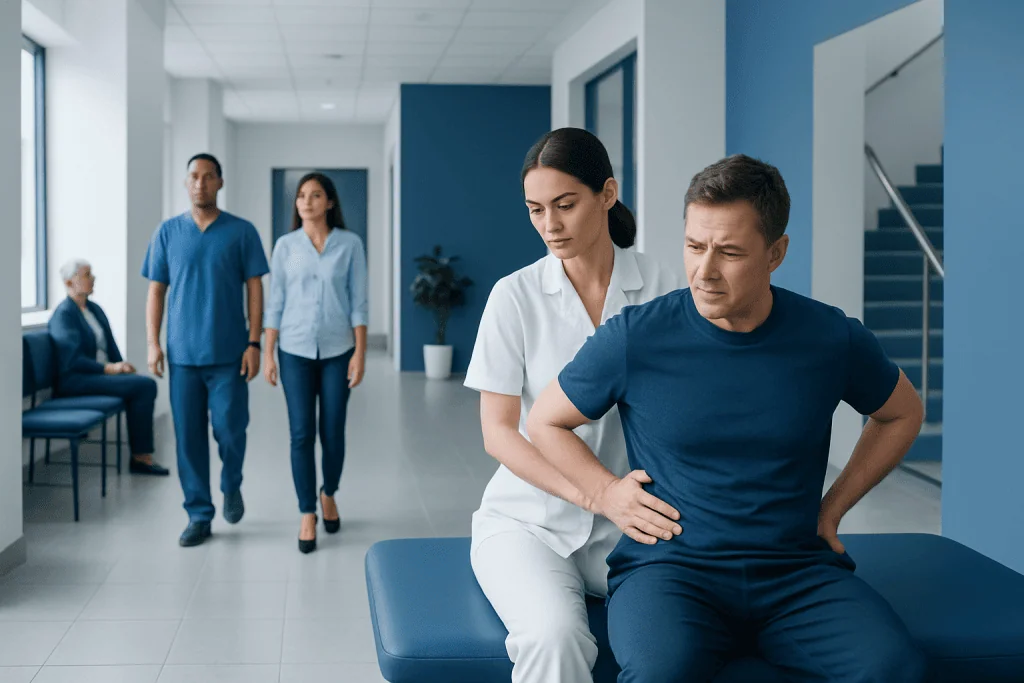
Staying gently active is usually more helpful than prolonged bed rest for most low back pain. Rehabilitation often combines mobility, core and hip strengthening, posture education, and gradual return to activity.
Key Takeaways
- Staying gently active is usually more helpful than prolonged bed rest for most low back pain.
- Rehabilitation often combines mobility, core and hip strengthening, posture education, and gradual return to activity.
- Exercises should be comfortable or only mildly challenging; sharp, spreading, or worsening pain should be discussed with a clinician.
- Good posture is less about one perfect position and more about changing positions often and using the body efficiently.
- Medical evaluation is important if back pain follows trauma, causes leg weakness or numbness, or is accompanied by bladder, bowel, fever, or unexplained weight changes.
Low back pain rehabilitation focuses on restoring movement, strength, confidence, and daily function. Most people improve with guided exercise, posture awareness, gradual activity, and medical support when needed.
Overview
Low back pain is one of the most common reasons people limit work, exercise, travel, and daily activities. In many cases, pain is related to temporary irritation of muscles, joints, discs, or ligaments rather than serious disease. Low back pain rehabilitation helps a person move safely, reduce stiffness, rebuild strength, and return to normal life with greater confidence.
Rehabilitation does not mean forcing the back through pain. It is a structured, progressive approach that usually starts with gentle movement and education, then gradually adds strengthening, balance, flexibility, and activity-specific training. The plan may be guided by a physiotherapist, rehabilitation physician, orthopedic specialist, neurologist, or pain specialist depending on symptoms and medical history.
For many people, the key message is reassuring: the back is designed to move and adapt. Avoiding all movement for too long can increase stiffness, muscle guarding, and fear of activity. A well-planned rehabilitation program supports healing while helping the person return to walking, sitting, lifting, working, and recreation in a realistic step-by-step way.
Understanding Low Back Pain During Rehabilitation
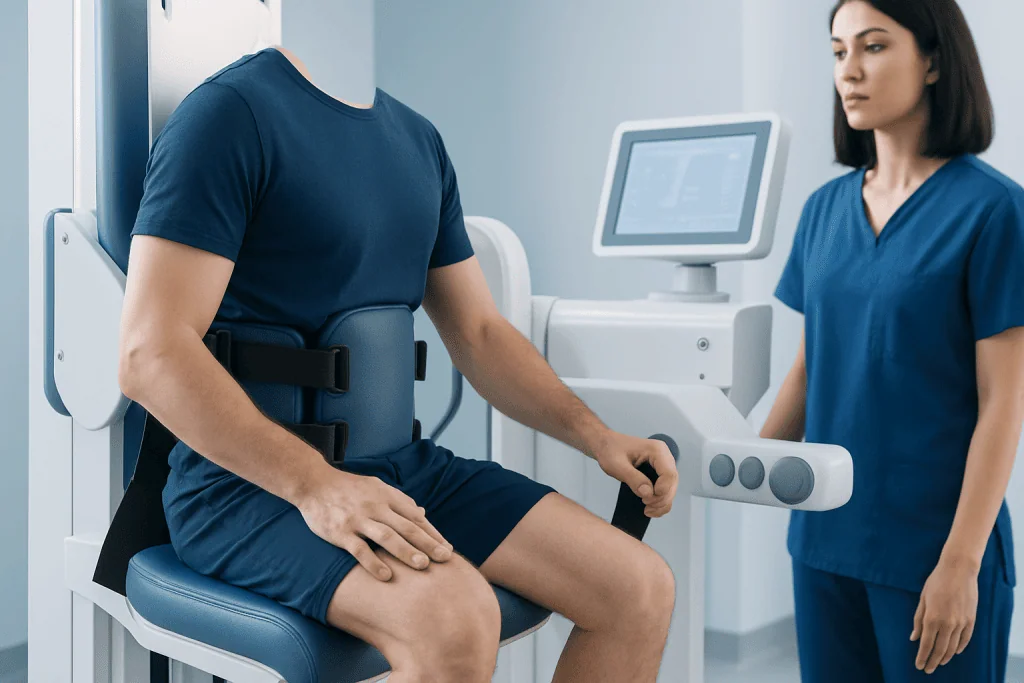
Low back pain can feel different from person to person. It may be a dull ache across the lower back, a sharper pain with bending or lifting, stiffness after sitting, or discomfort that improves after walking. Some people also feel pain traveling into the buttock or leg, often called sciatica when a nerve root is irritated.
Pain intensity does not always reflect the amount of tissue injury. The nervous system, sleep quality, stress, previous pain experiences, general fitness, and fear of movement can all influence how pain is felt. Rehabilitation addresses these factors by improving physical capacity and reducing protective muscle tension.
A helpful rehabilitation goal is not simply to make every sensation disappear before moving. Instead, the goal is to find safe movement levels that the body tolerates, then slowly increase them. Mild soreness during or after exercise can be normal, especially when muscles are deconditioned, but pain that is sharp, increasing, or spreading should lead to reassessment.
Exercises Commonly Used in Low Back Pain Rehabilitation
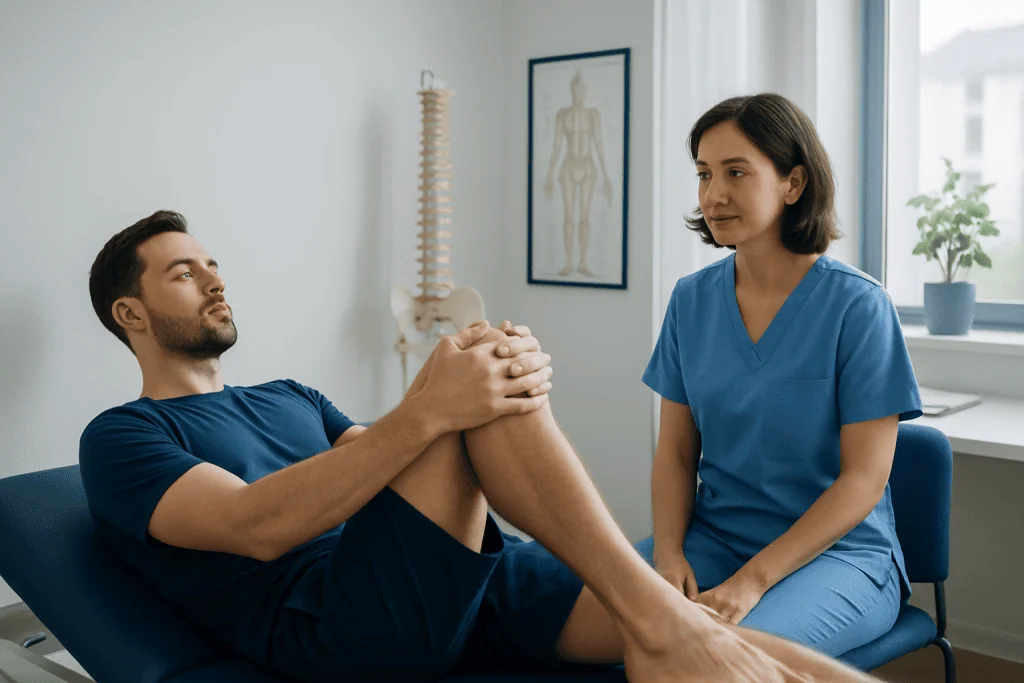
Exercises should be chosen according to the person’s symptoms, diagnosis, fitness level, and goals. A clinician may begin with movements that calm symptoms and restore comfortable range of motion. Examples may include pelvic tilts, knee-to-chest variations, gentle trunk rotations, supported cat-cow movements, or short walks on level ground.
As pain improves, rehabilitation usually includes strengthening exercises for the muscles that support the spine and pelvis. These often include the deep abdominal muscles, back extensors, gluteal muscles, and hip stabilizers. Common examples include bridges, modified planks, bird-dog exercises, side-lying hip work, sit-to-stand practice, and controlled step-ups. The aim is smooth control and steady breathing, not bracing as hard as possible.
Flexibility and mobility work may also be useful, especially for the hips, hamstrings, and upper back. Tightness in nearby areas can make the lower back compensate during bending, walking, or lifting. Stretching should feel gentle and should not reproduce strong leg pain, numbness, or tingling.
- Start with low effort and short sessions, then progress gradually.
- Stop or modify any exercise that causes sharp pain or worsening leg symptoms.
- Use slow, controlled movements rather than rushing through repetitions.
- Combine strengthening with walking or another low-impact aerobic activity when tolerated.
Posture, Sitting, and Ergonomics
Posture matters, but there is no single perfect posture that must be held all day. The lower back generally prefers variety. Even a well-aligned sitting position can become uncomfortable if it is maintained for too long. Changing position, standing briefly, walking, and using supportive seating can reduce stiffness and muscle fatigue.
For desk work, a comfortable setup often includes feet supported on the floor, hips and knees at roughly similar height, the screen at eye level, and the keyboard and mouse close enough to avoid reaching. A small lumbar support or rolled towel may help some people maintain a relaxed curve in the lower back. However, comfort and frequent movement are more important than rigid rules.
When lifting or carrying, people are often advised to keep the load close, bend through the hips and knees when appropriate, avoid twisting while holding a heavy object, and breathe rather than holding the breath. Rehabilitation may include practicing these patterns in a graded way so that the person becomes confident lifting real-life objects, such as grocery bags, luggage, or a child.
Sleep posture can also influence symptoms. Some people feel better lying on the side with a pillow between the knees, while others prefer lying on the back with a pillow under the knees. The best sleeping position is usually the one that allows restful sleep and does not significantly increase symptoms on waking.
Returning to Activity, Work, and Sport
Returning to activity is a central part of low back pain rehabilitation. Complete rest is rarely needed beyond a short period of symptom flare-up. Most people benefit from continuing light daily tasks and gradually increasing walking, household activities, and work duties as tolerated.
A graded return means increasing one variable at a time, such as duration, load, speed, or complexity. For example, a person may begin with 10-minute walks, then add time before adding hills or faster pace. Someone returning to lifting may start with light objects at waist height before progressing to heavier loads, lower positions, or more repetitive tasks.
Return to sport should be based on function rather than the calendar alone. A person should generally be able to move through sport-related patterns, such as squatting, lunging, rotating, jogging, or changing direction, without significant symptom increase. Warm-up, technique, recovery time, and gradual training volume are important parts of prevention and performance.
Work return may require temporary adjustments, especially for jobs involving prolonged sitting, driving, bending, vibration, or heavy lifting. Modified duties, shorter sitting intervals, scheduled movement breaks, or ergonomic changes can help the person stay productive while rehabilitation continues.
Treatment Options That May Support Rehabilitation
Exercise and education are the foundation of most low back pain rehabilitation programs, but additional treatments may be helpful depending on the cause and severity of symptoms. A physiotherapist may use manual therapy, soft-tissue techniques, taping, heat or cold guidance, and movement retraining to support progress. These methods are usually most effective when combined with active exercise.
Medicines may be recommended by a doctor for short-term symptom control, particularly during a flare-up. The choice depends on medical history, other medications, allergies, stomach, kidney, heart, and liver health, and pregnancy status. Patients should avoid self-medicating for long periods and should follow professional advice.
Imaging such as X-ray or MRI is not always needed for uncomplicated low back pain, especially when symptoms are improving. A doctor may recommend imaging or nerve tests if symptoms suggest fracture, infection, inflammatory disease, nerve compression, cancer history, or if pain persists despite appropriate care. The decision is based on the full clinical picture, not pain alone.
In a smaller number of cases, injections or surgery may be considered, particularly when there is persistent nerve-related leg pain, significant spinal narrowing, or progressive neurological changes. Even when procedures are used, rehabilitation remains important for restoring strength, movement, and daily function.
Prevention and Self-Care for Long-Term Back Health
Long-term back health is supported by regular movement, good sleep, stress management, and general fitness. Walking, swimming, cycling, Pilates-style strengthening, supervised gym training, yoga, or home exercise can all be useful when adapted to the individual. The best exercise is often the one a person can perform consistently and safely.
Healthy body weight, balanced nutrition, and not smoking may also support spine and overall musculoskeletal health. For people with recurring low back pain, it can be helpful to continue a maintenance routine two or three times per week after symptoms improve. Stopping all exercises as soon as pain settles may increase the chance of future flare-ups.
Self-care during a mild flare-up may include reducing aggravating activities temporarily, using comfortable positions, applying heat or cold according to preference, taking short walks, and restarting gentle exercises. The goal is to calm symptoms without becoming inactive. If a movement consistently worsens pain, it should be modified rather than pushed through.
People traveling for care or rehabilitation may need coordinated assessment, imaging review, and a clear exercise plan for the return home. Acibadem International’s multidisciplinary specialists and JCI-accredited hospitals diagnose and treat low back pain and related spine conditions for international patients, with rehabilitation planning tailored to individual needs.
When to See a Doctor
A doctor or qualified healthcare professional should be consulted if low back pain is severe, does not improve over a few weeks, repeatedly returns, or limits normal activities despite self-care. Early assessment can clarify the likely cause and help the person begin an appropriate rehabilitation plan.
Prompt medical evaluation is especially important if back pain follows a significant fall, accident, or injury, or if it occurs with fever, unexplained weight loss, a history of cancer, long-term steroid use, or known osteoporosis. These features do not always mean a serious problem, but they deserve careful assessment.
Urgent care is needed if low back pain is accompanied by new leg weakness, numbness around the groin or saddle area, loss of bladder or bowel control, or difficulty passing urine. These symptoms are uncommon, but they require immediate medical attention because timely treatment is important.
People with pain traveling down the leg, persistent numbness, tingling, or difficulty walking should also seek professional guidance. A clinician can check nerve function, recommend safe activity levels, and decide whether imaging, medication, injections, or specialist referral is appropriate.
Frequently asked questions
Is it better to rest or exercise with low back pain?
For most low back pain, gentle activity is better than prolonged bed rest. Short rest periods may be useful during a flare-up, but walking and comfortable movements usually support recovery. Exercise should be gradual and adapted to symptoms.
Which exercises are best for low back pain rehabilitation?
There is no single best exercise for everyone. Many programs include gentle mobility work, core and hip strengthening, walking, and functional practice such as sit-to-stand or lifting technique. A physiotherapist can choose exercises based on the person’s pain pattern, goals, and medical history.
Can poor posture cause low back pain?
Posture can contribute to discomfort, especially when one position is held for a long time. However, low back pain is usually influenced by several factors, including activity level, strength, sleep, stress, and previous injuries. Changing positions often is usually more helpful than trying to maintain one perfect posture.
How soon can someone return to work after low back pain?
Many people can return to work with adjustments, depending on the severity of symptoms and job demands. Desk workers may need movement breaks and ergonomic changes, while manual workers may need temporary limits on lifting or bending. A healthcare professional can provide individualized guidance.
Is MRI necessary for low back pain?
MRI is not always needed when low back pain is improving and there are no concerning symptoms. Imaging may be recommended when pain persists, nerve symptoms are significant, or a doctor suspects a specific condition that needs further evaluation. The decision should be made after a clinical assessment.
Should exercises hurt during rehabilitation?
Exercises may feel mildly challenging or cause light muscle soreness, but they should not cause sharp, worsening, or spreading pain. Symptoms that move farther down the leg, new numbness, or weakness should be discussed with a clinician. The program can usually be modified to stay within a safe comfort range.
Can low back pain come back after rehabilitation?
Low back pain can recur, but ongoing exercise and healthy movement habits can reduce the impact of flare-ups. Many people manage future episodes well by restarting gentle activity early and avoiding prolonged inactivity. A maintenance program is often helpful after formal rehabilitation ends.
References
- World Health Organization
- National Institute for Health and Care Excellence
- American College of Physicians
- American Physical Therapy Association
- North American Spine Society
This article is for general information only and is not a substitute for professional medical advice. Please consult a qualified doctor about your individual situation.
Joint and spine care in Turkey — expert assessment & treatment
JCI-accredited · board-certified surgeons · reply within 24h
Add us as a Preferred Source to see more of our trusted health content across Google Search, AI Overviews and Discover.

More from the Health Library



Related Specialists

Prof. Dr. Hamdi Karakayalı
General Surgery
Dr. Mithat Ulay
Aesthetic Plastic & Reconstructive Surgery
Assoc. Prof. Dr. Kayahan Karaytuğ
Orthopedic Surgery & Traumatology
Dr. Ceyhun Solakoğlu
Intensive Care