Low Porosity Hair — Explained by Medical Evidence, Not Myths

Low porosity hair has a tightly closed cuticle that slows moisture absorption. Common signs include product buildup, water beading on the hair, and hair that takes a long time to get fully wet or to dry.
Key Takeaways
- Low porosity hair has a tightly closed cuticle that slows moisture absorption.
- Common signs include product buildup, water beading on the hair, and hair that takes a long time to get fully wet or to dry.
- Hair porosity is influenced by genetics, hair fiber structure, and damage from heat or chemical processing.
- Low porosity hair is not an illness, but scalp symptoms such as itching, flaking, pain, or hair shedding may need medical assessment.
- Gentle cleansing, lightweight products, and minimizing heavy residue often help manage low porosity hair.
Low porosity hair means the hair shaft has tightly packed cuticle layers, so water and hair products do not enter easily. It is not a disease, but it can affect how hair behaves, how quickly it dries, and which care routines are most helpful.
Overview: what low porosity hair really means
Low porosity hair refers to hair fibers whose outer cuticle layers are tightly compacted. In practical terms, this means water, conditioners, and oils tend to stay on the surface longer instead of moving into the hair shaft easily. People often describe it as hair that seems resistant to moisture, gets coated quickly by products, or feels heavy without feeling truly hydrated.
From a medical and structural perspective, hair porosity is a property of the hair fiber, not a diagnosis. It is different from scalp disease, infection, or hair-loss disorders. Because much online advice treats low porosity hair as a trend or “hair type,” it helps to separate myth from evidence: porosity describes how hair interacts with water and products, while curl pattern, thickness, density, and scalp health are separate factors.
Low porosity can occur in straight, wavy, curly, or coily hair. It may be naturally present, but porosity can also change over time with aging, weathering, heat styling, coloring, bleaching, and other forms of mechanical or chemical stress. Many people have mixed porosity, especially if the ends are more damaged than the roots.
Signs and symptoms people notice
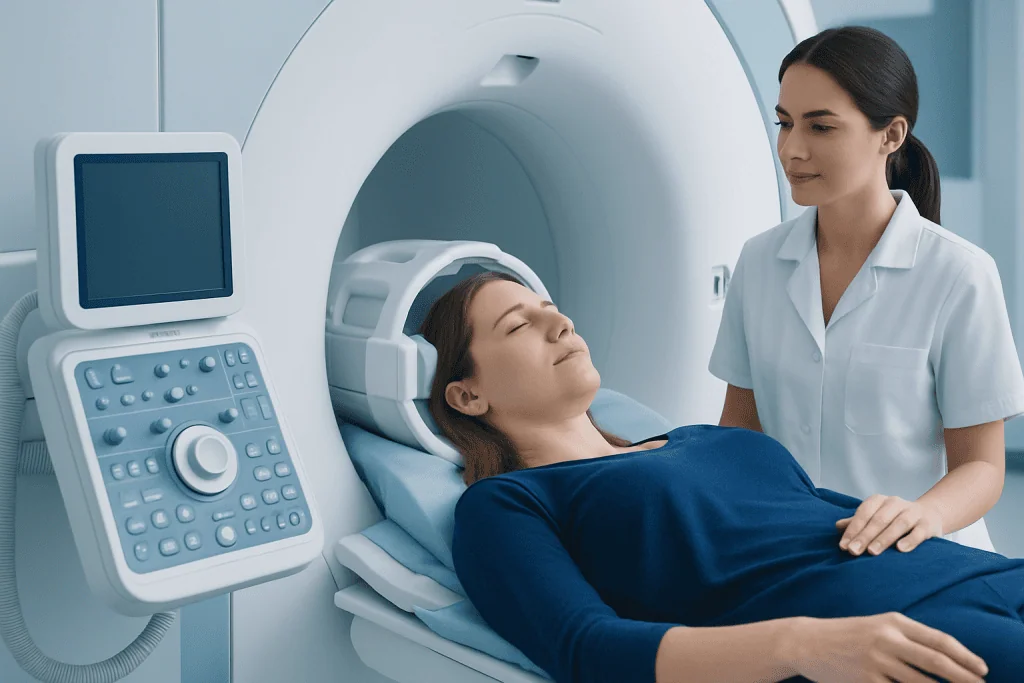
Low porosity hair is usually recognized by how it behaves rather than by laboratory testing. A common sign is that water beads on the surface or takes time to fully soak the hair. Another is that conditioners and leave-in products seem to sit on top rather than absorb, which can leave hair looking dull or feeling coated.
Some people with low porosity hair notice that their hair takes longer to dry after washing. This does not always mean the hair is healthier or more hydrated. Sometimes it reflects water remaining on the outside or in limited spaces within the fiber rather than moving evenly through it.
Typical features may include:
- Difficulty getting hair thoroughly wet in the shower
- Product buildup, especially from heavy oils, butters, or silicones
- Hair that feels stiff, waxy, or heavy after conditioning
- Reduced response to some masks or protein-rich products
- Dry-looking hair despite using many moisturizing products
These features can overlap with other issues, including hair damage, scalp conditions, or residue from hard water and styling products. That is why the whole picture matters, especially if there is breakage, sudden shedding, scalp irritation, or patches of hair loss.
Why it happens: hair structure, genetics, and external factors
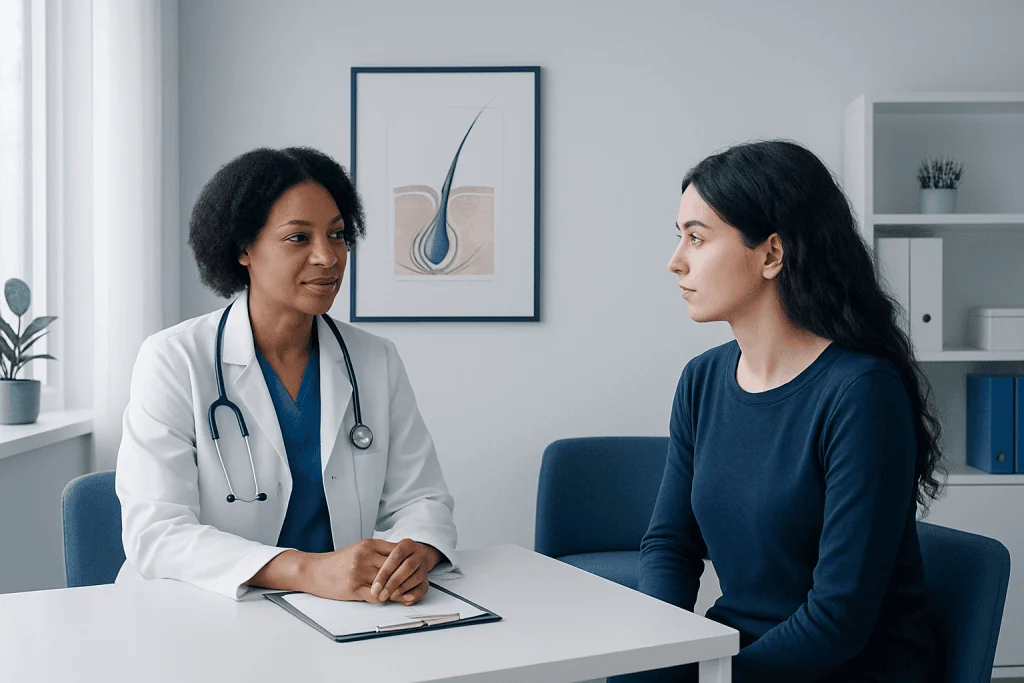
The hair shaft has several layers, with the cuticle forming the protective outer covering. When cuticle cells lie very flat and close together, the hair is considered lower in porosity. This arrangement can help reduce rapid moisture loss, but it also limits how easily beneficial water-based ingredients enter the fiber.
Genetics plays an important role. Natural differences in hair fiber shape, diameter, and cuticle arrangement influence porosity. However, porosity is not fixed in all situations. Heat styling, frequent brushing, ultraviolet exposure, coloring, bleaching, relaxers, and other chemical treatments can alter the cuticle over time. In some cases, hair that starts with lower porosity becomes more uneven or more porous in damaged areas.
Environmental and care-related factors can add to the problem by creating buildup. Heavy styling products, oils, waxes, and minerals from hard water may coat the hair surface and mimic or worsen low-porosity behavior. This can make hair seem less responsive to washing and conditioning. If hair fragility or shedding is the main concern rather than moisture resistance, a clinician may also look for medical causes of hair problems such as hair loss or scalp inflammation.
How low porosity hair is assessed
There is no single medical test required to diagnose low porosity hair, because it is usually a descriptive hair characteristic rather than a disease. A doctor, especially a dermatologist, may assess the history of hair care practices, chemical exposure, heat use, hair breakage, shedding, and any scalp symptoms. They may also examine the hair shaft and scalp to distinguish normal variation from a hair or skin disorder.
Popular home methods, such as placing a hair strand in water, are often oversimplified and not always reliable. Results can be affected by product residue, damage, water temperature, and whether the sampled strand comes from the root or the ends. For this reason, these tests should not be treated as medical proof.
If there are signs of scalp disease, a clinician may evaluate for conditions such as dandruff, eczema, psoriasis, fungal infection, or contact dermatitis from hair products. In some situations, concerns that appear to be about porosity are actually related to scalp conditions or damage from grooming practices. When needed, a dermatologist may recommend further assessment in a dermatology evaluation to clarify the cause of dryness, breakage, or irritation.
Evidence-based care for low porosity hair
The most useful approach is usually to reduce residue and choose products that are less likely to sit heavily on the hair surface. Lightweight conditioners, water-based leave-ins, and shampoos that cleanse effectively without excessive harshness are often easier for low porosity hair to tolerate. Many people do best when they avoid layering multiple heavy creams, oils, and butters.
Warm water and gentle heat during conditioning may help products spread more evenly across the hair surface, although this does not permanently change the hair’s porosity. Clarifying shampoos can help remove product buildup and mineral deposits when used appropriately, but overuse may lead to dryness or scalp irritation. The right frequency depends on the person’s scalp oil production, styling routine, and product use.
Useful habits may include:
- Washing regularly enough to prevent residue buildup
- Choosing lighter conditioners before richer masks or oils
- Applying products to clean, damp hair rather than heavily coated strands
- Using heat styling cautiously and with protection to limit cuticle damage
- Reducing chemical processing if the hair is breaking or becoming uneven in texture
If hair is becoming brittle, rough, or increasingly difficult to manage after coloring or straightening, treatment may need to focus less on porosity itself and more on repair and prevention of damage. In some people, the issue may overlap with scalp inflammation or sensitivity, and a tailored plan through hair and scalp assessment or specialist hair care advice may be helpful when appearance changes are persistent.
Prevention, self-care, and common myths
Low porosity hair cannot be permanently transformed into a different natural hair structure, but good care can make it easier to manage. Prevention focuses on keeping the cuticle from becoming coated with residue or disrupted by avoidable damage. This includes moderate use of heat tools, careful detangling, and awareness that more product is not always better.
One common myth is that low porosity hair simply needs more oil. In reality, heavy oils may worsen buildup and make the hair feel less soft over time. Another myth is that protein treatments help everyone with low porosity hair. Some people tolerate protein-containing products well, but others find that frequent use leaves the hair stiff. Responses vary by the condition of the fiber, not just by porosity labels.
Helpful self-care steps include maintaining scalp cleanliness, trimming damaged ends as needed, and adjusting routines based on season, humidity, and chemical exposure. If a person has ongoing dandruff, itching, or redness in addition to hair concerns, management may need to address the scalp directly. Some people who think they have only low porosity hair are actually dealing with seborrheic dermatitis or another scalp condition that interferes with comfort and hair appearance.
When to seek medical care
Low porosity hair by itself is not usually a reason for urgent medical care. However, it is sensible to seek professional advice if there is sudden or excessive hair shedding, patchy hair loss, scalp pain, significant itching, persistent flaking, redness, sores, or signs of infection. These features point beyond simple hair porosity and may indicate a scalp or dermatologic condition.
Medical assessment is also appropriate when breakage becomes severe after heat or chemical treatments, when a new hair routine leads to rash or irritation, or when hair changes occur alongside fatigue, weight change, menstrual changes, or other symptoms that could suggest an internal health issue. A clinician can help identify whether the concern is cosmetic, inflammatory, hormonal, nutritional, or related to hair shaft damage.
For patients seeking specialist care, Acibadem International’s multidisciplinary specialists and JCI-accredited hospitals evaluate hair and scalp concerns for international patients. When needed, they may coordinate care through services such as dermatology and broader scalp or hair-loss assessment to rule out underlying disease and guide practical treatment.
Frequently asked questions
Is low porosity hair unhealthy?
No. Low porosity hair is usually a normal hair-fiber characteristic, not a disease. It can make hair care more challenging, but by itself it does not mean the hair or scalp is unhealthy.
How can someone tell if they have low porosity hair?
People often notice that hair resists getting wet, takes a long time to dry, or develops product buildup easily. Home tests can be misleading, so the most useful clues are repeated patterns in how hair responds to washing, conditioning, and styling.
Does low porosity hair need oils?
Not always. Some oils may help with shine or softness, but heavy oils can sit on the surface and increase buildup. Many people with low porosity hair do better with lighter, water-based products and careful cleansing.
Can low porosity hair become high porosity hair?
Porosity can change over time, especially with heat styling, bleaching, coloring, and other forms of damage. Hair may also have mixed porosity, with healthier roots and more porous ends. This is why routines often need adjustment as hair grows and changes.
Why does low porosity hair still feel dry?
Hair can feel dry when moisture does not move into the shaft effectively or when product residue coats the surface. In some cases, the issue is not true dryness but buildup that leaves the hair stiff or dull.
When should a doctor evaluate hair porosity concerns?
A doctor should assess hair concerns if they are accompanied by scalp itching, redness, pain, sores, heavy dandruff, sudden shedding, or patchy hair loss. Medical evaluation is also helpful when breakage is severe or when symptoms suggest a hormonal, nutritional, or skin condition.
References
- American Academy of Dermatology
- National Institutes of Health
- British Association of Dermatologists
- Mayo Clinic
- Cleveland Clinic
This article is for general information only and is not a substitute for professional medical advice. Please consult a qualified doctor about your individual situation.
Hair transplant in Turkey — costs, graft counts & a free assessment
JCI-accredited · board-certified surgeons · reply within 24h
Add us as a Preferred Source to see more of our trusted health content across Google Search, AI Overviews and Discover.

More from the Health Library
Subcutaneous: A Complete Medical Overview

Septate Hymen: A Complete Medical Overview

Heart Location — Explained by Medical Evidence, Not Myths

Hemorrhagic Ovarian Cyst — Explained by Medical Evidence, Not Myths

Pulse Points: An Evidence-Based Guide for Patients