Low Testosterone Symptoms Explained: Common Triggers and Red Flags

Low testosterone symptoms often affect sexual function, energy, mood, body composition, and fertility. Symptoms alone do not confirm low testosterone; blood tests are needed, usually on more than one morning sample.
Key Takeaways
- Low testosterone symptoms often affect sexual function, energy, mood, body composition, and fertility.
- Symptoms alone do not confirm low testosterone; blood tests are needed, usually on more than one morning sample.
- Common triggers include aging, obesity, chronic illness, certain medicines, sleep apnea, and pituitary or testicular disorders.
- Not every person with low testosterone needs hormone treatment; care depends on symptoms, test results, fertility plans, and underlying cause.
- Persistent sexual symptoms, infertility concerns, breast enlargement, or symptoms with headaches or vision changes should be assessed by a doctor.
Low testosterone symptoms commonly include reduced sex drive, fewer morning erections, tiredness, low mood, and loss of muscle strength or body hair. Because these changes can overlap with stress, aging, poor sleep, obesity, or other medical conditions, a proper medical evaluation and blood testing are important before assuming testosterone is the cause.
Overview: what low testosterone symptoms usually mean
Low testosterone symptoms refer to a pattern of physical, sexual, and emotional changes that may happen when the body is not making enough testosterone for normal needs. Testosterone is an important hormone for sex drive, erections, sperm production, muscle mass, bone health, red blood cell production, and general sense of well-being. When levels fall below an appropriate range, some people notice clear symptoms while others have only mild changes.
A practical way to understand the topic is this: symptoms raise suspicion, but they do not make the diagnosis by themselves. Tiredness, low mood, weight gain, and reduced sexual interest can also happen with poor sleep, high stress, depression, thyroid disease, diabetes, medication side effects, or normal aging. That is why doctors look at the full picture rather than relying on one symptom alone.
In medical terms, persistently low testosterone with related symptoms is often called hypogonadism. The problem may begin in the testicles, where testosterone is produced, or in the pituitary gland and hypothalamus, which send the hormonal signals that control testosterone production. Understanding where the problem starts helps guide the most suitable treatment and whether further evaluation is needed.
Common symptoms to look for
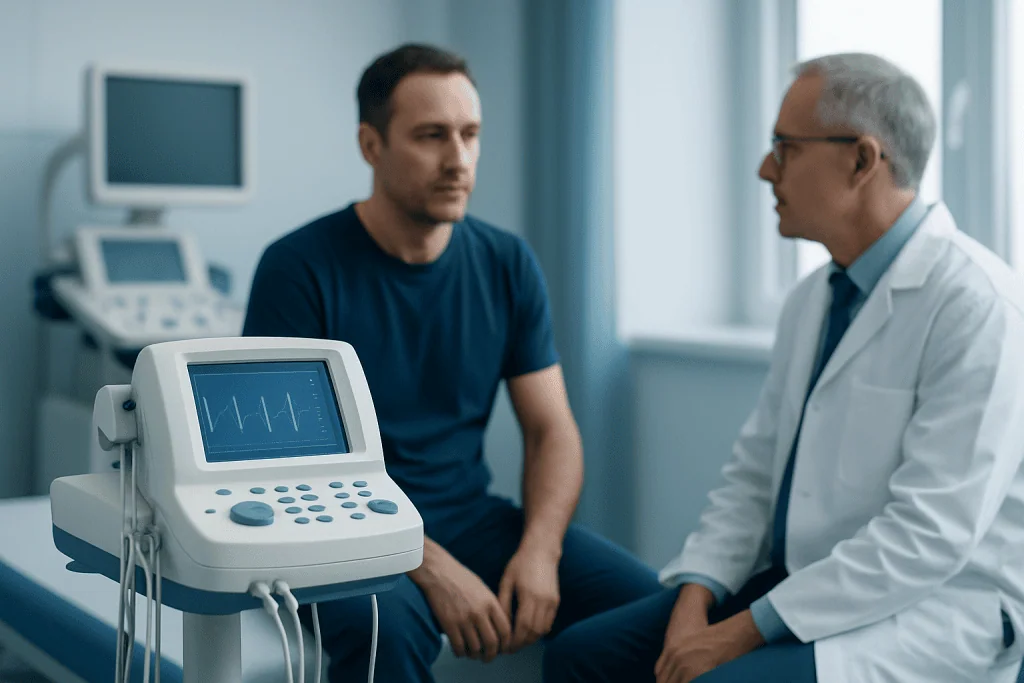
The symptoms people notice most often are sexual. These can include a lower sex drive, fewer spontaneous or morning erections, and erectile difficulties. Some people also notice reduced sexual satisfaction or concerns about fertility because testosterone plays a role in sperm production, although fertility can be affected by other hormone problems as well.
Low testosterone symptoms can also appear in everyday physical function. Many people describe unusual fatigue, lower stamina, loss of muscle strength, increased body fat, or difficulty maintaining exercise performance. Some notice a decrease in shaving frequency or body hair, while others develop reduced bone strength over time, which may increase fracture risk if low levels are prolonged and untreated.
Mood and thinking can be affected too. A person may feel less motivated, more irritable, or experience low mood, trouble concentrating, or reduced confidence. These symptoms are real, but they are not specific to testosterone deficiency, so they need to be interpreted carefully in context.
- Reduced sex drive
- Fewer morning erections
- Erectile difficulties
- Fatigue or low energy
- Loss of muscle mass or strength
- Increase in body fat
- Low mood or irritability
- Reduced concentration
- Infertility concerns
- Decreased body hair or breast enlargement
Common triggers and risk factors

Testosterone levels naturally decline with age, but age alone does not explain every case. Excess body weight is one of the most common contributors because obesity can alter hormone signaling and lower the amount of biologically available testosterone. Poor sleep, especially obstructive sleep apnea, can also affect hormone regulation and make symptoms such as fatigue and low libido more noticeable.
Long-term medical conditions may contribute as well. Diabetes, metabolic syndrome, chronic kidney disease, liver disease, HIV infection, and inflammatory illnesses can all affect testosterone production or action. Some medications are also linked to low testosterone symptoms, including long-term opioid pain medicines, glucocorticoids, and certain treatments that suppress sex hormone production.
In other cases, the cause is more direct. Injury to the testicles, mumps orchitis, chemotherapy, radiation, undescended testicles, or genetic conditions can impair testosterone production. Problems in the pituitary gland or hypothalamus may reduce the hormone signals needed to stimulate the testicles. If symptoms occur together with headaches, reduced peripheral vision, or nipple discharge, doctors may consider a pituitary cause and investigate further.
Because several conditions can overlap, doctors may also consider related hormone or metabolic disorders such as thyroid disease or insulin resistance. The goal is not only to confirm whether testosterone is low, but also to identify why it is low and whether another treatable condition is contributing.
Why symptoms can be confused with other conditions
One reason this topic causes confusion is that many low testosterone symptoms are nonspecific. Fatigue may come from poor sleep, anemia, depression, chronic stress, or overwork. Erectile difficulties can reflect blood vessel disease, diabetes, side effects of medicines, performance anxiety, or relationship stress. Weight gain and low motivation may occur with thyroid problems, sedentary lifestyle, alcohol use, or low mood.
Normal aging can also be mistaken for hormone deficiency. It is common for energy, sexual interest, and muscle mass to change gradually over time, but that does not automatically mean testosterone treatment is needed. Doctors usually focus on whether symptoms are persistent, whether morning blood tests repeatedly show low levels, and whether another explanation fits better.
This broader approach helps prevent both underdiagnosis and overtreatment. Some people assume they need testosterone based on symptoms alone, while others ignore persistent sexual symptoms or breast enlargement that deserve evaluation. A careful assessment aims to find the true cause and match treatment to the person rather than to a single lab result.
How doctors diagnose low testosterone
Diagnosis starts with a detailed history and physical examination. A doctor asks about sexual symptoms, fertility goals, sleep quality, weight changes, exercise habits, alcohol use, medications, past testicular injury, and chronic illnesses. The physical exam may assess body hair, breast tissue, testicular size, blood pressure, body composition, and signs of related conditions.
Blood testing is essential because testosterone levels vary during the day and can be temporarily affected by illness, poor sleep, or some medications. In most adults, doctors usually measure testosterone in the morning and often repeat the test on a separate day to confirm the finding. Additional tests may include luteinizing hormone, follicle-stimulating hormone, prolactin, thyroid function, blood sugar, and sometimes iron studies, depending on the clinical picture.
If the pattern suggests a pituitary problem, imaging of the pituitary gland may be recommended. Fertility concerns may lead to semen analysis, because testosterone therapy itself can reduce sperm production in some men. In selected cases, specialists may also assess bone health if symptoms have been long-standing or if fractures are a concern.
When imaging or specialist evaluation is needed, doctors may use services such as MRI scanning to look more closely at the pituitary region. If the presentation points to a broader hormonal issue, referral to endocrinology care can help clarify the diagnosis and guide management.
Treatment options and what to expect
Treatment depends on the cause, the severity of symptoms, age, other health conditions, and whether fertility is a current goal. If obesity, poor sleep, medication effects, or uncontrolled chronic disease are contributing, addressing those factors may improve testosterone levels and symptoms without hormone replacement. Weight reduction, treatment of sleep apnea, better diabetes control, and review of medicines can all be important first steps.
When confirmed low testosterone is causing significant symptoms, testosterone replacement therapy may be considered in carefully selected adults after discussing benefits and risks. Treatment can improve sexual desire, energy in some patients, bone health, and body composition, but it is not a cure-all for every symptom. Regular follow-up is needed because testosterone therapy may not be appropriate for everyone, especially those trying to preserve fertility or those with certain untreated conditions.
Doctors also monitor for side effects and treatment response over time. Follow-up may include repeat blood tests, symptom review, and monitoring of blood counts and prostate-related health according to age and individual risk. If fertility is a priority, alternatives to direct testosterone replacement may be discussed with a specialist to support hormone balance while protecting sperm production.
Patients with overlapping concerns such as erectile dysfunction may also need targeted evaluation and treatment beyond testosterone alone. Depending on the cause, related support could include urology evaluation or care for associated metabolic and vascular risk factors.
Self-care, lifestyle changes, and prevention
Not all causes of low testosterone can be prevented, but healthy lifestyle habits can support hormone health and reduce symptom burden. Regular exercise, especially resistance training, can help maintain muscle mass, support weight management, and improve energy. Adequate sleep is equally important because poor sleep quality can affect testosterone rhythms and worsen daytime fatigue.
Nutrition and metabolic health also matter. A balanced eating pattern that supports a healthy weight may improve testosterone levels in people with overweight or obesity. Limiting excess alcohol, avoiding anabolic steroid misuse, and not smoking can further support general hormonal and vascular health.
Self-care should not replace medical assessment when symptoms are persistent. Supplements marketed for “boosting testosterone” often have limited evidence, variable quality, or ingredients that may interact with medicines. It is safer to discuss symptoms with a qualified clinician and use evidence-based treatment when needed.
For people receiving ongoing care, a coordinated approach can be helpful. Near the end of the care pathway, some patients may be managed by multidisciplinary teams; Acibadem International’s specialists in JCI-accredited hospitals diagnose and treat hormone-related conditions for international patients when expert assessment is needed.
When to seek medical care
Medical advice is appropriate if low testosterone symptoms persist for several weeks or begin to affect daily life, relationships, sexual health, work performance, or emotional well-being. An appointment is especially worthwhile if symptoms include low libido, erection changes, infertility concerns, breast enlargement, or clear loss of strength and muscle mass.
Earlier assessment is important when symptoms occur with red flags. These include headaches, vision changes, testicular pain or injury, very low energy without explanation, delayed puberty in adolescents, or symptoms after chemotherapy or radiation. Prompt medical review is also sensible if a person has diabetes, obesity, sleep apnea, or is taking medicines known to affect hormones.
Urgent care is not usually needed for low testosterone symptoms alone, but sudden severe headache, acute vision loss, chest pain, or severe shortness of breath should be treated as medical emergencies because they may signal a different serious problem. In all cases, a clinician can help determine whether symptoms reflect testosterone deficiency, another condition such as erectile dysfunction, or a combination of factors.
Frequently asked questions
What are the first signs of low testosterone?
The earliest signs often involve sexual health, such as lower sex drive, fewer morning erections, or changes in erectile function. Some people also notice fatigue, reduced motivation, or a decline in exercise performance. Because these symptoms are not specific, testing is needed to confirm whether testosterone is actually low.
Can low testosterone symptoms happen even if a person is young?
Yes. Although testosterone levels tend to decline with age, younger adults can also develop low testosterone due to obesity, pituitary disorders, genetic conditions, testicular injury, certain medicines, or chronic illness. Age does not rule the condition in or out.
Does low testosterone always cause erectile dysfunction?
No. Testosterone can affect sexual desire and erections, but erectile dysfunction often has more than one cause. Blood vessel disease, diabetes, medication effects, stress, anxiety, and sleep problems can all contribute, so evaluation usually looks beyond testosterone alone.
How is low testosterone confirmed?
Doctors confirm it with blood tests, usually taken in the morning when testosterone levels are highest. Because levels can vary, the test is often repeated on a different day. Additional hormone tests may be ordered to find out whether the problem starts in the testicles or the pituitary gland.
Can lifestyle changes improve low testosterone symptoms?
They can help, especially when symptoms are linked to obesity, poor sleep, stress, or uncontrolled chronic disease. Weight management, regular exercise, better sleep, and treatment of sleep apnea may improve hormone balance and overall well-being. However, lifestyle measures do not replace medical evaluation when symptoms are persistent.
Is testosterone therapy safe for everyone with symptoms?
No. Testosterone therapy is not appropriate for every person with suspected low testosterone symptoms, and it should not be started without proper testing. Doctors consider the cause, fertility plans, other health conditions, and possible risks before recommending treatment.
References
- Endocrine Society
- American Urological Association
- National Institute of Diabetes and Digestive and Kidney Diseases
- National Health Service
- MedlinePlus
This article is for general information only and is not a substitute for professional medical advice. Please consult a qualified doctor about your individual situation.
Hair transplant in Turkey — costs, graft counts & a free assessment
JCI-accredited · board-certified surgeons · reply within 24h
Add us as a Preferred Source to see more of our trusted health content across Google Search, AI Overviews and Discover.
Check your numbers in seconds
BMI, calories, due date, blood pressure and 30+ more clinical calculators — free, instant, doctor-reviewed ranges.