Lubrication for Female — Explained by Medical Evidence, Not Myths

Female lubrication is influenced by arousal, hormones, medications, stress, and overall health. Less lubrication does not automatically mean low desire, relationship problems, or poor hygiene.
Key Takeaways
- Female lubrication is influenced by arousal, hormones, medications, stress, and overall health.
- Less lubrication does not automatically mean low desire, relationship problems, or poor hygiene.
- Vaginal lubricants and moisturizers can help, but persistent dryness may need medical evaluation.
- Menopause, breastfeeding, some medications, and certain skin or autoimmune conditions can reduce lubrication.
- Pain, bleeding, itching, discharge, or repeated symptoms should be assessed by a qualified clinician.
Lubrication for female is a normal bodily response that helps reduce friction and make vaginal activity more comfortable. It can vary from person to person and across life stages, and when dryness occurs, it is often manageable with simple measures or medical treatment.
Overview: what lubrication for female means
Lubrication for female refers to the natural moisture produced around the vaginal tissues and vulva, especially during sexual arousal. This moisture helps lower friction, supports comfort, and protects delicate tissue. The amount of lubrication is not the same for everyone, and it can change from day to day depending on hormones, hydration, stress, medications, and whether a person feels mentally and physically aroused.
Natural lubrication comes mainly from fluid passing through the vaginal walls and from glands near the vaginal opening. Cervical mucus may also contribute at certain times in the menstrual cycle. Because several body systems are involved, lubrication is best understood as a whole-body response rather than a simple sign of desire alone.
Temporary vaginal dryness is common and does not necessarily mean that something is wrong. However, ongoing dryness, burning, pain with sex, or irritation may point to a treatable issue such as hormonal change, inflammation, a medication effect, or a gynecologic condition. A careful medical evaluation can help identify the cause and guide the right treatment.
How normal lubrication works in the body
When a person becomes sexually aroused, blood flow to the pelvic tissues increases. This leads to swelling of the vaginal and vulvar tissues and causes fluid to move through the vaginal lining. The result is a slippery surface that reduces friction. This response may happen quickly for some people and more slowly for others, and both can be normal.
Hormones, especially estrogen, play an important role in keeping vaginal tissues elastic, well supplied with blood, and comfortably moist. Testosterone and other hormones may also affect sexual function, but estrogen is especially important for tissue health. Around menopause, after childbirth, and during breastfeeding, estrogen levels can fall and lubrication may decrease.
Lubrication is not an exact measure of sexual interest or emotional closeness. A person may feel desire but still have dryness, or may have lubrication without feeling mentally interested in sex. This difference between physical response and subjective desire is medically recognized and can help explain why myths about female sexual function are often misleading.
What can reduce lubrication

Many factors can affect lubrication for female. Hormonal changes are among the most common. Menopause, perimenopause, breastfeeding, postpartum recovery, and some cancer treatments can all reduce estrogen and lead to dryness. Some people also notice changes before menstruation or after ovary-related surgery.
Medications can contribute as well. Antihistamines, certain antidepressants, hormonal therapies, some acne medicines, and treatments that suppress estrogen may reduce moisture. Medical conditions such as diabetes, autoimmune diseases, pelvic floor problems, and inflammatory or skin conditions affecting the vulva can also cause discomfort or dryness. Related problems may overlap with vaginal dryness.
Psychological and relationship factors may play a role, but they are only part of the picture. Stress, anxiety, past painful experiences, body image concerns, lack of privacy, and insufficient stimulation can all affect arousal and comfort. These influences are real, but they should not be used to dismiss physical causes.
Common contributors include:
- Perimenopause or menopause
- Breastfeeding or recent childbirth
- Certain medications, especially antihistamines and some antidepressants
- Insufficient arousal time or painful prior experiences
- Smoking, which can affect blood flow
- Vulvar skin disorders, infections, or irritation from soaps and scented products
Symptoms that may accompany low lubrication
Reduced lubrication often feels like dryness, tightness, or friction during sexual activity. Some people notice burning, stinging, or a feeling that the tissue is easily irritated. Others may develop micro-tears or soreness after sex, even if there is no obvious injury. These symptoms can affect quality of life and may lead a person to avoid intimacy because of discomfort.
Low lubrication can occur by itself, but sometimes it appears together with changes such as itching, unusual discharge, odor, bleeding after sex, or pain with penetration. These added symptoms are important because they may suggest an infection, vulvar skin condition, pelvic floor dysfunction, or another gynecologic issue. In some people, persistent pain may relate to pain during intercourse.
It is also possible to confuse vaginal dryness with external vulvar irritation. For example, harsh cleansers, fragranced products, tight clothing, or allergic reactions may cause burning or discomfort around the vulva even when internal lubrication is not the main problem. A clinician can help distinguish between these causes if symptoms continue.
How doctors evaluate the problem
Evaluation usually begins with a respectful medical history. A doctor may ask when the symptoms started, whether they happen all the time or only during sex, and whether there is pain, itching, discharge, bleeding, or urinary symptoms. Questions about menstrual history, pregnancy, breastfeeding, menopause, medications, and past gynecologic conditions are also useful.
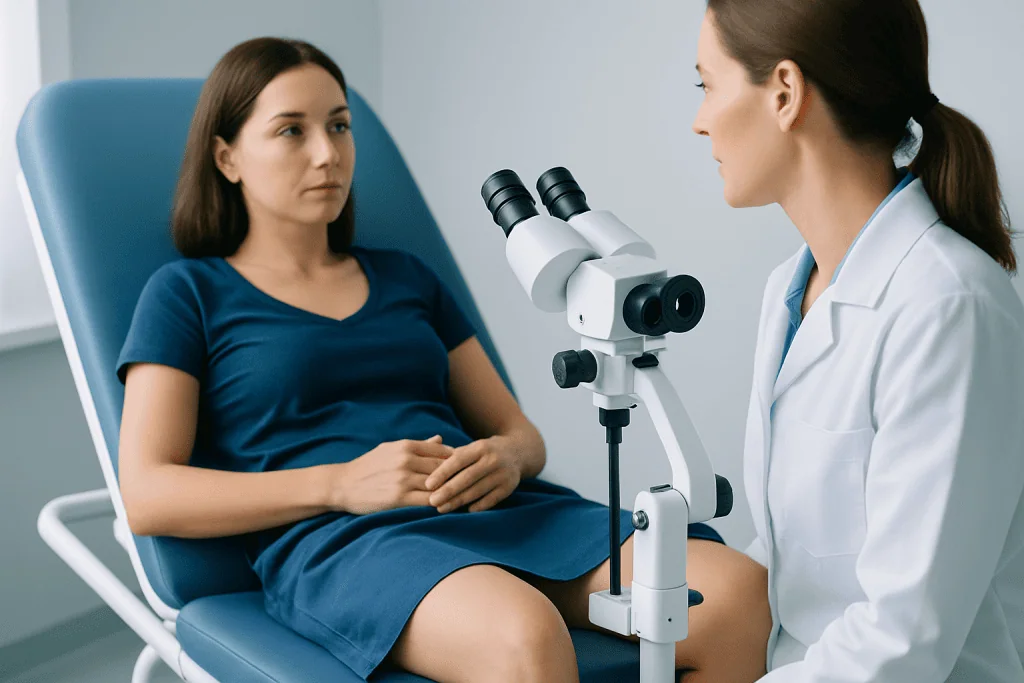
A pelvic exam may be recommended to look for thinning of tissues, inflammation, skin changes, infection, or tenderness in the pelvic floor muscles. Depending on symptoms, testing may include vaginal swabs, urine tests, or assessment for hormonal changes. The goal is not only to confirm dryness but also to identify any underlying cause that may need targeted treatment.
In some cases, symptoms are part of a broader sexual health or hormonal issue. If there is concern about persistent genital pain, pelvic floor dysfunction, or problems related to menopause, additional specialist input may help. Imaging is not usually needed for straightforward dryness, but it may be used when another pelvic condition is suspected.
Evidence-based treatment options
Treatment depends on the cause. For occasional dryness, a water-based or silicone-based vaginal lubricant during sexual activity may improve comfort by reducing friction. For ongoing dryness outside of sex, vaginal moisturizers used regularly may help tissues retain moisture. These products are supportive tools, not signs of failure, and many people use them successfully.
If low estrogen is contributing, a doctor may discuss local vaginal estrogen or other prescription options when appropriate. These treatments aim to restore tissue health and comfort rather than simply cover symptoms. Management may also include reviewing medications that might be worsening dryness, treating infections, or addressing a vulvar skin condition. Some patients benefit from specialist-led gynecology care or menopause care.
When pain, muscle tightness, or fear of discomfort is part of the problem, pelvic floor therapy and sexual counseling can be helpful. A multidisciplinary approach may be best because physical symptoms and emotional responses often influence each other. If another condition is present, treatment may focus on that diagnosis first.
People should avoid self-treating persistent symptoms with scented washes, douching, or repeated over-the-counter remedies without guidance. These can worsen irritation or delay diagnosis. For patients who need a broader evaluation, a women’s health check-up can help clarify the cause and treatment plan.
Self-care, prevention, and everyday support
Gentle self-care can make a meaningful difference. Many experts recommend avoiding douching, perfumed soaps, deodorant sprays, and other fragranced products around the vulva and vagina. Mild, unscented cleansing of the external area is usually enough. Wearing breathable underwear and changing out of wet exercise clothing may also reduce irritation.
During intimacy, allowing more time for arousal and using a lubricant can help the body respond more comfortably. Open communication with a partner is important because pressure, rushing, or discomfort can make dryness worse. If penetration is painful, it is reasonable to pause and seek medical advice rather than pushing through the pain.
General health habits may also support vaginal comfort. Staying hydrated, not smoking, managing chronic conditions, and keeping up with routine gynecologic care can all help. In people with recurrent symptoms linked to hormone changes, early discussion with a doctor may prevent symptoms from becoming more disruptive.
Near the end of the care pathway, some people may need coordinated support from gynecology, pelvic floor therapy, or menopause specialists. Acibadem International’s multidisciplinary specialists and JCI-accredited hospitals diagnose and treat these concerns for international patients when advanced assessment is needed.
When to seek medical care
Medical care is appropriate if dryness is persistent, causes distress, or makes sex painful. It is also important to seek evaluation if symptoms start suddenly after a new medication, after cancer treatment, or around menopause and are affecting daily life or relationships.
A doctor should be consulted sooner if there is bleeding after sex, unusual discharge, strong odor, severe itching, sores, fever, pelvic pain, or urinary burning. These features may suggest infection, inflammation, skin disease, or another condition that needs treatment.
Anyone with repeated painful intercourse, significant tissue irritation, or symptoms that do not improve with basic lubricants or moisturizers should arrange an examination. Early evaluation can often lead to simpler, more effective treatment and may prevent symptoms from becoming chronic.
Frequently asked questions
Is lubrication for female the same as sexual desire?
No. Physical lubrication and mental desire are related but not identical. A person may feel interested in sex but still have dryness, or may have some lubrication without feeling emotionally ready or interested.
Is it normal to have less lubrication at certain times of life?
Yes. Lubrication can change during the menstrual cycle, after childbirth, while breastfeeding, and during perimenopause or menopause. These shifts are often related to hormones and do not automatically mean there is a serious problem.
What is the difference between a vaginal lubricant and a vaginal moisturizer?
A lubricant is usually used during sexual activity to reduce friction right away. A moisturizer is used regularly over time to help maintain vaginal moisture and tissue comfort between sexual activities.
Can medications cause vaginal dryness?
Yes. Some antihistamines, antidepressants, hormonal treatments, and other medicines can reduce lubrication. If symptoms start after a medication change, a doctor or pharmacist can review whether the medicine may be contributing.
Should pain during sex always be checked by a doctor?
Pain during sex should not be ignored, especially if it is repeated or worsening. While dryness is a common cause, infections, hormonal changes, vulvar skin conditions, and pelvic floor problems can also lead to pain.
Can lifestyle changes really help with low lubrication?
They can help in many cases, especially when dryness is mild or linked to irritation or insufficient arousal time. Avoiding scented products, allowing more time for arousal, and using a suitable lubricant are practical steps, but persistent symptoms still deserve medical review.
This article is for general information only and is not a substitute for professional medical advice. Please consult a qualified doctor about your individual situation.
Explore treatments in Turkey — costs, top hospitals & a free quote
JCI-accredited · board-certified surgeons · reply within 24h
Add us as a Preferred Source to see more of our trusted health content across Google Search, AI Overviews and Discover.

More from the Health Library

Sperm Cell — Explained by Medical Evidence, Not Myths

Grapefruit liver detox: A Complete Medical Guide for Patients

Blue Chews for Men: What Patients Need to Know

Pinworms: An Evidence-Based Guide for Patients

Grey Rock Method: What Patients Need to Know