Lumbar Fusion Exercises Pdf: Procedure, Recovery and Results

Lumbar fusion joins two or more lower-back vertebrae to improve spinal stability and relieve symptoms caused by selected conditions. Recovery plans should be individualised; a generic lumbar fusion exercises PDF cannot replace advice from the operating surgeon or physiotherapist.
Key Takeaways
- Lumbar fusion joins two or more lower-back vertebrae to improve spinal stability and relieve symptoms caused by selected conditions.
- Recovery plans should be individualised; a generic lumbar fusion exercises PDF cannot replace advice from the operating surgeon or physiotherapist.
- Short, frequent walks are often encouraged early, with progression based on pain, balance, wound healing and medical guidance.
- Core strengthening usually begins gradually after early healing and focuses on safe trunk control rather than forceful abdominal exercises.
- New weakness, loss of bladder or bowel control, fever, wound drainage or worsening severe pain requires prompt medical assessment.
A lumbar fusion exercises PDF can be useful after surgery, but the right exercises and timing depend on the type of fusion, the number of spinal levels treated and individual healing. Walking and carefully guided rehabilitation are commonly central to recovery, while bending, twisting, heavy lifting and strenuous core work may need to wait until the surgical team approves them.
Lumbar Fusion Exercises PDF: A Safe Starting Point
People searching for a lumbar fusion exercises PDF usually want a clear plan for rebuilding movement and strength after lower-back surgery. The safest answer is that rehabilitation should be prescribed and progressed by the surgeon and physiotherapist, because restrictions vary according to the surgical approach, the vertebrae fused, bone quality, symptoms and healing progress.
In the early stage, recovery exercises often emphasise short walks, comfortable position changes, deep breathing and gentle circulation movements such as ankle pumps. Later, a clinician may add controlled abdominal bracing, pelvic control and hip-strengthening exercises. A personalised lumbar fusion physical therapy exercises PDF is more appropriate than an unsupervised online routine because it can state exactly when each activity is safe to begin.
Lumbar fusion is not simply an exercise programme; it is a surgical treatment followed by months of bone healing and rehabilitation. The goal is to protect the developing fusion while helping the person return gradually to daily activities, mobility and confidence.
How Lumbar Fusion Works and Who May Benefit
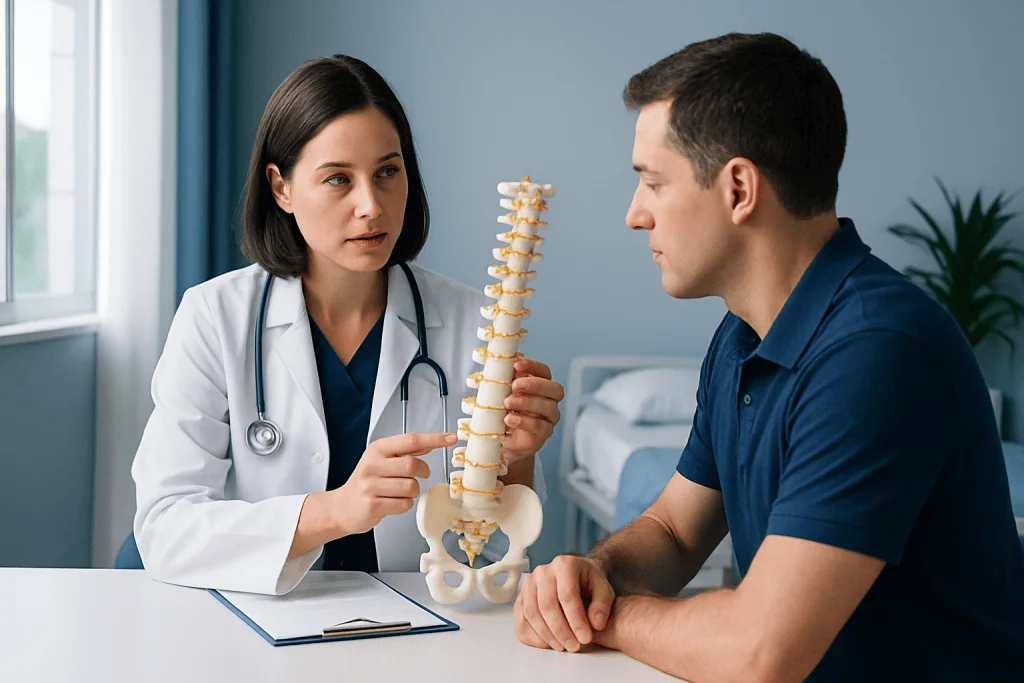
Lumbar fusion is an operation that permanently joins two or more vertebrae in the lower spine. The surgeon places bone graft material between or around the selected bones so that they gradually grow together. Screws, rods, cages or other implants may be used to hold the spine stable while fusion occurs.
The procedure may be considered when a structural spinal problem causes persistent pain, leg symptoms or reduced function and non-surgical care has not provided adequate relief. Examples include some cases of spinal instability, spondylolisthesis, recurrent disc problems, deformity, fracture or narrowing of the spinal canal when instability is present. It is not appropriate for every type of back pain.
Assessment may involve a medical history, physical examination and imaging such as X-rays, magnetic resonance imaging or computed tomography. The care team also considers overall health, smoking status, bone health, medications, activity demands and whether symptoms match the findings on imaging. Related lower-back conditions may include spondylolisthesis, in which one vertebra can slip forward relative to another.
Before recommending surgery, clinicians usually discuss expected benefits, limitations, alternatives and the individual likelihood of improvement. Non-surgical options can include activity modification, physiotherapy, pain-management strategies and selected injections, depending on the diagnosis.
Lumbar Fusion Procedure: Step by Step
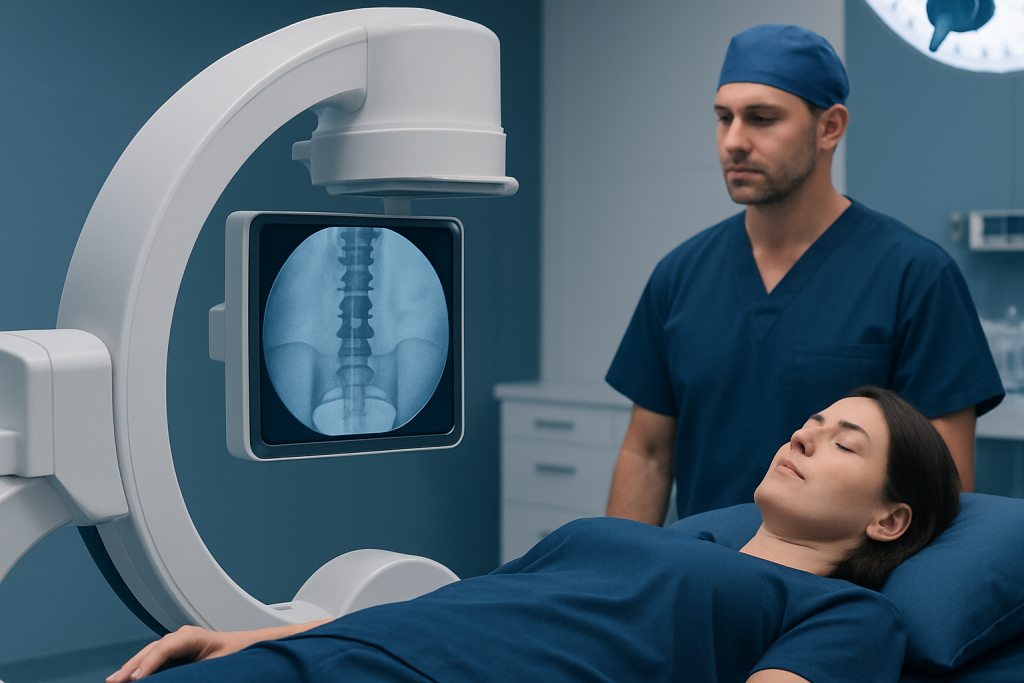
Lumbar fusion is performed under general anaesthesia. The surgeon may reach the spine from the back, abdomen, side or through a combined approach. The choice depends on the spinal levels involved, the underlying condition, previous surgery and the surgeon’s assessment.
After accessing the target area, the surgeon may remove a damaged disc, relieve pressure on a nerve or prepare the bone surfaces for fusion. Bone graft is then placed where new bone growth is needed. A spacer or cage may be positioned between vertebrae, and metal implants may be used to maintain alignment and stability.
The incision is closed and the patient is monitored as anaesthesia wears off. Hospital stay varies widely, and some people need support from physiotherapists to begin safe movement, transfers and walking shortly after surgery. A specialist should explain the planned approach and recovery expectations before the operation; more information about lumbar fusion surgery can help patients prepare informed questions for their consultation.
Fusion itself takes time. Although implants provide immediate support, the bone graft needs months to heal into a solid fusion. Follow-up visits and imaging may be used to assess progress and guide the return to work, driving, exercise and heavier activity.
Recovery Timeline and Lumbar Fusion Recovery Exercises
Recovery is gradual rather than identical for everyone. In the first days and weeks, the main aims are protecting the surgical area, controlling discomfort, preventing complications and restoring basic mobility. The healthcare team may advise precautions around bending, lifting and twisting, often described as avoiding “BLT” movements. The exact restrictions and their duration should come from the operating team.
Walking is commonly one of the earliest and most valuable lumbar fusion recovery exercises. It can begin with brief, frequent walks on level ground and increase slowly as tolerated. Good posture, supportive footwear and avoiding overexertion are important. A sharp increase in pain, marked fatigue or new neurological symptoms should prompt a pause and discussion with the care team.
At the appropriate stage, a physiotherapist may introduce a lumbar fusion exercises protocol focused on movement quality: diaphragmatic breathing, gentle activation of deep abdominal muscles, hip and leg mobility, balance work and gradual functional training. Exercises are usually adapted if they cause pain radiating down the leg, numbness, worsening weakness or significant back pain.
A lumbar fusion rehab protocol PDF may divide recovery into phases, but dates should not be treated as rigid deadlines. Healing can be affected by the complexity of surgery, age, nutrition, diabetes, bone health, smoking and complications. Follow-up assessment determines when strengthening, swimming, cycling, work duties or more demanding exercise can be resumed.
What Is the Best Exercise to Do After Lumbar Fusion Surgery?
For many people, the best early exercise after lumbar fusion surgery is walking, because it supports circulation, mobility and confidence without requiring forceful spinal movement. The best starting amount is individual: a person may begin with short indoor walks or several brief walks each day, then increase duration only as advised by the surgical or rehabilitation team.
Other early movements may include ankle pumps to support circulation and gentle breathing exercises to encourage normal chest expansion. Later, a physiotherapist may prescribe low-load trunk-control exercises, such as gentle abdominal bracing, together with hip and leg strengthening. The aim is stable, coordinated movement rather than intense abdominal training.
Traditional sit-ups, crunches, heavy resistance exercises, high-impact activity and stretches that force the back into end-range bending or twisting may be unsuitable early in recovery. An exercise should not be selected simply because it appears in a general lumbar fusion exercises PDF. The operating surgeon and physiotherapist should confirm which movements are appropriate for the person and stage of healing.
How Long Does It Take to Walk Normally After Lumbar Fusion?
Many patients are able to stand and take assisted steps within a day or a few days after surgery, but walking normally may take several weeks or longer. The pace depends on pre-surgery mobility, the reason for surgery, the number of levels fused, pain control, balance, leg strength and any complications.
In the first weeks, a person may walk more slowly, take shorter strides or need a walking aid. This does not necessarily mean the operation has failed; it can reflect normal post-operative soreness, reduced confidence and temporary muscle weakness. A physiotherapist can check gait, recommend an appropriate aid and help prevent compensatory movements that strain other parts of the body.
Walking distance and comfort commonly improve in stages over the following months. The important measure is steady, safe progress rather than comparing recovery with another person’s timeline. Persistent deterioration, repeated falls, new foot weakness or increasing leg pain should be reported to the surgical team.
Can You Provide Me With a PDF of Core Exercises Recommended After Spinal Fusion?
A generic PDF of core exercises recommended after spinal fusion cannot safely substitute for a personalised programme. “Core” exercises may be helpful later in rehabilitation, but the timing and intensity must account for the surgical approach, fusion level, wound healing, pain pattern and the surgeon’s restrictions.
A physiotherapist can provide an individual lumbar fusion physical therapy exercises PDF after assessing posture, walking, movement control, strength and symptoms. Early core work often starts with gentle activation of deep stabilising muscles while maintaining a neutral spine. Progression may later include functional exercises that prepare the person for sitting, standing, stairs, household tasks and work.
Patients should ask their surgeon or rehabilitation team for a written exercise plan that includes instructions, repetitions, precautions and clear guidance about when to stop. It is especially important to seek advice before starting planks, Pilates-based exercises, gym machines, resistance training or online spinal fusion routines.
Can I Use a Recliner After Lumbar Fusion Surgery?
A recliner may be comfortable for some people after lumbar fusion, but its suitability depends on the chair design and the person’s ability to get in and out without twisting or straining. A chair that reclines too deeply, is very low or requires forceful use of the legs and back to stand may be difficult during early recovery.
If a recliner is used, the person should follow post-operative movement precautions, keep the spine supported and avoid sudden movements. A firm chair with armrests may be easier for transfers because it can help a person sit down and stand up using the legs and arms while keeping the trunk aligned.
The surgical team or physiotherapist can demonstrate safe sit-to-stand technique and advise whether a raised seat, cushions or assistive equipment is appropriate. Prolonged sitting in any chair can increase stiffness, so regular brief walks and position changes are often useful when permitted.
Benefits, Risks and When to Seek Medical Care
When carefully selected, lumbar fusion may improve spinal stability and reduce pain or leg symptoms related to the condition being treated. It may also make standing, walking and daily activities easier for some patients. However, results vary, and surgery cannot guarantee complete pain relief or restore every aspect of spinal movement.
Possible risks include infection, bleeding, blood clots, nerve injury, leakage of spinal fluid, ongoing pain, implant-related problems and failure of the bone to fuse fully. Some people may develop symptoms in nearby spinal segments over time. Smoking and nicotine exposure can interfere with bone healing, so the care team may strongly recommend stopping before and after surgery.
Urgent medical advice is needed for fever, increasing redness or drainage from the wound, severe or rapidly worsening pain, new weakness, numbness in the groin or saddle area, loss of bladder or bowel control, chest pain, shortness of breath, or swelling and pain in one leg. These symptoms do not always indicate a serious complication, but they require prompt assessment.
For international patients, Acibadem International’s multidisciplinary specialists and JCI-accredited hospitals can assess spinal conditions and coordinate treatment and rehabilitation planning. Follow-up care should remain connected to the surgeon, physiotherapist and local healthcare professionals throughout recovery.
Frequently asked questions
How soon can exercises start after lumbar fusion?
Simple movements such as ankle pumps, breathing exercises and short assisted walks may begin very early if the surgeon permits. More structured flexibility, strengthening and core exercises are introduced gradually, based on healing and individual restrictions. Patients should use the plan provided by their surgical and rehabilitation team.
Should I wear a back brace after lumbar fusion surgery?
Some surgeons recommend a brace for selected patients or procedures, while others do not routinely use one. The decision depends on the fusion, spinal stability, bone quality and surgeon preference. A brace should be worn only as directed, including guidance on when it can be removed.
What movements should be avoided after lumbar fusion?
Many patients are initially asked to avoid repetitive bending, lifting and twisting, as well as heavy lifting and high-impact activities. Restrictions vary by procedure and surgeon, so they should not be based solely on general online advice. The care team can explain when and how normal movements can be reintroduced.
How long does lumbar fusion take to heal?
Incisions and early mobility often improve over weeks, but bone fusion develops over months. The complete recovery period varies with the operation, health status, smoking exposure and rehabilitation progress. Follow-up appointments and imaging help the surgeon assess healing.
Can walking too much damage a lumbar fusion?
Walking is commonly encouraged because it is generally low impact, but doing too much too soon can increase pain and fatigue. Patients should build distance gradually and follow their rehabilitation team's advice. New or worsening neurological symptoms should be reported promptly.
When can I return to work after lumbar fusion?
Return-to-work timing depends on the physical demands of the job, the surgery performed, symptoms and progress in recovery. Desk-based work may be possible earlier than work involving lifting, climbing, vibration or prolonged physical activity. The surgeon should provide individual clearance and any necessary work restrictions.
References
- American Academy of Orthopaedic Surgeons
- American Association of Neurological Surgeons
- National Institute of Arthritis and Musculoskeletal and Skin Diseases
- National Health Service
- North American Spine Society
This article is for general information only and is not a substitute for professional medical advice. Please consult a qualified doctor about your individual situation.
Joint and spine care in Turkey — expert assessment & treatment
JCI-accredited · board-certified surgeons · reply within 24h
Add us as a Preferred Source to see more of our trusted health content across Google Search, AI Overviews and Discover.