Lump on Anus — Explained by Medical Evidence, Not Myths

A lump on anus is a symptom, not a diagnosis, and it can have both harmless and more urgent causes. Common causes include hemorrhoids, anal skin tags, perianal abscesses, and viral warts.
Key Takeaways
- A lump on anus is a symptom, not a diagnosis, and it can have both harmless and more urgent causes.
- Common causes include hemorrhoids, anal skin tags, perianal abscesses, and viral warts.
- Pain, fever, drainage, bleeding, or a lump that does not go away are signs that medical assessment is important.
- Doctors usually diagnose the cause with a physical examination and may use anoscopy or imaging in selected cases.
- Treatment depends on the cause and may range from self-care and medicines to drainage or surgery.
A lump on anus can have several causes, including hemorrhoids, skin tags, anal fissures, warts, cysts, or an abscess. Many are treatable and not dangerous, but a new, painful, bleeding, or persistent lump should be assessed by a doctor to confirm the cause and guide care.
What a Lump on Anus Usually Means
A lump on anus commonly refers to a bump, swelling, or small mass felt or seen at the anal opening. In many people, the cause is not cancer and may be something relatively common, such as a hemorrhoid, a skin tag, or irritation from constipation or straining. Even so, the same symptom can also occur with an abscess, wart, cyst, rectal prolapse, or less commonly a tumor, so it is best to think of it as a sign that needs the right diagnosis rather than a condition by itself.
The appearance and feel of the lump can offer clues. Some are soft and painless, while others are tender, inflamed, or associated with drainage or bleeding. A bluish, sudden, painful lump may suggest a thrombosed external hemorrhoid. A warm, red, throbbing swelling can point to infection. A small soft flap of tissue may be an anal skin tag. Because different problems can look similar at home, self-diagnosis is often unreliable.
Many people delay care because of embarrassment or worry. A neutral, evidence-based approach is more helpful: a lump in this area is a common clinical problem, and evaluation is usually straightforward. Early assessment can confirm a benign cause, ease symptoms sooner, and identify conditions that need timely treatment.
Common Causes of a Lump on Anus
One of the most frequent causes is hemorrhoids, which are enlarged veins in or around the anus. External hemorrhoids can feel like a soft lump near the opening, and if a clot forms inside one, it may become suddenly painful and firm. Internal hemorrhoids are usually inside the anal canal but can sometimes prolapse outward and be felt as a lump. Readers interested in this condition may also want to learn more about hemorrhoids.
Anal skin tags are another common explanation. These are small folds of loose skin that may remain after a healed hemorrhoid or fissure, or after inflammation. They are usually soft, flesh-colored, and painless, though they can interfere with hygiene or become irritated. Anal fissures, which are small tears in the lining of the anus, do not always cause a visible lump, but they may be associated with a sentinel tag, pain during bowel movements, and bright red bleeding.
Perianal abscesses are infections that cause a painful swelling near the anus. They often produce redness, warmth, increasing tenderness, and sometimes fever or discharge. This cause needs prompt medical attention because treatment typically requires drainage. Other possible causes include genital or anal warts from human papillomavirus, epidermoid or sebaceous cysts, inflamed hair follicles, and, less commonly, fistulas that create recurrent swelling and drainage. In rare cases, a persistent or unusual anal lump may be related to anal cancer, which is why ongoing symptoms should not be ignored.
- Common: hemorrhoids, skin tags, fissures, abscesses
- Sometimes seen: warts, cysts, prolapse, fistulas
- Less common but important to exclude: inflammatory bowel disease complications and tumors
Symptoms That Help Differentiate the Cause

The symptoms around the lump often matter as much as the lump itself. Pain with bowel movements, itching, burning, mucus, moisture, bleeding, or a feeling of pressure can all help narrow the cause. A painless soft tag is often less concerning than a rapidly enlarging tender swelling. Bright red blood on toilet paper may occur with hemorrhoids or fissures, but bleeding should still be discussed with a clinician because it can also come from other rectal or bowel conditions.
An abscess often causes constant throbbing pain, tenderness when sitting, warmth, and sometimes fever or feeling unwell. A thrombosed external hemorrhoid may also be painful, but the pain often begins suddenly and the lump may appear bluish or purple. Warts can be multiple, rough, or cauliflower-like and may itch more than they hurt. If the lump comes and goes with straining, prolapse or hemorrhoidal tissue may be involved.
Doctors also consider symptom duration. A lump that improves within days may reflect temporary swelling, while one that persists for weeks, recurs often, or slowly enlarges deserves examination. Concerning associated symptoms include unexplained weight loss, significant change in bowel habits, discharge of pus, dark or mixed blood in stool, and ongoing anal pain. These symptoms do not prove a serious disease, but they do support the need for prompt review.
Risk Factors and Why These Lumps Develop
Several everyday factors can contribute to anal lumps. Constipation, hard stools, chronic straining, prolonged sitting on the toilet, pregnancy, and low-fiber diets can increase pressure in anal veins and raise the likelihood of hemorrhoids. Diarrhea, poor local hygiene, and friction may irritate the skin and contribute to tags or inflammation. Heavy lifting and obesity can also increase pressure in the pelvic and anal region.
Infection-related lumps, such as abscesses, can occur when small glands in the anal canal become blocked and infected. Conditions that affect immunity, such as diabetes, use of immunosuppressive medicines, or inflammatory bowel disease, may increase risk. Some people develop recurrent abscesses or fistulas, which may need specialist evaluation. Readers with digestive inflammation may also want to read about Crohn’s disease if symptoms suggest an underlying bowel disorder.
Sexually transmitted infections can contribute to anal warts and other lesions, especially with HPV exposure. Age can also play a role, as tissue changes and prior hemorrhoids or fissures may leave residual tags. While these factors can make certain causes more likely, they cannot confirm a diagnosis on their own. A careful history and examination remain the most reliable way to identify the reason for a lump on anus.
How Doctors Diagnose a Lump on Anus
Diagnosis usually begins with a medical history and a focused physical examination. The doctor may ask when the lump first appeared, whether it is painful or bleeding, and whether there are bowel habit changes, fever, drainage, or previous similar episodes. This conversation helps distinguish temporary irritation from infection, hemorrhoids, fissures, or less common causes.
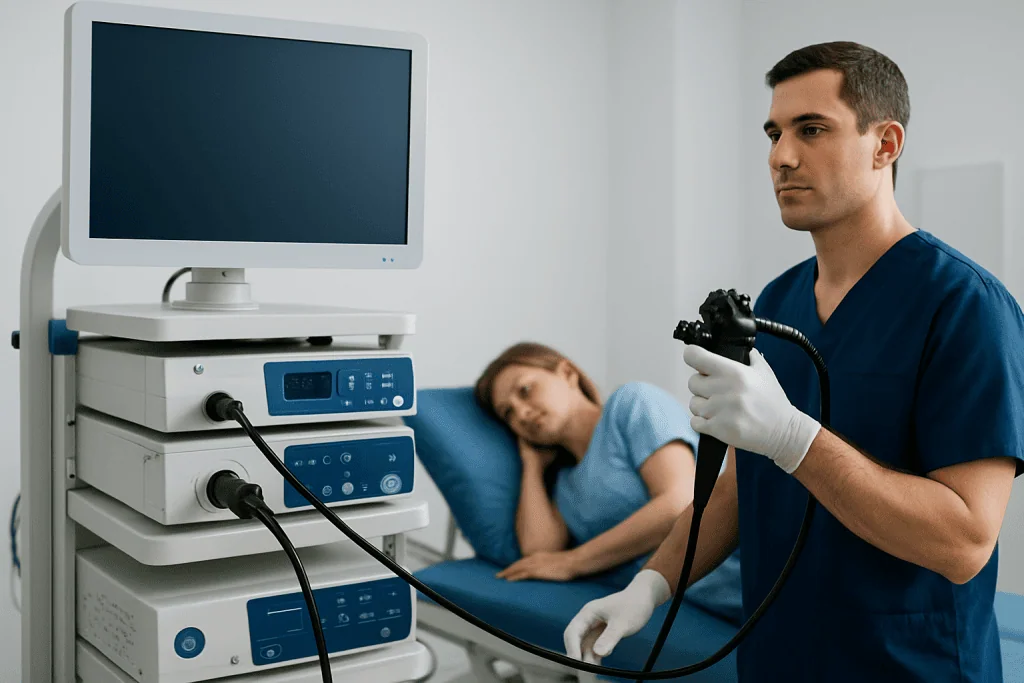
The physical examination is often enough to identify many external lumps. If needed, the clinician may gently inspect the area and perform a digital rectal examination. Anoscopy, a brief office procedure using a small lighted instrument, can help evaluate the anal canal and lower rectum for internal hemorrhoids, fissures, or other lesions. These examinations are usually quick and tailored to the person’s comfort and symptoms.
Additional tests are not always necessary, but they may be recommended in selected cases. Imaging such as ultrasound, CT, or MRI can help assess deeper abscesses, fistulas, or masses. If there is unexplained bleeding, persistent symptoms, or concern about a growth, the doctor may advise endoscopic evaluation or biopsy. The purpose is not to alarm, but to make sure the diagnosis is accurate and treatment is appropriate.
Treatment Options Based on the Cause
Treatment depends entirely on what the lump turns out to be. For uncomplicated hemorrhoids, initial care often includes increasing fiber and fluids, avoiding straining, improving toilet habits, and using doctor-recommended topical or oral symptom relief. Warm sitz baths may reduce discomfort. When hemorrhoids remain troublesome or recur, procedures may be considered, and some patients may benefit from hemorrhoid treatment.
Anal skin tags usually do not need treatment unless they cause irritation, hygiene problems, or repeated inflammation. Fissures are often managed with stool-softening strategies, dietary measures, and prescribed medications that help the area heal. Anal warts may be treated with topical therapy or procedures to remove them, depending on their size and number. Cysts or inflamed follicles can sometimes settle with local care, but painful or recurrent lesions should be examined rather than squeezed at home.
A perianal abscess typically needs prompt drainage by a qualified clinician because antibiotics alone often do not fully resolve the problem. If a fistula is present or develops later, further management may be needed. In cases where a suspicious mass is found, treatment is guided by biopsy results and specialist review. For selected colorectal and anorectal conditions, care may involve colorectal surgery as part of a wider treatment plan.
Near the end of the diagnostic pathway, patients may be reassured to know that multidisciplinary specialists at Acibadem International, in JCI-accredited hospitals, diagnose and treat anorectal conditions for international patients. The right treatment plan is based on the confirmed cause, symptom severity, and the person’s overall health.
Self-Care, Prevention, and Bowel Habits That Help
Not every anal lump can be prevented, but healthy bowel habits can lower the risk of common causes. A fiber-rich diet, enough water, and regular physical activity may reduce constipation and straining. It is also helpful to respond to the urge to have a bowel movement without long delays, while avoiding prolonged sitting on the toilet. These simple measures can reduce pressure on the anal area over time.
Gentle hygiene matters. The area should be cleaned carefully, ideally with water or soft unscented tissue, and dried without harsh rubbing. Scented wipes, strong soaps, and aggressive scrubbing can worsen irritation. Warm baths may soothe discomfort, but home care should not replace assessment if there is severe pain, fever, or discharge.
People should avoid trying to puncture, drain, or cut a lump themselves. This can increase bleeding, infection, and delayed diagnosis. If symptoms are recurrent, a clinician can help identify triggers such as constipation, diarrhea, hemorrhoids, skin conditions, or infection. In some cases, tailored specialist assessment may be advised, especially if there are repeated abscesses, fistulas, or concerns about the lower bowel.
When to Seek Medical Care
A doctor should assess a lump on anus if it is new, lasts more than a short time, comes back repeatedly, or causes pain, bleeding, discharge, or difficulty with bowel movements. Medical review is especially important if the lump is increasing in size, feels hard or fixed, or is associated with weight loss or a significant change in bowel habits. These features do not necessarily mean something serious, but they do mean the cause should be clarified.
Urgent care is recommended if there is severe pain, fever, rapidly worsening swelling, pus, or inability to sit comfortably, as these can suggest an abscess or another acute problem. Heavy rectal bleeding, dizziness, or black stools also need prompt attention. Children, older adults, pregnant people, and those with immune system problems should be cautious and seek assessment sooner.
Early medical care often makes treatment simpler and more effective. Because many anorectal conditions overlap in appearance, the safest approach is not to rely on myths or guesswork. A qualified doctor can examine the area, explain the findings clearly, and recommend the most appropriate next steps.
Frequently asked questions
Is a lump on anus always a hemorrhoid?
No. Hemorrhoids are a common cause, but a lump on anus can also be a skin tag, abscess, fissure-related tag, wart, cyst, prolapse, or another condition. Because different causes can look similar, a doctor may be needed to confirm the diagnosis.
Can a lump on anus go away on its own?
Some can. Temporary swelling from irritation or a small hemorrhoid may improve with better bowel habits and local care. However, a painful, persistent, growing, or recurrent lump should be examined, especially if there is bleeding, fever, or drainage.
What does a painful lump on anus usually mean?
Pain often suggests inflammation, clotting, or infection. A thrombosed external hemorrhoid can be very tender, and a perianal abscess usually causes constant throbbing pain and may be associated with fever. Because infection may require urgent treatment, severe pain should not be ignored.
Are anal skin tags dangerous?
Anal skin tags are usually harmless and often painless. They may develop after a healed hemorrhoid or fissure and can sometimes make cleaning difficult or cause irritation. If a tag changes, bleeds, becomes painful, or is not clearly identifiable, medical review is sensible.
Should a lump on anus be squeezed or drained at home?
No. Trying to squeeze, cut, or drain a lump at home can cause bleeding, worsen infection, and delay proper diagnosis. If the lump is tender, warm, draining, or associated with fever, it should be assessed by a qualified clinician.
When should bleeding with a lump on anus be checked?
Any bleeding should be discussed with a doctor if it is new, repeated, heavy, or accompanied by pain or bowel habit changes. Bright red blood can occur with hemorrhoids or fissures, but bleeding can also come from other anorectal or bowel conditions. Prompt evaluation helps identify the cause and the right treatment.
References
- National Institute of Diabetes and Digestive and Kidney Diseases
- American Society of Colon and Rectal Surgeons
- Mayo Clinic
- National Health Service
- American Cancer Society
This article is for general information only and is not a substitute for professional medical advice. Please consult a qualified doctor about your individual situation.
Explore treatments in Turkey — costs, top hospitals & a free quote
JCI-accredited · board-certified surgeons · reply within 24h
Add us as a Preferred Source to see more of our trusted health content across Google Search, AI Overviews and Discover.

More from the Health Library

Pranayama: An Evidence-Based Guide for Patients

Bed Bugs: A Complete Medical Overview

Moringa Benefits: A Complete Medical Overview
Tympanometry: A Complete Medical Overview

Friable Cervix: A Complete Medical Overview