Lupus: Early Symptoms, Flares, and How It Is Diagnosed

Lupus is an autoimmune disease in which the immune system attacks healthy tissues. Common early symptoms include fatigue, joint pain, skin rashes, mouth sores, and sensitivity to sunlight.
Key Takeaways
- Lupus is an autoimmune disease in which the immune system attacks healthy tissues.
- Common early symptoms include fatigue, joint pain, skin rashes, mouth sores, and sensitivity to sunlight.
- Lupus often follows a pattern of flares and quieter periods called remission.
- Diagnosis usually combines symptoms, physical examination, blood and urine tests, and sometimes imaging or biopsy.
- Treatment aims to control inflammation, reduce flares, protect organs, and support quality of life.
- Regular follow-up is important because lupus can affect different organs over time.
Lupus is a long-term autoimmune disease that can affect the skin, joints, kidneys, blood cells, and other organs. Its symptoms often come and go, so understanding early signs and how lupus is diagnosed can help people seek timely medical care.
Overview of lupus
Lupus is a chronic autoimmune disease. In autoimmune conditions, the body’s immune system mistakenly attacks healthy tissues instead of protecting them. This can lead to inflammation and damage in different parts of the body, including the skin, joints, kidneys, blood cells, lungs, heart, and nervous system.
The most common form is systemic lupus erythematosus, often called SLE. Some people have lupus that mainly affects the skin, while others develop inflammation in several organ systems. Because symptoms vary widely from person to person, lupus is sometimes called a condition with many faces.
Lupus is not contagious, and it is not caused by anything a person did wrong. It tends to follow a pattern of flare-ups, when symptoms become more active, and calmer periods, when symptoms improve. With careful monitoring and treatment, many people are able to manage the condition and maintain daily activities.
Early symptoms and signs of lupus
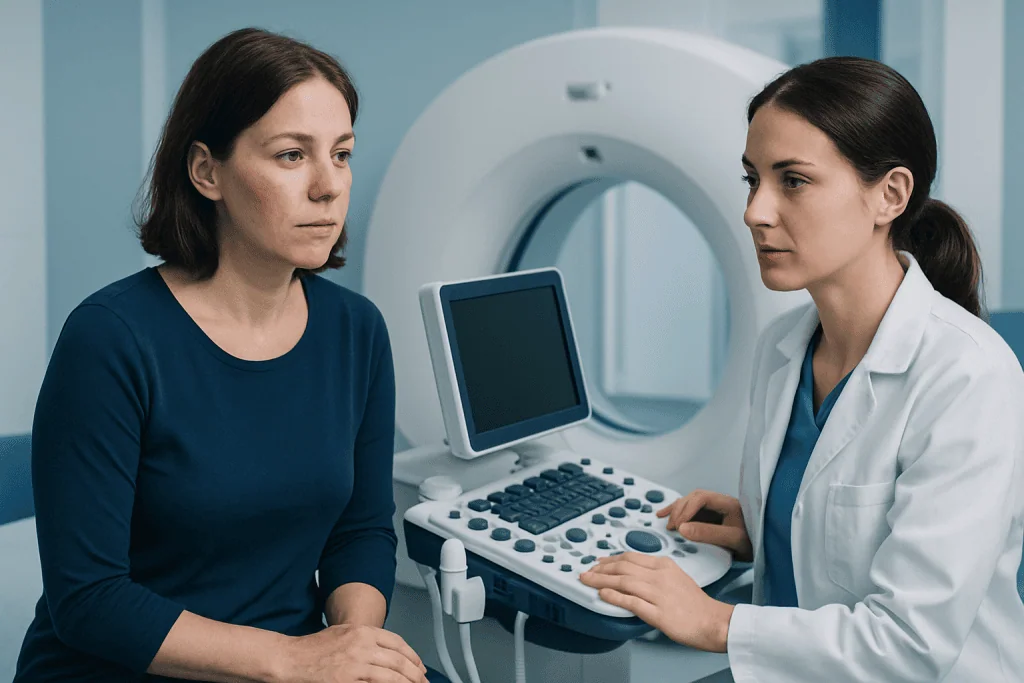
Early lupus symptoms can be vague and easy to mistake for other conditions. Fatigue is one of the most common early complaints. Many people also notice joint pain, stiffness, or swelling, especially in the hands, wrists, and knees. Unlike some joint diseases, lupus-related joint symptoms may come and go.
Skin changes are another common clue. Some people develop a butterfly-shaped rash across the cheeks and nose, while others notice patches of rash after sun exposure. Mouth or nose sores, hair thinning, unexplained fever, swollen glands, chest pain with deep breathing, or fingers that turn pale or blue in the cold can also occur.
Because lupus can affect many organs, symptoms may build gradually over time rather than appearing all at once. A person may have months of tiredness and aches before more specific signs develop. For some, lupus may resemble other autoimmune conditions, including rheumatoid arthritis, especially when joint pain is prominent.
- Persistent fatigue
- Joint pain or swelling
- Skin rash, especially after sun exposure
- Mouth or nasal ulcers
- Unexplained fever
- Hair loss or thinning
- Chest discomfort with breathing
- Cold-sensitive color changes in fingers or toes
What lupus flares are and what can trigger them

A lupus flare is a period when disease activity increases and symptoms worsen or new symptoms appear. Flares can be mild, such as a return of rash or fatigue, or more serious if they involve organs like the kidneys, lungs, or brain. Learning to recognize early warning signs can help a person seek care sooner and potentially reduce complications.
Common flare signs include increased tiredness, more joint pain, a spreading rash, low-grade fever, headaches, or swelling in the legs. Triggers vary between individuals, but sunlight, infections, emotional stress, physical stress, poor sleep, and missing medications are often involved. In some people, hormonal changes may also influence disease activity.
Keeping lupus as stable as possible often involves practical daily habits. Sun protection, taking medicines as prescribed, managing stress, treating infections promptly, and attending regular follow-up appointments can all help lower flare risk. When symptoms suddenly worsen, doctors may need to check for a lupus flare, an infection, or another related condition such as vasculitis.
Causes and risk factors
The exact cause of lupus is not fully understood. Experts believe it develops from a combination of genetic tendency, immune system changes, hormones, and environmental triggers. In other words, some people may be more likely to develop lupus, but symptoms may only start after certain internal or external factors activate the disease.
Risk is higher in women, especially during childbearing years, although men and children can also develop lupus. A family history of lupus or another autoimmune disease may increase susceptibility. Certain medications can cause a lupus-like syndrome in some individuals, though this is different from classic systemic lupus erythematosus and often improves when the medication is stopped under medical guidance.
Environmental triggers may include ultraviolet light, some infections, smoking, and prolonged stress. These factors do not affect everyone in the same way. That is why lupus can look very different from one person to another and why diagnosis often requires careful assessment over time.
How lupus is diagnosed
There is no single test that confirms lupus in every case. Diagnosis is based on a combination of medical history, physical examination, and laboratory findings. Doctors look for patterns of symptoms involving the skin, joints, blood, kidneys, and other organs, while also ruling out infections, medication effects, and other autoimmune disorders.
Blood tests often include antinuclear antibody testing, blood cell counts, markers of inflammation, kidney function tests, and more specific antibody tests. Urine tests are important because they may show early kidney involvement even before noticeable symptoms appear. Depending on the situation, a doctor may also request imaging tests such as MRI scanning or other studies to assess inflammation in organs or complications affecting the chest, brain, or joints.
Some people need evaluation by a rheumatologist, a specialist in autoimmune and inflammatory diseases. If lupus is suspected to involve internal organs, additional testing may be recommended. For example, a kidney biopsy may help guide treatment when lupus nephritis is a concern, and imaging such as CT scanning can sometimes help evaluate organ-related symptoms. Because symptoms can evolve, diagnosis may take time and may require repeat visits and follow-up tests.
Treatment options and long-term management
Lupus treatment is individualized and depends on which organs are affected, how active the disease is, and the person’s overall health. The main goals are to reduce inflammation, control symptoms, prevent flares, and protect organs from long-term damage. Many people are cared for by a rheumatologist, often alongside kidney, skin, heart, lung, or nerve specialists when needed.
Common treatments include anti-inflammatory medicines, drugs that calm the immune system, and medications that help reduce flare frequency. Some people only need treatment for mild skin or joint symptoms, while others need stronger therapy if the kidneys, brain, blood vessels, or other organs are involved. When symptoms overlap with other inflammatory conditions, doctors may also investigate related concerns such as ankylosing spondylitis or other autoimmune diseases.
Regular monitoring is an essential part of treatment. Follow-up visits, blood tests, and urine tests can help detect organ involvement early and show whether treatment is working. In selected cases, doctors may use ultrasound or other imaging to assess symptoms affecting organs or joints. Near the end of the care pathway, some international patients choose centers such as Acibadem International, where multidisciplinary specialists in JCI-accredited hospitals evaluate and treat complex autoimmune conditions.
Self-care, prevention, and living with lupus
Although lupus cannot usually be prevented, self-care plays a major role in reducing flares and supporting day-to-day well-being. People with lupus are often advised to protect themselves from sunlight with clothing, shade, and broad-spectrum sunscreen. Rest, balanced physical activity, and a regular sleep routine can also help with fatigue and joint stiffness.
Stopping smoking, eating a balanced diet, and keeping up with recommended vaccinations may support overall health. Because infection can sometimes trigger flares or mimic lupus activity, it is important to report new fever or illness to a doctor. Emotional support matters too, since living with an unpredictable chronic condition can be stressful.
Practical symptom tracking can be helpful. Many people keep a record of fatigue levels, pain, rash, fever, medications, and possible triggers. This information can make clinic visits more productive and may help identify patterns linked to flares. Self-care should complement medical treatment, not replace it.
When to see a doctor
A doctor should evaluate ongoing fatigue, unexplained joint pain, repeated rashes, mouth sores, or fevers that keep returning. These symptoms do not always mean lupus, but they deserve attention if they persist, especially when several happen together. Early assessment may help shorten the time to diagnosis and reduce the chance of unnoticed organ involvement.
Urgent medical care is important for symptoms that could suggest significant inflammation or complications. These include chest pain, shortness of breath, sudden severe headache, confusion, seizures, marked swelling in the legs, very dark or reduced urine, or weakness and numbness. Such symptoms need prompt evaluation because lupus can sometimes affect major organs quickly.
People who already have lupus should contact their care team if they think a flare is starting, if medicines seem to be causing side effects, or if they develop signs of infection. Timely communication often helps doctors adjust treatment safely and appropriately.
Frequently asked questions
What are the earliest symptoms of lupus?
Early symptoms of lupus often include fatigue, joint pain, stiffness, skin rashes, mouth sores, and sensitivity to sunlight. These signs may come and go, which can make lupus harder to recognize at first.
Does lupus always cause a butterfly rash?
No, not everyone with lupus develops the classic butterfly rash across the cheeks and nose. Some people have other skin rashes, while others may have little or no skin involvement at all.
What is a lupus flare?
A lupus flare is a period when the disease becomes more active and symptoms get worse or new symptoms appear. Flares can range from mild to serious, depending on whether only the skin and joints are affected or internal organs are involved.
How is lupus diagnosed if there is no single test?
Doctors diagnose lupus by looking at the full picture, including symptoms, examination findings, blood tests, and urine tests. Sometimes diagnosis also requires imaging, specialist evaluation, or organ-specific testing over time.
Can lupus be cured?
There is currently no cure for lupus, but treatment can help control inflammation, reduce flares, and protect organs. Many people live active lives with regular monitoring and a personalized care plan.
Who is most at risk for lupus?
Lupus is more common in women, especially during childbearing years, but it can affect men and children as well. A family history of autoimmune disease and certain environmental triggers may increase risk.
References
- World Health Organization
- National Institute of Arthritis and Musculoskeletal and Skin Diseases
- American College of Rheumatology
- European Alliance of Associations for Rheumatology
- Mayo Clinic
This article is for general information only and is not a substitute for professional medical advice. Please consult a qualified doctor about your individual situation.
Lupus in Turkey — costs, top hospitals & a free quote
JCI-accredited · board-certified surgeons · reply within 24h
Add us as a Preferred Source to see more of our trusted health content across Google Search, AI Overviews and Discover.