Lymphadenitis and Lymphadenopathy: Early Signs, Risk Factors, and How It Is Treated

Lymphadenitis is inflamed lymph nodes, often linked to a nearby infection. Lymphadenopathy is a broader term for enlarged or abnormal lymph nodes from many possible causes.
Key Takeaways
- Lymphadenitis is inflamed lymph nodes, often linked to a nearby infection.
- Lymphadenopathy is a broader term for enlarged or abnormal lymph nodes from many possible causes.
- Tender, painful nodes often suggest infection, but a medical assessment may be needed if swelling persists.
- Doctors diagnose the cause through history, examination, blood tests, imaging, and sometimes biopsy.
- Treatment depends on the underlying cause, not just the node swelling itself.
- Persistent, growing, hard, or unexplained lymph nodes should be checked by a doctor.
Lymphadenitis and lymphadenopathy both involve enlarged lymph nodes, but they are not the same thing. Lymphadenitis usually means a lymph node is inflamed, often because of infection, while lymphadenopathy is a broader term for abnormal lymph nodes caused by infection, immune conditions, medications, or, less commonly, cancer.
Overview: What lymphadenitis and lymphadenopathy mean
Lymphadenitis and lymphadenopathy are terms used to describe changes in the lymph nodes, the small bean-shaped glands that help filter lymph fluid and support the immune system. Although people often use them interchangeably, they describe different situations. Lymphadenitis usually means a lymph node has become inflamed, most often because of an infection. Lymphadenopathy is a wider medical term that means lymph nodes are enlarged or abnormal for many possible reasons.
This distinction matters because the likely cause, the urgency of testing, and the treatment approach can differ. A painful, tender node under the jaw during a sore throat may fit lymphadenitis. A painless enlarged node that remains for weeks may be called lymphadenopathy until the cause is confirmed.
Lymph nodes are found throughout the body, but swelling is most often noticed in the neck, under the jaw, armpits, or groin. Nodes may enlarge in one area only, called localized lymphadenopathy, or in several parts of the body, called generalized lymphadenopathy. Each pattern gives doctors clues about what may be happening.
In many cases, enlarged lymph nodes are a normal immune response and improve once the triggering condition settles. At the same time, persistent or unexplained swelling should not be ignored, because less common causes such as autoimmune disease or blood-related cancers can also affect lymph nodes.
How lymph nodes work and why they swell
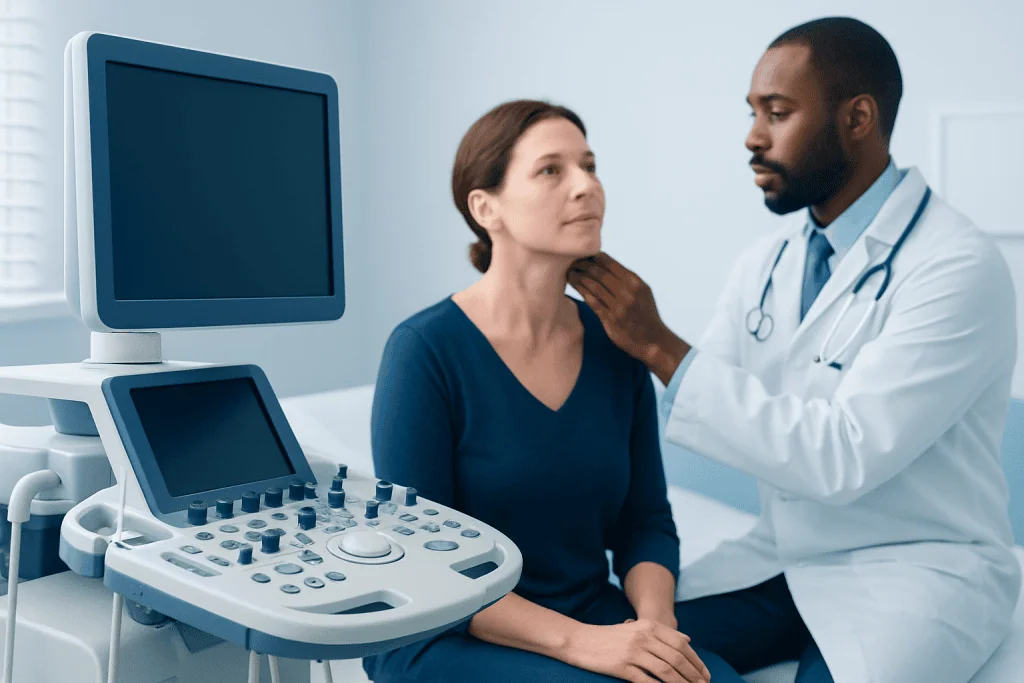
The lymphatic system is part of the body’s defense network. Lymph nodes collect and filter fluid, trapping bacteria, viruses, and other foreign material. They also contain immune cells that help recognize and respond to infections or abnormal cells.
When the immune system is activated, lymph nodes can enlarge because immune cells multiply inside them. This is why a cold, dental infection, skin infection, or other common illness may cause temporary swelling. In lymphadenitis, the node itself becomes inflamed and can be painful, warm, or red if the inflammation is significant.
Lymph nodes may also enlarge for reasons other than infection. Autoimmune diseases can keep the immune system active, some medicines can trigger lymph node enlargement, and cancers may spread to lymph nodes or begin there, as in lymphoma. Doctors look at the location, size, texture, and duration of swelling to guide next steps.
Understanding this immune role helps explain why swollen nodes are a sign rather than a diagnosis. The main question is not only whether nodes are enlarged, but why they are enlarged and whether the pattern is reassuring or needs further evaluation.
Symptoms and early signs to notice
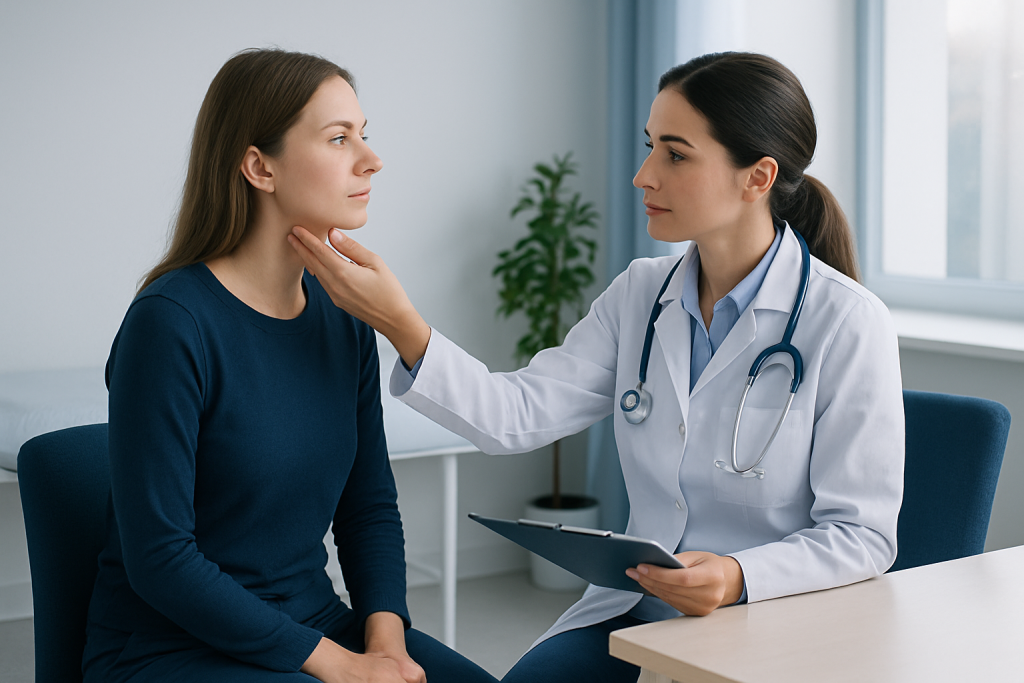
The most noticeable sign is a lump or swelling where lymph nodes are close to the skin, especially in the neck, armpit, or groin. Some nodes are soft and tender, while others feel firmer. In lymphadenitis, the area may be painful to touch and may appear warm or red if inflammation is pronounced.
Early signs often depend on the underlying cause. With an upper respiratory infection, there may be sore throat, fever, runny nose, or ear symptoms along with swollen neck nodes. Dental problems can cause swelling near the jaw. A skin infection may lead to a painful node close to the affected area. In children, short-term swollen nodes are especially common after viral illnesses.
Symptoms that deserve more careful attention include nodes that continue to enlarge, remain swollen for several weeks, feel hard or fixed in place, or occur without an obvious infection. Other associated symptoms can include ongoing fever, night sweats, unexplained weight loss, unusual tiredness, or itching. These do not always mean a serious illness, but they increase the need for medical evaluation.
Some enlarged nodes are found deeper in the chest or abdomen and cannot be felt from the outside. In those cases, symptoms may be indirect, such as persistent cough, fullness, abdominal discomfort, or findings seen on imaging done for another reason.
Causes and risk factors
Infections are among the most common reasons for lymph node swelling. Viral infections such as colds, influenza, mononucleosis, and other common viruses frequently cause temporary lymphadenopathy. Bacterial infections can cause lymphadenitis, including throat infections, tonsillitis, dental infections, skin infections, and infections from cuts or bites. Tuberculosis and certain sexually transmitted infections may also affect lymph nodes in specific settings.
Immune and inflammatory conditions are another important group of causes. Autoimmune diseases such as lupus or rheumatoid arthritis can cause generalized lymphadenopathy. Less commonly, certain medications may trigger lymph node enlargement as part of a drug reaction. Travel history, exposure to pets, recent vaccinations, and immune status may all help explain the pattern.
In some people, enlarged lymph nodes are related to cancer. This can happen when cancer from another area spreads to lymph nodes, or when the lymphatic system itself is involved, such as with leukemia or lymphoma. Cancer-related nodes are often described as persistent, firm, or painless, but appearances alone are not enough to make a diagnosis.
Risk factors for concerning lymphadenopathy can include older age, a history of cancer, smoking, immune suppression, significant weight loss, generalized swelling in several node regions, or enlargement that lasts longer than expected. Even so, many people with swollen nodes have a benign cause, especially when symptoms follow a recent infection.
How doctors diagnose the cause
Diagnosis begins with a careful medical history and physical examination. A doctor asks when the swelling started, whether it is painful, whether there was a recent infection, and whether there are symptoms such as fever, fatigue, or weight loss. The doctor also checks the size, texture, mobility, and location of the nodes and looks for signs of infection in nearby tissues.
Blood tests may help identify infection, inflammation, or blood disorders. Depending on the situation, testing may include a complete blood count, inflammatory markers, or tests for specific viral or bacterial infections. If the swelling is localized near a possible source, a throat exam, dental assessment, or skin evaluation may be important.
Imaging is sometimes used when nodes are deep, persistent, or unclear on examination. Ultrasound is often useful for superficial nodes and can help distinguish reactive changes from features that need closer assessment. In selected cases, doctors may request MRI scanning or CT scanning to assess lymph nodes in the neck, chest, abdomen, or pelvis and look for an underlying cause.
If a node remains enlarged, has suspicious features, or the diagnosis stays uncertain, a biopsy may be recommended. This means removing part or all of the node for laboratory examination. When blood-related conditions are suspected, specialists in hematology may guide further testing and treatment planning.
Treatment options and what recovery depends on
Treatment for lymphadenitis and lymphadenopathy depends on the cause. If a viral infection is responsible, the swelling often improves with time and supportive care such as rest, fluids, and symptom relief. If a bacterial infection is confirmed or strongly suspected, a doctor may prescribe antibiotics. When an abscess forms in a lymph node, a procedure to drain it may sometimes be needed.
For pain or discomfort, clinicians may recommend simple supportive measures, such as a warm compress and appropriate over-the-counter pain relief when suitable for the individual. It is generally best not to press or repeatedly check swollen nodes, as irritation can make them feel more tender.
If the swelling is related to an autoimmune condition, treatment focuses on controlling the underlying inflammation. If the cause is medication-related, a doctor may review whether a medicine could be contributing and whether an alternative is appropriate. When evaluation points to cancer, treatment is based on the specific diagnosis and may involve oncology or hematology specialists.
Recovery varies. Nodes from common infections may shrink over days to weeks, though some can remain slightly enlarged for longer before fully settling. The key to proper treatment is not simply reducing the swelling, but identifying and managing the condition that caused it.
Prevention, self-care, and when to seek medical care
Not all lymph node swelling can be prevented, but general infection prevention helps lower risk. Good hand hygiene, prompt care of cuts and skin infections, dental care, and staying up to date with recommended vaccinations can all reduce common triggers. Managing long-term conditions and attending routine checkups can also make it easier to detect and address problems early.
At home, it is reasonable to monitor a recently swollen node if there is an obvious minor infection and symptoms are improving. Gentle rest, hydration, and following a doctor’s advice for the underlying illness are often enough. People should avoid self-prescribing leftover antibiotics, because the correct treatment depends on the cause.
Medical care should be sought if lymph nodes are very painful, rapidly enlarging, associated with high fever, trouble swallowing, breathing difficulty, or a visibly worsening infection. A doctor should also assess nodes that persist beyond a few weeks, are hard or fixed, occur in several areas without a clear reason, or come with night sweats, unexplained weight loss, or marked fatigue.
For people who need further assessment, multidisciplinary evaluation can help clarify the cause and treatment plan. Acibadem International’s specialists, working in JCI-accredited hospitals, diagnose and treat conditions linked to swollen lymph nodes for international patients, including related infectious, hematologic, and oncologic causes.
Frequently asked questions
What is the difference between lymphadenitis and lymphadenopathy?
Lymphadenitis usually means a lymph node is inflamed, most often because of infection. Lymphadenopathy is a broader term that refers to enlarged or abnormal lymph nodes from many possible causes, including infections, immune conditions, medications, and some cancers.
Are swollen lymph nodes usually a sign of infection?
Often, yes. Many swollen lymph nodes happen because the immune system is responding to a nearby viral or bacterial infection, such as a cold, sore throat, dental infection, or skin infection. However, swelling that is persistent or unexplained should be assessed by a doctor.
How long should swollen lymph nodes last?
The duration depends on the cause. Nodes related to common infections often improve over days to a few weeks, although some may stay slightly enlarged for longer as they settle. If swelling continues beyond a few weeks or gets bigger, medical review is a good idea.
When should someone worry about enlarged lymph nodes?
A person should arrange medical evaluation if the nodes are hard, fixed, growing, or not linked to an obvious infection. Care is also important if there are symptoms such as unexplained weight loss, night sweats, ongoing fever, unusual fatigue, trouble breathing, or trouble swallowing.
How do doctors test swollen lymph nodes?
Doctors usually begin with a medical history and physical examination. Depending on the findings, they may order blood tests, ultrasound or other imaging, and sometimes a biopsy if the cause remains unclear or the node has suspicious features.
Can children get lymphadenitis and lymphadenopathy?
Yes. Children commonly develop swollen lymph nodes, especially in the neck, during or after viral infections. Most cases are benign and short-lived, but a doctor should assess persistent, very painful, or rapidly enlarging nodes.
References
- Centers for Disease Control and Prevention
- National Health Service
- Merck Manual Consumer Version
- American Academy of Family Physicians
- National Cancer Institute
This article is for general information only and is not a substitute for professional medical advice. Please consult a qualified doctor about your individual situation.
Oncology care in Turkey — second opinion and treatment plan
JCI-accredited · board-certified surgeons · reply within 24h
Add us as a Preferred Source to see more of our trusted health content across Google Search, AI Overviews and Discover.

More from the Health Library



Related Specialists

Assoc. Prof. Dr. Cüneyt Narin
Cardiovascular Surgery
Prof. Dr. İkbal Esen Aydingöz
Dermatology
Dr. Nesrin Yılmaz Baıramov
Physical Medicine & Rehabilitation
Dr. Mesut Fatih
Orthopedic Surgery & Traumatology