Lymphedema After Cancer Treatment: Early Signs, Prevention, and Therapy
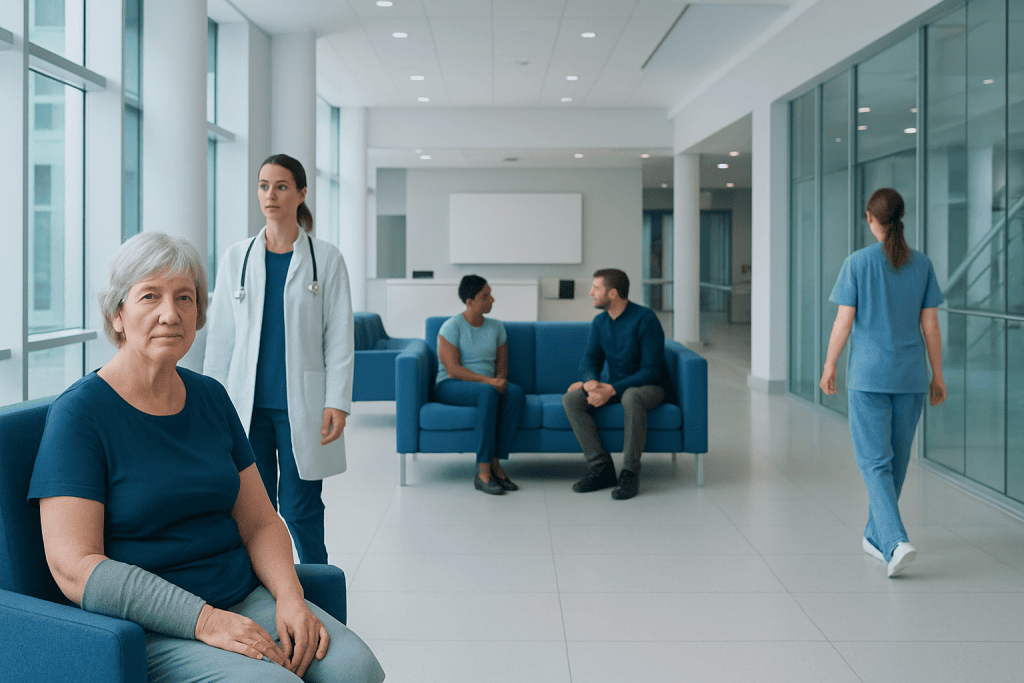
Lymphedema is swelling caused by a buildup of lymph fluid, often in an arm, leg, breast, chest wall, or genital area after cancer treatment. Early signs may include heaviness, tightness, puffiness, reduced flexibility, or jewelry and clothing feeling tighter than usual.
Key Takeaways
- Lymphedema is swelling caused by a buildup of lymph fluid, often in an arm, leg, breast, chest wall, or genital area after cancer treatment.
- Early signs may include heaviness, tightness, puffiness, reduced flexibility, or jewelry and clothing feeling tighter than usual.
- Risk may increase after lymph node removal, radiation therapy, infection, injury, or weight gain, but lymphedema does not affect everyone who has cancer treatment.
- Early assessment by a doctor or certified lymphedema therapist can help confirm the diagnosis and guide treatment.
- Treatment often includes compression, exercise, skin care, and specialized manual therapy tailored to the person’s needs.
- Long-term self-care and regular follow-up help control symptoms and reduce the risk of complications.
Lymphedema after cancer treatment is a type of swelling that can develop when lymph nodes or lymph vessels are affected by surgery, radiation, or other therapies. Recognizing early changes and starting appropriate care can help reduce discomfort, protect skin health, and improve daily function.
Overview
Lymphedema after cancer treatment is a chronic swelling condition that happens when the lymphatic system cannot drain fluid effectively. The lymphatic system is part of the body’s circulation and immune defense. When lymph nodes or lymph vessels are removed, scarred, or damaged during cancer care, lymph fluid can collect in nearby tissues and cause swelling.
This problem can develop after treatment for several cancers, including breast cancer, gynecologic cancers, melanoma, prostate cancer, head and neck cancer, and other cancers that involve lymph node surgery or radiation. The swelling may affect an arm or leg, but it can also involve the breast, chest wall, abdomen, face, neck, or genital area depending on where treatment took place.
Lymphedema may begin soon after treatment or appear months or even years later. In many people, symptoms start gradually and may be easy to overlook at first. Because early care can help prevent worsening, it is useful for cancer survivors to know what changes to watch for and when to seek evaluation.
Early Signs and Symptoms
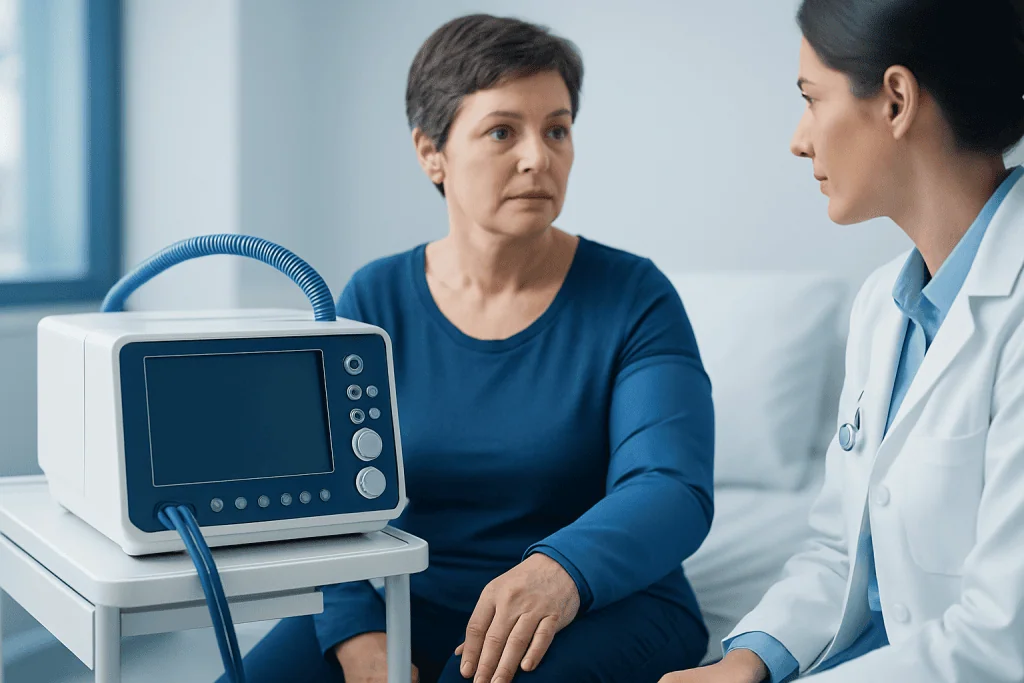
The earliest signs of lymphedema are not always obvious swelling. Some people notice a feeling of heaviness, fullness, tingling, tightness, or aching in the affected area before they can see any visible change. Others find that rings, bracelets, sleeves, bras, shoes, or socks feel tighter on one side than before.
As lymphedema progresses, swelling may become easier to see. The skin may feel firm, stretched, or less flexible, and joints may become harder to move comfortably. An arm or leg may tire more quickly, and daily tasks such as dressing, walking, writing, or carrying objects may feel less comfortable.
Symptoms vary depending on the body area involved. After breast cancer treatment, there may be swelling in the arm, hand, breast, underarm, or chest wall. After treatment in the pelvis or groin, the leg, foot, lower abdomen, or genital area may be affected. Facial or neck swelling may occur after treatment for some head and neck cancers.
- Heaviness or tightness
- Mild puffiness or visible swelling
- Reduced flexibility in a hand, wrist, shoulder, ankle, or knee
- Clothing, jewelry, or shoes fitting more tightly
- Skin feeling firmer, thicker, or unusually sensitive
- Discomfort, aching, or a sense of pressure
Causes and Risk Factors
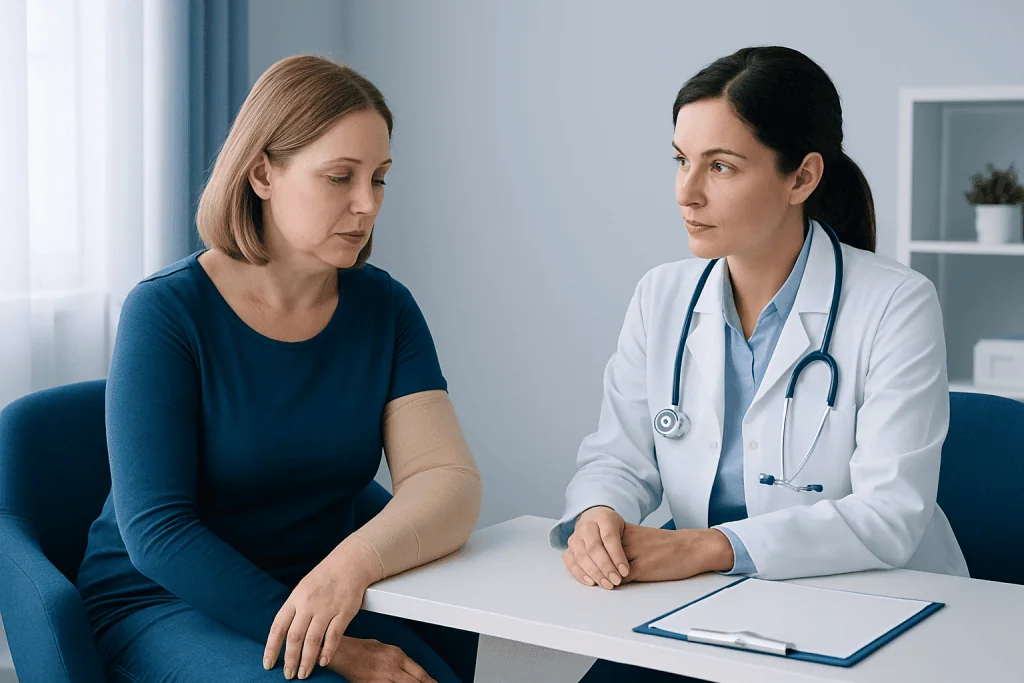
The main cause of lymphedema after cancer treatment is damage to the normal drainage pathways of lymph fluid. Surgery that removes lymph nodes, such as sentinel node biopsy or a more extensive node dissection, can reduce the body’s ability to move lymph out of the area. Radiation therapy can also contribute by causing scarring and inflammation around lymph vessels and nodes. In some situations, the cancer itself may block lymph flow.
Risk differs from person to person. A larger number of removed lymph nodes generally raises the chance of developing lymphedema, but it can also happen after limited surgery. Radiation to the underarm, groin, pelvis, or neck can add to the risk. Infection, skin injury, burns, and repeated inflammation in the affected limb may further strain lymph drainage.
Other factors can also play a role. Excess body weight, limited movement, venous problems, or postoperative complications such as seroma formation may make swelling more likely or more noticeable. It is important to remember that having risk factors does not mean lymphedema is inevitable, and people without many risk factors can still develop it.
Cancer survivors who have had procedures related to breast cancer or treatment for melanoma may be especially familiar with this issue because lymph nodes are often part of treatment planning. Awareness, regular follow-up, and prompt reporting of symptoms can support earlier care.
How Lymphedema Is Diagnosed
Lymphedema is usually diagnosed through a medical history, physical examination, and review of prior cancer treatment. The doctor will ask when the swelling began, whether it changes during the day, and whether there are symptoms such as pain, redness, or recurrent skin infections. They may compare both sides of the body and measure limb size or volume over time.
Diagnosis also involves ruling out other causes of swelling. For example, fluid retention, blood clots, venous insufficiency, infection, or cancer recurrence can sometimes cause similar symptoms. If the swelling is new, sudden, painful, or associated with redness, warmth, or shortness of breath, urgent evaluation is especially important.
In some cases, imaging tests may be used to better understand the lymphatic system or exclude other problems. Depending on the situation, a doctor may recommend ultrasound, MRI, CT, or specialized lymphatic imaging. The exact approach depends on the body area affected and the person’s cancer history.
Early evaluation is valuable because mild lymphedema often responds better to treatment than advanced swelling with fibrosis or skin thickening. A multidisciplinary team may include an oncologist, surgeon, rehabilitation physician, physical therapist, or certified lymphedema therapist. If swelling follows cancer care, doctors may also review the broader recovery plan after breast cancer treatment or another cancer therapy.
Treatment Options and Therapy
Lymphedema treatment aims to reduce swelling, improve comfort and mobility, protect the skin, and support long-term self-management. While there is not always a permanent cure, many people achieve good symptom control with a structured plan. Treatment is tailored to the location and severity of swelling, skin condition, and the person’s overall health.
A common approach is complete decongestive therapy. This often combines manual lymphatic drainage, compression bandaging or garments, exercise, skin care, and education. Manual lymphatic drainage is a specialized, gentle technique performed by a trained therapist to encourage lymph fluid to move through healthier pathways. Compression sleeves, stockings, bras, or wraps help limit fluid buildup and support maintenance after swelling improves.
Exercise is usually encouraged rather than avoided. Guided movement, stretching, and progressive strength training can support lymph flow and function when done carefully. Some people also benefit from pneumatic compression devices, scar management, posture training, or occupational therapy to improve hand use and daily activities. In selected cases, surgery may be discussed for persistent symptoms, but it is usually considered after a thorough evaluation and a trial of conservative treatment.
Because lymphedema may occur in the setting of broader cancer recovery, care may overlap with services such as radiation therapy follow-up or physical therapy and rehabilitation. Near the end of a treatment journey, some international patients seek coordinated assessment at centers such as Acibadem International, where multidisciplinary specialists in JCI-accredited hospitals evaluate and treat cancer-related lymphedema.
Prevention and Self-care
Not every case of lymphedema can be prevented, but healthy habits may lower risk and help detect early changes sooner. Skin care is especially important because infection can worsen swelling. The affected area should be kept clean and moisturized, and cuts, insect bites, burns, and other skin injuries should be avoided when possible.
Regular, gentle movement supports circulation and lymph flow. Many people are advised to return gradually to exercise after surgery or radiation, following guidance from their care team. Good posture, shoulder mobility work, walking, and tailored strengthening can all be helpful. Maintaining a healthy body weight may also reduce strain on the lymphatic system.
Compression may be recommended for some people during travel, exercise, or high-risk activities, but it should be individualized rather than used automatically by everyone. Patients should also avoid ignoring mild symptoms. Tracking changes in limb size, heaviness, or fit of clothing can help identify a problem early.
- Protect the skin from cuts, burns, and sun damage
- Treat small skin injuries promptly and watch for signs of infection
- Stay active with doctor-approved exercise
- Maintain follow-up after cancer treatment and report new swelling
- Avoid overly tight clothing or accessories on the affected area when possible
- Ask about safe travel, compression, and lifting guidelines for the individual situation
When to See a Doctor
A doctor should be contacted if there is new or increasing swelling in an arm, leg, breast, chest wall, face, neck, or genital area after cancer treatment. Medical review is also important for heaviness, tightness, reduced movement, or skin changes that do not improve. Even mild symptoms are worth discussing because early treatment may prevent progression.
Urgent assessment is needed if swelling is sudden, painful, or accompanied by redness, warmth, fever, drainage, or rapidly worsening skin changes. These symptoms can suggest infection, inflammation, or another condition that needs prompt care. Shortness of breath or chest pain requires emergency medical attention.
People who have completed cancer therapy sometimes assume swelling is a normal part of healing and wait too long to seek help. It is safer to have persistent or unexplained swelling evaluated. The care team can determine whether the problem is lymphedema, a temporary postoperative change, a vascular issue, or a sign that further testing is needed.
Frequently asked questions
Can lymphedema start years after cancer treatment?
Yes. Lymphedema can appear soon after treatment or develop months to years later. That is why long-term awareness is important, even after active cancer care has ended.
Is lymphedema after cancer treatment curable?
Lymphedema is usually considered a long-term condition, but it can often be managed very effectively. Early treatment, compression, exercise, and skin care may reduce swelling and improve comfort and function.
What is the difference between normal postoperative swelling and lymphedema?
Normal postoperative swelling often improves gradually as healing progresses. Lymphedema tends to persist, recur, or slowly worsen and may be associated with heaviness, tightness, or changes in limb size. A doctor or lymphedema therapist can help distinguish between them.
Should people with lymphedema avoid exercise?
Usually no. Gentle, progressive exercise is often part of lymphedema care because muscle movement helps support lymph flow. Exercise plans should be individualized, especially after surgery or radiation, and discussed with a qualified clinician.
Can flying or travel make lymphedema worse?
Long travel may contribute to swelling in some people, especially if movement is limited. Some patients are advised to use compression garments or take movement breaks, but this should be based on medical guidance rather than a one-size-fits-all rule.
What are signs of infection in an area affected by lymphedema?
Warning signs include redness, warmth, tenderness, increasing swelling, fever, or red streaking of the skin. Because infection can worsen lymphedema and may spread quickly, prompt medical attention is important.
References
- World Health Organization
- National Cancer Institute
- American Cancer Society
- National Lymphedema Network
- International Society of Lymphology
This article is for general information only and is not a substitute for professional medical advice. Please consult a qualified doctor about your individual situation.
Oncology care in Turkey — second opinion and treatment plan
JCI-accredited · board-certified surgeons · reply within 24h
Add us as a Preferred Source to see more of our trusted health content across Google Search, AI Overviews and Discover.

Medical Oncology Department
Medical treatment of cancer with chemotherapy, immunotherapy and targeted therapies under a multidisciplinary tumor board.
60 specialists in this unitMore from the Health Library


Related Specialists

Dyt. Güler Aras
Nutrition & Diet
Dr. Oya Uğurlubilek
Inpatient Clinic Physicians Clinical Service
Prof. Dr. Mustafa Çetiner
Hematology
Dr. Emre Furkan Aydin
Emergency Service