Mammogram Results: What BI-RADS Scores Mean

BI-RADS is a standardized reporting system used for mammograms and other breast imaging tests. Most mammogram results are not a cancer diagnosis; many findings are benign or simply need more imaging.
Key Takeaways
- BI-RADS is a standardized reporting system used for mammograms and other breast imaging tests.
- Most mammogram results are not a cancer diagnosis; many findings are benign or simply need more imaging.
- Each BI-RADS category helps guide what should happen next, such as routine screening, short-term follow-up, or biopsy.
- A callback after screening does not automatically mean cancer; it often means the images need clarification.
- A doctor interprets BI-RADS scores together with symptoms, medical history, and prior breast imaging.
Mammogram results are often reported using BI-RADS scores, a standard system that helps describe breast imaging findings and the most appropriate next step. Understanding what each category means can make follow-up recommendations feel clearer and less overwhelming.
Overview: Why BI-RADS Matters
Mammogram results can feel difficult to interpret, especially when a report includes technical wording or a BI-RADS category number. BI-RADS stands for Breast Imaging Reporting and Data System. It is a standardized system created to help radiologists describe breast imaging findings clearly and consistently.
This system is used for screening mammograms, diagnostic mammograms, breast ultrasound, and breast MRI. Rather than relying on vague language, BI-RADS assigns a category that reflects how the images look and what kind of follow-up is recommended. This helps patients and healthcare teams communicate more easily and choose the most appropriate next step.
It is important to remember that BI-RADS scores do not work like school grades. A higher number does not always mean a diagnosis, and not every abnormal result means cancer. In many cases, the score simply tells the doctor whether the images are complete, probably benign, suspicious enough to test further, or strongly suggestive of cancer.
How Mammogram Results Are Reported
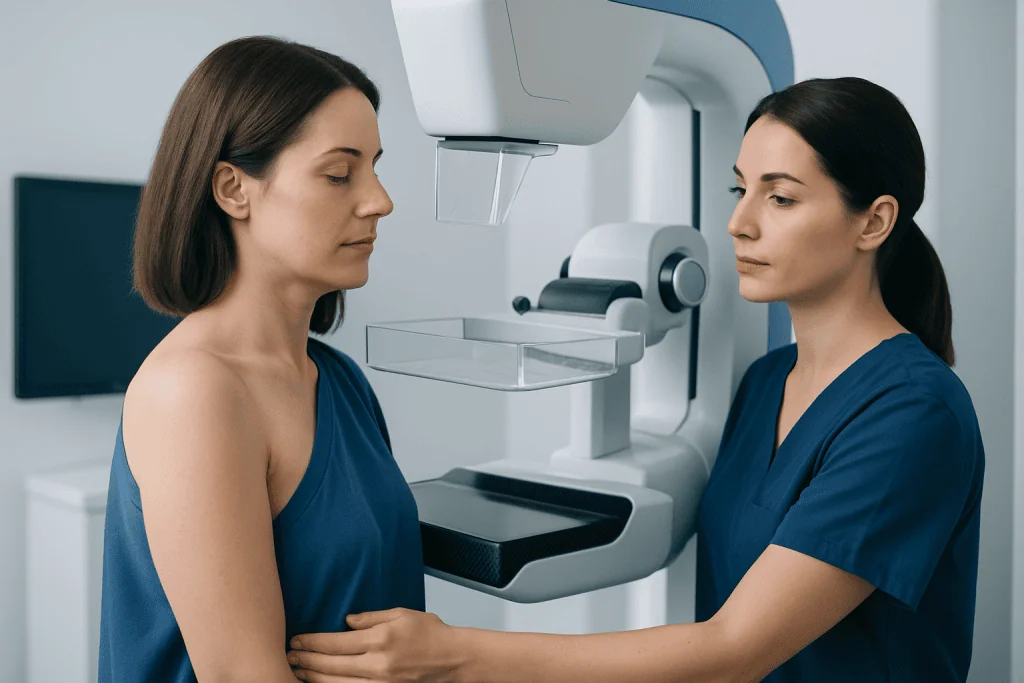
After a mammogram, a radiologist examines the images for changes in breast tissue, such as masses, calcifications, asymmetries, or distortions. The report usually describes breast density, the main findings, and the BI-RADS category. The final category helps the referring doctor decide whether routine screening is enough or whether more evaluation is needed.
There are two common types of mammograms: screening and diagnostic. A screening mammogram is done routinely in people without breast symptoms. A diagnostic mammogram is more focused and may be used when there is a lump, breast pain, nipple discharge, or an unclear screening result. The same BI-RADS system can be used for both, but the follow-up plan may differ depending on the reason for imaging.
Breast density may also be included in the report because dense breast tissue can make mammograms harder to interpret and can sometimes hide abnormalities. Dense tissue is common and does not itself mean disease, but it may influence whether a doctor recommends additional breast MRI or breast ultrasound in selected situations.
What Each BI-RADS Score Means

Each BI-RADS category has a specific meaning. Understanding these categories can make mammogram results easier to discuss with a doctor:
- BI-RADS 0: Incomplete. More imaging is needed before the study can be fully interpreted. This is common after screening and may lead to extra mammogram views or ultrasound.
- BI-RADS 1: Negative. No abnormal findings were seen. Routine screening is usually recommended.
- BI-RADS 2: Benign finding. A non-cancerous change was seen, such as a simple cyst or benign calcifications. Routine screening is usually advised.
- BI-RADS 3: Probably benign. The finding is very unlikely to be cancer, but short-term follow-up imaging is recommended to confirm it remains stable.
- BI-RADS 4: Suspicious abnormality. The finding is not typical of cancer in every case, but a biopsy is often recommended to learn exactly what it is.
- BI-RADS 5: Highly suggestive of malignancy. The imaging strongly raises concern for cancer, and tissue diagnosis is usually recommended promptly.
- BI-RADS 6: Known biopsy-proven malignancy. Cancer has already been confirmed by biopsy, and imaging is being used for treatment planning or monitoring.
BI-RADS 4 may sometimes be subdivided into 4A, 4B, and 4C. These subcategories reflect increasing levels of suspicion, but all generally warrant biopsy. Even so, not every BI-RADS 4 result turns out to be cancer.
The most reassuring point for many people is that the BI-RADS category is designed to guide care, not to replace a diagnosis. A result only becomes definitive when it is interpreted together with clinical examination, prior imaging, and, if needed, biopsy findings.
Why a Callback Happens After a Screening Mammogram
Being called back after a screening mammogram can be stressful, but it is common and often does not mean cancer. A callback usually means the radiologist needs additional views, magnified images, or another imaging test to better understand something seen on the first set of pictures.
Common reasons for a callback include overlapping normal tissue, movement during the exam, a new asymmetry, an area that looks denser than expected, or calcifications that need closer review. Sometimes the radiologist simply wants to compare the images with older studies. If prior mammograms are not available at the time of review, the first report may be more cautious.
After the additional imaging, the BI-RADS category may change. For example, a BI-RADS 0 screening result may become BI-RADS 1 or 2 after more images confirm that the area is normal or benign. In some cases, the extra imaging suggests a finding that should be watched closely or sampled with a biopsy.
When BI-RADS Leads to More Tests
Further testing depends on the BI-RADS category and the specific imaging features. For BI-RADS 3, a doctor often recommends short-interval follow-up imaging instead of immediate biopsy. The purpose is to check whether the finding stays stable over time, which supports a benign explanation.
For BI-RADS 4 or 5, a biopsy is commonly advised because imaging alone cannot reliably determine the exact tissue type. A biopsy removes a small sample so a pathologist can examine it under a microscope. This step helps distinguish benign conditions from breast cancer and can also identify other changes that may need specialist care.
Depending on the situation, additional tests may include diagnostic mammography, targeted ultrasound, MRI, or image-guided biopsy. The right test depends on factors such as age, symptoms, breast density, family history, prior surgery, and whether a lump can be felt on examination.
What Happens After an Abnormal Mammogram
An abnormal mammogram does not always mean a serious problem. Many abnormal findings turn out to be cysts, fibroadenomas, benign calcifications, scar tissue, or normal variations in breast structure. Even when a biopsy is recommended, the purpose is to get a clear answer rather than to assume the worst.
If tissue sampling confirms cancer, the next steps may include further imaging, pathology review, and consultations with breast specialists. Treatment planning depends on the type of cancer, its size, whether lymph nodes are involved, and the person’s overall health and preferences. Some people may also need evaluation for conditions related to breast symptoms or imaging findings, such as breast cysts.
When specialist support is needed, coordinated care can make the process easier to navigate. Acibadem International’s multidisciplinary specialists and JCI-accredited hospitals diagnose and treat breast conditions for international patients, with imaging, pathology, surgery, and oncology services working together when appropriate.
How to Prepare for Follow-Up and Support Breast Health
After receiving mammogram results, it helps to ask for a copy of the report and discuss it with a qualified doctor. Useful questions include: What is my BI-RADS score? Do I need more imaging? When should I return? Are there prior mammograms for comparison? Understanding the timeline can reduce uncertainty.
Keeping regular screening appointments is one of the most practical ways to support breast health. People should follow screening recommendations based on age, family history, breast density, symptoms, and personal risk factors. Anyone with a strong family history or known genetic risk may need a more individualized plan.
General self-care also matters. Breast self-awareness can help a person notice new lumps, skin changes, nipple inversion, discharge, or persistent focal pain, but self-checks do not replace mammograms. A healthy lifestyle, including regular physical activity, balanced nutrition, limiting alcohol, and not smoking, may support overall well-being and reduce some cancer risks.
When to See a Doctor
A doctor should be consulted promptly if there is a new breast lump, thickening, persistent pain in one area, nipple discharge that is spontaneous or bloody, skin dimpling, redness, or a change in breast shape. Even if a recent mammogram was normal, new symptoms still deserve medical evaluation.
People should also contact their healthcare provider if they receive a BI-RADS 0, 3, 4, or 5 result and are unsure about the next step. Follow-up matters because early clarification can help avoid delays and may provide reassurance when the finding is benign. Bringing prior mammograms to appointments can be especially helpful.
Breast imaging is only one part of assessment. A doctor may combine the imaging report with a physical exam, symptom history, and other tests to decide the best plan. Timely communication and follow-through are the best ways to make mammogram results as useful and informative as possible.
Frequently asked questions
What does BI-RADS mean on mammogram results?
BI-RADS stands for Breast Imaging Reporting and Data System. It is a standardized way for radiologists to describe breast imaging findings and recommend the next step, such as routine screening, more imaging, or biopsy.
Is a BI-RADS 0 result bad?
Not necessarily. BI-RADS 0 means the study is incomplete and more imaging is needed before the radiologist can give a final assessment. This often happens after a screening mammogram and may be resolved with extra views or ultrasound.
Does BI-RADS 3 mean cancer?
BI-RADS 3 means the finding is probably benign, not that cancer has been diagnosed. It usually leads to short-term follow-up imaging to confirm that the area remains stable over time.
Does a BI-RADS 4 score always mean a person has breast cancer?
No. BI-RADS 4 means the finding is suspicious enough that a biopsy is usually recommended, but many BI-RADS 4 findings are not cancer. The biopsy is done to identify exactly what the abnormality is.
What is the difference between BI-RADS 4 and 5?
Both categories usually require biopsy, but BI-RADS 5 indicates a higher level of concern based on the imaging appearance. BI-RADS 4 is suspicious, while BI-RADS 5 is highly suggestive of malignancy.
Can mammogram results be normal if there is a breast lump?
Yes, that can happen in some cases, especially in dense breast tissue or when the lump is better seen with ultrasound or other imaging. Any new or persistent breast lump should be evaluated by a doctor even if a recent screening mammogram was normal.
References
- American College of Radiology
- National Cancer Institute
- Centers for Disease Control and Prevention
- American Cancer Society
- World Health Organization
This article is for general information only and is not a substitute for professional medical advice. Please consult a qualified doctor about your individual situation.
Explore treatments in Turkey — costs, top hospitals & a free quote
JCI-accredited · board-certified surgeons · reply within 24h
Add us as a Preferred Source to see more of our trusted health content across Google Search, AI Overviews and Discover.