Marital Abuse Hotline: What Patients Need to Know

A marital abuse hotline is a confidential resource for support, safety planning, and referrals. Abuse in marriage can be physical, sexual, emotional, digital, or financial, and all forms can affect health.
Key Takeaways
- A marital abuse hotline is a confidential resource for support, safety planning, and referrals.
- Abuse in marriage can be physical, sexual, emotional, digital, or financial, and all forms can affect health.
- Medical care is important for injuries, sexual assault, pregnancy-related concerns, anxiety, depression, or thoughts of self-harm.
- People do not need to be in immediate crisis to contact a hotline; it can help with planning and options.
- Documentation, trusted support, and a personalized safety plan may improve safety and access to care.
A marital abuse hotline can provide confidential emotional support, help with immediate safety planning, and guidance on medical, legal, and community resources. For many people, calling or chatting with a hotline is a practical first step when they are unsure what to do next.
Overview: What a Marital Abuse Hotline Does
A marital abuse hotline is a confidential support service for people experiencing abuse from a spouse or partner. It can help someone think through immediate safety, understand what abuse can look like, locate nearby shelters or counseling, and decide whether medical care, police assistance, or emergency help may be needed. Hotlines may be available by phone, text, or online chat, and many serve people whether they choose to leave the relationship, stay for now, or are simply trying to understand their situation.
In health terms, abuse is not only a social or legal issue. It can affect sleep, mood, chronic pain, reproductive health, blood pressure, injury risk, and long-term well-being. A hotline does not replace medical care, but it can help a person take the next step safely and connect with clinicians who understand trauma-informed care.
Many people assume a hotline is only for severe physical violence. In reality, it can also help with threats, humiliation, forced sex, controlling behavior, stalking, isolation, monitoring of messages or location, and financial control. These behaviors may happen alone or together, and they may worsen over time.
How Abuse in Marriage Can Affect Health
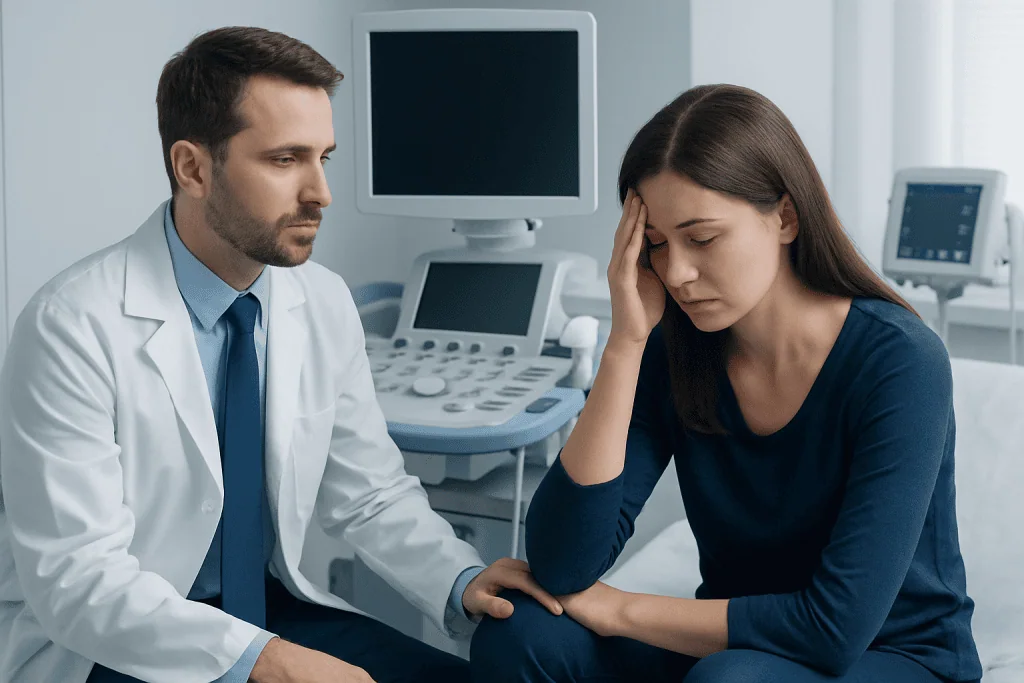
Abuse within a marriage or long-term partnership can affect both physical and mental health. Physical effects may include bruises, sprains, cuts, fractures, headaches, pelvic pain, gastrointestinal symptoms, sleep problems, and flare-ups of chronic conditions. Some people also develop unexplained symptoms linked to ongoing stress, such as fatigue, chest tightness, dizziness, or worsening blood pressure.
Mental health effects are also common. A person may feel anxious, depressed, constantly on edge, numb, ashamed, or unable to concentrate. Trauma reactions can include nightmares, intrusive memories, panic, and feeling unsafe even in everyday situations. In some cases, abuse contributes to depression or post-traumatic stress symptoms that deserve professional assessment and treatment.
Sexual and reproductive health can also be affected. Forced sexual activity, coercion around pregnancy, interference with contraception, and injury can lead to pain, infection concerns, bleeding, or pregnancy-related complications. Emotional abuse may also increase isolation, making it harder to seek care promptly.
- Physical abuse: hitting, pushing, choking, restraining, or throwing objects
- Emotional abuse: insults, humiliation, intimidation, threats, or constant criticism
- Sexual abuse: forced sex, unwanted touching, reproductive coercion
- Financial abuse: controlling money, preventing work, creating debt
- Digital abuse: tracking devices, checking phones, monitoring accounts
Signs It May Be Time to Contact a Hotline

People often contact a marital abuse hotline when something feels wrong, even if they are not sure it “counts” as abuse. Warning signs include feeling afraid of a spouse’s reaction, changing behavior to avoid conflict, being isolated from friends or family, having limited access to money or transportation, or being pressured into sex or medical decisions. Repeated blaming, threats related to children, immigration status, work, or reputation can also be important warning signs.
A hotline can be useful even when there has been no recent physical assault. It may help someone make sense of patterns, prepare a safer way to leave a dangerous situation, or find local counseling and legal information. Support can also be useful for family members or friends who are worried about someone they know.
If it is safe to do so, a person may want to think about practical details before reaching out, such as whether call logs are visible, whether a partner monitors devices, and where they can speak privately. Some people use a trusted friend’s phone, a clinic, a workplace resource, or a public device to reduce the chance of being monitored.
What to Expect When Reaching Out
When someone calls, texts, or chats with a hotline, the conversation is usually centered on immediate needs and safety. The responder may ask whether the person is in danger right now, whether there are injuries, whether children are involved, and whether there is a safe place to talk. They may then help the caller explore options rather than telling them what to do.
Common topics include making a safety plan, preserving important documents, finding emergency shelter, arranging transport, seeking medical attention, and learning about local support services. If the caller is not ready to leave, the hotline may still help with ways to lower risk, document abuse, and identify trusted contacts. This patient-centered approach can be especially important when fear, finances, culture, disability, or immigration concerns complicate decisions.
Confidentiality policies can vary by service and location, so it is reasonable to ask how information is handled before sharing details. A hotline generally does not replace emergency services. If there is immediate danger, serious injury, strangulation, or a life-threatening emergency, urgent local emergency assistance is appropriate.
When to Seek Medical Care
Medical care is important after any injury, forced sexual contact, choking or strangulation, loss of consciousness, severe pain, pregnancy-related concern, or worsening mental health symptoms. Even injuries that seem minor can become serious, and strangulation in particular can cause delayed complications involving breathing, the brain, or blood vessels. A clinician can assess visible and hidden injuries, document findings, and discuss treatment and follow-up.
People should also seek care for panic attacks, inability to sleep, thoughts of self-harm, heavy substance use to cope, or symptoms of anxiety or depression that interfere with daily life. Trauma-informed care may include emotional support, screening for head injury, treatment of wounds, testing for sexually transmitted infections when appropriate, and referral for counseling. Depending on the situation, a doctor may suggest psychiatric evaluation and support or psychotherapy as part of recovery.
Medical visits can also be a safe point of contact. Many clinics and hospitals can help with private assessment, injury documentation, and referral to social work or local violence support services. Acibadem International’s multidisciplinary specialists and JCI-accredited hospitals also care for international patients who need assessment of injuries, trauma-related symptoms, or coordinated follow-up.
Diagnosis, Documentation, and Health Assessment
There is no single test that diagnoses abuse, but healthcare professionals can evaluate its health effects and document injuries or trauma-related symptoms. This may involve a physical exam, photographs when appropriate and with consent, imaging for fractures or head injury, laboratory tests, and careful history-taking. For emotional impact, clinicians may screen for anxiety, depressive symptoms, sleep problems, or post-traumatic stress.
Documentation can be medically useful and may also help later if a person chooses to seek legal protection. Helpful records can include dates, descriptions of incidents, photos of injuries, damaged property, threatening messages, and names of witnesses. These should be stored as safely as possible, preferably in a secure place or account that an abusive partner cannot access.
For some patients, ongoing symptoms may need specialist evaluation. Examples include headaches after head trauma, pelvic pain after sexual assault, or persistent stress symptoms that interfere with functioning. In selected cases, doctors may recommend neurology assessment for head injury symptoms or other specialist care depending on the person’s needs.
Treatment, Recovery, and Support Options
Treatment focuses on the person’s immediate safety, physical healing, and emotional recovery. Physical care may involve wound treatment, pain management, evaluation for fractures, sexual health care, and follow-up for concussion or strangulation-related symptoms. Emotional recovery may include counseling, trauma-focused therapy, treatment of depression or anxiety, and practical social support.
Recovery is often gradual rather than linear. Some people feel relief after reaching out, while others feel fear, guilt, grief, or confusion. Supportive care aims to reduce risk and restore control, not to pressure a specific decision. Family physicians, emergency clinicians, mental health professionals, social workers, and victim advocates may all play a role.
For patients with severe anxiety, insomnia, panic, or trauma-related symptoms, a doctor may recommend structured mental health support. Depending on symptoms and local resources, this can include psychiatric care alongside counseling and community advocacy. The right plan depends on the person’s safety, preferences, cultural context, and medical needs.
Safety Planning and Self-Care
A personalized safety plan can help someone prepare for moments of increased risk. This might include identifying a safe room without weapons, planning an exit route, keeping keys and essential medications accessible, and agreeing on a code word with a trusted person. Important documents such as identification, health insurance details, bank information, children’s records, and prescriptions may be easier to retrieve quickly if copied or stored safely in advance.
Digital safety matters as well. If a partner monitors devices, a person may want to change passwords from a safe device, turn off location sharing, review app permissions, and use a private browser or trusted phone to contact support. A hotline can help tailor these steps to the individual’s situation.
Self-care during or after abuse is not a substitute for safety, but it can support recovery. Gentle routines such as regular meals, hydration, sleep support, movement, and contact with trusted people may help stabilize the nervous system. Counseling, support groups, and follow-up medical visits can also reduce isolation and support healing over time.
Frequently asked questions
What is a marital abuse hotline?
A marital abuse hotline is a confidential service that supports people experiencing abuse from a spouse or partner. It can help with safety planning, emotional support, and referrals to medical care, shelters, counseling, and local legal resources.
Can someone call a hotline even if there has been no physical violence?
Yes. Hotlines also support people facing emotional abuse, coercive control, sexual pressure, stalking, digital monitoring, or financial control. A person does not need visible injuries or a police report to ask for help.
Will a hotline tell someone to leave the relationship?
A hotline usually focuses on options and safety rather than giving orders. The goal is to help the person make informed decisions based on their own circumstances, risks, and readiness.
When should someone seek emergency help instead of only calling a hotline?
Emergency help is important if there is immediate danger, severe bleeding, trouble breathing, loss of consciousness, suicidal thoughts, or suspected strangulation. In those situations, local emergency services and urgent medical care are more appropriate than waiting.
Why is strangulation treated as a medical emergency?
Strangulation can cause serious internal injury even when there are few external marks. Breathing problems, voice changes, confusion, headache, neck pain, or loss of consciousness after choking should be assessed promptly by a doctor.
Can medical staff help document abuse?
Yes. Healthcare professionals can record injuries, symptoms, and examination findings in the medical record, and this may support ongoing care and future legal steps if the patient chooses. Documentation should always be handled with attention to privacy and safety.
This article is for general information only and is not a substitute for professional medical advice. Please consult a qualified doctor about your individual situation.
Explore treatments in Turkey — costs, top hospitals & a free quote
JCI-accredited · board-certified surgeons · reply within 24h
Add us as a Preferred Source to see more of our trusted health content across Google Search, AI Overviews and Discover.
Check your numbers in seconds
BMI, calories, due date, blood pressure and 30+ more clinical calculators — free, instant, doctor-reviewed ranges.

More from the Health Library

Concussion Test: A Complete Medical Overview

Snellen Chart: A Complete Medical Overview

Type C Personality: What Patients Need to Know

Sleeplessness Doctor: An Evidence-Based Guide for Patients
Black Tongue — Explained by Medical Evidence, Not Myths