Marrow Transplant Pain: Procedure, Recovery and Results

The stem cell infusion itself is often similar to a blood transfusion and is not usually painful. Pain and discomfort more commonly result from conditioning chemotherapy, radiation, mouth sores, gastrointestinal symptoms, or complications during low blood counts.
Key Takeaways
- The stem cell infusion itself is often similar to a blood transfusion and is not usually painful.
- Pain and discomfort more commonly result from conditioning chemotherapy, radiation, mouth sores, gastrointestinal symptoms, or complications during low blood counts.
- Recovery is gradual; the first 100 days require especially close follow-up, but immune recovery may continue for many months.
- Autologous and allogeneic transplants have different risks, recovery patterns, and long-term monitoring needs.
- New or worsening pain, fever, breathing difficulty, severe diarrhea, or inability to drink should be reported urgently to the transplant team.
Marrow transplant pain can arise from treatment before transplantation, mouth and digestive tract irritation, infections, and recovery-related symptoms rather than from the stem cell infusion itself. A transplant team monitors symptoms closely and uses individualized pain relief and supportive care throughout recovery.
Overview: what marrow transplant pain means
Marrow transplant pain is not usually caused by the infusion of blood-forming stem cells itself. The infusion is given through a vein or central line and often feels much like receiving a transfusion. Discomfort is more often linked to the intensive treatment given beforehand, the effects of very low blood counts, infections, inflammation, or side effects as the body recovers.
A bone marrow transplant, also called a hematopoietic stem cell transplant, replaces unhealthy or damaged blood-forming cells with healthy stem cells. It may be used for certain blood cancers, bone marrow failure disorders, inherited blood conditions, and selected immune disorders. The treatment plan and expected recovery depend on the underlying condition, the source of stem cells, age, general health, and whether the cells come from the person receiving treatment or a donor.
Pain should always be taken seriously, but it can often be relieved or reduced with prompt assessment and individualized care. The transplant team looks for the cause rather than simply treating the symptom, because pain can occasionally be an early sign of infection, medication effects, graft-versus-host disease, or another complication that needs treatment.
How the marrow transplant procedure works and who may be a candidate
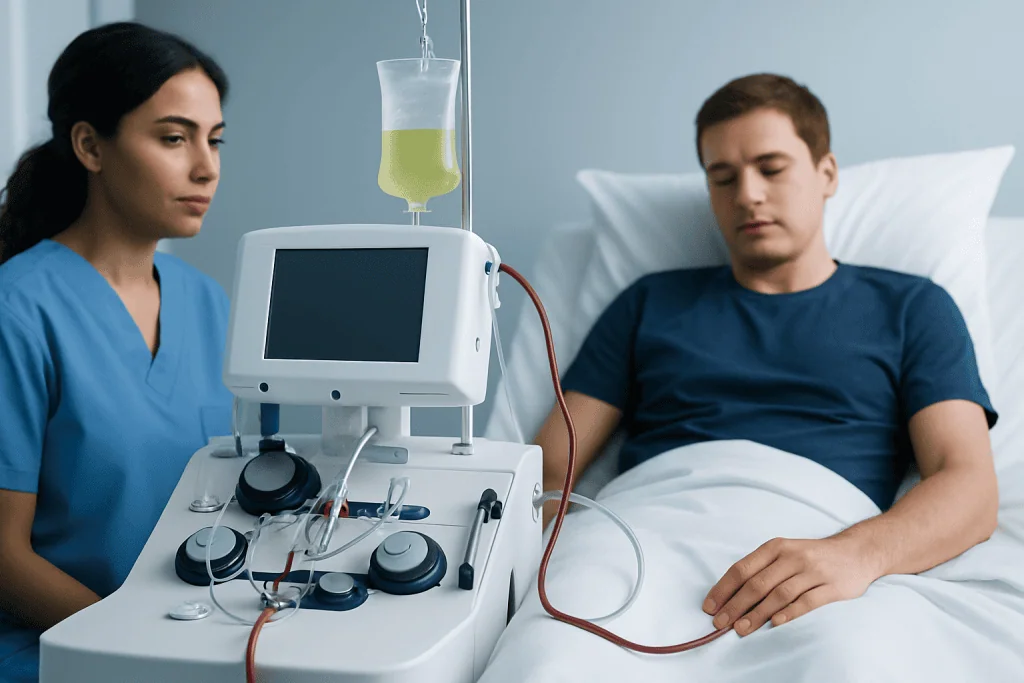
There are two main types of transplant. In an autologous transplant, a person’s own stem cells are collected, stored, and returned after high-dose treatment. In an allogeneic transplant, stem cells are provided by a related or unrelated donor whose tissue type is appropriately matched. A third, less common approach uses donor cells from umbilical cord blood.
Before transplantation, a multidisciplinary team considers the diagnosis, response to earlier treatment, disease risk, organ function, infection status, donor availability, and the person’s preferences and support system. A transplant is not appropriate for every person with a blood disorder or cancer; the potential benefit must be balanced carefully against short- and long-term risks.
The process commonly begins with assessment tests, including blood tests, heart and lung evaluation, imaging when needed, and dental review. Stem cells are then collected from blood, bone marrow, or cord blood. For many people, the most relevant treatment pathway is bone marrow transplantation, planned and delivered by a specialist hematology and transplant team.
Conditioning treatment follows. This may include chemotherapy, radiation therapy, or lower-intensity medicines that make space in the marrow and, for donor transplants, help the body accept donor cells. Conditioning is a frequent source of fatigue, nausea, appetite changes, mouth soreness, and other symptoms that can contribute to pain.
Step by step: what happens during transplantation

On transplant day, stem cells are infused into a vein through a central venous catheter. The procedure does not involve surgery to place cells directly into the bones. A person is awake during the infusion, and clinicians monitor blood pressure, pulse, temperature, and any reaction. Some people notice a temporary unusual taste or smell, particularly when previously frozen cells are used.
After infusion, the cells travel through the bloodstream and settle in the bone marrow spaces, where they begin producing new blood cells. This process is called engraftment. Until engraftment occurs, blood cell counts remain low, so protective measures, transfusions, antibiotics or antiviral medicines, and frequent testing may be needed.
The most intensive inpatient or closely supervised period often lasts several weeks, although the exact marrow transplant recovery time differs substantially. During this phase, clinicians focus on infection prevention, nutrition and hydration, nausea control, blood product support, sleep, emotional wellbeing, and bone marrow transplant pain management.
In an allogeneic transplant, medicines that suppress immune activity are typically used to reduce the risk of graft-versus-host disease. These medicines require careful follow-up because they can affect infection risk, blood pressure, kidney function, and other aspects of health.
How do you feel after a bone marrow transplant?
How a person feels after a bone marrow transplant varies from day to day. Tiredness is very common and may be profound, especially while red blood cells are low and while the body is healing from conditioning therapy. Weakness, poor appetite, nausea, altered taste, sleep disruption, and low mood can also occur.
Pain may involve the mouth and throat, abdomen, skin, muscles, joints, or areas affected by infection or inflammation. Mouth sores, known as mucositis, can make eating and swallowing painful after chemotherapy or radiation. Some people also develop abdominal cramping or diarrhea, while others experience aches related to inactivity, medication effects, or the underlying disease.
Effective pain care may include regular assessment, prescription pain medicines, treatments for mouth sores, anti-nausea medicines, nutrition support, gentle movement when safe, and psychological support. A person should not wait until pain becomes severe before telling the team. Early treatment can improve comfort, sleep, nutrition, and the ability to take part in recovery.
Because fever can be the only early sign of infection during low blood counts, any fever or feeling suddenly unwell should be reported immediately, even if pain seems mild. The transplant team will give individual instructions about temperatures, emergency contact numbers, and medicines to avoid.
Recovery milestones: what happens at 100 days and at 6 months?
What happens 100 days after a bone marrow transplant? The first 100 days are often considered an important early recovery period, particularly after an allogeneic transplant. By this time, many people have achieved engraftment and are attending regular outpatient reviews, but immune defenses may still be reduced. The team checks blood counts, organ function, medication effects, infection risk, disease response, nutrition, and signs of acute graft-versus-host disease.
At this stage, some people are steadily regaining strength, while others still need transfusions, treatment for infection, or management of fatigue, gastrointestinal symptoms, skin changes, or pain. Follow-up tests may include blood tests, bone marrow testing, imaging, or disease-specific monitoring. Progress should be judged against the individual care plan rather than a fixed timetable.
What happens 6 months after a stem cell transplant? At six months, many people are more active and may be gradually returning to everyday routines, depending on their condition and transplant type. However, tiredness can persist, and immune recovery may remain incomplete. People who had donor-cell transplants may still be taking immune-suppressing medicines and may be monitored for chronic graft-versus-host disease.
Vaccinations are commonly restarted according to a transplant-specific schedule once the team considers it safe. The care team may also advise on food safety, travel, school or work, sun protection, physical rehabilitation, fertility concerns, and emotional recovery. Continuing follow-up is essential because some effects can appear months or years after treatment.
Benefits, risks, and is a bone marrow transplant worth it?
Is a bone marrow transplant worth it? For some people, transplantation offers the best opportunity to cure a disease, achieve long-term control, restore bone marrow function, or reduce the risk of relapse. For others, its role may be to extend remission or provide an option when standard treatments have not worked. Whether it is worthwhile is a personal medical decision made with the transplant team after considering expected benefit, alternatives, risks, and personal goals.
Potential risks include severe infections, bleeding during low platelet counts, organ toxicity, infertility, cataracts, secondary cancers, relapse of the original disease, and prolonged fatigue. In an allogeneic transplant, graft-versus-host disease can occur when donor immune cells attack healthy tissues. It may affect the skin, liver, digestive system, eyes, mouth, lungs, or other organs.
Risk is influenced by factors such as the underlying diagnosis, disease status, donor match, conditioning intensity, age, and pre-existing health conditions. A careful discussion should include the expected outcome without transplant, alternative treatments, likely hospitalization and recovery needs, and the practical support required at home.
For people being treated for blood cancers, transplant planning may form part of broader leukemia care or treatment for related hematological diseases. Decisions are best made with hematologists, transplant physicians, infectious disease specialists, nutrition professionals, pharmacists, psychologists, and rehabilitation teams as needed.
Pain management, self-care, and when to seek medical care
Bone marrow transplant pain management is individualized. The team may use different forms of pain relief based on the cause and severity of symptoms, while also treating contributors such as infection, constipation, mouth inflammation, nerve irritation, or graft-versus-host disease. It is important to use only medicines approved by the transplant team, as some over-the-counter products can increase bleeding risk, affect kidneys, or interact with prescribed treatment.
At home, people may benefit from a simple symptom diary that records pain location, severity, timing, triggers, temperature, bowel symptoms, food and fluid intake, and medicines taken. Regular small meals, mouth care instructions, gentle activity if approved, rest, and support from family or caregivers can all help recovery. Infection precautions and dietary guidance should be followed exactly as advised by the transplant center.
When to seek medical care: Contact the transplant team urgently for fever or chills, new or worsening pain, shortness of breath, chest pain, confusion, a new rash, persistent vomiting, severe diarrhea, bleeding, painful urination, inability to keep fluids down, or sudden weakness. Emergency assessment is especially important during periods of low blood counts or while taking immune-suppressing medicines.
Acibadem International’s multidisciplinary specialists and JCI-accredited hospitals assess and treat transplant-related conditions for international patients. Ongoing care should remain coordinated with the treating transplant center, particularly when symptoms arise during recovery.
Frequently asked questions
Is the bone marrow transplant infusion painful?
The stem cell infusion is usually not painful and is commonly compared with a blood transfusion. It is delivered through a vein or central line while the clinical team monitors for reactions. Pain is more often caused by conditioning treatment, mouth sores, infections, or other recovery-related complications.
How long does pain last after a marrow transplant?
The duration depends on its cause. Symptoms from conditioning treatment and low blood counts may improve as the marrow engrafts, but fatigue and some types of discomfort can last for weeks or months. Persistent, new, or worsening pain should be assessed by the transplant team.
Why do bones hurt after a stem cell transplant?
Bone or body aches can have several explanations, including medications, inactivity, infection, inflammation, or recovery of blood cell production. Some medicines used before stem cell collection can also cause temporary bone pain. A clinician should evaluate new pain to identify the cause and provide appropriate treatment.
Can a person go home after a bone marrow transplant?
Many people leave hospital once blood counts are recovering, symptoms are controlled, and they can safely take medicines, eat or drink adequately, and attend close follow-up. The timing varies widely by transplant type, complications, and local care arrangements. Regular outpatient monitoring remains necessary after discharge.
What are the signs of graft-versus-host disease?
Possible signs include a new rash, jaundice, nausea, vomiting, abdominal pain, diarrhea, dry or painful eyes, mouth changes, or shortness of breath. These symptoms can also have other causes, but they should be reported promptly, especially after an allogeneic transplant. Early review helps the team investigate and manage symptoms appropriately.
When does the immune system recover after a stem cell transplant?
Blood counts may begin recovering within weeks after engraftment, but full immune recovery often takes many months and can take longer after a donor transplant. Immune-suppressing medicines, graft-versus-host disease, and infections can slow recovery. The transplant team advises when activities, travel, vaccinations, and exposure precautions can be adjusted.
References
- National Cancer Institute
- American Society of Hematology
- Centers for Disease Control and Prevention
- European Society for Blood and Marrow Transplantation
- National Marrow Donor Program
This article is for general information only and is not a substitute for professional medical advice. Please consult a qualified doctor about your individual situation.
Explore treatments in Turkey — costs, top hospitals & a free quote
JCI-accredited · board-certified surgeons · reply within 24h
Add us as a Preferred Source to see more of our trusted health content across Google Search, AI Overviews and Discover.
Check your numbers in seconds
BMI, calories, due date, blood pressure and 30+ more clinical calculators — free, instant, doctor-reviewed ranges.