Mastectomy Pillow: How It Works, Recovery, and What to Expect

A mastectomy pillow helps reduce pressure on the chest and underarm after breast surgery. It is commonly used after mastectomy, lumpectomy, reconstruction, and some lymph node procedures.
Key Takeaways
- A mastectomy pillow helps reduce pressure on the chest and underarm after breast surgery.
- It is commonly used after mastectomy, lumpectomy, reconstruction, and some lymph node procedures.
- The pillow can improve comfort during sleep, car rides, coughing, and everyday arm movement.
- It should be used alongside, not instead of, the surgeon’s wound care and activity instructions.
- New pain, fever, redness, swelling, or drainage should be assessed by a doctor.
A mastectomy pillow is a small support pillow designed to protect the chest and underarm area after breast surgery. It does not treat the underlying condition, but it can make movement, rest, travel, and early recovery more comfortable while tissues heal.
Overview: What a Mastectomy Pillow Does
A mastectomy pillow is a soft, shaped cushion worn or positioned across the chest after breast surgery. Its main purpose is simple: it creates a gentle barrier between the surgical area and outside pressure from seat belts, arms, clothing, bedding, or sudden movements. For many patients, this added protection makes the first days and weeks of recovery feel more manageable.
Although the name refers to mastectomy, these pillows may also be used after lumpectomy, breast reconstruction, breast reduction, lymph node surgery, or other procedures involving the chest and underarm. They do not speed healing in a direct medical sense, but they can support comfort, reduce strain during daily activities, and help a person move with more confidence while healing.
Recovery needs vary from person to person. Some people use the pillow mainly in the car or while sleeping, while others prefer it throughout the day when walking, resting, or protecting drains and dressings. The pillow is best thought of as a practical recovery aid that complements the surgeon’s instructions rather than replacing any part of medical aftercare.
How It Works
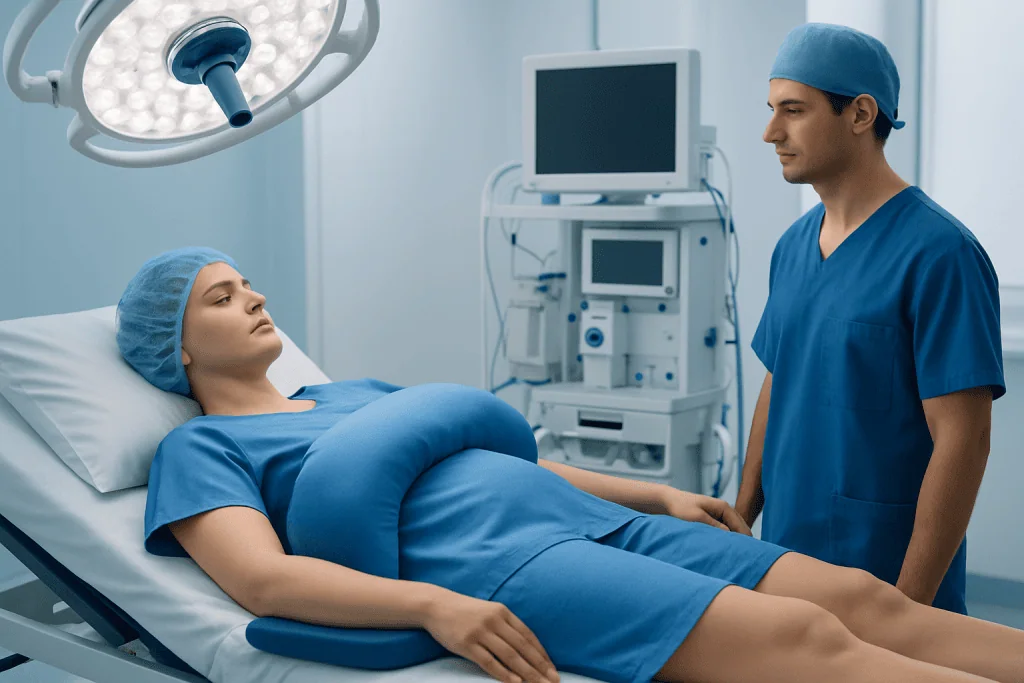
After breast surgery, the chest wall, skin, muscles, and nearby soft tissues can be sore, swollen, or sensitive. If lymph nodes were removed, the underarm may feel especially tender. A mastectomy pillow works by spreading pressure over a wider, padded surface so that accidental contact is less uncomfortable. This can be helpful when getting up from a chair, wearing a seat belt, holding the arms close to the body, or turning during sleep.
Many designs include curved sides or small “wings” that sit near the underarms. This shape can reduce rubbing against incision sites and provide light cushioning where the upper arm meets the chest. Some pillows also have straps or pockets, making them easier to keep in place during walking or travel, though the exact design matters less than whether it feels supportive and does not press too firmly on healing tissues.
The pillow may also help people relax the shoulders instead of holding the upper body rigidly out of fear of pain. This matters because guarded posture can lead to extra neck, back, and shoulder discomfort. Used correctly, the pillow supports comfort during normal recovery while encouraging safer, easier movement within the limits set by the surgical team.
Who May Benefit From a Mastectomy Pillow
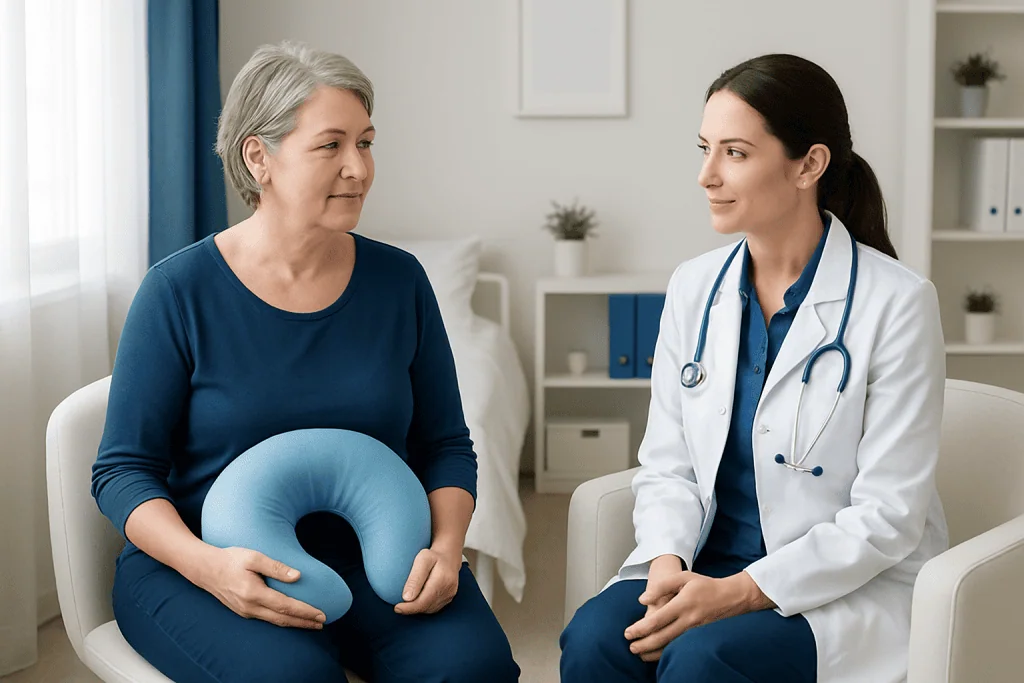
A mastectomy pillow may be useful for anyone recovering from surgery on the breast or nearby lymph nodes. This includes people who have had a single or double mastectomy, breast-conserving surgery, immediate or delayed reconstruction, implant-based surgery, tissue flap reconstruction, or axillary lymph node procedures. It may also be helpful after port placement or chest procedures when the area feels sensitive, though a doctor should confirm whether it is appropriate in each case.
Patients often find it especially helpful if they are experiencing tenderness with car travel, trouble finding a comfortable sleeping position, or discomfort when the arms rest against the chest. People with surgical drains may also appreciate the barrier the pillow provides, although care is still needed to avoid tugging on tubing.
Not every patient needs one. Some recover comfortably with regular pillows, rolled towels, or positioning techniques taught by their care team. The best candidates are those who feel better with light cushioning and extra protection. The pillow should not be used if it causes noticeable pressure, worsens pain, interferes with breathing, or goes against the surgeon’s instructions.
Because breast surgery is often part of a broader care plan, some patients may also be learning about breast cancer treatment and recovery at the same time. In that setting, comfort aids such as a mastectomy pillow can be one small but meaningful part of day-to-day support.
Using a Mastectomy Pillow: Step by Step
Most people begin using a mastectomy pillow soon after surgery, once they are awake and moving with assistance if needed. It is usually placed across the front of the chest, with the softer edges extending toward the underarms. The pillow should rest gently against the body rather than being tightly strapped or compressed. If there are drains, dressings, or a surgical bra, the pillow should sit around them without pulling or bunching.
At home, the pillow can be used in several common situations:
- During car rides, between the chest and seat belt
- While sleeping or resting, to prevent rolling and accidental pressure
- When coughing, sneezing, or laughing, for gentle support
- When walking, if arm swing or clothing rubs on the chest
- When sitting up, to reduce contact between the arms and the sides of the chest
Patients should check the skin and incision area regularly, especially if sensation is reduced after surgery. The pillow should be clean, breathable, and comfortable against the skin. It should not replace medically advised compression garments, wound dressings, or post-operative bras.
For people preparing for or recovering from surgery, it can also be helpful to review the basics of mastectomy and related breast cancer surgery so that comfort measures fit into the wider recovery plan set by the surgical team.
Recovery Timeline, Benefits, and Possible Limitations
The first one to two weeks after surgery are usually when a mastectomy pillow is used most often. During this period, swelling, tenderness, and movement-related discomfort are often at their highest. Many patients use it daily for travel, sleep, and resting in a chair. As pain and sensitivity improve, some continue using it only for specific situations, such as longer car rides or bedtime.
Common benefits include less direct pressure on the chest, improved comfort with arm positioning, greater confidence during movement, and reduced irritation from a seat belt. Some patients also feel more secure emotionally with a physical buffer over the surgical area. That sense of protection can make routine activities feel less daunting in early recovery.
Still, a mastectomy pillow has limitations. It does not prevent all pain, treat swelling on its own, or lower the risk of complications such as infection or seroma. It cannot correct restricted shoulder motion, which may require guided exercises or rehabilitation. If discomfort is increasing instead of improving, the answer is not simply to use more padding; it is important to check with the medical team.
For some patients, recovery may also include breast reconstruction, which can change positioning needs, garment use, and the length of time extra cushioning feels helpful. Following procedure-specific advice always matters more than general product guidance.
Risks, Safety Tips, and Self-Care
A mastectomy pillow is generally low risk, but safe use still matters. The main concern is unwanted pressure on healing tissue. The pillow should never feel heavy, tight, or restrictive. If it presses on the incision, causes numbness, traps heat against the skin, or makes breathing less comfortable, it should be repositioned or stopped until a clinician advises otherwise.
Cleanliness is also important. A washable cover can help reduce irritation from sweat, skin products, or wound-area sensitivity. If there are open areas, drainage, or fresh dressings, patients should ask their surgical team how close any fabric should come to the incision and when normal washing or fabric contact is appropriate.
Other helpful self-care steps often include taking pain medicine as directed, walking gently, avoiding heavy lifting until cleared, and performing any prescribed shoulder or arm exercises. Good posture, hydration, and restful sleep can also support recovery. Patients should not use the pillow as a substitute for medical follow-up or to push through activities before they are ready.
Near the end of recovery planning, some people benefit from a coordinated review of surgery, pathology, rehabilitation, and longer-term follow-up. Acibadem International’s multidisciplinary specialists and JCI-accredited hospitals diagnose and treat breast conditions for international patients, including surgical care and aftercare planning when appropriate.
When to Seek Medical Care
A mastectomy pillow should make recovery more comfortable, not mask warning signs. Patients should contact their doctor if pain is suddenly worse, the chest becomes more swollen or tight, or the pillow that once felt comfortable now causes noticeable pressure because the area has changed.
Medical advice is also important for fever, increasing redness, warmth, pus-like drainage, bleeding, a bad smell from the wound, or separation of the incision. These symptoms can suggest infection or another surgical complication that needs prompt assessment.
Shortness of breath, chest pain, calf swelling, severe dizziness, or one-sided arm swelling also need medical attention right away. If there is any uncertainty about what is normal in recovery, it is safer to ask a qualified clinician than to rely on a product alone.
Frequently asked questions
What is a mastectomy pillow used for?
A mastectomy pillow is used to cushion the chest and underarm after breast surgery. It can reduce discomfort from seat belts, arm movement, bedding, and gentle daily activities while the area heals.
When should someone start using a mastectomy pillow?
Many people begin using it soon after surgery, especially during travel home, rest, and sleep. The timing can vary depending on the procedure and the surgeon’s advice, so it is best to follow the discharge instructions.
How long is a mastectomy pillow needed?
Some patients use it mainly during the first one to two weeks, while others prefer it longer for sleeping or car rides. Use usually decreases as tenderness and swelling improve.
Can a regular pillow be used instead of a mastectomy pillow?
Yes, in some cases a regular small pillow can provide enough cushioning. A mastectomy pillow may simply fit the chest and underarm area more comfortably and stay in place more easily.
Does a mastectomy pillow help with drains?
It may help protect the area around drains by reducing accidental bumps or rubbing. However, it should never pull on the tubing or replace careful drain management taught by the care team.
Can a mastectomy pillow prevent complications?
No, it is a comfort and support tool rather than a medical treatment. It does not prevent infection, fluid buildup, or blood clots, so follow-up care and symptom monitoring remain essential.
References
- American Cancer Society
- National Cancer Institute
- Centers for Disease Control and Prevention
- Breastcancer.org
- National Health Service
This article is for general information only and is not a substitute for professional medical advice. Please consult a qualified doctor about your individual situation.
Explore treatments in Turkey — costs, top hospitals & a free quote
JCI-accredited · board-certified surgeons · reply within 24h
Add us as a Preferred Source to see more of our trusted health content across Google Search, AI Overviews and Discover.