Maurice Gibb Cause of Death: An Evidence-Based Guide for Patients

Maurice Gibb died after cardiac arrest associated with complications of intestinal volvulus. A volvulus happens when part of the intestine twists, blocking the passage of food, fluid, and blood supply.
Key Takeaways
- Maurice Gibb died after cardiac arrest associated with complications of intestinal volvulus.
- A volvulus happens when part of the intestine twists, blocking the passage of food, fluid, and blood supply.
- Common warning signs include severe abdominal pain, bloating, vomiting, and inability to pass stool or gas.
- Bowel obstruction is a medical emergency because delayed treatment can lead to tissue death, infection, or shock.
- Prompt diagnosis and treatment can improve outcomes and may involve imaging, supportive care, and surgery.
Maurice Gibb’s cause of death was cardiac arrest after complications related to a twisted intestine, also called intestinal volvulus, which caused bowel obstruction and required emergency surgery. For patients, the key medical point is that a sudden blockage of the intestine can become life-threatening quickly and needs urgent evaluation.
Overview: What Maurice Gibb’s Cause of Death Means Medically
Maurice Gibb’s cause of death has been widely reported as cardiac arrest that occurred after complications of a twisted intestine. In medical terms, this twisting is often called intestinal volvulus. It can create a bowel obstruction, meaning the intestine becomes blocked and, in some cases, loses part of its blood supply.
For patients and families, the important point is that a volvulus is not simply a stomach upset. It is a potentially serious abdominal emergency that can progress rapidly. When the bowel is obstructed or deprived of blood flow, the body can become severely stressed, and dangerous complications such as infection, sepsis, shock, and cardiac arrest may follow.
Cardiac arrest means the heart suddenly stops pumping effectively. It is usually the final event in a chain of severe illness rather than the original cause itself. In this case, the underlying problem was the bowel emergency, which likely triggered life-threatening complications throughout the body.
This article explains the condition in patient-friendly terms, including what a twisted intestine is, how it can become dangerous, what symptoms may appear, and when urgent medical care is needed.
What Is a Twisted Intestine or Volvulus?
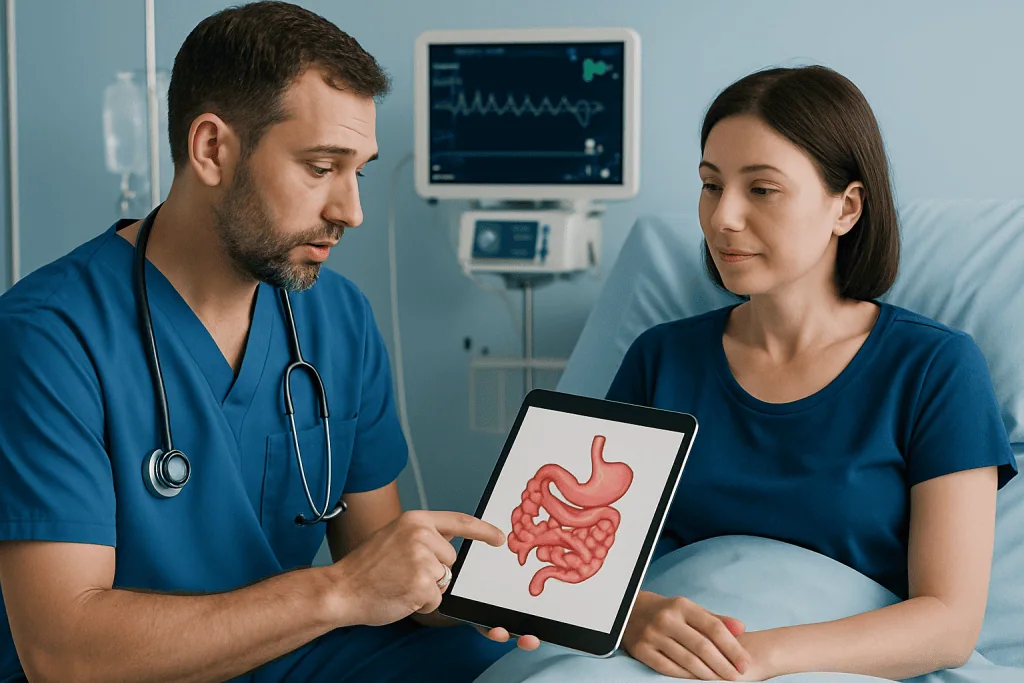
A volvulus occurs when a loop of intestine twists around itself and the tissue that supports it. This twisting can block the normal movement of food, gas, and fluid through the bowel. It may also squeeze the blood vessels that supply the intestine, which raises the risk of tissue damage.
Volvulus can happen in different parts of the digestive tract, but it is most often discussed in the small intestine or colon. If blood flow is reduced for too long, part of the bowel can become ischemic, meaning it does not get enough oxygen. This can then progress to tissue death or perforation, where a hole forms in the bowel wall.
Although some digestive symptoms improve on their own, a volvulus generally does not. It often needs urgent hospital assessment and may require surgery. Related conditions that specialists evaluate include bowel obstruction and colon conditions that may contribute to blockage, depending on the individual situation.
Not every bowel obstruction is caused by volvulus. Other causes include scar tissue from prior surgery, hernias, inflammation, tumors, or severe constipation. Still, volvulus is one of the more urgent causes because it can cut off blood supply as well as cause blockage.
Symptoms and Warning Signs

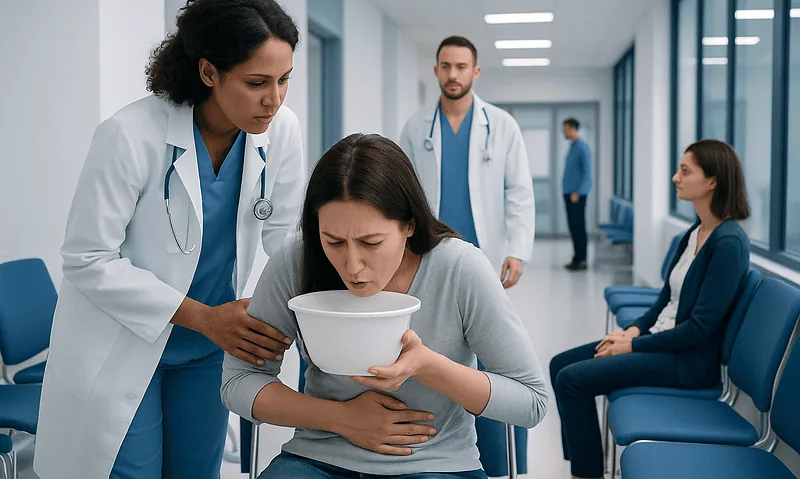
The symptoms of a twisted intestine can begin suddenly and may become intense over a short period. The most common symptom is abdominal pain, which may be severe, cramping, constant, or worsening. Some people also develop swelling or bloating of the abdomen.
Because the intestine is blocked, nausea and vomiting are common. A person may also be unable to pass stool or gas, which can be an important clue that the bowel is not moving normally. As the condition progresses, dehydration, weakness, and rapid heart rate may develop.
- Severe or worsening abdominal pain
- Noticeable abdominal bloating or distension
- Nausea and repeated vomiting
- Inability to pass gas or stool
- Fever, weakness, dizziness, or fainting in severe cases
If the blood supply to the bowel is threatened, symptoms can become more alarming. The abdomen may become very tender, and the person may appear pale, sweaty, confused, or extremely unwell. These signs suggest a medical emergency and should not be ignored.
How a Bowel Emergency Can Lead to Cardiac Arrest
Many people wonder how an intestinal problem can be connected to cardiac arrest. The answer is that severe abdominal emergencies can affect the entire body. When the bowel is obstructed, fluid can build up inside the intestine, leading to dehydration and electrolyte imbalance. If blood flow is cut off, the damaged tissue can release inflammatory chemicals into the bloodstream.
As the condition worsens, infection or sepsis may develop, especially if the bowel becomes perforated. Blood pressure can fall, organs may not receive enough oxygen, and the heart may be placed under severe strain. In the most serious cases, this can lead to shock and then cardiac arrest.
Cardiac arrest is therefore best understood as the final life-threatening event, while the volvulus and its complications are the underlying cause. This distinction matters because it shows why early diagnosis of bowel symptoms can be so important. Prompt treatment may prevent the cascade of complications that affect the heart and other organs.
Patients with severe abdominal symptoms sometimes need intensive monitoring, imaging, IV fluids, antibiotics, and emergency procedures. In advanced cases, specialists may coordinate care with teams experienced in general surgery and critical care.
Causes, Risk Factors, and Who May Be Affected
Volvulus can happen for different reasons. In some people, the intestine may be positioned in a way that makes twisting more likely. In others, chronic constipation, an enlarged colon, prior abdominal surgery, scar tissue, or certain structural problems may increase risk.
Age can also matter. Some forms of volvulus are more common in older adults, while others are seen in infants or younger people with congenital abnormalities. Neurologic conditions, reduced mobility, and illnesses that affect normal bowel movement patterns may also play a role in some cases.
Risk factors do not mean a person will definitely develop a volvulus, but they can help explain why some people are more vulnerable. Doctors consider a patient’s age, medical history, prior operations, bowel habits, and current symptoms when assessing risk.
Sometimes, the underlying cause is not fully clear until tests or surgery are performed. If a blockage is suspected, doctors may also evaluate for other digestive disorders and may use tools such as colonoscopy later on when it is safe and clinically appropriate.
Diagnosis and Treatment Options
Doctors diagnose suspected bowel obstruction or volvulus using a combination of symptoms, physical examination, blood tests, and imaging. A swollen or tender abdomen, absent bowel movements, vomiting, and severe pain may raise concern. Imaging studies such as X-rays or advanced imaging can help identify where the blockage is and whether there are signs of bowel injury.
Early treatment usually starts with supportive care in hospital. This may include IV fluids to correct dehydration, medications for pain or nausea, and sometimes a tube through the nose into the stomach to reduce pressure. Antibiotics may be used if there is concern for infection or perforation.
In some cases, a doctor can try to relieve certain types of volvulus using an endoscopic procedure. However, many patients need surgery, especially if there are signs that the bowel’s blood supply is compromised, the bowel is perforated, or the obstruction cannot be safely relieved without an operation.
Surgical treatment may involve untwisting the intestine, removing damaged bowel, or correcting the underlying anatomical problem to reduce the chance of recurrence. The best approach depends on the location of the volvulus, the patient’s overall health, and how advanced the condition is at the time of diagnosis.
When to Seek Medical Care
Anyone with severe, sudden, or worsening abdominal pain should seek medical care promptly, especially if the pain is accompanied by bloating, persistent vomiting, or inability to pass stool or gas. These symptoms can signal bowel obstruction or another urgent abdominal condition. It is safer to be evaluated early than to wait for symptoms to pass.
Emergency care is especially important if there is fainting, confusion, fever, a rigid or very tender abdomen, blood in the stool, rapid heartbeat, or signs of dehydration. Older adults, people with major medical conditions, and anyone recovering from abdominal surgery should be assessed without delay if concerning symptoms develop.
Patients should not try to self-treat severe obstruction symptoms with laxatives or home remedies. These may delay proper treatment and can be unsafe in some situations. A qualified doctor can determine whether the problem is a temporary digestive upset or a true emergency.
Near the end of the care pathway, some patients may need coordinated evaluation from gastroenterology, radiology, anesthesia, and surgery teams. Acibadem International’s multidisciplinary specialists in JCI-accredited hospitals diagnose and treat complex digestive emergencies for international patients when advanced care is needed.
Prevention, Recovery, and Long-Term Outlook
Not every case of volvulus can be prevented, but general digestive health measures may help reduce some risks. These include staying well hydrated, maintaining regular bowel habits, discussing chronic constipation with a doctor, and following up appropriately after abdominal surgery or known bowel disorders. Prevention is most effective when underlying risk factors are recognized early.
Recovery depends on how quickly the condition is diagnosed and whether the bowel has been damaged. People treated before blood flow is severely affected often recover better than those who present later with infection, perforation, or shock. After treatment, doctors may recommend diet changes, monitoring, or further testing to understand why the obstruction happened.
Some patients worry that a single episode means future problems are inevitable. That is not always the case. However, follow-up care is important because recurrence can happen in some forms of volvulus, and any new symptoms should be assessed promptly.
When people search for “maurice gibb cause of death,” the lasting medical lesson is not only about a public figure’s final illness. It is also a reminder that severe abdominal symptoms deserve urgent attention, because bowel obstruction can become life-threatening if diagnosis and treatment are delayed.
Frequently asked questions
What was Maurice Gibb’s cause of death?
Maurice Gibb’s cause of death was widely reported as cardiac arrest resulting from complications of a twisted intestine, also called volvulus. The cardiac arrest was the final event, while the underlying medical problem was the bowel emergency.
What is intestinal volvulus?
Intestinal volvulus is a condition in which part of the intestine twists on itself. This can block the bowel and may also reduce blood flow, making it a potentially serious medical emergency.
Can bowel obstruction really become life-threatening?
Yes. If the bowel stays blocked, fluid loss, infection, and reduced blood flow can lead to tissue damage, shock, or sepsis. That is why severe symptoms should be evaluated urgently.
What symptoms suggest a twisted intestine?
Common symptoms include sudden or severe abdominal pain, bloating, nausea, vomiting, and inability to pass stool or gas. A person may also feel weak, dehydrated, or increasingly unwell as the condition worsens.
How do doctors diagnose a volvulus?
Doctors usually diagnose it by reviewing symptoms, examining the abdomen, and ordering imaging tests such as abdominal X-rays or other scans. Blood tests may also help show dehydration, infection, or other complications.
Is surgery always needed for volvulus?
Not always, but many cases do require urgent surgery, especially if the bowel’s blood supply is affected or the obstruction cannot be safely relieved in another way. The treatment plan depends on the location and severity of the problem.
References
- National Institute of Diabetes and Digestive and Kidney Diseases
- MedlinePlus
- Cleveland Clinic
- Mayo Clinic
- National Health Service
This article is for general information only and is not a substitute for professional medical advice. Please consult a qualified doctor about your individual situation.
Persistent digestive symptoms? Get evaluated in Turkey
JCI-accredited · board-certified surgeons · reply within 24h
Add us as a Preferred Source to see more of our trusted health content across Google Search, AI Overviews and Discover.
Check your numbers in seconds
BMI, calories, due date, blood pressure and 30+ more clinical calculators — free, instant, doctor-reviewed ranges.