Md Hair: What Patients Need to Know

md hair commonly describes medically supervised evaluation and treatment for hair and scalp problems. Hair shedding and hair thinning can have many causes, including genetics, stress, hormones, nutrition, and scalp disease.
Key Takeaways
- md hair commonly describes medically supervised evaluation and treatment for hair and scalp problems.
- Hair shedding and hair thinning can have many causes, including genetics, stress, hormones, nutrition, and scalp disease.
- A diagnosis often relies on medical history, scalp examination, and sometimes blood tests or a scalp biopsy.
- Treatment depends on the cause and may include medicines, scalp care, nutritional correction, or procedures such as hair transplantation.
- Sudden patchy loss, scalp pain, scarring, or hair loss with other symptoms should be assessed by a doctor.
md hair usually refers to a medical approach to hair and scalp concerns rather than a single diagnosis. For patients, it means understanding why hair is shedding or thinning, getting the right evaluation, and choosing treatment based on the cause.
Overview: what “md hair” means
md hair is not a formal medical diagnosis. Patients usually use the term to mean doctor-led hair care, medical evaluation for hair loss, or treatments supervised by a dermatologist or hair-restoration specialist. In simple terms, it refers to approaching hair concerns as a health issue rather than only a cosmetic one.
This matters because hair loss is a symptom with many possible causes. Some are temporary and reversible, such as stress-related shedding or low iron. Others, such as hereditary pattern hair loss, are long-term but manageable. A medical assessment helps identify the likely reason and guide appropriate treatment.
Hair problems can affect appearance, confidence, and daily well-being. A reassuring point for many patients is that several forms of hair loss can improve once the underlying trigger is found. Even when full reversal is not possible, early care may help slow progression and support healthier scalp and hair growth.
How normal hair growth works
Understanding the hair cycle helps explain why shedding happens. Each hair follicle goes through a growth phase, a transition phase, and a resting phase before the hair sheds and a new one begins to grow. Because follicles are on different schedules, some daily shedding is normal.
Problems arise when more hairs than usual shift into the resting phase, when follicles become smaller over time, or when inflammation damages the scalp. This can lead to overall thinning, a widening part line, receding hairline, patchy loss, or fragile hair that breaks more easily.
Medical care focuses on what is interrupting this cycle. For example, pattern hair loss gradually shortens the growth phase and miniaturizes follicles. In contrast, stress-related shedding often pushes many follicles into a resting phase at once, causing increased hair fall a few months later.
Common signs and symptoms

People seek help for md hair concerns in different ways. Some notice more strands on the pillow, in the shower, or on a hairbrush. Others are more concerned about visible thinning, reduced ponytail volume, a receding hairline, or a patchy area where the scalp shows through.
Symptoms may also involve the scalp itself. Itching, scaling, redness, tenderness, burning, or acne-like bumps can point to a scalp disorder rather than simple cosmetic hair thinning. Hair texture may change as well, becoming drier, finer, or more fragile.
- Diffuse shedding across the whole scalp
- Gradual thinning at the crown or temples
- Patchy round areas of hair loss
- Hair breakage rather than root shedding
- Scalp itching, flaking, pain, or redness
The pattern can offer clues, but symptoms alone do not confirm the cause. Similar-looking thinning may come from very different conditions, so self-diagnosis can be misleading.
Causes and risk factors
One of the most common reasons for long-term thinning is hereditary pattern hair loss, also called androgenetic alopecia. It can affect both men and women and often develops gradually over years. In some cases, patients may benefit from specialist care for hair loss.
Another common cause is telogen effluvium, a temporary increase in shedding that can happen after physical or emotional stress. Triggers include illness, major surgery, childbirth, rapid weight loss, nutritional deficiency, or certain medicines. Shedding often starts a few months after the trigger, which can make the connection easy to miss.
Hormonal and medical conditions also matter. Thyroid disorders, iron deficiency, low protein intake, and some autoimmune diseases can affect hair growth. Patchy loss may occur with alopecia areata, while inflammation, fungal infection, or scarring disorders can damage the scalp and require prompt treatment.
Hair practices can contribute too. Tight hairstyles, frequent heat styling, harsh chemical processing, or repeated traction may weaken hair or injure follicles. Risk factors vary by the underlying cause, but family history, age, nutritional status, hormones, recent stressors, and scalp health are all important pieces of the picture.
How doctors diagnose hair and scalp problems
An md hair evaluation usually begins with a detailed history. The doctor may ask when shedding started, whether it is sudden or gradual, whether there was recent illness or stress, what medications are being taken, and whether there is a family history of hair loss. Questions about diet, menstrual history, and hair styling habits can also be relevant.
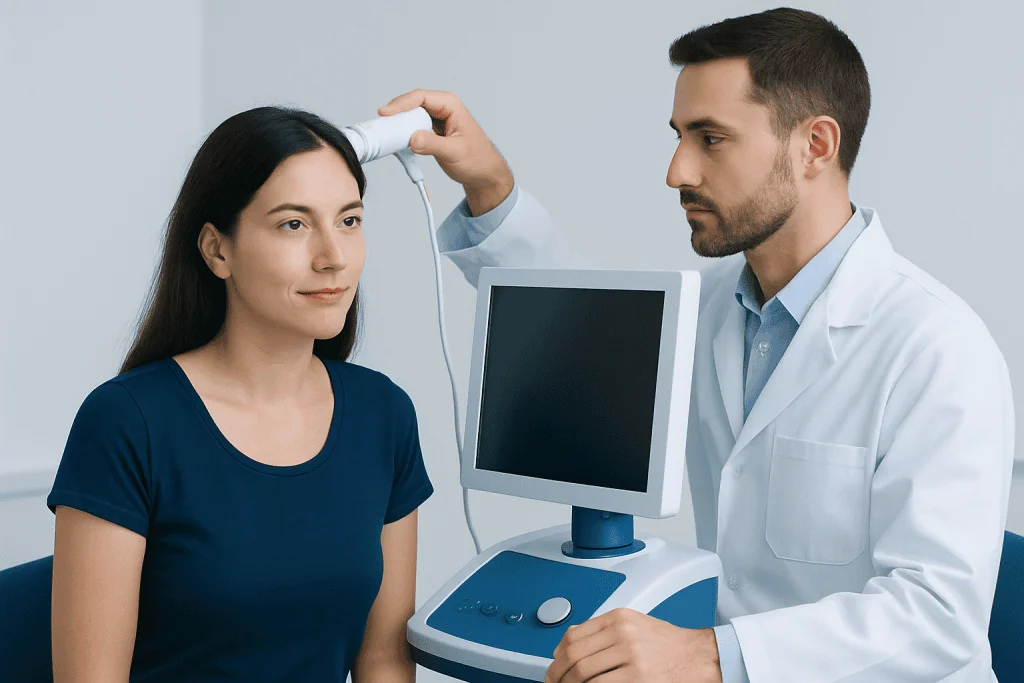
The physical exam looks at the pattern of hair loss, scalp condition, and signs of inflammation or scarring. A hair-pull test may help estimate active shedding. In some clinics, dermoscopy or trichoscopy is used to examine the scalp and follicles more closely.
Additional tests are sometimes needed. Blood tests may look for iron deficiency, thyroid problems, vitamin or nutrient issues, or other medical causes. If the diagnosis remains uncertain or a scarring condition is suspected, a small scalp biopsy may be recommended to confirm the type of hair loss and guide treatment.
The main goal of diagnosis is to separate reversible causes from long-term ones and to identify conditions that need early treatment to protect follicles. This step is often more valuable than trying multiple over-the-counter products without knowing the cause.
Treatment options and what patients can expect
Treatment depends on the diagnosis. In temporary shedding, care may focus on correcting the trigger, such as treating iron deficiency, improving nutrition, or allowing time for recovery after illness or stress. In hereditary pattern loss, treatment often aims to slow progression, maintain existing hair, and encourage some regrowth where follicles are still active.
Doctors may recommend topical or oral treatments when appropriate, but the choice should be individualized based on age, sex, medical history, pregnancy plans, and the type of hair loss. Scalp inflammation may need medicated shampoos, anti-inflammatory treatment, or therapy for infection. Patients with active scalp disease should not assume that cosmetic products alone will solve the problem.
Some patients with established pattern loss may consider procedural options. Depending on the cause and distribution of loss, a specialist may discuss hair transplant approaches. Supportive therapies used in selected cases can include PRP treatment or other physician-guided plans, although suitability varies and expectations should remain realistic.
Treatment response usually takes time. Hair grows slowly, so visible improvement may take several months even when therapy is working. Follow-up is important to assess progress, adjust the plan, and watch for side effects or signs that another diagnosis should be considered.
Self-care, prevention, and everyday habits
Not every form of hair loss can be prevented, especially hereditary types, but healthy habits can support scalp and hair health. Gentle hair care is a sensible starting point. This means avoiding excessive heat, limiting harsh chemical treatments, and reducing tension from tight braids, ponytails, or extensions.
Nutrition also plays a role. Hair growth depends on enough protein, iron, and overall balanced intake. Extreme dieting and rapid weight changes can increase shedding. Patients concerned about supplements should speak with a clinician rather than taking high-dose products on their own, since more is not always better and some supplements can interfere with tests or medicines.
Managing stress, treating dandruff or scalp irritation early, and seeking help for persistent shedding can all be useful. For people considering a cosmetic or reconstructive solution, evaluation by an experienced team is important before any procedure such as surgical hair restoration. Near the end of the care pathway, some international patients may also choose consultation with Acibadem International, where multidisciplinary specialists in JCI-accredited hospitals evaluate and treat hair and scalp conditions.
When to seek medical care
Medical advice is recommended if hair loss is sudden, patchy, rapidly worsening, or associated with scalp pain, redness, scaling, or pus-like bumps. These features can suggest an inflammatory, infectious, or autoimmune process that needs diagnosis rather than routine cosmetic care.
Patients should also seek assessment if hair loss occurs with fatigue, weight change, menstrual changes, signs of anemia, or other general symptoms. Hair changes can occasionally be a clue to thyroid disease, nutritional deficiency, or another medical condition.
Prompt review is especially important if there are signs of scarring, loss of eyebrows or eyelashes, or hair loss in children. Early treatment may help preserve follicles in conditions that can cause permanent damage. If the diagnosis is uncertain, a dermatologist or hair specialist can provide a more targeted plan than trial-and-error self-treatment.
Frequently asked questions
Is md hair a diagnosis?
No. md hair is usually a general term patients use for medically supervised hair or scalp care. It may refer to evaluation and treatment for shedding, thinning, scalp disease, or hair restoration.
Can hair loss be reversed?
Sometimes, yes. Hair loss related to stress, nutritional deficiency, illness, or certain medications may improve when the trigger is addressed. Genetic pattern hair loss is usually managed rather than fully reversed, but early treatment may help slow it down.
How long does it take to see results from treatment?
Hair grows slowly, so visible change often takes several months. Even effective treatment may not show clear improvement right away. Regular follow-up helps determine whether the plan is working and whether it needs adjustment.
When is hair shedding normal?
Some daily shedding is part of the normal hair cycle. It becomes more concerning when shedding is clearly increased for weeks, when the hair looks thinner overall, or when there are scalp symptoms such as itching, pain, or redness.
Should patients take hair vitamins on their own?
Not necessarily. Supplements are most helpful when a deficiency is present, and taking unnecessary or high-dose products is not always safe. A doctor can help decide whether testing or targeted supplementation is more appropriate.
Is a hair transplant suitable for everyone?
No. Suitability depends on the cause of hair loss, donor hair availability, scalp condition, and overall expectations. A transplant is generally considered after proper diagnosis and when the pattern of loss is stable enough for planning.
References
- American Academy of Dermatology
- National Institute of Arthritis and Musculoskeletal and Skin Diseases
- Mayo Clinic
- National Health Service
- DermNet
This article is for general information only and is not a substitute for professional medical advice. Please consult a qualified doctor about your individual situation.
Hair transplant in Turkey — costs, graft counts & a free assessment
JCI-accredited · board-certified surgeons · reply within 24h
Add us as a Preferred Source to see more of our trusted health content across Google Search, AI Overviews and Discover.
Check your numbers in seconds
BMI, calories, due date, blood pressure and 30+ more clinical calculators — free, instant, doctor-reviewed ranges.