Meaning of pac in medical: A Complete Medical Guide for Patients

In most patient-facing and cardiology contexts, PAC means premature atrial contractions. PACs are early beats that start in the atria and may feel like a flutter, skipped beat, or brief thump in the chest.
Key Takeaways
- In most patient-facing and cardiology contexts, PAC means premature atrial contractions.
- PACs are early beats that start in the atria and may feel like a flutter, skipped beat, or brief thump in the chest.
- Many PACs do not require treatment, especially when they are occasional and not linked to heart disease.
- Triggers can include stress, poor sleep, caffeine, alcohol, smoking, illness, and some medications.
- Evaluation may include a physical exam, ECG, blood tests, and heart rhythm monitoring.
- Urgent care is important if palpitations happen with chest pain, fainting, severe shortness of breath, or a very fast heartbeat.
The meaning of PAC in medical most often refers to premature atrial contractions, which are extra or early heartbeats that begin in the upper chambers of the heart. They are common and often harmless, but recurrent symptoms or certain risk factors may mean a person should be checked by a doctor.
Overview: What Does PAC Mean in Medical Terms?
The meaning of PAC in medical language usually refers to premature atrial contractions. These are early heartbeats that begin in the atria, the heart’s upper chambers, before the next regular heartbeat is due. After the early beat, the person may notice a pause or a stronger beat, which can feel like a flutter, a skipped beat, or a brief pounding sensation.
PACs are a type of arrhythmia, meaning a variation in the heart’s rhythm. In many people, they happen occasionally and do not signal a dangerous problem. They can occur in otherwise healthy hearts, and many people only learn they have them when an electrocardiogram or heart monitor shows them.
Because medical abbreviations can have different meanings in different specialties, PAC may sometimes stand for something else in another context. However, when people ask about PAC in relation to heart rhythm, palpitations, or ECG results, it most commonly means premature atrial contractions. If symptoms are frequent or concerning, a clinician may evaluate for related rhythm issues such as arrhythmia.
How PACs Affect the Heart
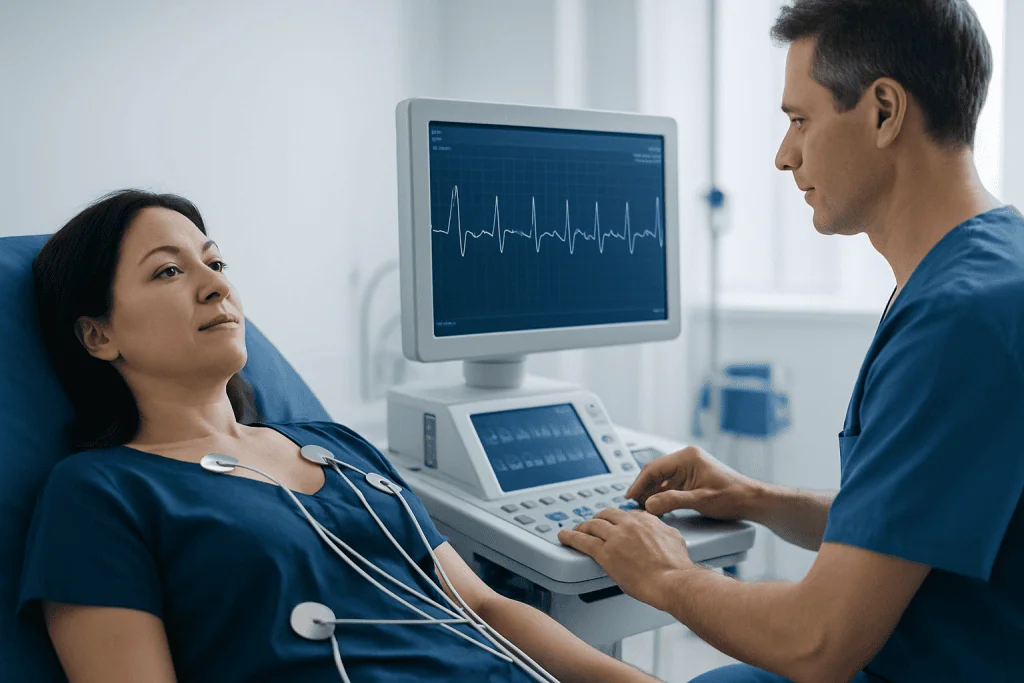
The heart normally beats through a carefully timed electrical system. A natural pacemaker called the sinoatrial node sends signals that coordinate each heartbeat. In a PAC, an extra electrical impulse starts in the atrium earlier than expected, interrupting the usual rhythm for a moment.
This early signal is not always harmful. In fact, brief rhythm variations happen in many healthy people during daily life. The sensation may be more noticeable during quiet moments, when lying down, after emotional stress, or after using stimulants such as caffeine or nicotine.
PACs are different from premature ventricular contractions, or PVCs, which begin in the lower chambers of the heart. They can also be different from sustained rhythm disorders, such as atrial fibrillation, in which the atria beat in a more chaotic and prolonged way. A doctor may use monitoring to tell these conditions apart.
Common Symptoms and What They Feel Like

Many people with PACs have no symptoms at all. Others notice palpitations, which are an awareness of the heartbeat. The feeling may be described as a skipped beat, a flip-flop in the chest, a flutter, a brief racing sensation, or a strong thump after a pause.
Symptoms can vary from person to person and are not always related to the number of PACs present. Someone with only a few PACs may feel them clearly, while another person with more frequent PACs may not notice them. Anxiety can also make normal rhythm changes feel more intense.
When PACs occur with other symptoms, they deserve closer attention. These may include lightheadedness, unusual fatigue, shortness of breath, reduced exercise tolerance, or chest discomfort. While these symptoms do not always mean a serious condition, they should not be ignored, especially in someone with known heart disease or cardiovascular risk factors.
- Fluttering or pounding in the chest
- A brief feeling of a missed heartbeat
- Palpitations during rest, stress, or after stimulants
- Occasional dizziness or awareness of an irregular pulse
Causes, Triggers, and Risk Factors
PACs can happen without a clear cause, but certain everyday factors commonly trigger them. Emotional stress, fatigue, dehydration, poor sleep, alcohol, smoking, and caffeine may all increase the chance of noticing early beats. Some over-the-counter medicines, decongestants, energy products, and stimulant substances can also affect heart rhythm.
Medical conditions may make PACs more likely as well. These include high blood pressure, thyroid problems, electrolyte imbalances, infection, anemia, sleep apnea, chronic lung disease, and structural heart conditions. In some people, PACs become more common with age because the heart’s electrical system and the body’s responses change over time.
Risk does not always mean danger. Many people with PACs have no significant heart problem. Still, if PACs are frequent, new, or associated with other symptoms, doctors may look for an underlying explanation. Depending on the full picture, tests may be used to assess heart structure, rhythm, and circulation, sometimes including cardiology evaluation or a comprehensive check-up.
How Doctors Diagnose PACs
Diagnosis begins with a medical history and physical examination. A clinician will ask what the sensations feel like, how often they occur, what seems to trigger them, and whether there are warning symptoms such as fainting, chest pain, or breathlessness. Questions about caffeine, alcohol, smoking, sleep, medications, and family history can also be helpful.
An electrocardiogram, or ECG, may show a PAC if it happens during the test. Because PACs can come and go, many people need longer monitoring with a Holter monitor or an event recorder worn at home. This helps capture the heart rhythm during normal activities and can show whether symptoms match PACs or another rhythm pattern.
Additional testing depends on the situation. Blood tests may check thyroid function, electrolytes, or anemia. An echocardiogram may be ordered to assess the heart’s structure and pumping function. If symptoms occur with exertion or if there are concerns about coronary disease, further heart testing may be considered under a doctor’s guidance.
Treatment Options and When Treatment Is Needed
Many PACs do not need specific treatment. If they are occasional, not very bothersome, and not linked to heart disease, reassurance may be all that is required. In these cases, the focus is usually on reducing triggers and monitoring for change rather than using medication or procedures.
When symptoms are frequent or uncomfortable, treatment depends on the cause and overall heart health. A doctor may review medications, suggest cutting back on stimulants, address sleep problems, or treat related conditions such as thyroid disease or high blood pressure. In selected cases, medicines that help steady the heart rhythm or slow the heart rate may be considered.
If rhythm disturbances are persistent, complex, or associated with another condition, referral to a heart specialist may be appropriate. Some patients need further testing through electrophysiology study to understand the source of abnormal rhythms more clearly. In rare situations where a specific rhythm focus is identified and symptoms are significant, advanced arrhythmia treatments may be discussed by a specialist team.
Self-Care and Prevention Strategies
Although PACs cannot always be prevented, healthy habits can reduce triggers and improve overall heart rhythm stability. Good hydration, regular sleep, moderate exercise, and stress management are often helpful. Some people benefit from keeping a simple diary of symptoms, caffeine intake, sleep quality, and stress to identify patterns.
Limiting substances that may provoke palpitations can also make a difference. This may include reducing caffeine, avoiding nicotine, moderating alcohol, and being cautious with stimulants and certain cold remedies. People should not stop prescribed medicines on their own, but they can ask a doctor whether any current medications could be contributing.
Managing broader heart health matters too. Blood pressure, cholesterol, blood sugar, and body weight all affect cardiovascular wellbeing over time. If there is a known rhythm condition or another heart concern, following the care plan carefully can help lower the chance of worsening symptoms.
- Get adequate sleep and address possible sleep apnea
- Stay hydrated, especially during exercise or illness
- Reduce stress with relaxation techniques or counseling if needed
- Limit caffeine, nicotine, and excess alcohol
- Seek medical advice if palpitations become more frequent or change in pattern
When to Seek Medical Care
Occasional PACs without other symptoms are often not an emergency, but a person should arrange a medical review if palpitations are new, frequent, worsening, or troubling. This is especially important for adults with high blood pressure, diabetes, thyroid disease, prior stroke, known heart disease, or a family history of rhythm disorders.
Urgent medical care is needed if palpitations happen with chest pain, fainting, severe shortness of breath, marked weakness, or a sustained rapid heartbeat. These symptoms may point to a more serious rhythm problem or another heart-related condition and should be assessed promptly.
For people who need a more detailed evaluation, Acibadem International’s multidisciplinary specialists in JCI-accredited hospitals assess and treat rhythm concerns for international patients. The right next step is a qualified medical assessment that considers symptoms, health history, and test results together.
Frequently asked questions
Is PAC in medical always related to the heart?
No. Medical abbreviations can mean different things in different specialties. However, in the context of palpitations, ECG findings, or heart rhythm, PAC most commonly means premature atrial contractions.
Are premature atrial contractions dangerous?
Often, no. In many healthy people, PACs are benign and happen occasionally without causing harm. They deserve more attention if they are frequent, cause significant symptoms, or occur in someone with known heart disease.
What does a PAC feel like?
A PAC may feel like a skipped beat, a flutter, a flip-flop, or a brief thump in the chest. Some people notice it more when resting quietly or after caffeine, stress, or poor sleep. Others do not feel PACs at all.
Can stress or caffeine cause PACs?
Yes. Stress, fatigue, caffeine, alcohol, nicotine, and some medicines can trigger or worsen PACs in some people. Reducing triggers may lessen symptoms, although each person’s sensitivity is different.
How are PACs diagnosed?
Doctors usually start with a history, physical exam, and ECG. If the rhythm change is intermittent, a Holter monitor or event monitor may be used to record the heart over a longer period. Other tests may be ordered if there is concern about an underlying condition.
Can PACs turn into atrial fibrillation?
Frequent PACs can sometimes be associated with a higher likelihood of developing other rhythm problems, including atrial fibrillation, especially in certain patients. That does not mean everyone with PACs will develop it. A clinician can assess individual risk based on symptoms, age, and overall heart health.
References
- American Heart Association
- National Heart, Lung, and Blood Institute
- Mayo Clinic
- Merck Manual Consumer Version
- Cleveland Clinic
This article is for general information only and is not a substitute for professional medical advice. Please consult a qualified doctor about your individual situation.
Heart care in Turkey — expert evaluation and treatment
JCI-accredited · board-certified surgeons · reply within 24h
Add us as a Preferred Source to see more of our trusted health content across Google Search, AI Overviews and Discover.
Check your numbers in seconds
BMI, calories, due date, blood pressure and 30+ more clinical calculators — free, instant, doctor-reviewed ranges.

More from the Health Library

Ectopy — Explained by Medical Evidence, Not Myths

Calendula: A Complete Medical Overview

Fight Flight Freeze: What Patients Need to Know

Heralopecia: What Patients Need to Know

Pancreatic Elastase Fecal: What Patients Need to Know