Measles: An Evidence-Based Guide for Patients

Measles spreads easily through the air when an infected person coughs or sneezes. Early symptoms often resemble a cold before the typical rash appears.
Key Takeaways
- Measles spreads easily through the air when an infected person coughs or sneezes.
- Early symptoms often resemble a cold before the typical rash appears.
- There is no specific antiviral cure for most cases; care focuses on hydration, fever control, and monitoring for complications.
- Vaccination is the most effective way to prevent measles.
- Medical assessment is important for infants, pregnant people, immunocompromised patients, and anyone with breathing problems, dehydration, or worsening symptoms.
Measles is a highly contagious viral infection that usually begins with fever, cough, runny nose, and red eyes, followed by a spreading rash. Most treatment is supportive, but early medical advice is important because measles can lead to serious complications, especially in young children, pregnant people, and those with weakened immune systems.
Overview
Measles is a viral infection caused by the measles virus. It is known for causing fever and a widespread rash, but it can also affect the eyes, airways, lungs, and immune system. Because it spreads very efficiently from person to person, even a single case can lead to outbreaks in communities where vaccination coverage is low.
The illness often starts like a common respiratory infection, with fever, cough, runny nose, and red or watery eyes. A few days later, a rash typically appears and spreads from the face downward. Although many people recover fully, measles can sometimes cause complications such as ear infections, diarrhea, pneumonia, or inflammation of the brain.
For patients and families, the most important points are recognizing early symptoms, limiting contact with others, and seeking timely medical guidance. Prevention through vaccination remains the most reliable and effective protection against measles.
How Measles Spreads and Why It Matters
Measles spreads through the air in tiny droplets released when an infected person coughs, sneezes, or even breathes in close shared spaces. A person can transmit the virus before the rash appears, which is one reason measles can spread before it is recognized. The virus may remain in the air or on surfaces for a period of time, making exposure possible even after the infected person has left the room.
Not everyone exposed to measles will become ill, but people who are unvaccinated or not fully immune are at the highest risk. Infants who are too young for routine vaccination, pregnant people, and individuals with weakened immune systems may be more vulnerable to severe disease.
Public health follow-up matters because measles is not just a personal illness; it can affect schools, households, clinics, and travel settings. If measles is suspected, limiting exposure to others and contacting a healthcare professional before arriving at a clinic can help protect other patients and staff.
Symptoms and What the Rash Looks Like
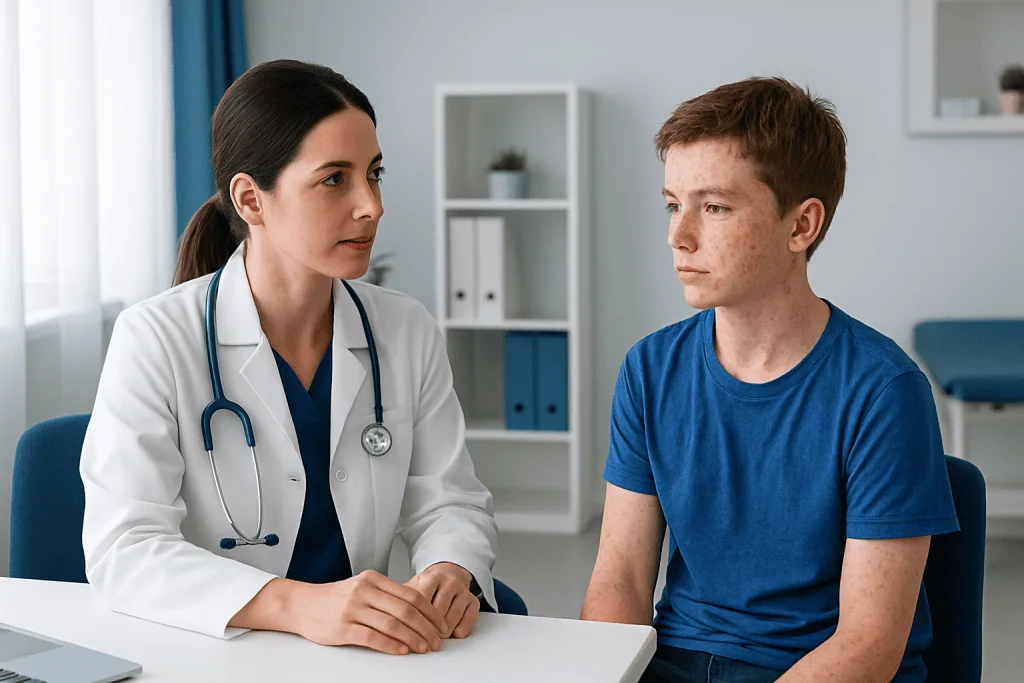
Measles symptoms usually develop in stages. Early symptoms commonly include a high fever, cough, runny nose, sore throat, and red or watery eyes. Many people feel tired and generally unwell. Small white spots inside the mouth, called Koplik spots, may appear before the rash and can help clinicians recognize the disease.
The measles rash often begins on the face or behind the ears and then spreads to the neck, trunk, arms, and legs. It usually appears as flat red spots that may merge together in places. As the rash spreads, fever may remain high. The rash itself can look different depending on skin tone, but it generally follows the same downward pattern.
Some symptoms suggest that closer medical attention is needed. These include trouble breathing, signs of dehydration, persistent vomiting, severe weakness, confusion, seizures, ear pain, or symptoms that worsen after seeming to improve. Because the early phase can resemble other viral illnesses, measles should be considered especially if there has been known exposure or recent travel to an area with cases.
- Early symptoms: fever, cough, runny nose, red eyes, fatigue
- Possible early sign: white spots inside the mouth
- Later symptom: rash spreading from face downward
- Warning signs: breathing difficulty, dehydration, confusion, seizures
Causes, Risk Factors, and Possible Complications
Measles is caused by infection with the measles virus. A person becomes infected when the virus enters the respiratory tract and then spreads through the body. It is not caused by food, cold weather, or poor hygiene alone, although crowded indoor settings can increase exposure risk when an infected person is present.
The main risk factors include not being vaccinated, being too young to have completed routine vaccination, international travel to areas where measles is circulating, and close contact with an infected person. People with weakened immune systems, including some patients receiving cancer treatment or immunosuppressive therapy, may be at higher risk of severe illness and complications.
Complications can range from mild to serious. Common complications include ear infections and diarrhea. More severe problems can include pneumonia, dehydration, croup, and encephalitis, which is inflammation of the brain. Measles can also temporarily weaken the immune system, making the body more vulnerable to other infections during recovery. In rare situations, delayed neurological complications may occur long after the original infection.
Because measles can cause fever and a generalized rash, doctors may also consider other infectious rash illnesses during evaluation, such as rubella. Distinguishing between these conditions is important for both treatment planning and public health measures.
How Measles Is Diagnosed
Doctors diagnose measles by combining the person’s symptoms, vaccination history, possible exposure, travel history, and physical examination findings. The pattern of fever, cough, red eyes, and a rash that starts on the face can be strongly suggestive. Koplik spots inside the mouth, when present, are another useful clue.
Laboratory testing is often used to confirm the diagnosis, especially during suspected outbreaks or when symptoms overlap with other infections. This may include a throat or nose swab, urine sample, or blood test to look for evidence of measles infection. Public health authorities may also become involved to help confirm the case and identify contacts who may need advice or preventive care.
Patients should ideally call ahead before visiting a clinic or hospital if measles is suspected. This allows the healthcare team to reduce exposure to others in waiting areas. If symptoms are severe or there are signs of complications, urgent assessment may be necessary.
When respiratory symptoms are prominent or complications are suspected, clinicians may use diagnostic imaging such as a chest X-ray to check for conditions like pneumonia.
Treatment Options and Supportive Care
There is no specific antiviral cure used routinely for most measles infections. Treatment usually focuses on supportive care while the body clears the virus. This includes rest, fluids, management of fever, and close observation for complications. Patients should follow a clinician’s advice rather than self-medicating extensively, especially for children.
Supportive care often involves drinking enough fluids, eating as tolerated, and using doctor-approved medicines to reduce fever and discomfort. Vitamin A may be recommended in some patients, particularly children, because deficiency can worsen outcomes. If a bacterial complication such as an ear infection or pneumonia develops, antibiotics may be prescribed, but antibiotics do not treat the measles virus itself.
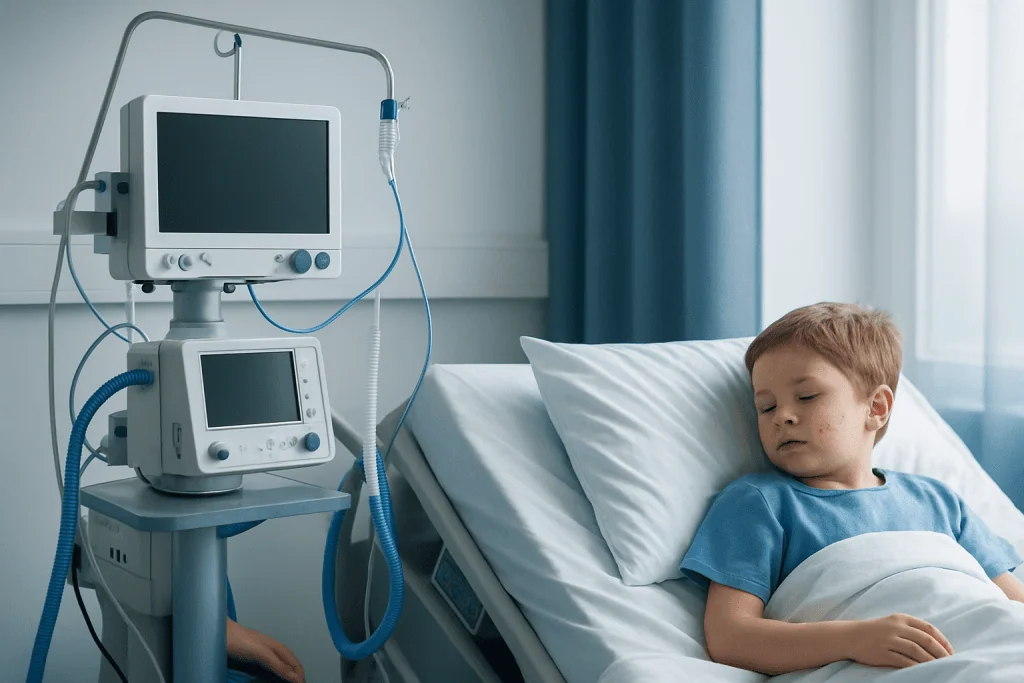
Hospital care may be needed if there is dehydration, breathing difficulty, severe weakness, neurological symptoms, or another serious complication. In these cases, treatment can include oxygen, intravenous fluids, and monitoring by specialists. If brain-related symptoms such as seizures or confusion occur, evaluation may involve neurology care to assess possible complications affecting the nervous system.
For patients needing advanced evaluation or inpatient care, Acibadem International’s multidisciplinary specialists and JCI-accredited hospitals diagnose and treat measles-related complications for international patients when appropriate.
Prevention and Self-Care
The most effective way to prevent measles is vaccination. Routine immunization protects individuals and also reduces spread within the community. People who are unsure of their vaccination status should discuss this with a qualified healthcare professional, who can advise whether catch-up vaccination is appropriate.
If someone has measles or is strongly suspected to have it, staying home and avoiding close contact with others helps reduce transmission. Household members and recent contacts may need medical advice, especially if they are unvaccinated, pregnant, very young, or immunocompromised. Public health guidance may include recommendations about isolation and post-exposure measures.
At home, self-care should focus on comfort and monitoring. This may include rest, fluid intake, and watching for signs that the illness is worsening. Good hand hygiene and proper ventilation are sensible supportive measures, although vaccination remains the key preventive step.
Because measles can affect the lungs in some patients, clinicians may provide additional evaluation or supportive pulmonology care if cough, shortness of breath, or pneumonia develop.
When to Seek Medical Care
Medical advice should be sought promptly if measles is suspected, particularly in infants, pregnant people, older adults, or anyone with a weakened immune system. It is also important to contact a doctor if there has been known exposure to measles, recent travel to an area with outbreaks, or uncertainty about vaccination status.
Urgent medical attention is needed for symptoms such as trouble breathing, persistent high fever, dehydration, poor fluid intake, severe drowsiness, confusion, seizures, chest pain, or a child who is difficult to wake. Worsening cough, ear pain, or symptoms returning after initial improvement can also suggest a complication.
Calling ahead before visiting a healthcare facility is helpful when measles is possible. This allows staff to take infection-control precautions and reduce the chance of spreading the virus to others.
Frequently asked questions
What is measles?
Measles is a highly contagious viral infection that usually causes fever, cough, runny nose, red eyes, and a characteristic rash. It spreads easily through the air and can sometimes lead to serious complications, especially in vulnerable groups.
How can someone tell if a rash might be measles?
A measles rash often starts on the face or behind the ears and then spreads downward over the body. It usually appears after several days of fever, cough, and red eyes, but only a clinician can confirm whether the rash is due to measles or another condition.
Is there a cure for measles?
There is no routine antiviral cure for most measles infections. Treatment is mainly supportive and focuses on fluids, fever management, rest, and monitoring for complications such as pneumonia or dehydration.
How long is measles contagious?
A person with measles can spread the virus before the rash appears and for several days after the rash begins. This is why early isolation and contacting a healthcare professional quickly are important.
Can vaccinated people still get measles?
Vaccination greatly lowers the risk of getting measles and is the best protection available. Although no vaccine is perfect, vaccinated people are much less likely to become infected or develop severe disease.
When should a child or adult with measles go to the hospital?
Hospital assessment may be needed for breathing difficulty, dehydration, persistent vomiting, severe weakness, confusion, seizures, or signs of pneumonia. Infants, pregnant people, and those with weakened immune systems should be assessed promptly if measles is suspected.
References
- World Health Organization
- Centers for Disease Control and Prevention
- American Academy of Pediatrics
- National Health Service
- European Centre for Disease Prevention and Control
This article is for general information only and is not a substitute for professional medical advice. Please consult a qualified doctor about your individual situation.
Measles in Turkey — costs, top hospitals & a free quote
JCI-accredited · board-certified surgeons · reply within 24h
Add us as a Preferred Source to see more of our trusted health content across Google Search, AI Overviews and Discover.